


BROWSE PECO PRODUCTS
Browse through our complete product portfolio.
42 Products Found
GWR Beetle Prize Cattle Wagon
Introduced to carry valuable cattle with their attendants, they were mainly seen on passenger trains until the 1950s. These finely moulded plastic wagon kits come complete with pin point axle wheels and bearings. Glue and paint will be required, along with appropriate transfers. Additional parts to enable the vehicle to be modelled incorporating modifications made to the prototypes during their working life are included where appropriate.
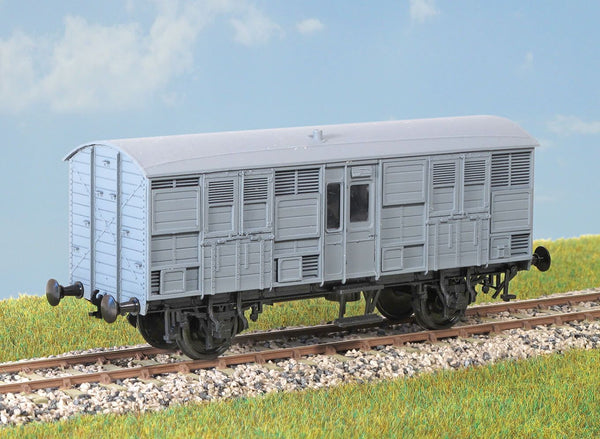
LNER Horse Box Wagon
30 of these horse boxes (diagram 5) were built by the LNER in 1938, mainly to carry racehorses to meetings throughout Britain. Many lasted into the early 1960s. These finely moulded plastic wagon kits come complete with pin point axle wheels and bearings. Glue and paint will be required, along with appropriate transfers. Additional parts to enable the vehicle to be modelled incorporating modifications made to the prototypes during their working life are included where appropriate.
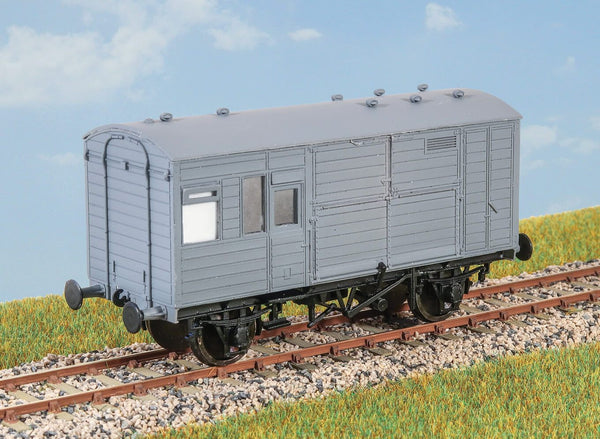
SR CCT Parcels Van
50 of these vans were built in 1938, with examples lasting into the 1980s and used to carry parcels, mail, luggage and motor vehicles. They were equally at home on branch line or main line trains. These finely moulded plastic wagon kits come complete with pin point axle wheels and bearings. Glue and paint will be required, along with appropriate transfers. Additional parts to enable the vehicle to be modelled incorporating modifications made to the prototypes during their working life are included where appropriate.
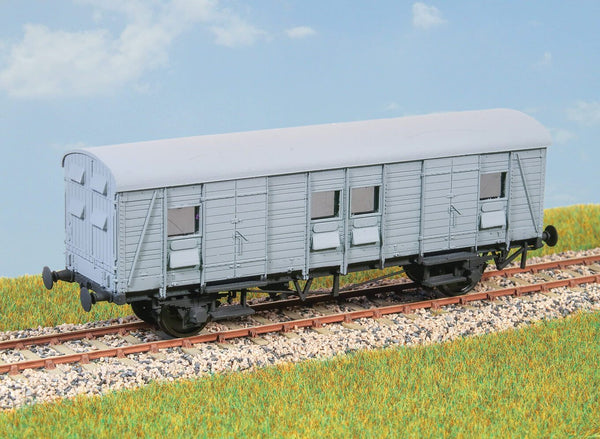
BR CCT Parcels Van
This BR built wagon (diagram 3101) had plywood body sides but had timber doors for extra strength as with the SR version. 150 were built between 1951 and 1955. Withdrawal took place in the early 1980s.
These finely moulded plastic wagon kits come complete with pin point axle wheels and bearings. Glue and paint will be required, along with appropriate transfers. Additional parts to enable the vehicle to be modelled incorporating modifications made to the prototypes during their working life are included where appropriate.
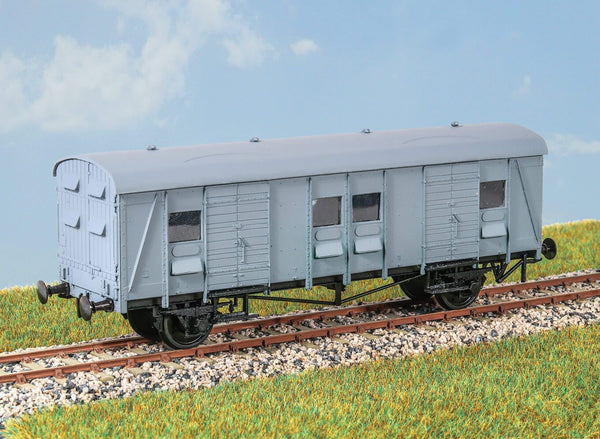
GWR 'Beetle' Prize Cattle Wagon
(Diagram 109) Introduced in the 1920s to carry valuable cattle with their attendants, they were mainly seen on passenger trains until the 1960s. These finely moulded plastic wagon kits come complete with pin point axle wheels and bearings. Glue and paint will be required, along with appropriate transfers. Additional parts to enable the vehicle to be modelled incorporating modifications made to the prototypes during their working life are included where appropriate.
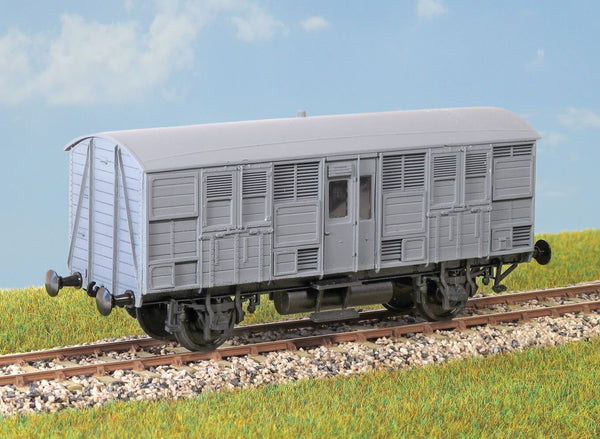
GWR 'Fruit D' Van
This was the final design of the GWR Fruit Van (diagram Y11) of which 50 were built in 1939-1941. More were built by BR in the 1950s and some were in service into the 1970s. These finely moulded plastic wagon kits come complete with pin point axle wheels and bearings. Glue and paint will be required, along with appropriate transfers. Additional parts to enable the vehicle to be modelled incorporating modifications made to the prototypes during their working life are included where appropriate.
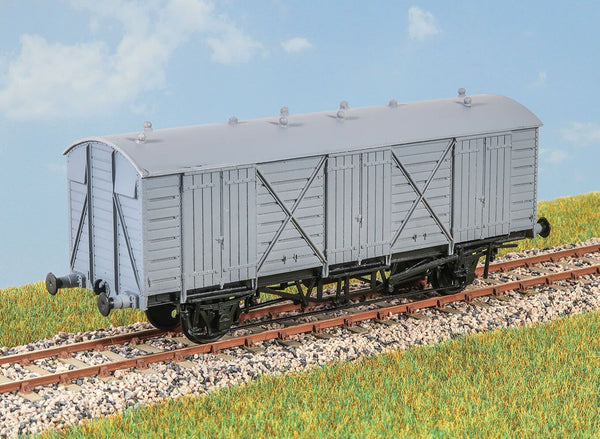
GWR Bloater Fish Van
Introduced in 1916 to carry fish from the many ports on the Great Western Railway, these vans (diagram S8) lasted in regular traffic until 1943.These finely moulded plastic wagon kits come complete with pin point axle wheels and bearings. Glue and paint will be required, along with appropriate transfers. Additional parts to enable the vehicle to be modelled incorporating modifications made to the prototypes during their working life are included where appropriate.
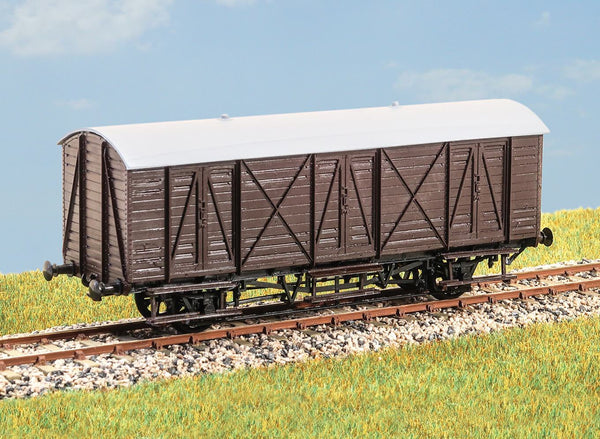
GWR Horse Box Wagon
Diagram N13. 300 of these were built in the 1920s with many lasting into the 1950s and 60s. Seen throughout Britain carrying horses to racecourses and stables, invariably marshalled in passenger or parcel trains. These finely moulded plastic wagon kits come complete with pin point axle wheels and bearings. Glue and paint will be required, along with appropriate transfers. Additional parts to enable the vehicle to be modelled incorporating modifications made to the prototypes during their working life are included where appropriate.
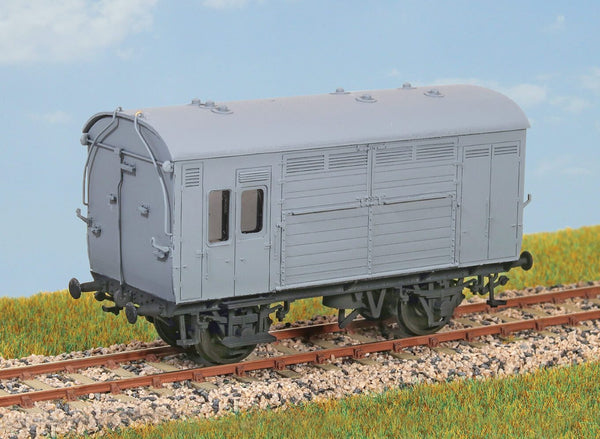
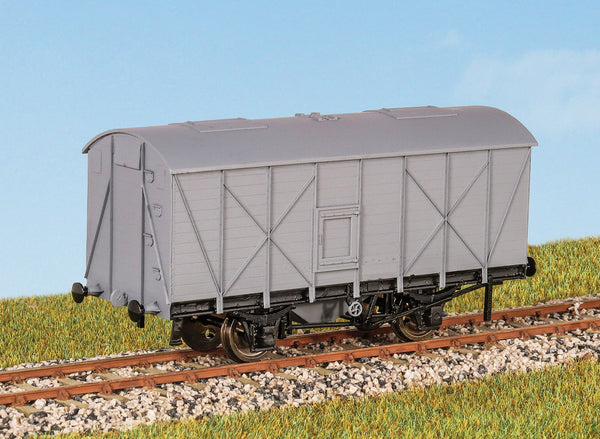
GWR Mink Goods Van
Introduced in 1906, these vans (diagram V11) were used for general goods traffic until during the Second World War. Being fitted with the vacuum brake, they were frequently found on GWR express goods trains. These finely moulded plastic wagon kits come complete with pin point axle wheels and bearings. Glue and paint will be required, along with appropriate transfers. Additional parts to enable the vehicle to be modelled incorporating modifications made to the prototypes during their working life are included where appropriate.
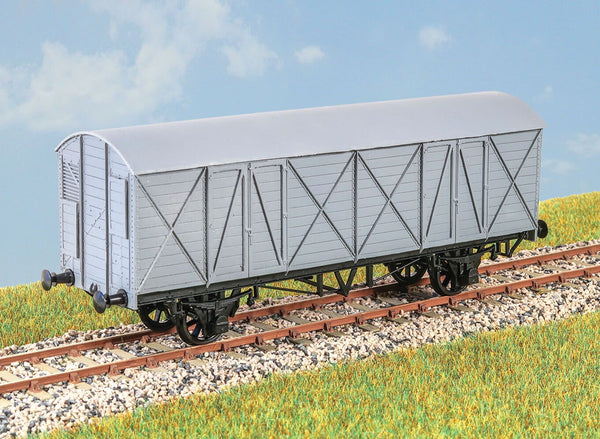
GWR Mink Goods Van
(Diagram V22) Introduced in 1931 to carry express goods traffic between the main stations on the GWR system. One hundred were built and lasted in service until the 1960s.These finely moulded plastic wagon kits come complete with pin point axle wheels and bearings. Glue and paint will be required, along with appropriate transfers. Additional parts to enable the vehicle to be modelled incorporating modifications made to the prototypes during their working life are included where appropriate.
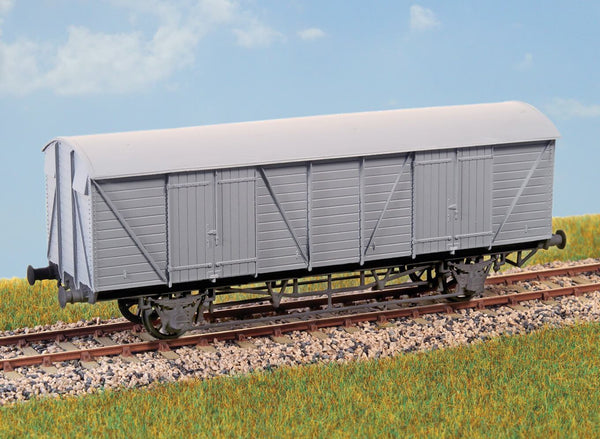
GWR Python Covered Carriage Coach Van
Introduced in 1914, these vehicles carried parcels and motor vehicles until the early days of BR. These finely moulded plastic wagon kits come complete with pin point axle wheels and bearings. Glue and paint will be required, along with appropriate transfers. Additional parts to enable the vehicle to be modelled incorporating modifications made to the prototypes during their working life are included where appropriate.
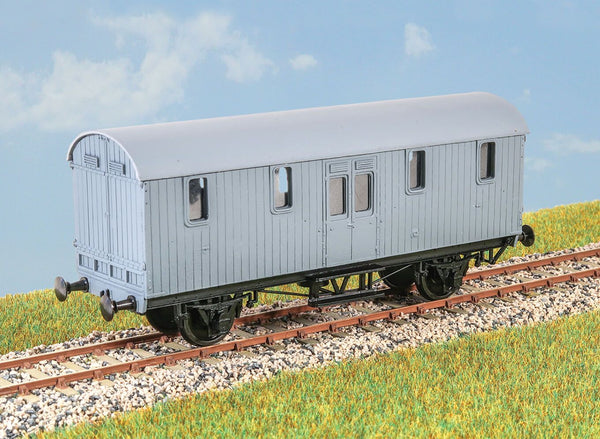
GWR/BR ‘B’ Container
Period Transfers included. A Conflat, road vehicle load, or as a scenic accessory for the Goods Yard.
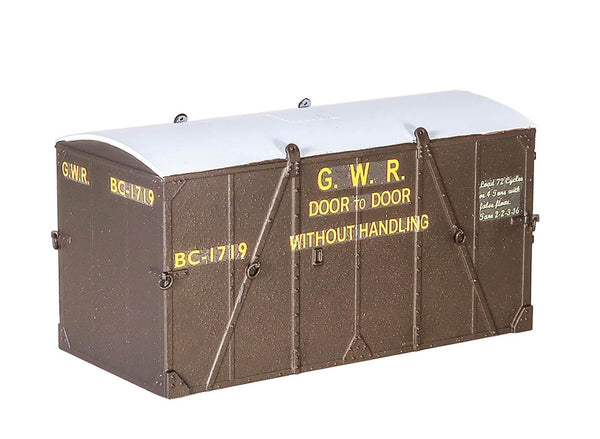
LMS 20ton Goods Brake Van
849 of these vans (diagram 1659) were built between 1924 and 1927. In general traffic they survived into the 1960s, while those in Engineer’s fleet lasted into the 1980s. These finely moulded plastic wagon kits come complete with pin point axle wheels and bearings. Glue and paint will be required, along with appropriate transfers. Additional parts to enable the vehicle to be modelled incorporating modifications made to the prototypes during their working life are included where appropriate.
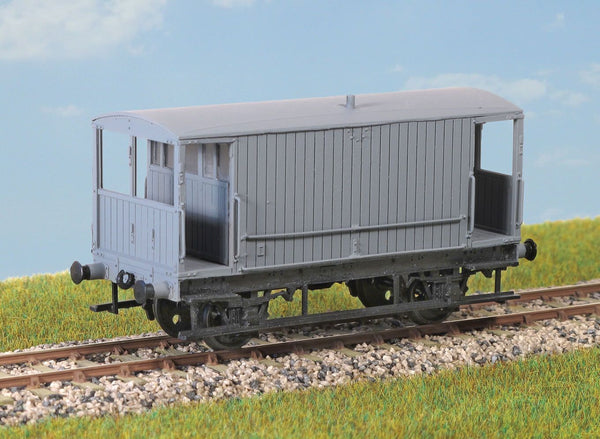
LMS 4 Wheel CCT Van
Built in 1935- 1937, 125 of these useful vans (diagram 1929) carried parcels, mail and motor vehicles in passenger and parcels trains until the early 1970s. These finely moulded plastic wagon kits come complete with pin point axle wheels and bearings. Glue and paint will be required, along with appropriate transfers. Additional parts to enable the vehicle to be modelled incorporating modifications made to the prototypes during their working life are included where appropriate.
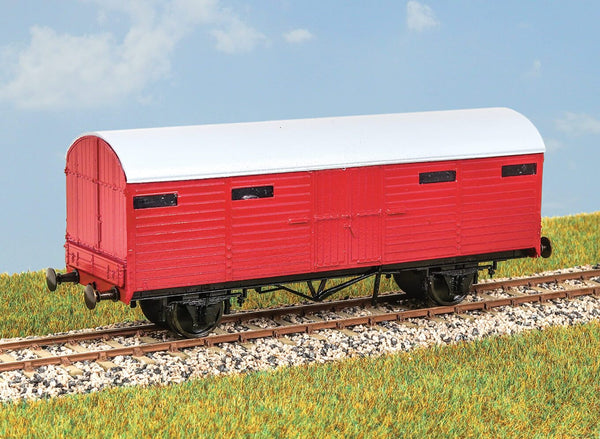
LMS 4 Wheel Motor Car Van
150 of these vans (diagram 2026) were built in 1938, with a further 75 by BR in 1952-1957. Classed as motor car vans, they were also used for parcels and mail.
These finely moulded plastic wagon kits come complete with pin point axle wheels and bearings. Glue and paint will be required, along with appropriate transfers. Additional parts to enable the vehicle to be modelled incorporating modifications made to the prototypes during their working life are included where appropriate.
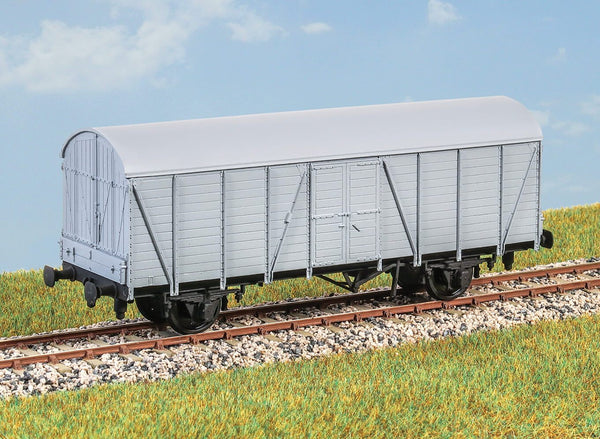
LMS/BR 20ton Brake Van
950 of these brake vans (diagram 1657) were built in 1927-1931. They lasted in general traffic until the mid 1960s. Some survivors in the Engineer’s fleet lasted into the 1980s.
These finely moulded plastic wagon kits come complete with pin point axle wheels and bearings. Glue and paint will be required, along with appropriate transfers. Additional parts to enable the vehicle to be modelled incorporating modifications made to the prototypes during their working life are included where appropriate.
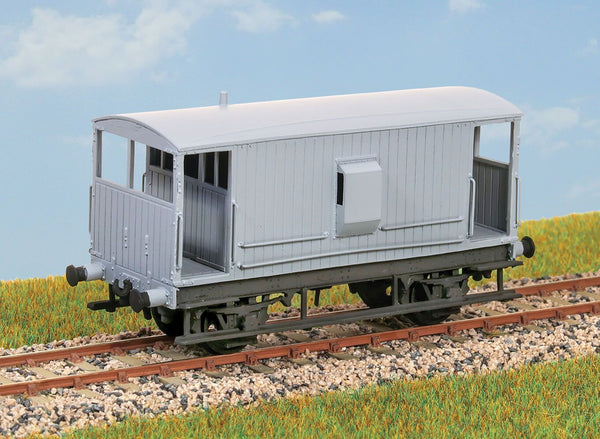
LNER 20ton Brake Van Toad E
900 of these vans were built between 1930 and 1936. Seen all over the former LNER system, they lasted in service into the mid 1960s. These finely moulded plastic wagon kits come complete with pin point axle wheels and bearings. Glue and paint will be required, along with appropriate transfers. Additional parts to enable the vehicle to be modelled incorporating modifications made to the prototypes during their working life are included where appropriate.
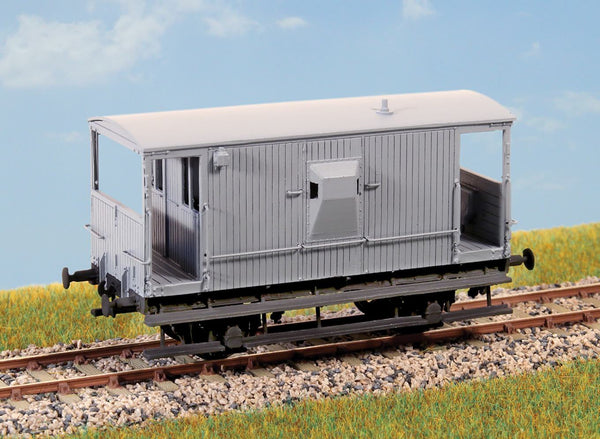
LNER Bogie Bolster Wagon
(Quad) In 1921 the NER bought a number of these wagons from the Government. They lasted until the mid 1950s. Several worked as flat wagons. These finely moulded plastic wagon kits come complete with pin point axle wheels and bearings. Glue and paint will be required, along with appropriate transfers. Additional parts to enable the vehicle to be modelled incorporating modifications made to the prototypes during their working life are included where appropriate.
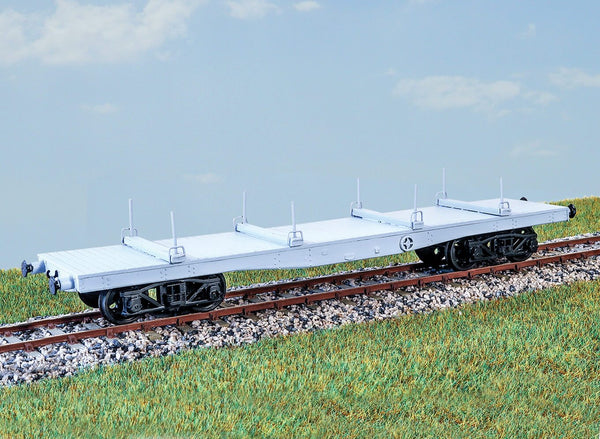
LNER Bogie Brick Wagon
Built in 1930 (repeating a 1921 GNR design), these wagons (diagram 70) carried brick between Peterborough and London. Examples were in use until 1966. These finely moulded plastic wagon kits come complete with pin point axle wheels and bearings. Glue and paint will be required, along with appropriate transfers. Additional parts to enable the vehicle to be modelled incorporating modifications made to the prototypes during their working life are included where appropriate.
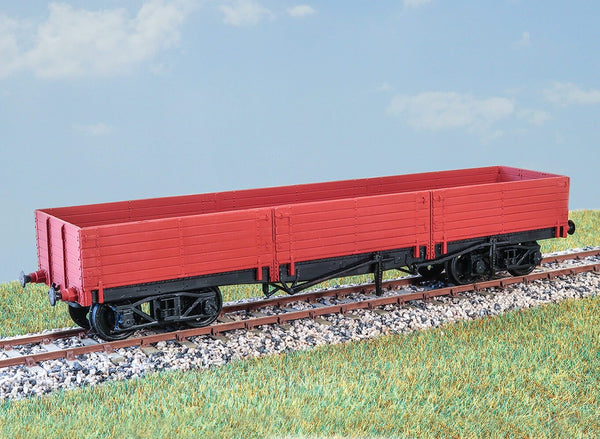
LNER Bogie Sulphate Wagon
Eighty of these wagons (diagram 69) were built in the 1930s to carry fertilizer from the I.C.I. Works at Billingham, Tee-side. Many ended their days carrying refuse in the Kings Cross area in the 1960s.These finely moulded plastic wagon kits come complete with pin point axle wheels and bearings. Glue and paint will be required, along with appropriate transfers. Additional parts to enable the vehicle to be modelled incorporating modifications made to the prototypes during their working life are included where appropriate.
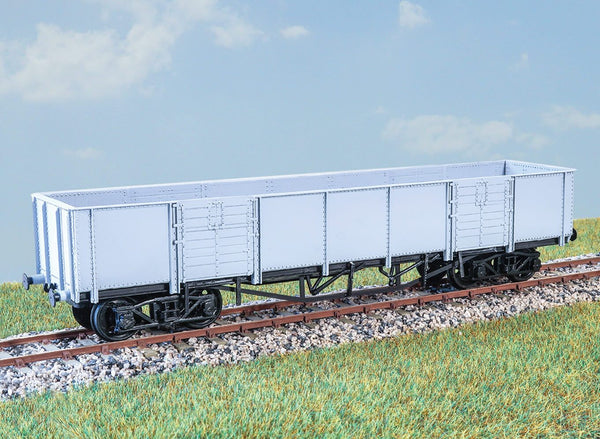
LNER Extra Long CCT Van
Built in two batches in 1939 and 1950, these vehicles (diagram 6) were used to carry parcels, mail and motor vehicles in passenger and parcels trains until 1980. These finely moulded plastic wagon kits come complete with pin point axle wheels and bearings. Glue and paint will be required, along with appropriate transfers. Additional parts to enable the vehicle to be modelled incorporating modifications made to the prototypes during their working life are included where appropriate.
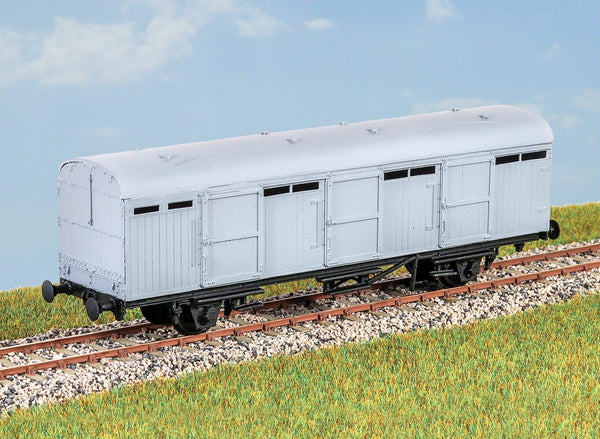
SR BY Utility Van
Introduced in 1937, these vans (diagram 3092) were used for parcel and mail traffic on branch or mainline trains. In service until the late 1970s. These finely moulded plastic wagon kits come complete with pin point axle wheels and bearings. Glue and paint will be required, along with appropriate transfers. Additional parts to enable the vehicle to be modelled incorporating modifications made to the prototypes during their working life are included where appropriate
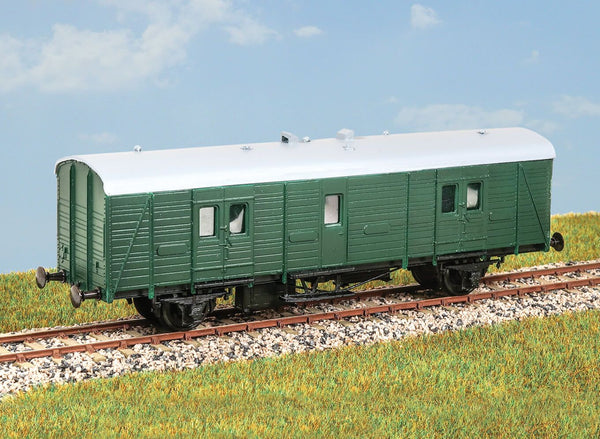
SR PMV Parcels Van
This kit builds the basic SECR design, but has additional parts to model the SR built batches of the 1930s. These vehicles were used widely and examples still survive in departmental use. These finely moulded plastic wagon kits come complete with pin point axle wheels and bearings. Glue and paint will be required, along with appropriate transfers. Additional parts to enable the vehicle to be modelled incorporating modifications made to the prototypes during their working life are included where appropriate.
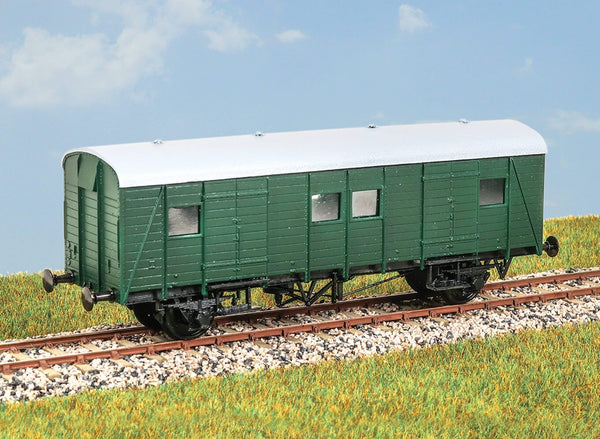
GWR 4 Wheel Coach Kit
These coaches were constructed between 1890 and 1902 for rural duties, but lasted up until the 1950's on workmen's trains and the like. Glue, paint and transfers are required to complete this model.
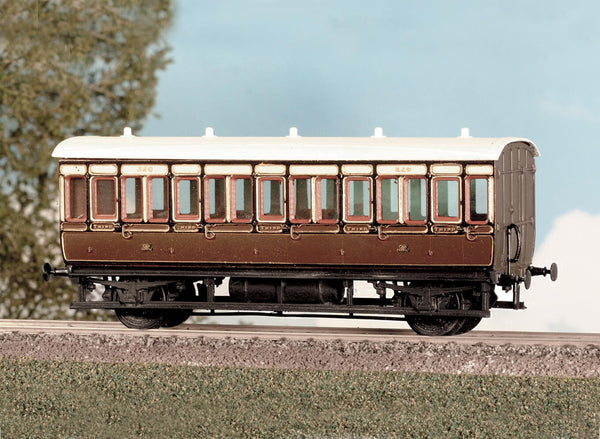
GWR 4 Wheel Composite Coach Kit
These coaches were constructed between 1890 and 1902 for rural duties, but lasted up until the 1950's on workmen's trains and the like. Glue, paint and transfers are required to complete this model.
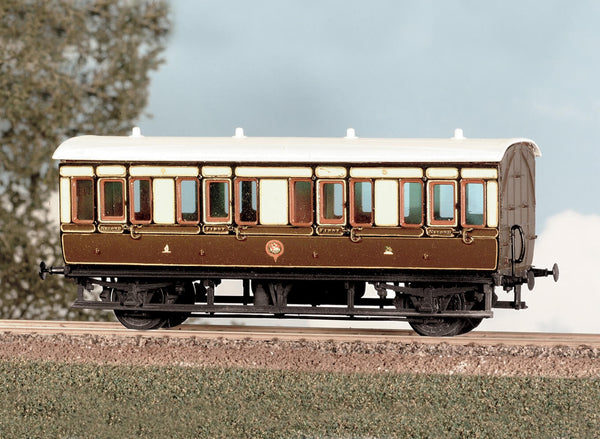
GWR 4 Wheel Coach Kit
These coaches were constructed between 1890 and 1902 for rural duties, but lasted up until the 1950's on workmen's trains and the like. Glue, paint and transfers are required to complete this model.
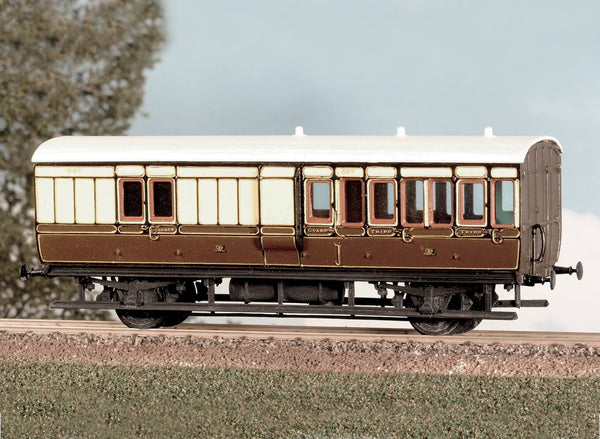
LMS 48 feet Suburban Coach Kit
These non-corridor coaches were built between 1903 and 1910 by the Midland Railway. They were used as close coupled sets for suburban services in the Manchester and Birmingham areas, remaining in service until the early 1950's. Glue, paint and transfers are required to complete this model.
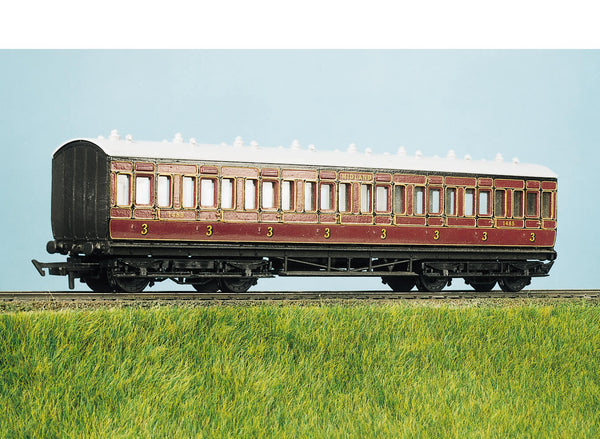
LMS 48 feet Suburban Coach Kit
These non-corridor coaches were built between 1903 and 1910 by the Midland Railway. They were used as close coupled sets for suburban services in the Manchester and Birmingham areas, remaining in service until the early 1950's. Glue, paint and transfers are required to complete this model.
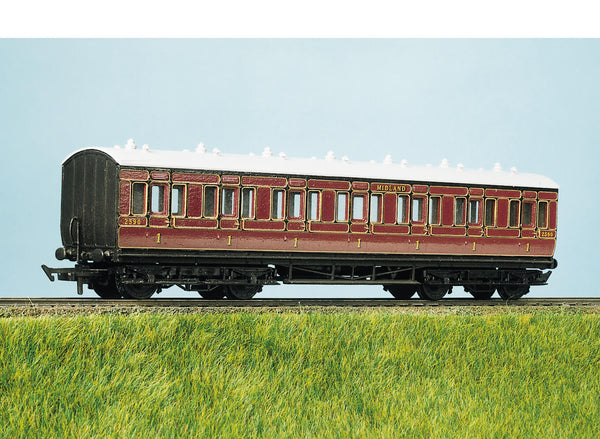
LMS 48 feet Suburban Coach Kit
These non-corridor coaches were built between 1903 and 1910 by the Midland Railway. They were used as close coupled sets for suburban services in the Manchester and Birmingham areas, remaining in service until the early 1950's. Glue, paint and transfers are required to complete this model.
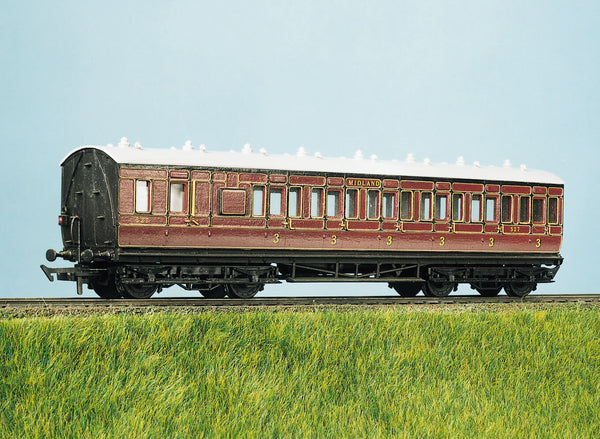
LMS 48 feet Suburban Coach Kit
These non-corridor coaches were built between 1903 and 1910 by the Midland Railway. They were used as close coupled sets for suburban services in the Manchester and Birmingham areas, remaining in service until the early 1950's. Glue, paint and transfers are required to complete this model.
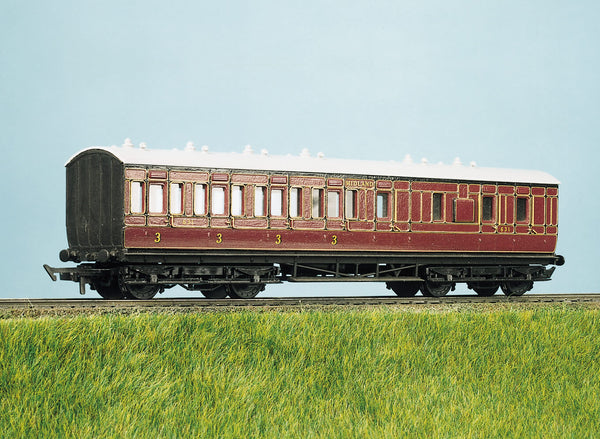
LMS Clerestory Coach Kit
Built between 1898 and 1902 by the Midland Railway, these elegant non-corridor coaches were built for use on express routes. Glue, paint and transfers are required to complete this model.
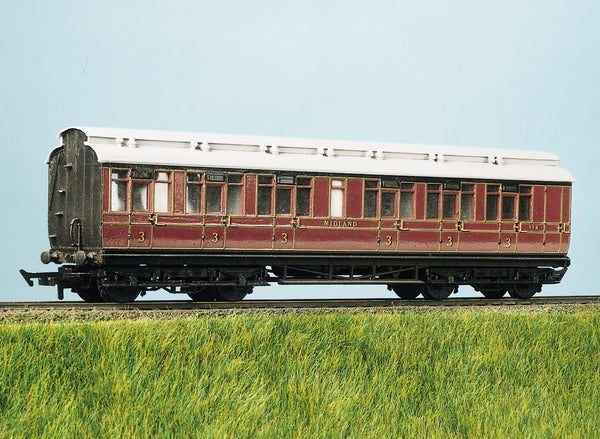
LMS Clerestory Composite Coach Kit
Built between 1898 and 1902 by the Midland Railway, these elegant non-corridor coaches were built for use on express routes. Glue, paint and transfers are required to complete this model.
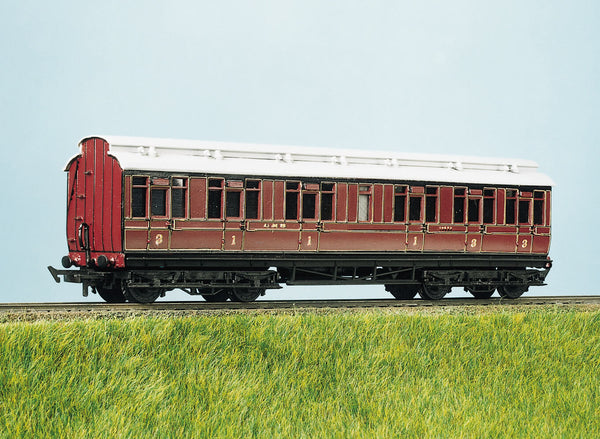
LMS Clerestory Brake Coach Kit
Built between 1898 and 1902 by the Midland Railway, these elegant non-corridor coaches were built for use on express routes. Glue, paint and transfers are required to complete this model.
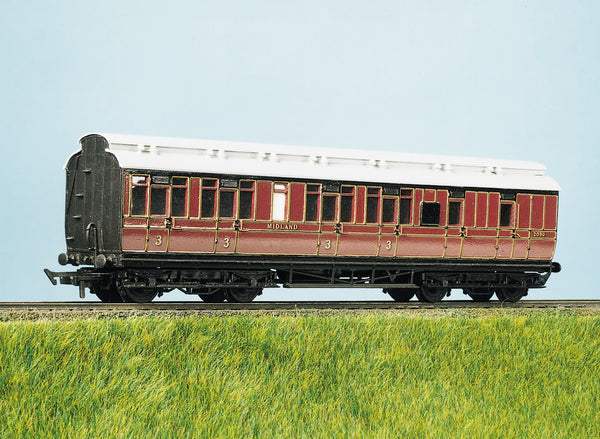
LMS 50ft Arc Roof Corridor Brake Coach Kit
A total of 650 coaches of this type were built at Wolverton between 1891 and 1903 by the London and North Western Railway for main line service and many of them were transferred into the LMS after the 1923 Grouping. Glue, paint and transfers are required to complete this model.
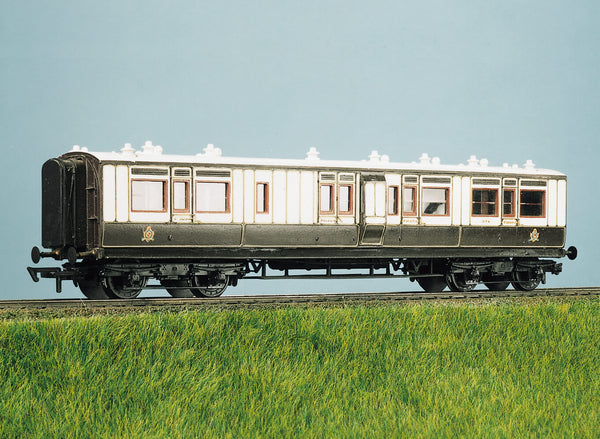
LMS 50ft Arc Roof Corridor Coach Kit
A total of 650 coaches of this type were built at Wolverton between 1891 and 1903 by the London and North Western Railway for main line service and many of them were transferred into the LMS after the 1923 Grouping. Glue, paint and transfers are required to complete this model.
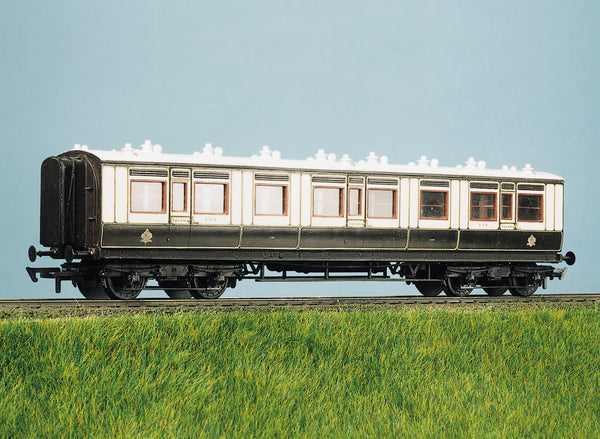
LMS 50ft Arc Roof Corridor Composite Coach Kit
A total of 650 coaches of this type were built at Wolverton between 1891 and 1903 by the London and North Western Railway for main line service and many of them were transferred into the LMS after the 1923 Grouping. Glue, paint and transfers are required to complete this model.
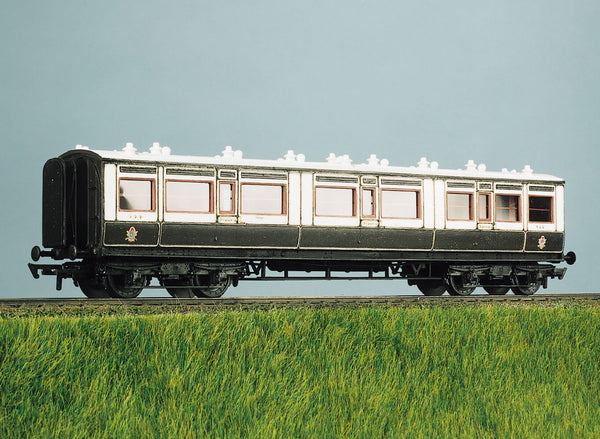
LMS 50ft Arc Roof Corridor Brake Composite Coach Kit
A total of 650 coaches of this type were built at Wolverton between 1891 and 1903 by the London and North Western Railway for main line service and many of them were transferred into the LMS after the 1923 Grouping. Glue, paint and transfers are required to complete this model.
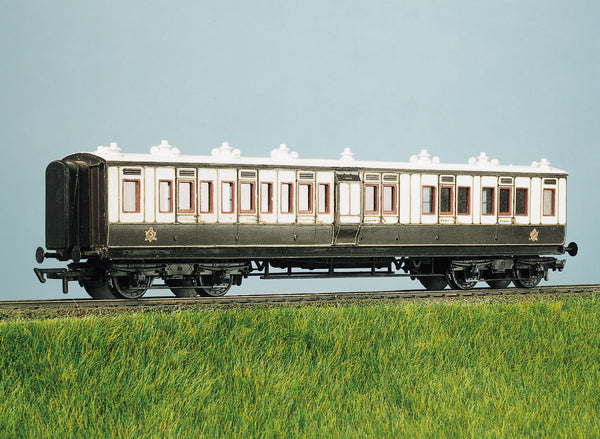
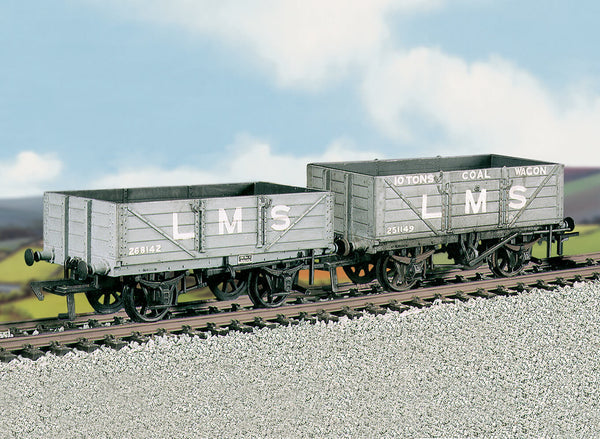
LMS Traffic Coal and 4 Plank Wagons Kit
Set of 2 wagons. Originally LNWR wagons, they were in common use for carrying coal and general merchandise. The kit includes metal wheels, transfers and brass buffers heads, and requires glue and paint to complete.
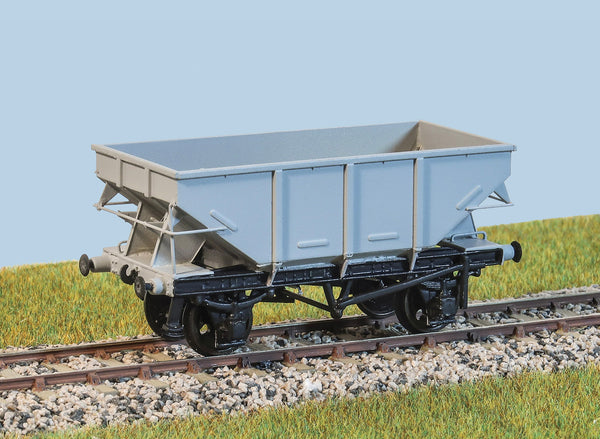
British Railways 13 Ton Steel Body Hopper (LNER)
Over 2,600 of these wagons were built for use on British Railways, between 1949 and 1953. They became synonymous with the North East Region, where coal drop staithes were commonly provided in the station goods yard, so a bottom-discharge hopper was the obvious type to use. Although intended for transporting coal, in later life they became more nomadic around the UK and were used for carrying other materials such as stone and sand. The last examples lingered in service until the early 1980s.
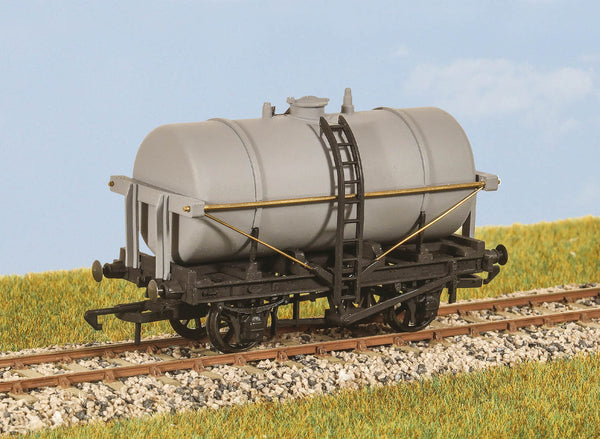
Parkside OO - 4-Wheel Milk Tank Wagon Kit
These kits have been transferred over to Parkside from the PECO "Wonderful Wagons" range, a long-standing favourite kit of modellers for many years. Back then these kits were pre-coloured and decorated, but we have overhauled the kits, added an NEM pocket (so modellers can easily fit a coupler of their choice - although the kit is supplied with a set of tension-lock couplers) and now supply the kits with either a set of milk company decals (PC91) or oil company decals (PC92). The decals provide a whole lot more detail than previously applied to the original pre-decorated kits.
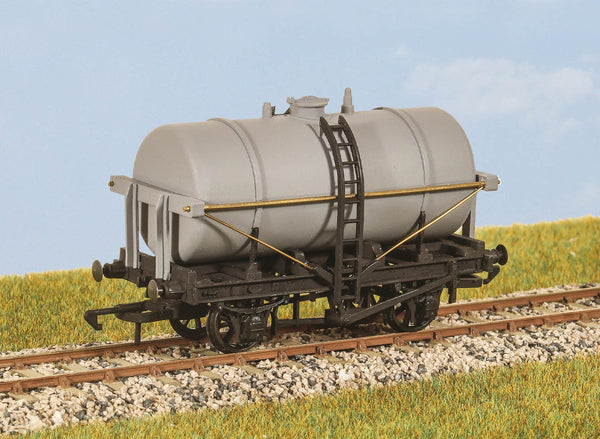
Parkside OO - 4-Wheel Oil Tank Wagon Kit
These kits have been transferred over to Parkside from the PECO "Wonderful Wagons" range, a long-standing favourite kit of modellers for many years. Back then these kits were pre-coloured and decorated, but we have overhauled the kits, added an NEM pocket (so modellers can easily fit a coupler of their choice - although the kit is supplied with a set of tension-lock couplers) and now supply the kits with either a set of milk company decals (PC91) or oil company decals (PC92). The decals provide a whole lot more detail than previously applied to the original pre-decorated kits.
British Railways Bulk Grain Wagon Kit (LNER)
Around 100 of these vans were built by the LNER between 1921 and 1936 for the transportation of grain, initially from the Port of Hull. In time their use became more widespread, often finding work transporting barley from Lincolnshire to the maltings in Scotland. The remaining wagons were retired in the mid-1970s.
Our new kit really is all-new. Brand new tooling producing some very fine plastic mouldings. In addition to that the kit includes brass bearings, fine scale metal wheels and NEM pockets for the tension lock couplers included. A set of waterslide decals for both the LNER and BR periods are included. Assembly is really straight forward aided by the clear and helpful instructions. The resulting model is one that would make a fine addition to any layout, and from a retailer's point of view there is the added attraction of being able to sell multiple kits given that modellers would likely require a rake of these wagons!