


BROWSE PECO PRODUCTS
Browse through our complete product portfolio.
285 Products Found
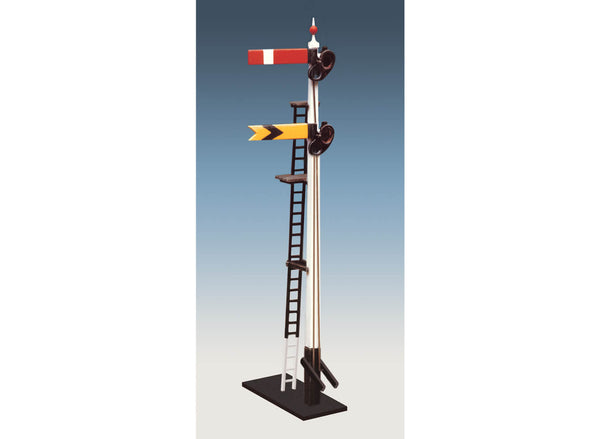
GWR Home and Distant Signal
Part of the Ratio 'Quick Assembly' family of signals. These allow you to make home and distant signals quickly and easily. They include signal operating wire and lever. This kit enables you to replicate a GWR Home and Distant Signal. Kit includes pre-coloured signal arms, glue and paints required to complete model.
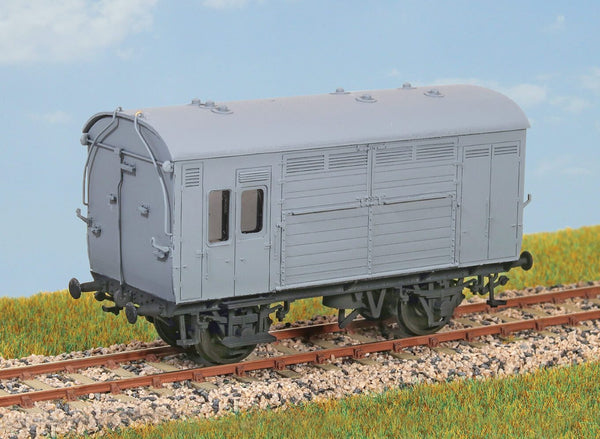
GWR Horse Box Wagon
Diagram N13. 300 of these were built in the 1920s with many lasting into the 1950s and 60s. Seen throughout Britain carrying horses to racecourses and stables, invariably marshalled in passenger or parcel trains. These finely moulded plastic wagon kits come complete with pin point axle wheels and bearings. Glue and paint will be required, along with appropriate transfers. Additional parts to enable the vehicle to be modelled incorporating modifications made to the prototypes during their working life are included where appropriate.
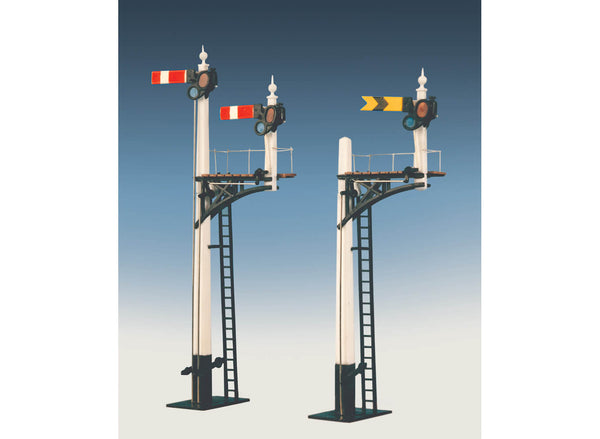
GWR Junction/Bracket Signal
Part of the Ratio 'Quick Assembly' family of signals. These allow you to make home and distant signals quickly and easily. They include signal operating wire and lever. This kit enables you to replicate a GWR Junction/Bracket signal, either as a Home, Distant or combined Home and Distant signal. Glue and paints required to complete model.
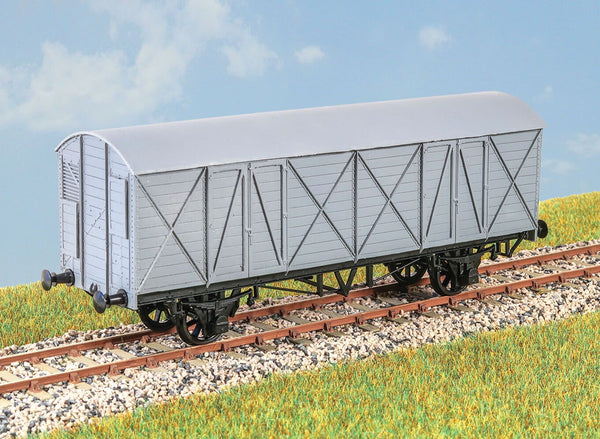
GWR Mink Goods Van
Introduced in 1906, these vans (diagram V11) were used for general goods traffic until during the Second World War. Being fitted with the vacuum brake, they were frequently found on GWR express goods trains. These finely moulded plastic wagon kits come complete with pin point axle wheels and bearings. Glue and paint will be required, along with appropriate transfers. Additional parts to enable the vehicle to be modelled incorporating modifications made to the prototypes during their working life are included where appropriate.
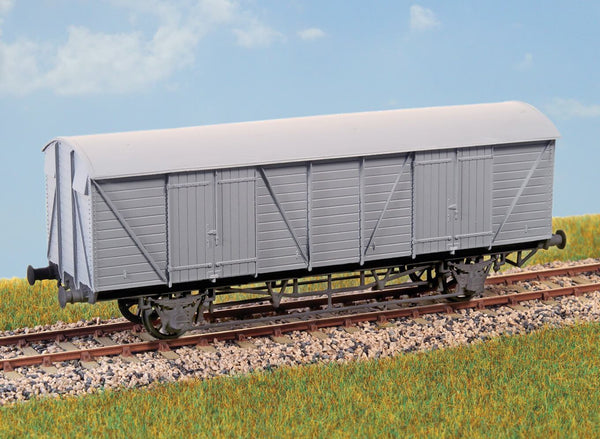
GWR Mink Goods Van
(Diagram V22) Introduced in 1931 to carry express goods traffic between the main stations on the GWR system. One hundred were built and lasted in service until the 1960s.These finely moulded plastic wagon kits come complete with pin point axle wheels and bearings. Glue and paint will be required, along with appropriate transfers. Additional parts to enable the vehicle to be modelled incorporating modifications made to the prototypes during their working life are included where appropriate.
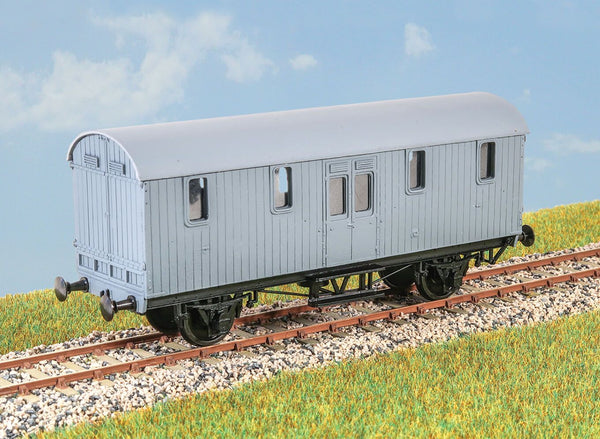
GWR Python Covered Carriage Coach Van
Introduced in 1914, these vehicles carried parcels and motor vehicles until the early days of BR. These finely moulded plastic wagon kits come complete with pin point axle wheels and bearings. Glue and paint will be required, along with appropriate transfers. Additional parts to enable the vehicle to be modelled incorporating modifications made to the prototypes during their working life are included where appropriate.
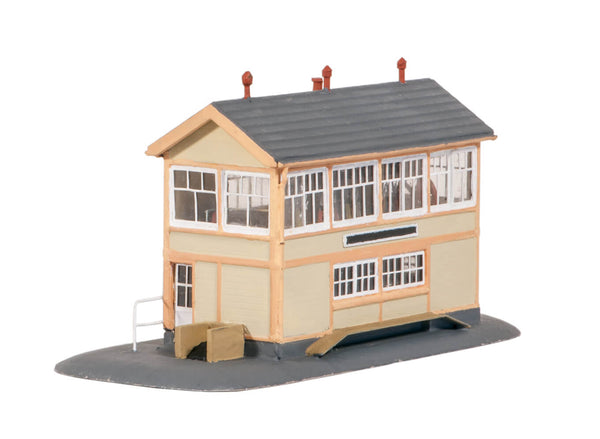
GWR Signal Box
Although modelled on the signal box at Highley, Severn Valley Railway, this box was designed by the private signalling firm Mackenzie and Holland, making it suitable for many areas of the country. The Ratio Signal Box Interior kit 553 will provide a wealth of interior detail. Supplied with pre-coloured parts although painting and/or weathering can add realism; glue is required to complete this model. Footprint 92mm x 51mm inc. steps.


GWR Station Train Shed
This superb kit is modelled on the overall roof at Ashburton, Devon. Designed for use with Station Building kit (Ref 204), it will enable you to build a GWR station quickly and easily. Although a specific prototype, the design is typical of many other regions including some tropical countries where it was intended to shelter passengers from the sun as well as rain. Supplied with some pre-coloured parts although painting and/or weathering can add realism; glue is required to complete this model. Footprint: 153mm x 82mm

GWR Wooden Signal Box
Standard GWR Signal Box, numbered 8/28b by the Signalling Record Society, installed from the 1920's up until WW2. Our kit includes interior details such as levers, stove , desk and brass etched window frames. Supplied with some pre-coloured parts, painting and/or weathering can add realism; glue is required to complete this model. Footprint 60mm x 25mm
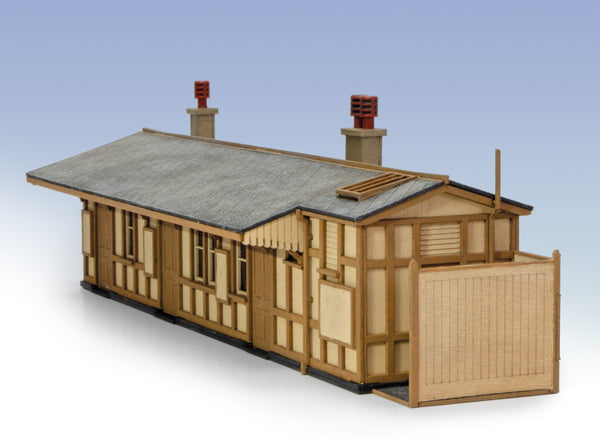
GWR Wooden Station Building (Monkton Combe)
Monkton Combe, once an intermediate station on the long-closed Camerton branch near Bath, was thrust into the limelight in 1952 when it was chosen to be the location for the filming of the famous Ealing Comedy "The TitfieldThunderbolt". 
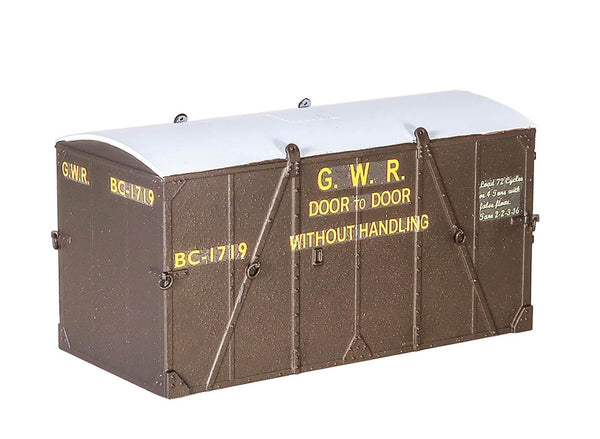
GWR/BR ‘B’ Container
Period Transfers included. A Conflat, road vehicle load, or as a scenic accessory for the Goods Yard.
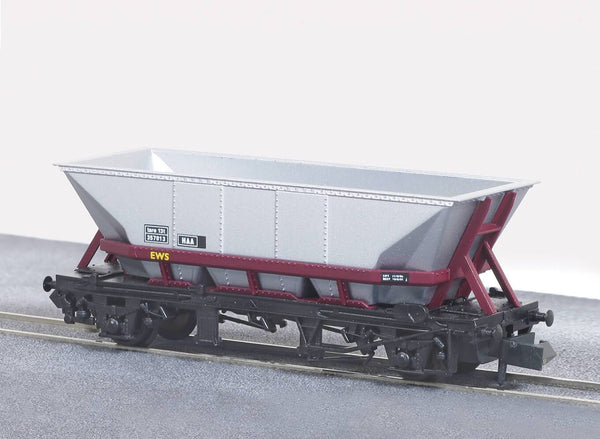
HAA - EWS Coal Hopper Wagon, Maroon
In August 2023 DB Cargo retired the last of the former BR/ECC china clay CDA hoppers after a service life of 35 years. These unique and distinctive wagons will be missed by enthusiasts but thanks to PECO, modellers can keep their legacy going in model form!
Note that the CDA wagons are now fitted with metal-tyred wheels as standard.
The CDA China Clay hopper, and the HAA Coal Hopper, are closely related, sharing the same design and operational principles, with bottom hopper doors opened to empty the contents, in the case of china clay, for loading into ships at Carne Point, near Fowey in Cornwall. As china clay must be kept dry special rolling tarpaulin covers protected the load, as featured on our models.
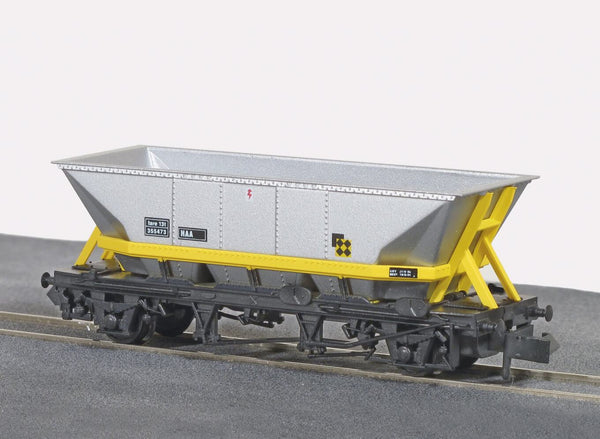
HAA BR Trainload Coal-Sector - Yellow Cradle
In August 2023 DB Cargo retired the last of the former BR/ECC china clay CDA hoppers after a service life of 35 years. These unique and distinctive wagons will be missed by enthusiasts but thanks to PECO, modellers can keep their legacy going in model form!
Note that the CDA wagons are now fitted with metal-tyred wheels as standard.
The CDA China Clay hopper, and the HAA Coal Hopper, are closely related, sharing the same design and operational principles, with bottom hopper doors opened to empty the contents, in the case of china clay, for loading into ships at Carne Point, near Fowey in Cornwall. As china clay must be kept dry special rolling tarpaulin covers protected the load, as featured on our models.
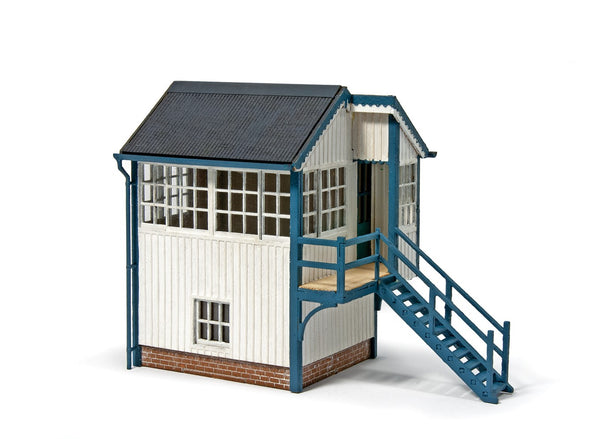
Highland Railway Signal Box
A accurately laser cut wood kit supplemented by injection moulded roof. Glue and paints required to complete model.
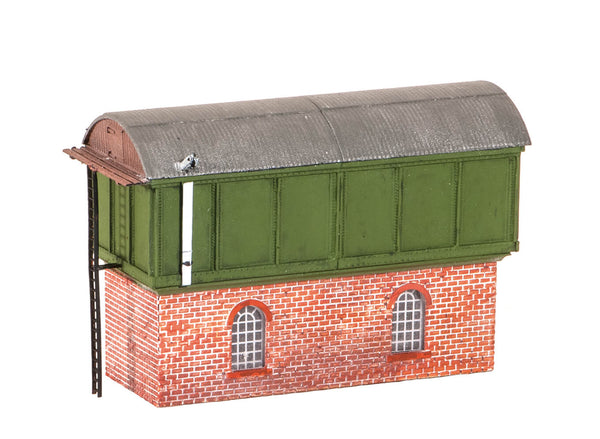
Large Water Tower
This 20,000 gallon design is equally at home replenishing water troughs (Ratio Water Troughs kit Ref 255), a large motive power depot or supplying several platform mounted water cranes (Ratio Water Crane and Fire Devil Ref 212). Supplied with pre-coloured parts although painting and/or weathering can add realism (See the Pecoscene Weathering Powder range PS-360 - 365); glue is required to complete this model. Footprint 72mm x 30mm
Large Water Tower
This 20,000 gallon design is equally at home replenishing water troughs, a large motive power depot or supplying several platform mounted water cranes (See Ratio Water Crane and Fire Devil kit 413 and Peco LK-2 Water Cranes). Supplied with pre-coloured parts although painting and/or weathering can add realism (See the Pecoscene Weathering Powder range PS-360 - 365); glue is required to complete this model. Footprint 122mm x 49mm
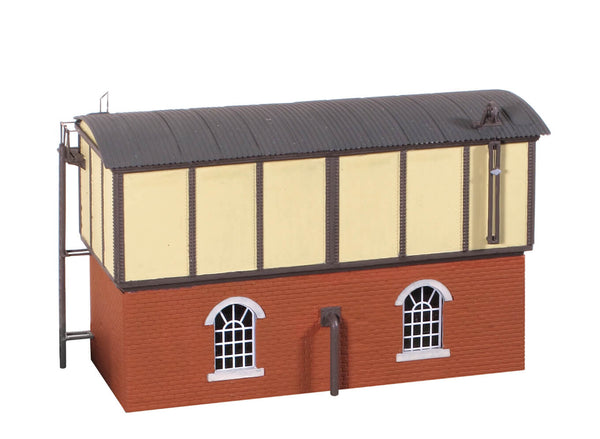
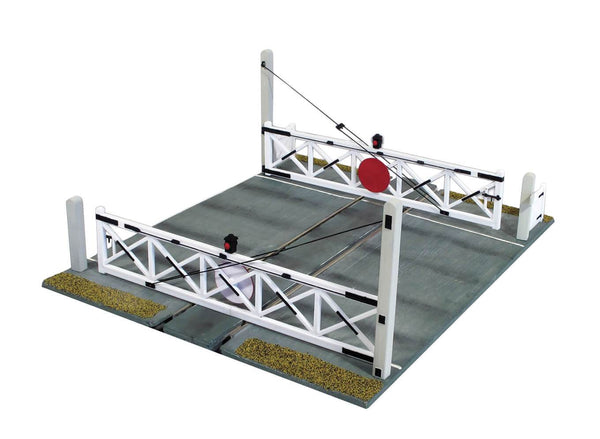
Lineside Barrels - Large (x2)
A great new range of ready-painted lineside accessories. These models are cast in an acrylic polymer plaster mix - a perfect material with which to create some very convincing detail, and they are then painted and distressed for authenticity.
Designed and produced in Edinburgh for PECO by Jim Burns. The result is a very convincing and realistic looking model that will fit in most areas of a layout.

Lineside Barrels - Medium (x2)
A great new range of ready-painted lineside accessories. These models are cast in an acrylic polymer plaster mix - a perfect material with which to create some very convincing detail, and they are then painted and distressed for authenticity.
Designed and produced in Edinburgh for PECO by Jim Burns. The result is a very convincing and realistic looking model that will fit in most areas of a layout.

Lineside Barrels - Small (x2)
A great new range of ready-painted lineside accessories. These models are cast in an acrylic polymer plaster mix - a perfect material with which to create some very convincing detail, and they are then painted and distressed for authenticity.
Designed and produced in Edinburgh for PECO by Jim Burns. The result is a very convincing and realistic looking model that will fit in most areas of a layout.

Lineside Barrels On Side (x3)
A great new range of ready-painted lineside accessories. These models are cast in an acrylic polymer plaster mix - a perfect material with which to create some very convincing detail, and they are then painted and distressed for authenticity.
Designed and produced in Edinburgh for PECO by Jim Burns. The result is a very convincing and realistic looking model that will fit in most areas of a layout.
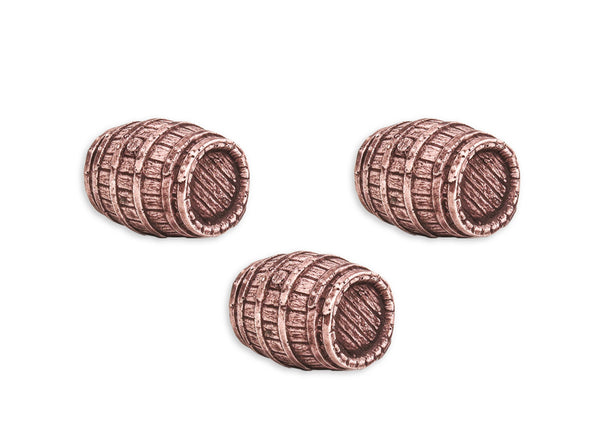
Lineside Half Barrels (x3)
A great new range of ready-painted lineside accessories. These models are cast in an acrylic polymer plaster mix - a perfect material with which to create some very convincing detail, and they are then painted and distressed for authenticity.
Designed and produced in Edinburgh for PECO by Jim Burns. The result is a very convincing and realistic looking model that will fit in most areas of a layout.
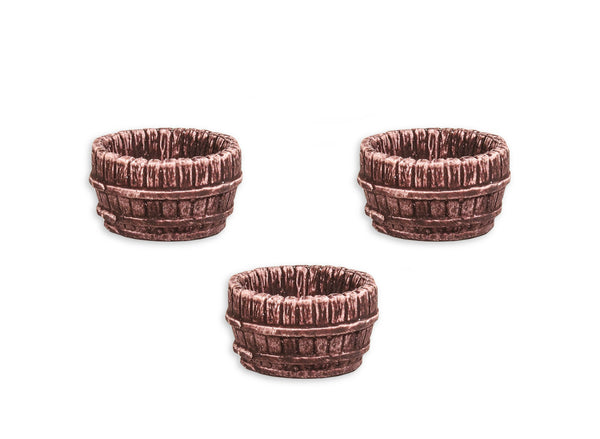
Lineside Hay Bales
A great new range of ready-painted lineside accessories. These models are cast in an acrylic polymer plaster mix - a perfect material with which to create some very convincing detail, and they are then painted and distressed for authenticity.
Designed and produced in Edinburgh for PECO by Jim Burns. The result is a very convincing and realistic looking model that will fit in most areas of a layout.

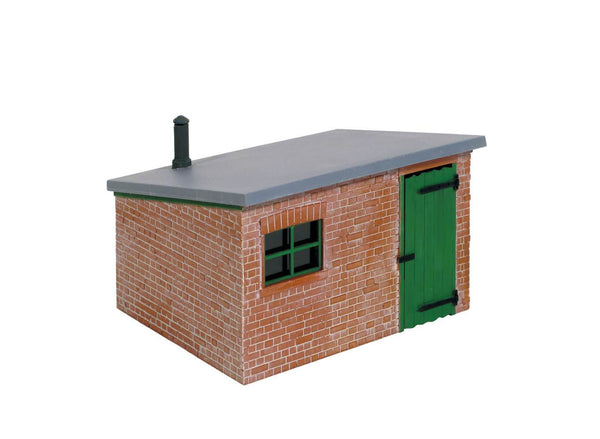
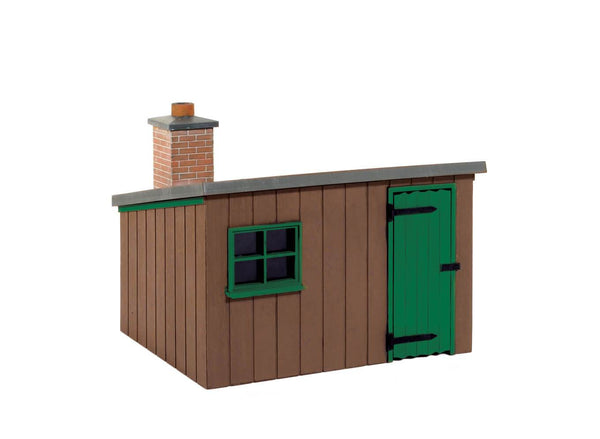
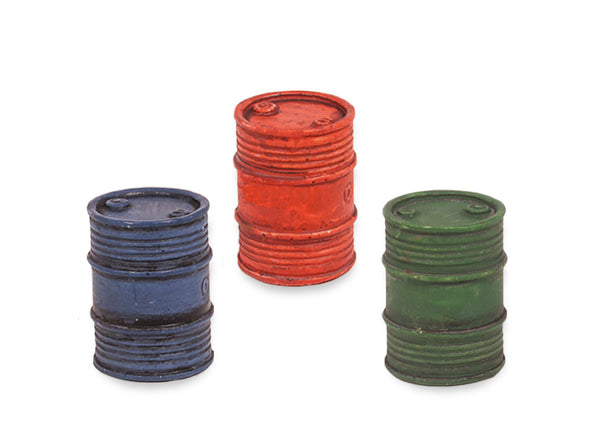
Lineside Oil Drums (x3)
A great new range of ready-painted lineside accessories. These models are cast in an acrylic polymer plaster mix - a perfect material with which to create some very convincing detail, and they are then painted and distressed for authenticity.
Designed and produced in Edinburgh for PECO by Jim Burns. The result is a very convincing and realistic looking model that will fit in most areas of a layout.
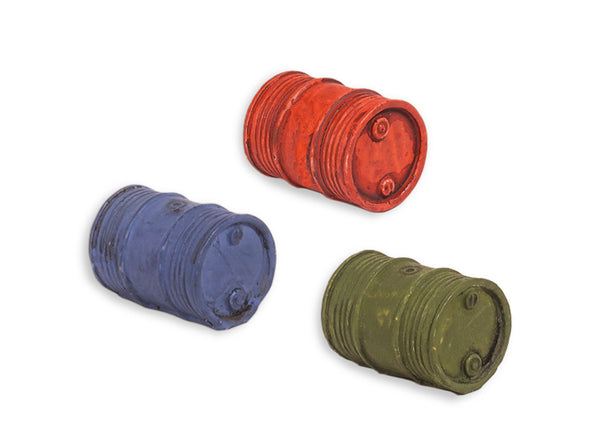
Lineside Oil Drums On Side (x3)
A great new range of ready-painted lineside accessories. These models are cast in an acrylic polymer plaster mix - a perfect material with which to create some very convincing detail, and they are then painted and distressed for authenticity.
Designed and produced in Edinburgh for PECO by Jim Burns. The result is a very convincing and realistic looking model that will fit in most areas of a layout.
Lineside Pile Of Tyres
A great new range of ready-painted lineside accessories. These models are cast in an acrylic polymer plaster mix - a perfect material with which to create some very convincing detail, and they are then painted and distressed for authenticity.
Designed and produced in Edinburgh for PECO by Jim Burns. The result is a very convincing and realistic looking model that will fit in most areas of a layout.

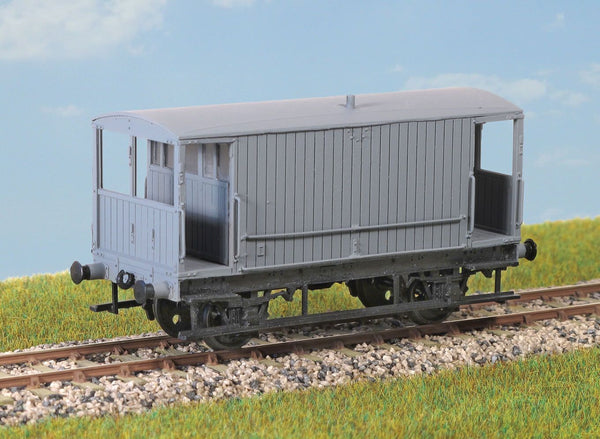
LMS 20ton Goods Brake Van
849 of these vans (diagram 1659) were built between 1924 and 1927. In general traffic they survived into the 1960s, while those in Engineer’s fleet lasted into the 1980s. These finely moulded plastic wagon kits come complete with pin point axle wheels and bearings. Glue and paint will be required, along with appropriate transfers. Additional parts to enable the vehicle to be modelled incorporating modifications made to the prototypes during their working life are included where appropriate.
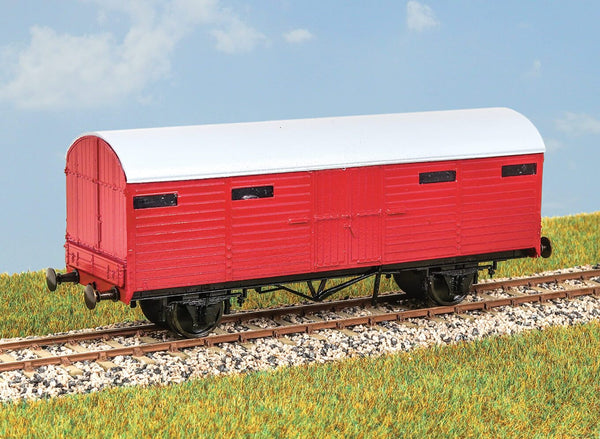
LMS 4 Wheel CCT Van
Built in 1935- 1937, 125 of these useful vans (diagram 1929) carried parcels, mail and motor vehicles in passenger and parcels trains until the early 1970s. These finely moulded plastic wagon kits come complete with pin point axle wheels and bearings. Glue and paint will be required, along with appropriate transfers. Additional parts to enable the vehicle to be modelled incorporating modifications made to the prototypes during their working life are included where appropriate.
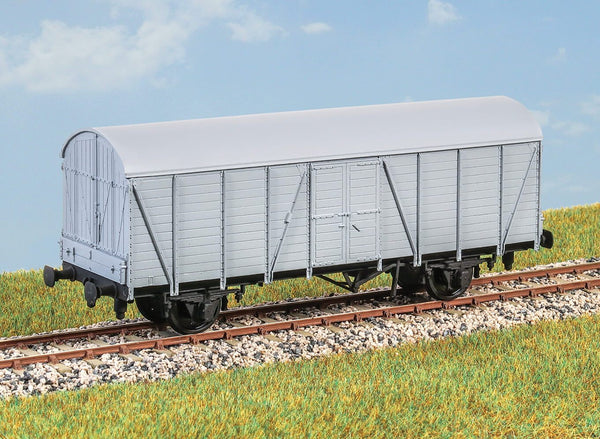
LMS 4 Wheel Motor Car Van
150 of these vans (diagram 2026) were built in 1938, with a further 75 by BR in 1952-1957. Classed as motor car vans, they were also used for parcels and mail.
These finely moulded plastic wagon kits come complete with pin point axle wheels and bearings. Glue and paint will be required, along with appropriate transfers. Additional parts to enable the vehicle to be modelled incorporating modifications made to the prototypes during their working life are included where appropriate.
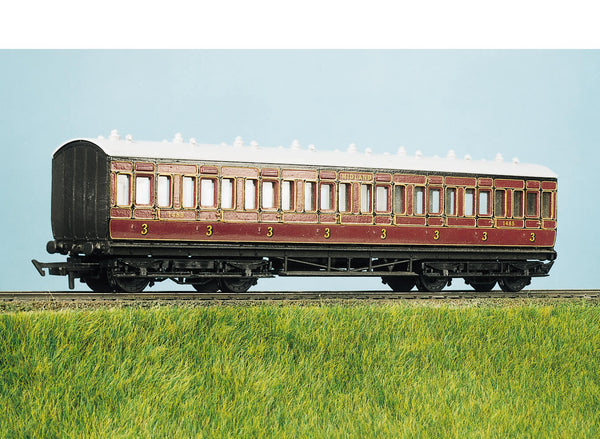
LMS 48 feet Suburban Coach Kit
These non-corridor coaches were built between 1903 and 1910 by the Midland Railway. They were used as close coupled sets for suburban services in the Manchester and Birmingham areas, remaining in service until the early 1950's. Glue, paint and transfers are required to complete this model.
LMS 48 feet Suburban Coach Kit
These non-corridor coaches were built between 1903 and 1910 by the Midland Railway. They were used as close coupled sets for suburban services in the Manchester and Birmingham areas, remaining in service until the early 1950's. Glue, paint and transfers are required to complete this model.
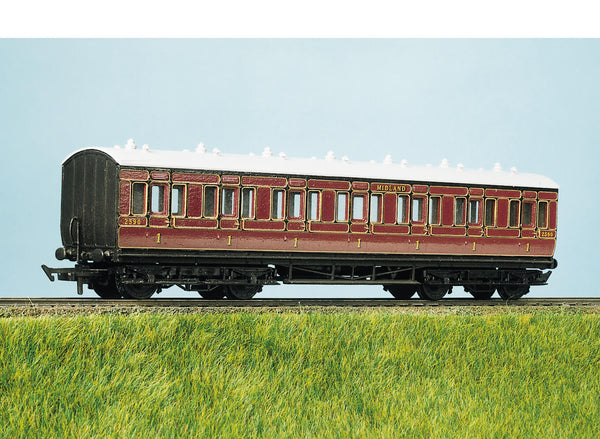
LMS 48 feet Suburban Coach Kit
These non-corridor coaches were built between 1903 and 1910 by the Midland Railway. They were used as close coupled sets for suburban services in the Manchester and Birmingham areas, remaining in service until the early 1950's. Glue, paint and transfers are required to complete this model.
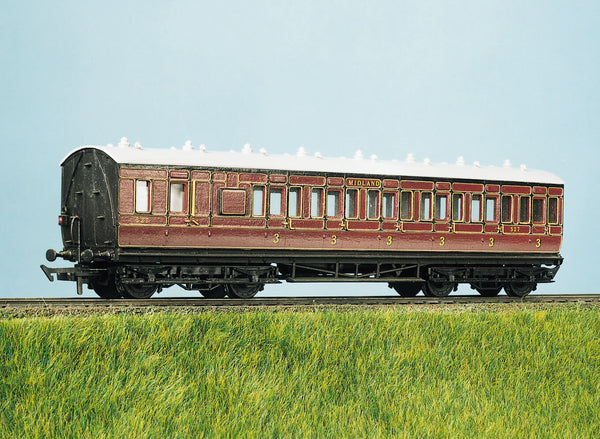
LMS 48 feet Suburban Coach Kit
These non-corridor coaches were built between 1903 and 1910 by the Midland Railway. They were used as close coupled sets for suburban services in the Manchester and Birmingham areas, remaining in service until the early 1950's. Glue, paint and transfers are required to complete this model.
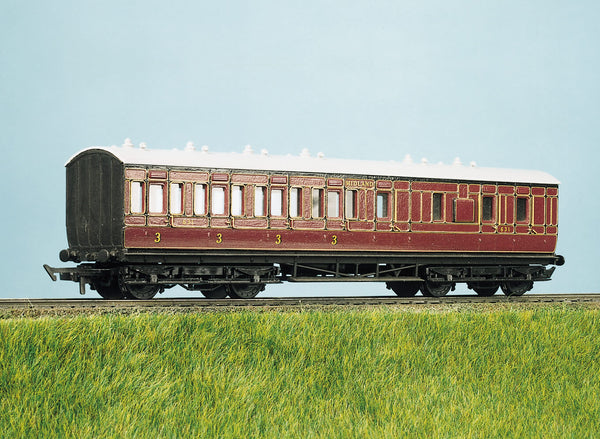
LMS 50ft Arc Roof Corridor Brake Coach Kit
A total of 650 coaches of this type were built at Wolverton between 1891 and 1903 by the London and North Western Railway for main line service and many of them were transferred into the LMS after the 1923 Grouping. Glue, paint and transfers are required to complete this model.
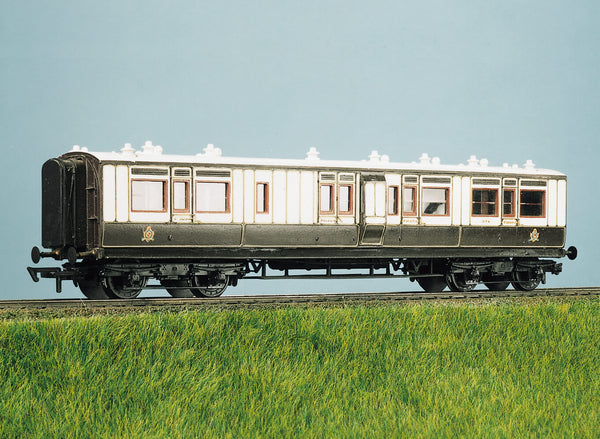
LMS 50ft Arc Roof Corridor Brake Composite Coach Kit
A total of 650 coaches of this type were built at Wolverton between 1891 and 1903 by the London and North Western Railway for main line service and many of them were transferred into the LMS after the 1923 Grouping. Glue, paint and transfers are required to complete this model.
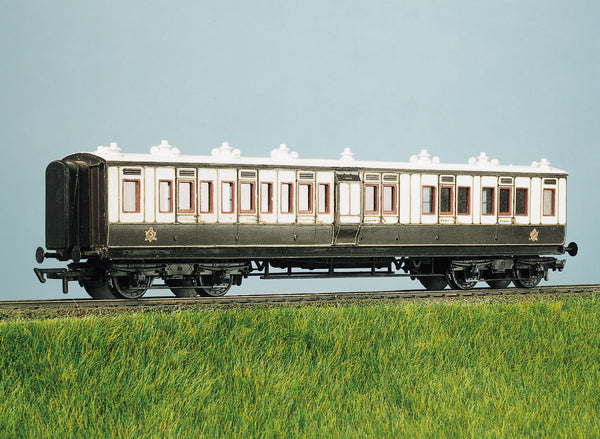
LMS 50ft Arc Roof Corridor Coach Kit
A total of 650 coaches of this type were built at Wolverton between 1891 and 1903 by the London and North Western Railway for main line service and many of them were transferred into the LMS after the 1923 Grouping. Glue, paint and transfers are required to complete this model.
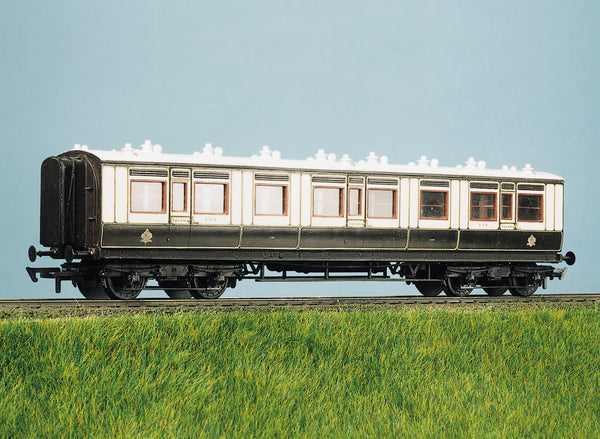
LMS 50ft Arc Roof Corridor Composite Coach Kit
A total of 650 coaches of this type were built at Wolverton between 1891 and 1903 by the London and North Western Railway for main line service and many of them were transferred into the LMS after the 1923 Grouping. Glue, paint and transfers are required to complete this model.
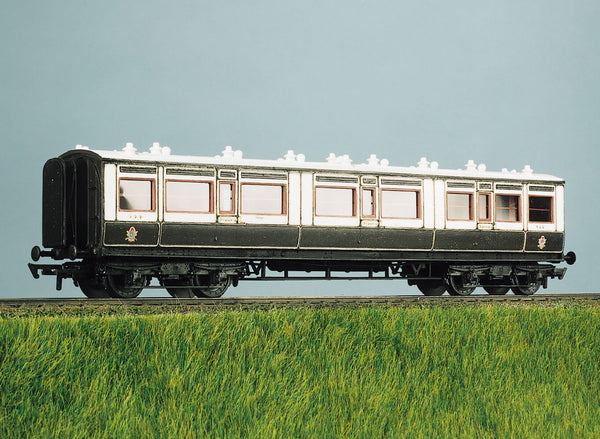
LMS Clerestory Brake Coach Kit
Built between 1898 and 1902 by the Midland Railway, these elegant non-corridor coaches were built for use on express routes. Glue, paint and transfers are required to complete this model.
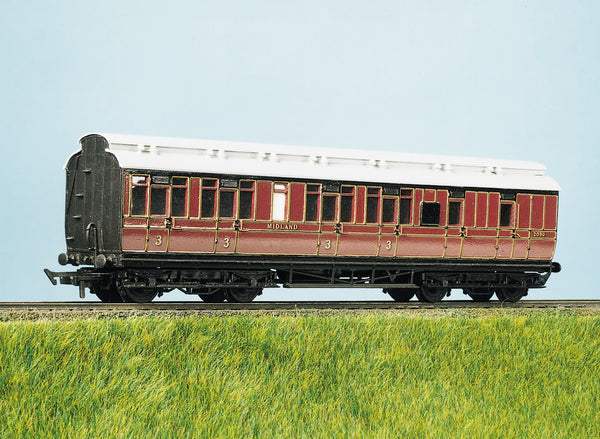
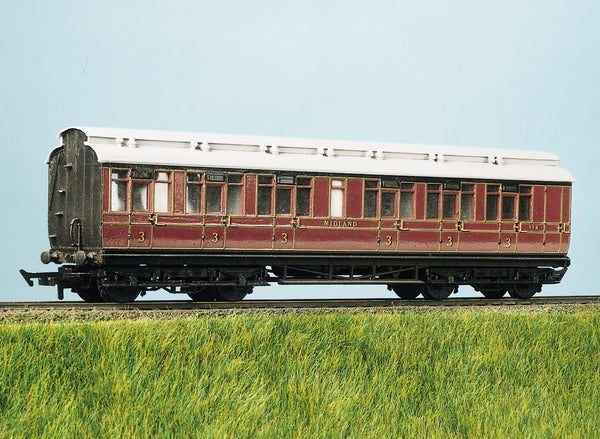
LMS Clerestory Coach Kit
Built between 1898 and 1902 by the Midland Railway, these elegant non-corridor coaches were built for use on express routes. Glue, paint and transfers are required to complete this model.
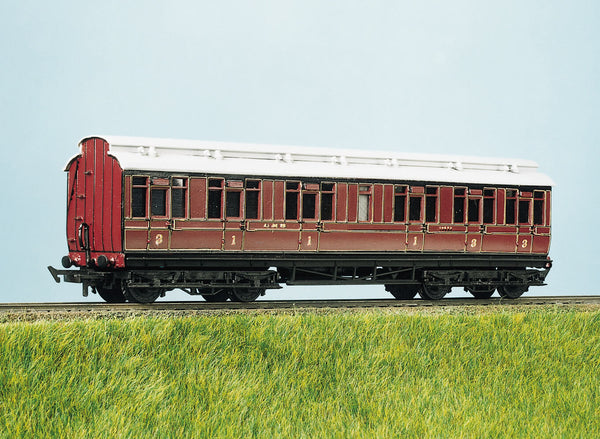
LMS Clerestory Composite Coach Kit
Built between 1898 and 1902 by the Midland Railway, these elegant non-corridor coaches were built for use on express routes. Glue, paint and transfers are required to complete this model.
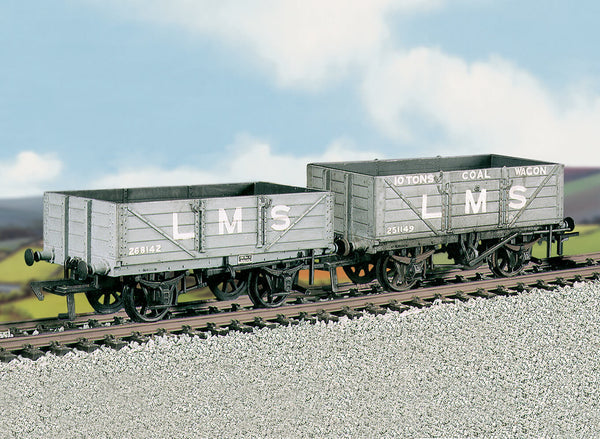
LMS Traffic Coal and 4 Plank Wagons Kit
Set of 2 wagons. Originally LNWR wagons, they were in common use for carrying coal and general merchandise. The kit includes metal wheels, transfers and brass buffers heads, and requires glue and paint to complete.
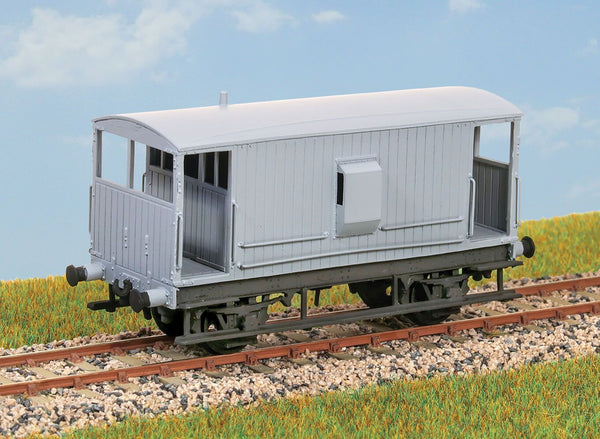
LMS/BR 20ton Brake Van
950 of these brake vans (diagram 1657) were built in 1927-1931. They lasted in general traffic until the mid 1960s. Some survivors in the Engineer’s fleet lasted into the 1980s.
These finely moulded plastic wagon kits come complete with pin point axle wheels and bearings. Glue and paint will be required, along with appropriate transfers. Additional parts to enable the vehicle to be modelled incorporating modifications made to the prototypes during their working life are included where appropriate.
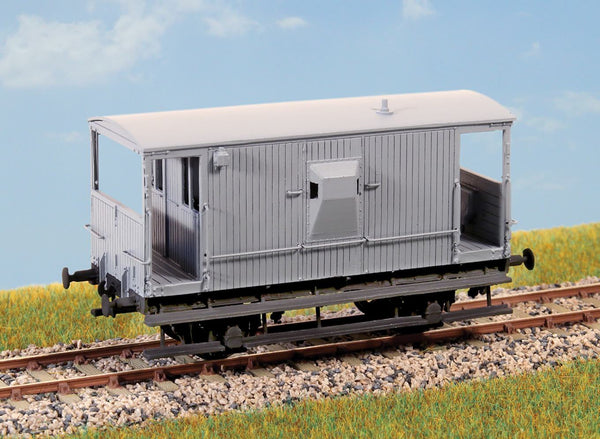
LNER 20ton Brake Van Toad E
900 of these vans were built between 1930 and 1936. Seen all over the former LNER system, they lasted in service into the mid 1960s. These finely moulded plastic wagon kits come complete with pin point axle wheels and bearings. Glue and paint will be required, along with appropriate transfers. Additional parts to enable the vehicle to be modelled incorporating modifications made to the prototypes during their working life are included where appropriate.
LNER Bogie Bolster Wagon
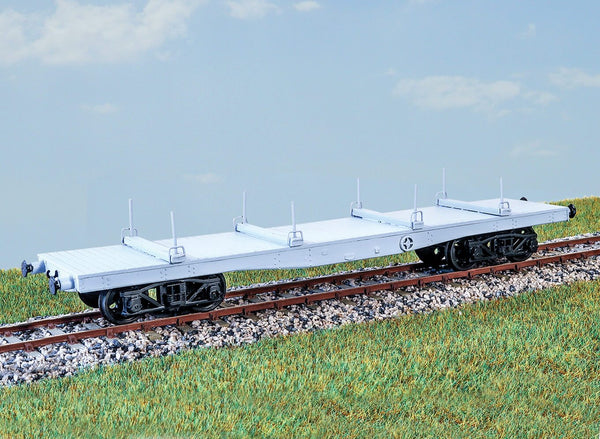
(Quad) In 1921 the NER bought a number of these wagons from the Government. They lasted until the mid 1950s. Several worked as flat wagons. These finely moulded plastic wagon kits come complete with pin point axle wheels and bearings. Glue and paint will be required, along with appropriate transfers. Additional parts to enable the vehicle to be modelled incorporating modifications made to the prototypes during their working life are included where appropriate.
LNER Bogie Brick Wagon
Built in 1930 (repeating a 1921 GNR design), these wagons (diagram 70) carried brick between Peterborough and London. Examples were in use until 1966. These finely moulded plastic wagon kits come complete with pin point axle wheels and bearings. Glue and paint will be required, along with appropriate transfers. Additional parts to enable the vehicle to be modelled incorporating modifications made to the prototypes during their working life are included where appropriate.