


BROWSE PECO PRODUCTS
Browse through our complete product portfolio.
2175 Products Found
GWR 12ton Motor Car Van
Similar to diagram G31, these wagons were built in 1946 and 1947, but with a plywood body. They lasted into the 1960s. Transfers for GWR and BR. These finely moulded plastic wagon kits come complete with pin point axle wheels and bearings, 3 link couplings and transfers. This kit is supplied with pre-coloured moulded parts although painting can improve the appearance. Additional parts to enable the vehicle to be modelled incorporating modifications made to the prototypes during their working life are included where appropriate.
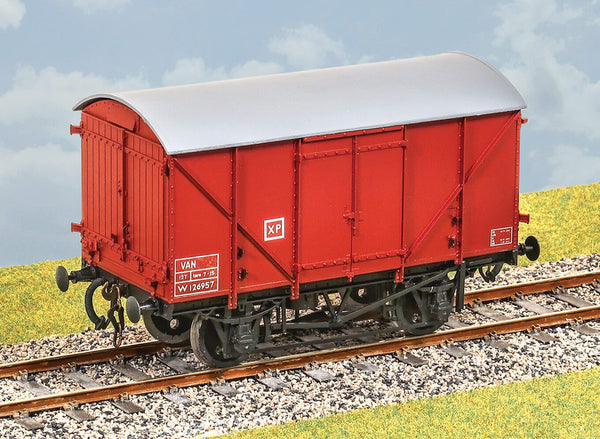
GWR 12ton Motor Car Van
350 of these were built between 1933 and 1936. Their telegraphic code was MOGO. The main traffic was from Morris Cowley, but might also have been used for general merchandise. All were withdrawn in the 1960s. Transfers for GWR and BR. These finely moulded plastic wagon kits come complete with pin point axle wheels and bearings, 3 link couplings and transfers. This kit is supplied with pre-coloured moulded parts although painting can improve the appearance. Additional parts to enable the vehicle to be modelled incorporating modifications made to the prototypes during their working life are included where appropriate.
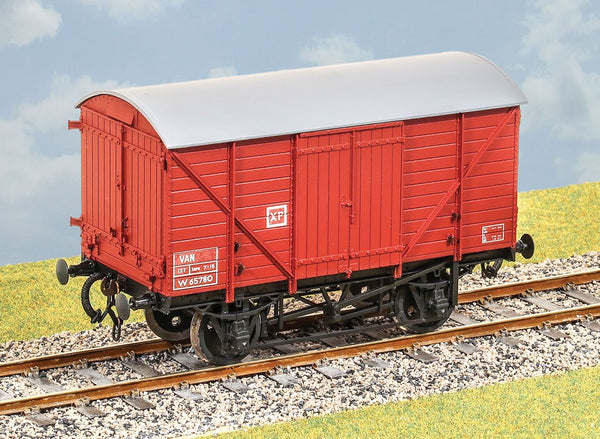
BR 16ton Mineral Wagon
The sloped sided design evolved from pre-1939 private owner wagons built by Chas. Roberts and Co. After the liberation of France 2,500 were shipped over there, 1,900 later returning. Around 10,000 were in stock with BR, with withdrawal taking place in the 1960s. Some ended up private industry use. Transfers for BR. These finely moulded plastic wagon kits come complete with pin point axle wheels and bearings, 3 link couplings and transfers. This kit is supplied with pre-coloured moulded parts although painting can improve the appearance. Additional parts to enable the vehicle to be modelled incorporating modifications made to the prototypes during their working life are included where appropriate.
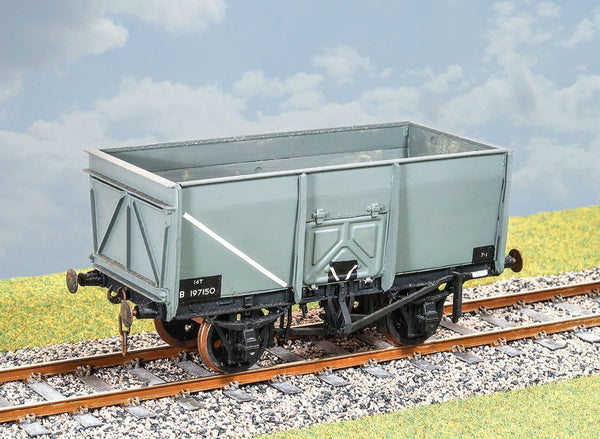
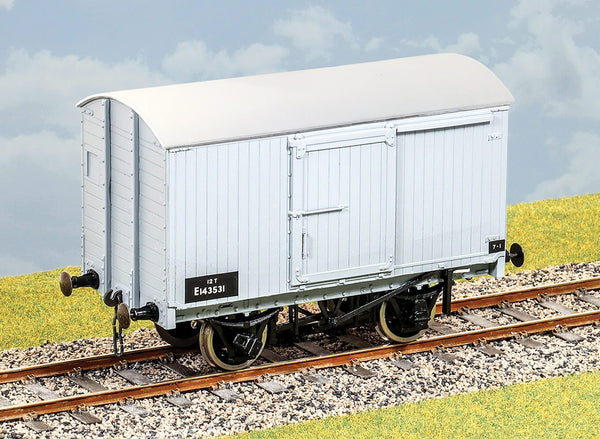
GWR 12ton Covered Goods Wagon
Dia. V24: hand brake only (1933 – 1943); V23: vacuum brakes (1933 - 1941); V26, known as ‘PARTO’ was as a V23 with internal partitions (1935 – 1939). Many lasted into the 1970s. Transfers for GWR and BR. These finely moulded plastic wagon kits come complete with pin point axle wheels and bearings, 3 link couplings and transfers. This kit is supplied with pre-coloured moulded parts although painting can improve the appearance. Additional parts to enable the vehicle to be modelled incorporating modifications made to the prototypes during their working life are included where appropriate.
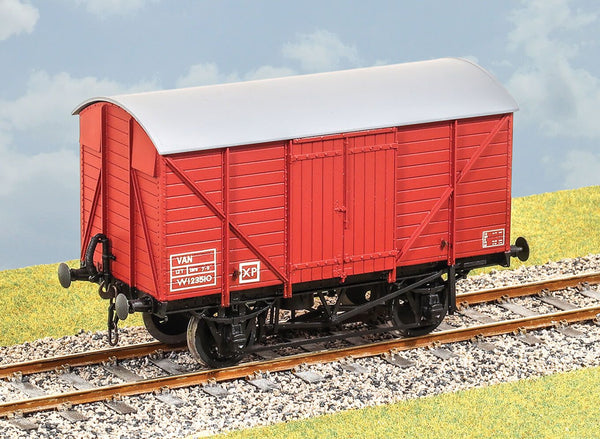
LNER 12ton Goods Van
This design was used during the LNER’s first decade. It had a wooden chassis (unusual by then). Most without vacuum brakes. Lasted into the early 1960’s. Transfers for LNER and BR 1950s. These finely moulded plastic wagon kits come complete with pin point axle wheels and bearings, 3 link couplings and transfers. This kit is supplied with pre-coloured moulded parts although painting can improve the appearance.. Additional parts to enable the vehicle to be modelled incorporating modifications made to the prototypes during their working life are included where appropriate.
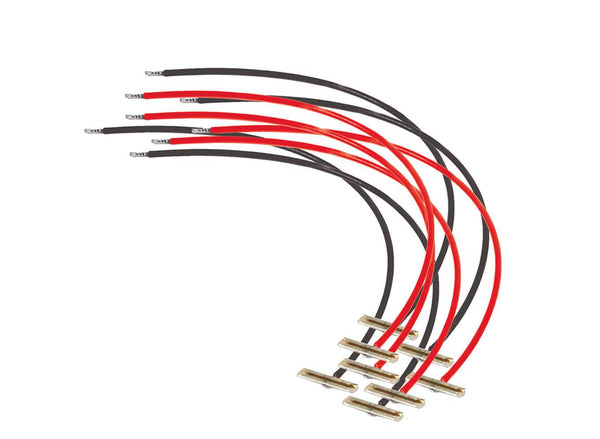
Power Feed Joiners (Pack of 8)
204mm track feed wires ready soldered to rail joiners. Quick and easy to use, avoids the risk of damage to sleepers from soldering irons. Easily extended using PL-39 Terminal Blocks and PL-38 Red and Black wire. 4 pairs per pack.
Power Feed Joiners (Pack of 8)
204mm track feed wires ready soldered to rail joiners. Quick and easy to use, avoids the risk of damage to sleepers from soldering irons. Easily extended using PL-39 Terminal Blocks and PL-38 Red and Black wire. 4 pairs per pack.

BR 16ton Mineral Wagon
About 8000 were built in 1944-1947, almost 2000 of which worked in France until repatriated in the early 1950s. Most survived until the mid 1960s, as BR diagram 1/100. These finely moulded plastic wagon kits come complete with pin point axle wheels and bearings. Glue and paint will be required, along with appropriate transfers. Additional parts to enable the vehicle to be modelled incorporating modifications made to the prototypes during their working life are included where appropriate.
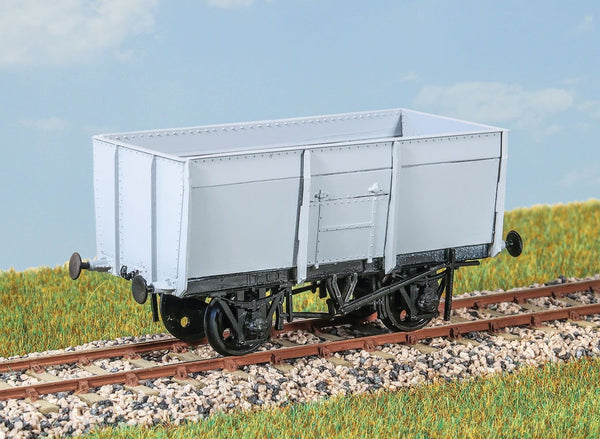
BR 16ton Mineral Wagon
(French type) Introduced in 1946, 7000 of these wagons were supplied to France and returned to BR in 1950-1952, where they lasted until the mid 1960s. These finely moulded plastic wagon kits come complete with pin point axle wheels and bearings. Glue and paint will be required, along with appropriate transfers. Additional parts to enable the vehicle to be modelled incorporating modifications made to the prototypes during their working life are included where appropriate.
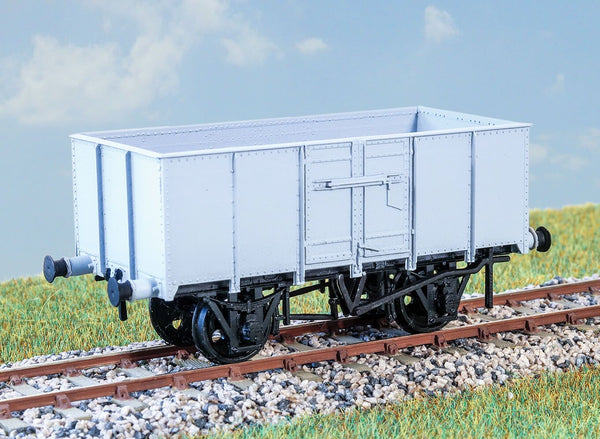
BR 16ton Mineral Wagon
16 ton Mineral Wagon, Non Vacuum Fitted (diagram 1/108) Over 206,000 of these all steel, welded body wagons equipped with hand brakes only were built in the 1950s. They lasted in large numbers until the late 1980s. These finely moulded plastic wagon kits come complete with pin point axle wheels and bearings. Glue and paint will be required, along with appropriate transfers. Additional parts to enable the vehicle to be modelled incorporating modifications made to the prototypes during their working life are included where appropriate.
Ferry Tube Wagon
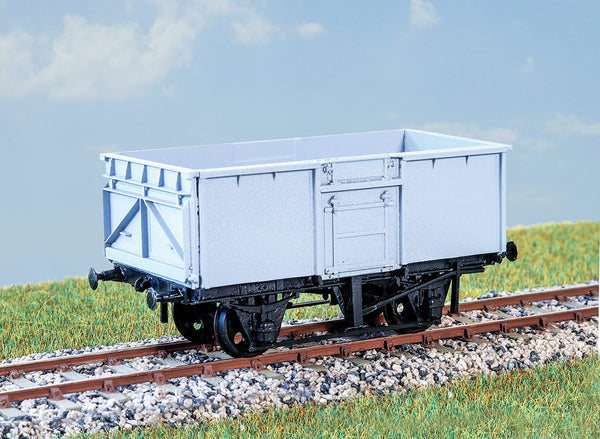
Railway companies all had a stock of their own vehicles for carrying goods and merchandise around their network, and also onto other companies' routes as and when required. These were integrated into British Railways at Nationalisation; some of them to be once more re liveried under sectorisation as the network was prepared to be returned to private ownership. All Peco wagons feature free running wheels in pin point axles. The ELC coupling, whilst compatible with the standard N gauge couplings, keeps a realistic distance between the vehicles and enables the PL-25 electro magnetic decoupler to be used for remote uncoupling.
Ferry Tube Wagon
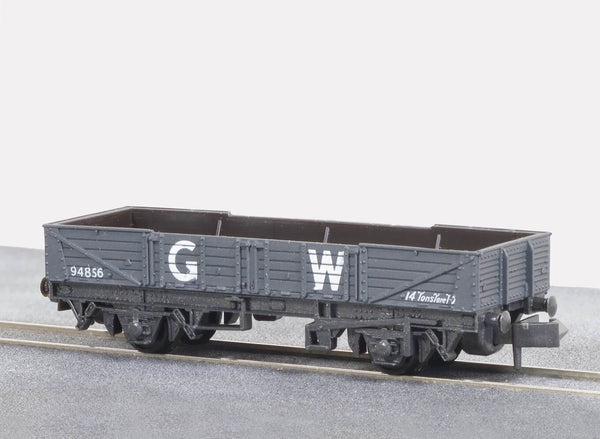
Railway companies all had a stock of their own vehicles for carrying goods and merchandise around their network, and also onto other companies' routes as and when required. These were integrated into British Railways at Nationalisation; some of them to be once more re liveried under sectorisation as the network was prepared to be returned to private ownership. All Peco wagons feature free running wheels in pin point axles. The ELC coupling, whilst compatible with the standard N gauge couplings, keeps a realistic distance between the vehicles and enables the PL-25 electro magnetic decoupler to be used for remote uncoupling.
Ferry Tube Wagon
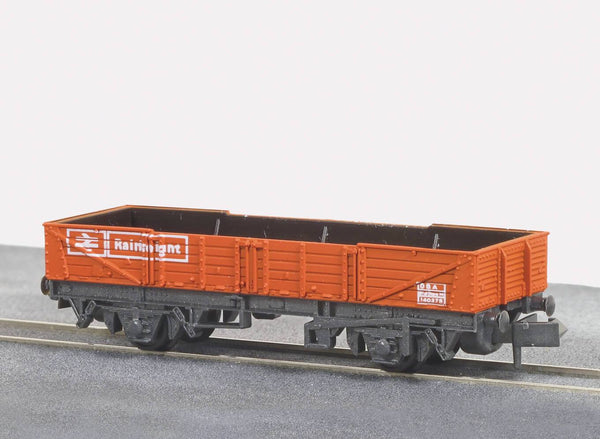
Railway companies all had a stock of their own vehicles for carrying goods and merchandise around their network, and also onto other companies' routes as and when required. These were integrated into British Railways at Nationalisation; some of them to be once more re liveried under sectorisation as the network was prepared to be returned to private ownership. All Peco wagons feature free running wheels in pin point axles. The ELC coupling, whilst compatible with the standard N gauge couplings, keeps a realistic distance between the vehicles and enables the PL-25 electro magnetic decoupler to be used for remote uncoupling.
Ferry Tube Wagon
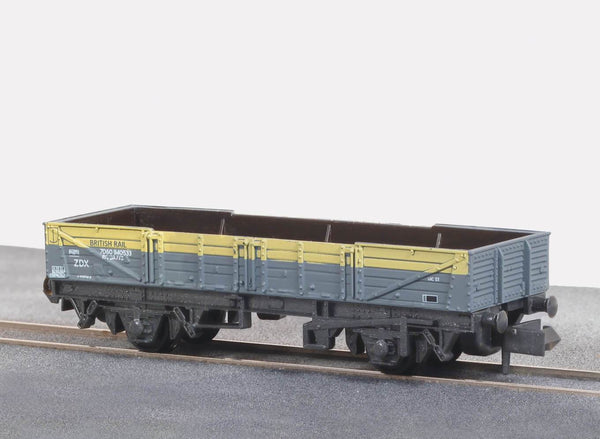
Railway companies all had a stock of their own vehicles for carrying goods and merchandise around their network, and also onto other companies' routes as and when required. These were integrated into British Railways at Nationalisation; some of them to be once more re liveried under sectorisation as the network was prepared to be returned to private ownership. All Peco wagons feature free running wheels in pin point axles. The ELC coupling, whilst compatible with the standard N gauge couplings, keeps a realistic distance between the vehicles and enables the PL-25 electro magnetic decoupler to be used for remote uncoupling.
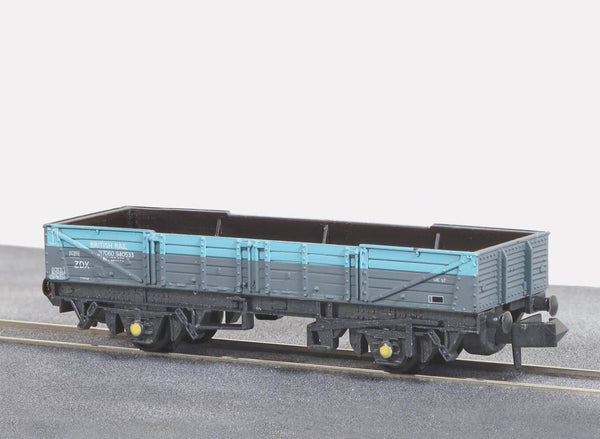
Ferry Tube Wagon
Railway companies all had a stock of their own vehicles for carrying goods and merchandise around their network, and also onto other companies' routes as and when required. These were integrated into British Railways at Nationalisation; some of them to be once more re liveried under sectorisation as the network was prepared to be returned to private ownership. All Peco wagons feature free running wheels in pin point axles. The ELC coupling, whilst compatible with the standard N gauge couplings, keeps a realistic distance between the vehicles and enables the PL-25 electro magnetic decoupler to be used for remote uncoupling.

Ferry Tube Wagon
Railway companies all had a stock of their own vehicles for carrying goods and merchandise around their network, and also onto other companies' routes as and when required. These were integrated into British Railways at Nationalisation; some of them to be once more re liveried under sectorisation as the network was prepared to be returned to private ownership. All Peco wagons feature free running wheels in pin point axles. The ELC coupling, whilst compatible with the standard N gauge couplings, keeps a realistic distance between the vehicles and enables the PL-25 electro magnetic decoupler to be used for remote uncoupling.
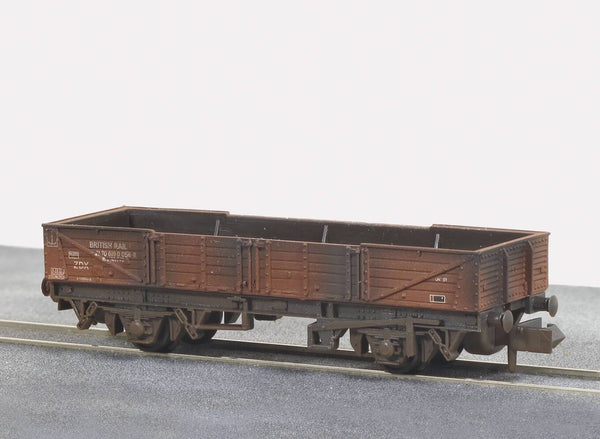
Ferry Tube Wagon
Railway companies all had a stock of their own vehicles for carrying goods and merchandise around their network, and also onto other companies' routes as and when required. These were integrated into British Railways at Nationalisation; some of them to be once more re liveried under sectorisation as the network was prepared to be returned to private ownership. All Peco wagons feature free running wheels in pin point axles. The ELC coupling, whilst compatible with the standard N gauge couplings, keeps a realistic distance between the vehicles and enables the PL-25 electro magnetic decoupler to be used for remote uncoupling.
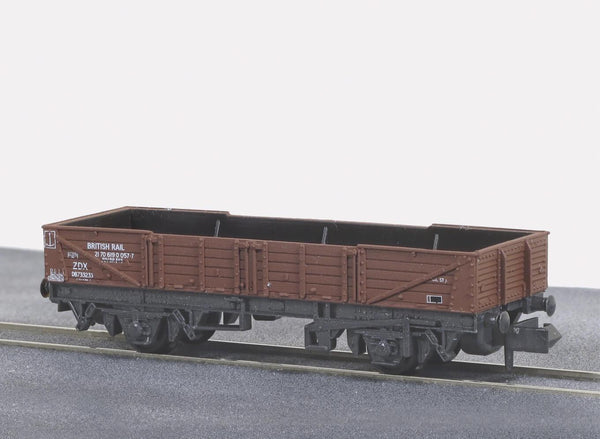
Brake Van
Railway companies all had a stock of their own vehicles for carrying goods and merchandise around their network, and also onto other companies' routes as and when required. These were integrated into British Railways at Nationalisation; some of them to be once more re liveried under sectorisation as the network was prepared to be returned to private ownership. All Peco wagons feature free running wheels in pin point axles. The ELC coupling, whilst compatible with the standard N gauge couplings, keeps a realistic distance between the vehicles and enables the PL-25 electro magnetic decoupler to be used for remote uncoupling.
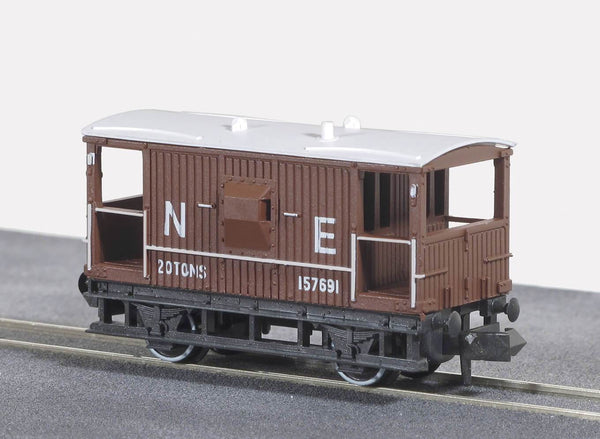
Brake Van
Railway companies all had a stock of their own vehicles for carrying goods and merchandise around their network, and also onto other companies' routes as and when required. These were integrated into British Railways at Nationalisation; some of them to be once more re liveried under sectorisation as the network was prepared to be returned to private ownership. All Peco wagons feature free running wheels in pin point axles. The ELC coupling, whilst compatible with the standard N gauge couplings, keeps a realistic distance between the vehicles and enables the PL-25 electro magnetic decoupler to be used for remote uncoupling.
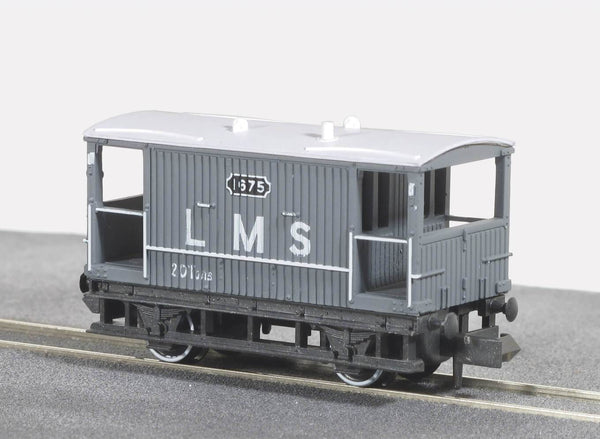
Cattle Wagon
Railway companies all had a stock of their own vehicles for carrying goods and merchandise around their network, and also onto other companies' routes as and when required. These were integrated into British Railways at Nationalisation; some of them to be once more re liveried under sectorisation as the network was prepared to be returned to private ownership. All Peco wagons feature free running wheels in pin point axles. The ELC coupling, whilst compatible with the standard N gauge couplings, keeps a realistic distance between the vehicles and enables the PL-25 electro magnetic decoupler to be used for remote uncoupling.
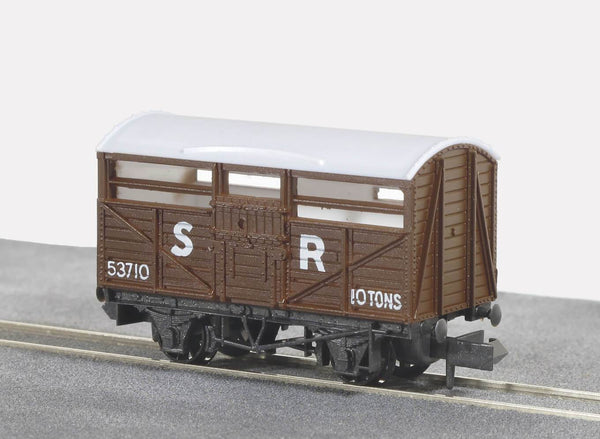
Cattle Wagon
Railway companies all had a stock of their own vehicles for carrying goods and merchandise around their network, and also onto other companies' routes as and when required. These were integrated into British Railways at Nationalisation; some of them to be once more re liveried under sectorisation as the network was prepared to be returned to private ownership. All Peco wagons feature free running wheels in pin point axles. The ELC coupling, whilst compatible with the standard N gauge couplings, keeps a realistic distance between the vehicles and enables the PL-25 electro magnetic decoupler to be used for remote uncoupling.
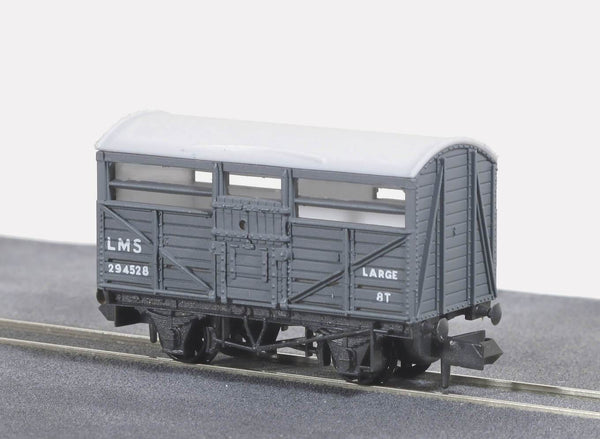
Cattle Wagon
Railway companies all had a stock of their own vehicles for carrying goods and merchandise around their network, and also onto other companies' routes as and when required. These were integrated into British Railways at Nationalisation; some of them to be once more re liveried under sectorisation as the network was prepared to be returned to private ownership. All Peco wagons feature free running wheels in pin point axles. The ELC coupling, whilst compatible with the standard N gauge couplings, keeps a realistic distance between the vehicles and enables the PL-25 electro magnetic decoupler to be used for remote uncoupling.
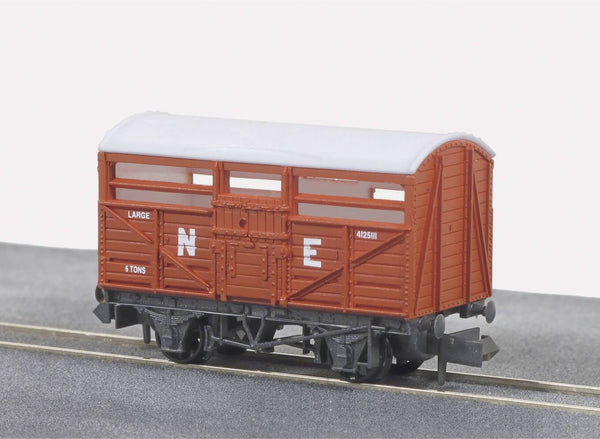
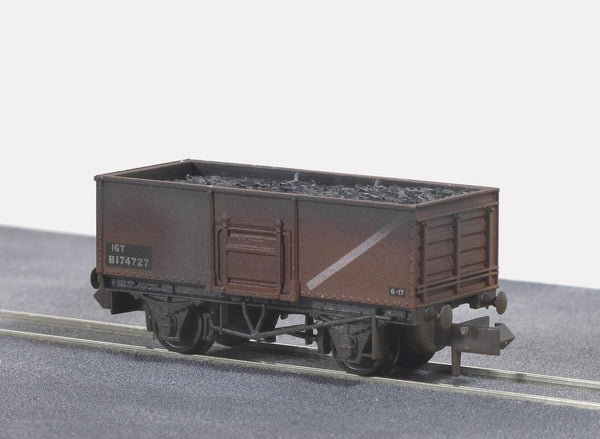
Butterley Steel Type Wagon
Railway companies all had a stock of their own vehicles for carrying goods and merchandise around their network, and also onto other companies' routes as and when required. These were integrated into British Railways at Nationalisation; some of them to be once more re liveried under sectorisation as the network was prepared to be returned to private ownership. All Peco wagons feature free running wheels in pin point axles. The ELC coupling, whilst compatible with the standard N gauge couplings, keeps a realistic distance between the vehicles and enables the PL-25 electro magnetic decoupler to be used for remote uncoupling.
Butterley Steel Type Wagon
Railway companies all had a stock of their own vehicles for carrying goods and merchandise around their network, and also onto other companies' routes as and when required. These were integrated into British Railways at Nationalisation; some of them to be once more re liveried under sectorisation as the network was prepared to be returned to private ownership. All Peco wagons feature free running wheels in pin point axles. The ELC coupling, whilst compatible with the standard N gauge couplings, keeps a realistic distance between the vehicles and enables the PL-25 electro magnetic decoupler to be used for remote uncoupling.

Butterley Steel Type Wagon
Railway companies all had a stock of their own vehicles for carrying goods and merchandise around their network, and also onto other companies' routes as and when required. These were integrated into British Railways at Nationalisation; some of them to be once more re liveried under sectorisation as the network was prepared to be returned to private ownership. All Peco wagons feature free running wheels in pin point axles. The ELC coupling, whilst compatible with the standard N gauge couplings, keeps a realistic distance between the vehicles and enables the PL-25 electro magnetic decoupler to be used for remote uncoupling.

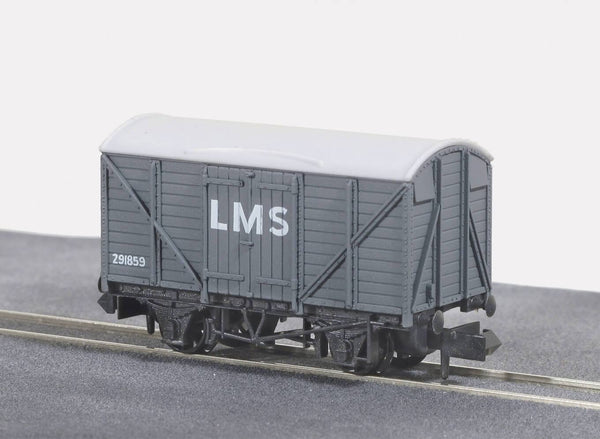
Box Van
Railway companies all had a stock of their own vehicles for carrying goods and merchandise around their network, and also onto other companies' routes as and when required. These were integrated into British Railways at Nationalisation; some of them to be once more re liveried under sectorisation as the network was prepared to be returned to private ownership. All Peco wagons feature free running wheels in pin point axles. The ELC coupling, whilst compatible with the standard N gauge couplings, keeps a realistic distance between the vehicles and enables the PL-25 electro magnetic decoupler to be used for remote uncoupling.
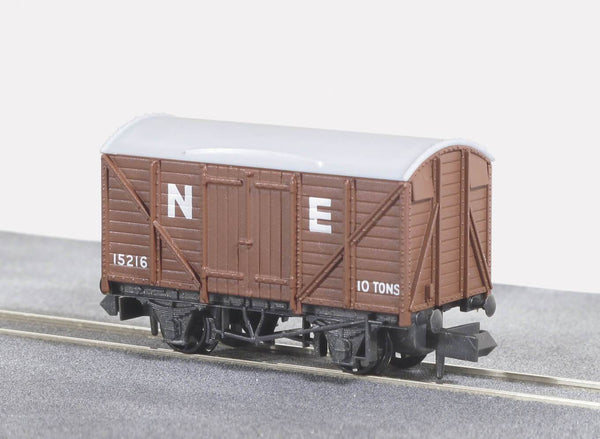
Box Van
Railway companies all had a stock of their own vehicles for carrying goods and merchandise around their network, and also onto other companies' routes as and when required. These were integrated into British Railways at Nationalisation; some of them to be once more re liveried under sectorisation as the network was prepared to be returned to private ownership. All Peco wagons feature free running wheels in pin point axles. The ELC coupling, whilst compatible with the standard N gauge couplings, keeps a realistic distance between the vehicles and enables the PL-25 electro magnetic decoupler to be used for remote uncoupling.
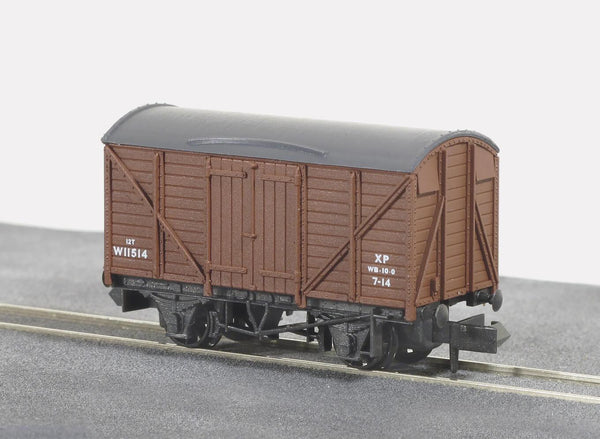
Box Van
Railway companies all had a stock of their own vehicles for carrying goods and merchandise around their network, and also onto other companies' routes as and when required. These were integrated into British Railways at Nationalisation; some of them to be once more re liveried under sectorisation as the network was prepared to be returned to private ownership. All Peco wagons feature free running wheels in pin point axles. The ELC coupling, whilst compatible with the standard N gauge couplings, keeps a realistic distance between the vehicles and enables the PL-25 electro magnetic decoupler to be used for remote uncoupling.
7 Plank Wagon
Railway companies all had a stock of their own vehicles for carrying goods and merchandise around their network, and also onto other companies' routes as and when required. These were integrated into British Railways at Nationalisation; some of them to be once more re liveried under sectorisation as the network was prepared to be returned to private ownership. All Peco wagons feature free running wheels in pin point axles. The ELC coupling, whilst compatible with the standard N gauge couplings, keeps a realistic distance between the vehicles and enables the PL-25 electro magnetic decoupler to be used for remote uncoupling.

7 Plank Wagon
Railway companies all had a stock of their own vehicles for carrying goods and merchandise around their network, and also onto other companies' routes as and when required. These were integrated into British Railways at Nationalisation; some of them to be once more re liveried under sectorisation as the network was prepared to be returned to private ownership. All Peco wagons feature free running wheels in pin point axles. The ELC coupling, whilst compatible with the standard N gauge couplings, keeps a realistic distance between the vehicles and enables the PL-25 electro magnetic decoupler to be used for remote uncoupling.

7 Plank Wagon
Railway companies all had a stock of their own vehicles for carrying goods and merchandise around their network, and also onto other companies' routes as and when required. These were integrated into British Railways at Nationalisation; some of them to be once more re liveried under sectorisation as the network was prepared to be returned to private ownership. All Peco wagons feature free running wheels in pin point axles. The ELC coupling, whilst compatible with the standard N gauge couplings, keeps a realistic distance between the vehicles and enables the PL-25 electro magnetic decoupler to be used for remote uncoupling.

5 Plank Wagon
Railway companies all had a stock of their own vehicles for carrying goods and merchandise around their network, and also onto other companies' routes as and when required. These were integrated into British Railways at Nationalisation; some of them to be once more re liveried under sectorisation as the network was prepared to be returned to private ownership. All Peco wagons feature free running wheels in pin point axles. The ELC coupling, whilst compatible with the standard N gauge couplings, keeps a realistic distance between the vehicles and enables the PL-25 electro magnetic decoupler to be used for remote uncoupling.
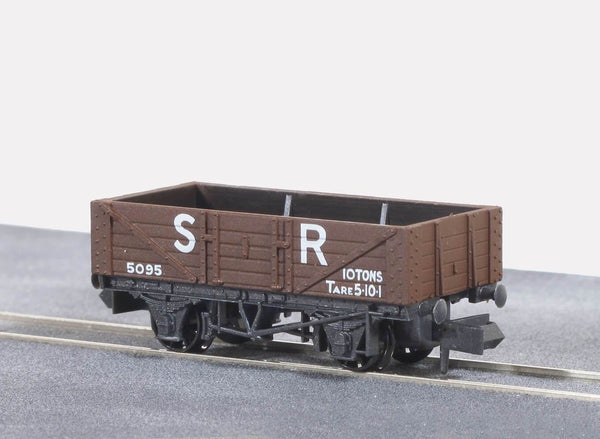
Bolster Wagon
Railway companies all had a stock of their own vehicles for carrying goods and merchandise around their network, and also onto other companies' routes as and when required. These were integrated into British Railways at Nationalisation; some of them to be once more re liveried under sectorisation as the network was prepared to be returned to private ownership. All Peco wagons feature free running wheels in pin point axles. The ELC coupling, whilst compatible with the standard N gauge couplings, keeps a realistic distance between the vehicles and enables the PL-25 electro magnetic decoupler to be used for remote uncoupling.
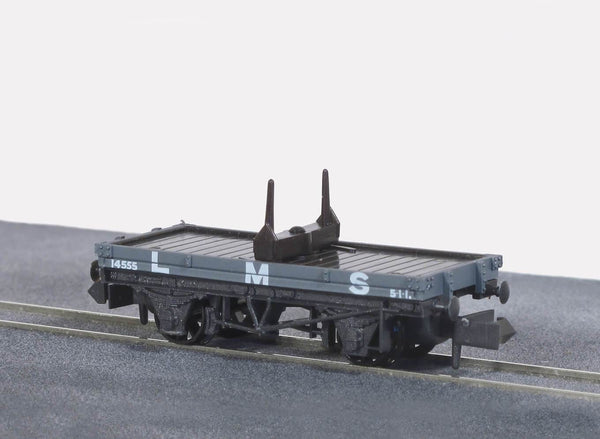
HAA - EWS Coal Hopper Wagon, Maroon
In August 2023 DB Cargo retired the last of the former BR/ECC china clay CDA hoppers after a service life of 35 years. These unique and distinctive wagons will be missed by enthusiasts but thanks to PECO, modellers can keep their legacy going in model form!
Note that the CDA wagons are now fitted with metal-tyred wheels as standard.
The CDA China Clay hopper, and the HAA Coal Hopper, are closely related, sharing the same design and operational principles, with bottom hopper doors opened to empty the contents, in the case of china clay, for loading into ships at Carne Point, near Fowey in Cornwall. As china clay must be kept dry special rolling tarpaulin covers protected the load, as featured on our models.
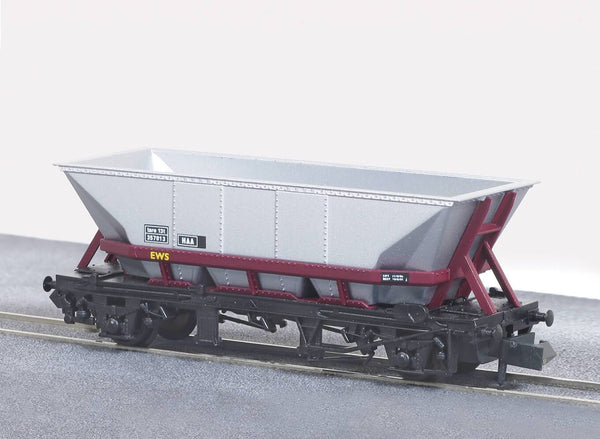
HAA BR Trainload Coal-Sector - Yellow Cradle
In August 2023 DB Cargo retired the last of the former BR/ECC china clay CDA hoppers after a service life of 35 years. These unique and distinctive wagons will be missed by enthusiasts but thanks to PECO, modellers can keep their legacy going in model form!
Note that the CDA wagons are now fitted with metal-tyred wheels as standard.
The CDA China Clay hopper, and the HAA Coal Hopper, are closely related, sharing the same design and operational principles, with bottom hopper doors opened to empty the contents, in the case of china clay, for loading into ships at Carne Point, near Fowey in Cornwall. As china clay must be kept dry special rolling tarpaulin covers protected the load, as featured on our models.
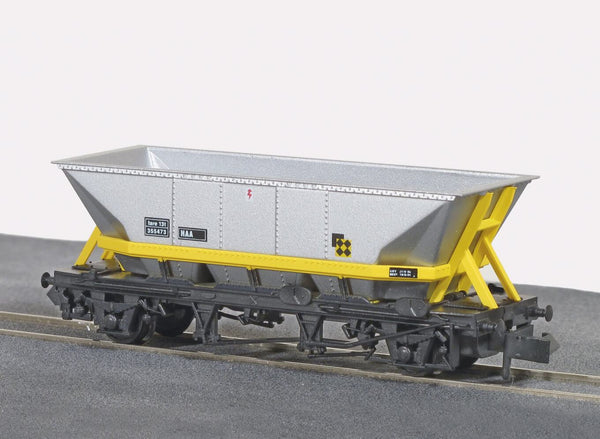
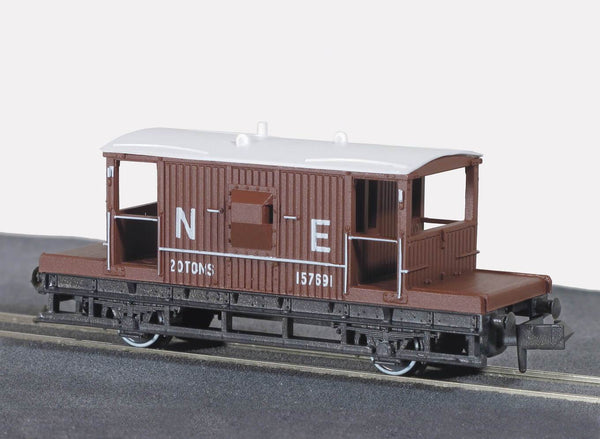
Brake Van
Railway companies all had a stock of their own vehicles for carrying goods and merchandise around their network, and also onto other companies' routes as and when required. These were integrated into British Railways at Nationalisation; some of them to be once more re liveried under sectorisation as the network was prepared to be returned to private ownership. All Peco wagons feature free running wheels in pin point axles. The ELC coupling, whilst compatible with the standard N gauge couplings, keeps a realistic distance between the vehicles and enables the PL-25 electro magnetic decoupler to be used for remote uncoupling.
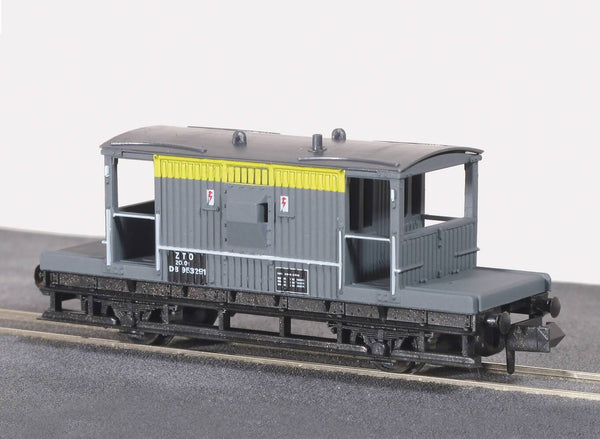
Brake Van
Railway companies all had a stock of their own vehicles for carrying goods and merchandise around their network, and also onto other companies' routes as and when required. These were integrated into British Railways at Nationalisation; some of them to be once more re liveried under sectorisation as the network was prepared to be returned to private ownership. All Peco wagons feature free running wheels in pin point axles. The ELC coupling, whilst compatible with the standard N gauge couplings, keeps a realistic distance between the vehicles and enables the PL-25 electro magnetic decoupler to be used for remote uncoupling.
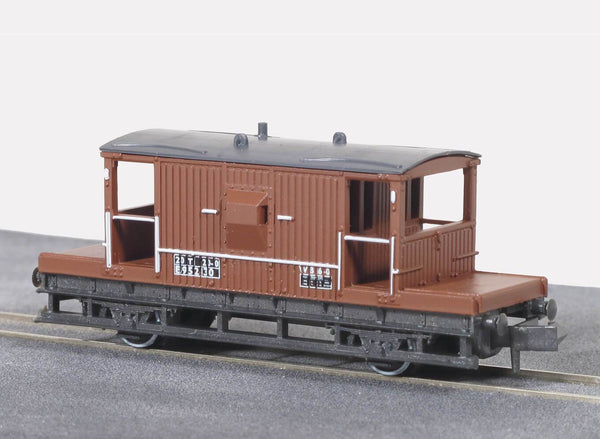
Brake Van
Railway companies all had a stock of their own vehicles for carrying goods and merchandise around their network, and also onto other companies' routes as and when required. These were integrated into British Railways at Nationalisation; some of them to be once more re liveried under sectorisation as the network was prepared to be returned to private ownership. All Peco wagons feature free running wheels in pin point axles. The ELC coupling, whilst compatible with the standard N gauge couplings, keeps a realistic distance between the vehicles and enables the PL-25 electro magnetic decoupler to be used for remote uncoupling.
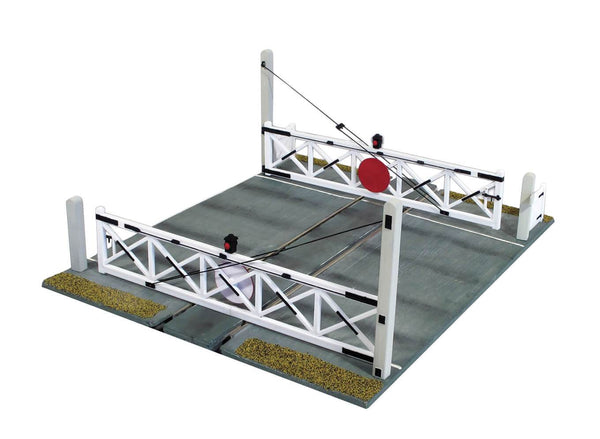
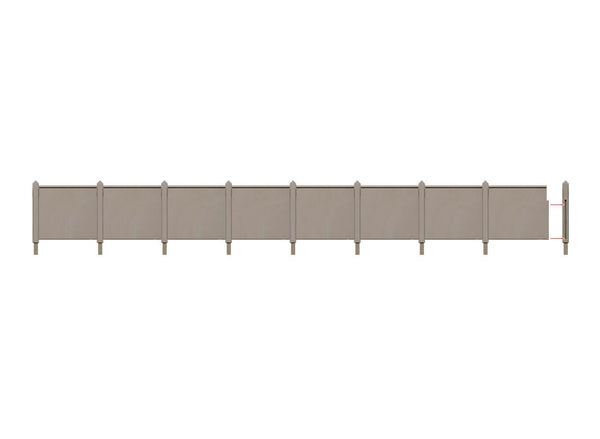
Level Crossing Gates
Traditional wooden type gates (complete with separate pedestrian access gates), giving double track spacing when closed across railway tracks.

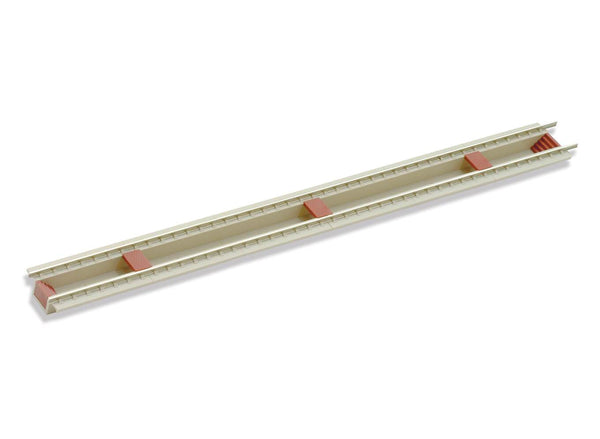
Inspection Pit
Modular design, makes it easy to assemble pits of any required length. A great addition to the LK-80 Modern Train Shed unit or create a modern diesel/EMU servicing shed using the Wills SSM300 Modern Industrial Building and SSM315 Extension kits.
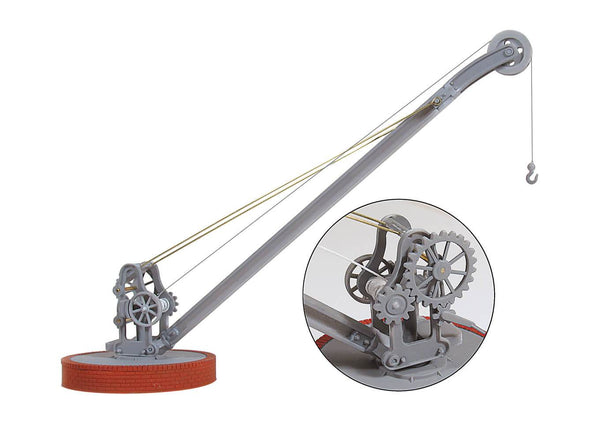
Yard Crane
Kit of a useful general purpose type crane, also often seen at canal basins etc.
Running Rail Chairs
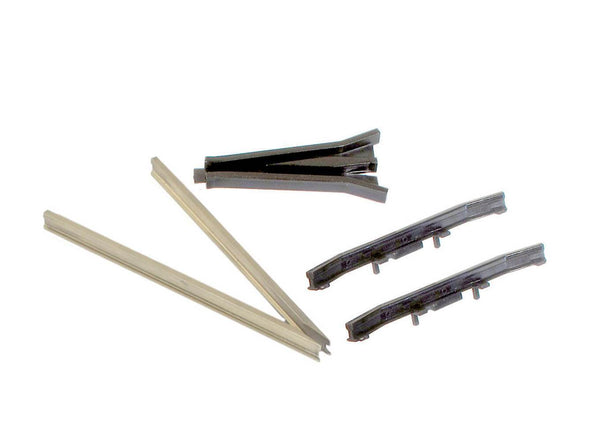
60 injection moulded chairs for the construction of turnouts and plain track, using Code 250 Flat Bottom rail.
Slide Rail Chairs
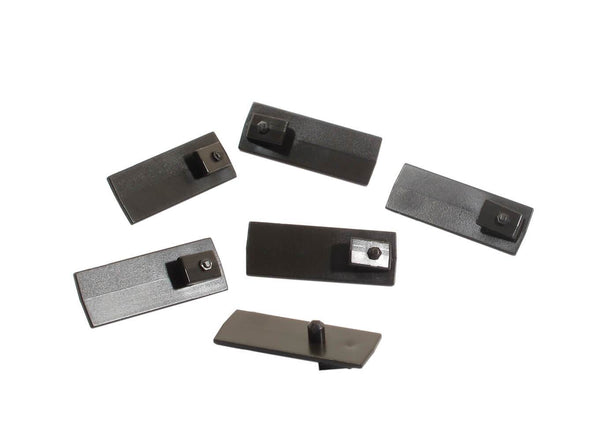
30 injection moulded chairs for the construction of turnouts, using Code 250 Flat Bottom rail.
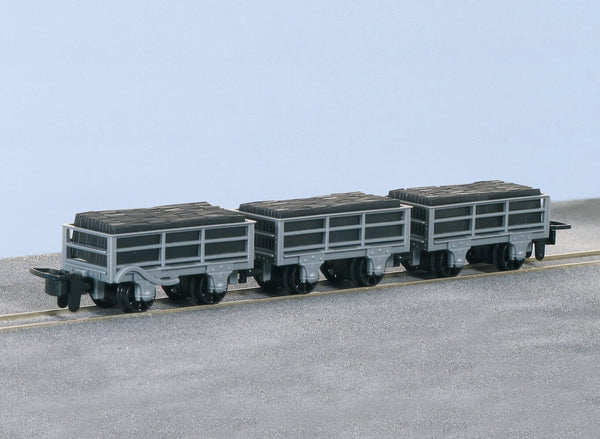
OO-9 2 ton Slate Wagon Festiniog Railway
Trains of slate wagons used to be gravity run from the quarries at Blaenau Ffestiniog to the harbour at Porthmadoc, this model pack of 3 ready to run wagons includes 1 braked vehicle and removable slate loads which are conveniently hollow, thus giving the modeller the added option of including some further weight if required.
Roughly one in five wagons was fitted with brakes. These were spread throughout the train and turned so the brake handles were all on the same side of the train, pointing towards Porthmadog. Different colours painted on the side bars denoted the various slate quarry companies; our packs feature random selections of these. As these wagons tend to run in long rakes, the models have semi-permanent close-couplings fitted in their NEM pockets. These can be pulled out with fine nosed pliers and replaced with conventional OO-9 hoop-and-loop couplings (supplied) at each end of the rake.