


BROWSE PECO PRODUCTS
Browse through our complete product portfolio.
130 Products Found
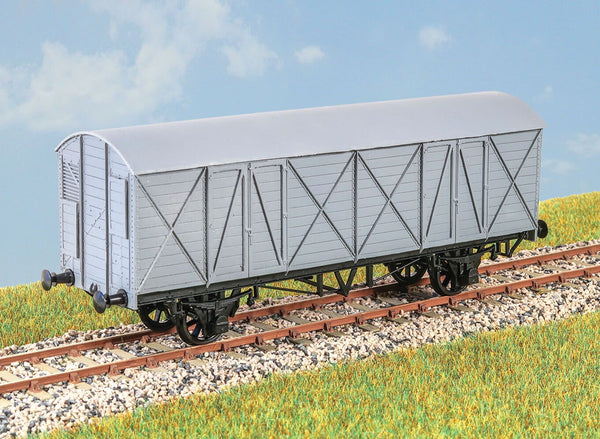
GWR Mink Goods Van
Introduced in 1906, these vans (diagram V11) were used for general goods traffic until during the Second World War. Being fitted with the vacuum brake, they were frequently found on GWR express goods trains. These finely moulded plastic wagon kits come complete with pin point axle wheels and bearings. Glue and paint will be required, along with appropriate transfers. Additional parts to enable the vehicle to be modelled incorporating modifications made to the prototypes during their working life are included where appropriate.
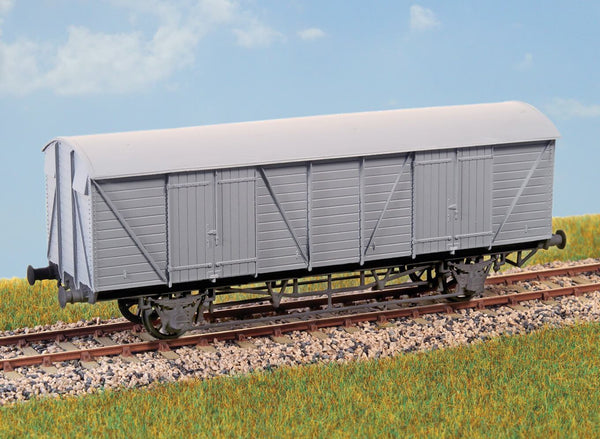
GWR Mink Goods Van
(Diagram V22) Introduced in 1931 to carry express goods traffic between the main stations on the GWR system. One hundred were built and lasted in service until the 1960s.These finely moulded plastic wagon kits come complete with pin point axle wheels and bearings. Glue and paint will be required, along with appropriate transfers. Additional parts to enable the vehicle to be modelled incorporating modifications made to the prototypes during their working life are included where appropriate.
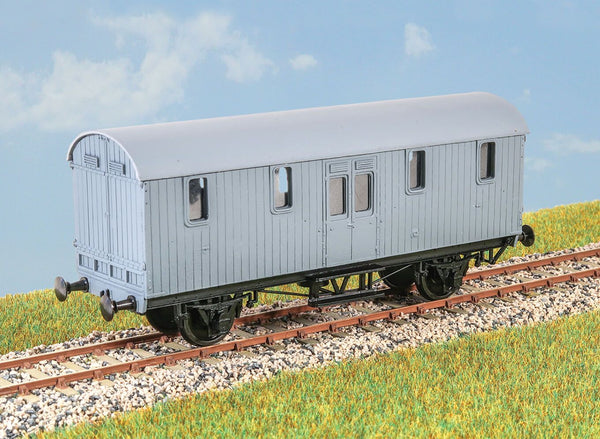
GWR Python Covered Carriage Coach Van
Introduced in 1914, these vehicles carried parcels and motor vehicles until the early days of BR. These finely moulded plastic wagon kits come complete with pin point axle wheels and bearings. Glue and paint will be required, along with appropriate transfers. Additional parts to enable the vehicle to be modelled incorporating modifications made to the prototypes during their working life are included where appropriate.
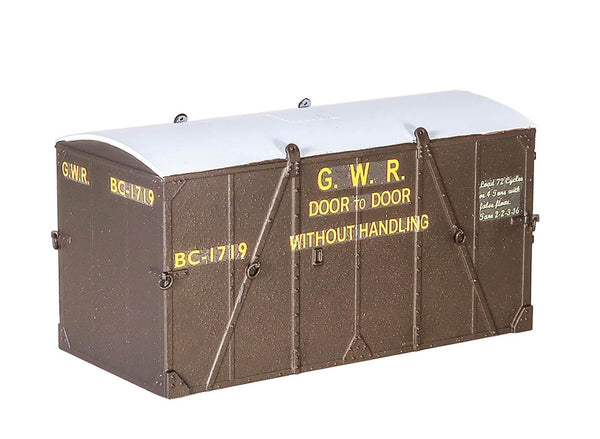
GWR/BR ‘B’ Container
Period Transfers included. A Conflat, road vehicle load, or as a scenic accessory for the Goods Yard.
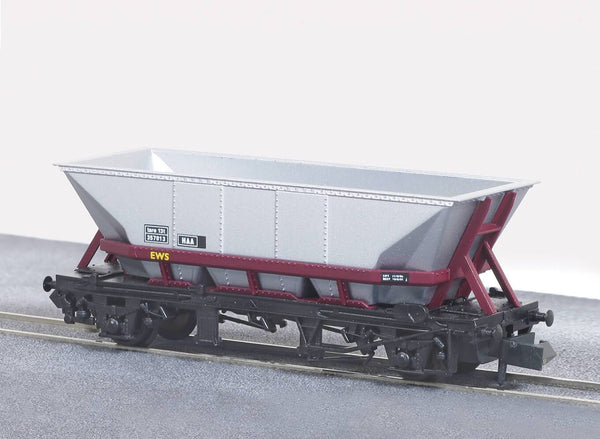
HAA - EWS Coal Hopper Wagon, Maroon
In August 2023 DB Cargo retired the last of the former BR/ECC china clay CDA hoppers after a service life of 35 years. These unique and distinctive wagons will be missed by enthusiasts but thanks to PECO, modellers can keep their legacy going in model form!
Note that the CDA wagons are now fitted with metal-tyred wheels as standard.
The CDA China Clay hopper, and the HAA Coal Hopper, are closely related, sharing the same design and operational principles, with bottom hopper doors opened to empty the contents, in the case of china clay, for loading into ships at Carne Point, near Fowey in Cornwall. As china clay must be kept dry special rolling tarpaulin covers protected the load, as featured on our models.
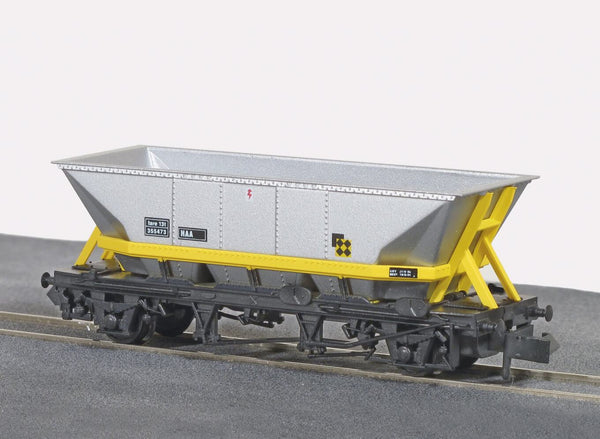
HAA BR Trainload Coal-Sector - Yellow Cradle
In August 2023 DB Cargo retired the last of the former BR/ECC china clay CDA hoppers after a service life of 35 years. These unique and distinctive wagons will be missed by enthusiasts but thanks to PECO, modellers can keep their legacy going in model form!
Note that the CDA wagons are now fitted with metal-tyred wheels as standard.
The CDA China Clay hopper, and the HAA Coal Hopper, are closely related, sharing the same design and operational principles, with bottom hopper doors opened to empty the contents, in the case of china clay, for loading into ships at Carne Point, near Fowey in Cornwall. As china clay must be kept dry special rolling tarpaulin covers protected the load, as featured on our models.
Hudson Steel Dropside Bogie Open Wagon
These finely moulded plastic wagon kits come complete with pin point axle wheels. Glue and paint will be required, along with appropriate transfers.

Hudson Wagon Chassis
These finely moulded plastic wagon kits come complete with pin point axle wheels. Glue and paint will be required, along with appropriate transfers.

Irish Narrow Gauge Open Wagon
These finely moulded plastic wagon kits come complete with pin point axle wheels. Glue and paint will be required, along with appropriate transfers.

Irish Narrow Gauge Open Wagon
A 12mm gauge vehicle; these finely moulded plastic wagon kits come complete with pin point axle wheels. Glue and paint will be required, along with appropriate transfers.

LMS 20ton Goods Brake Van
849 of these vans (diagram 1659) were built between 1924 and 1927. In general traffic they survived into the 1960s, while those in Engineer’s fleet lasted into the 1980s. These finely moulded plastic wagon kits come complete with pin point axle wheels and bearings. Glue and paint will be required, along with appropriate transfers. Additional parts to enable the vehicle to be modelled incorporating modifications made to the prototypes during their working life are included where appropriate.
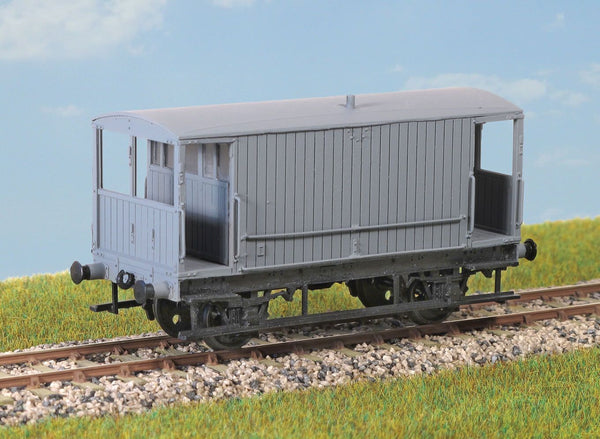
LMS 4 Wheel CCT Van
Built in 1935- 1937, 125 of these useful vans (diagram 1929) carried parcels, mail and motor vehicles in passenger and parcels trains until the early 1970s. These finely moulded plastic wagon kits come complete with pin point axle wheels and bearings. Glue and paint will be required, along with appropriate transfers. Additional parts to enable the vehicle to be modelled incorporating modifications made to the prototypes during their working life are included where appropriate.
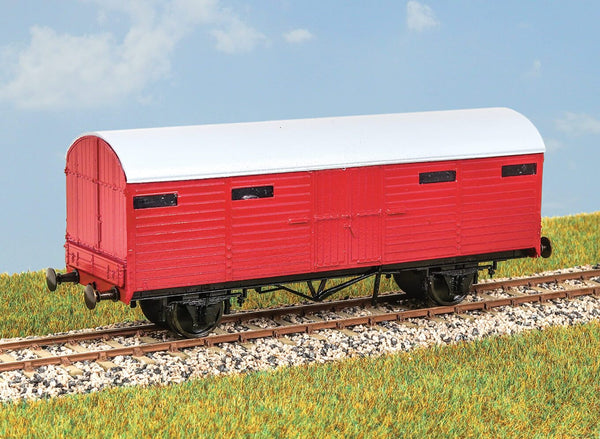
LMS 4 Wheel Motor Car Van
150 of these vans (diagram 2026) were built in 1938, with a further 75 by BR in 1952-1957. Classed as motor car vans, they were also used for parcels and mail.
These finely moulded plastic wagon kits come complete with pin point axle wheels and bearings. Glue and paint will be required, along with appropriate transfers. Additional parts to enable the vehicle to be modelled incorporating modifications made to the prototypes during their working life are included where appropriate.
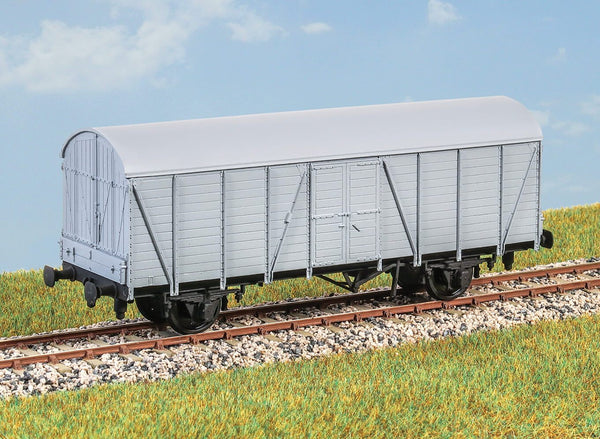
LMS 48 feet Suburban Coach Kit
These non-corridor coaches were built between 1903 and 1910 by the Midland Railway. They were used as close coupled sets for suburban services in the Manchester and Birmingham areas, remaining in service until the early 1950's. Glue, paint and transfers are required to complete this model.
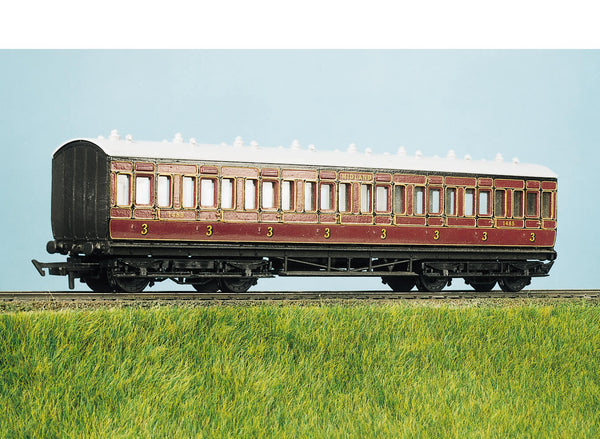
LMS 48 feet Suburban Coach Kit
These non-corridor coaches were built between 1903 and 1910 by the Midland Railway. They were used as close coupled sets for suburban services in the Manchester and Birmingham areas, remaining in service until the early 1950's. Glue, paint and transfers are required to complete this model.
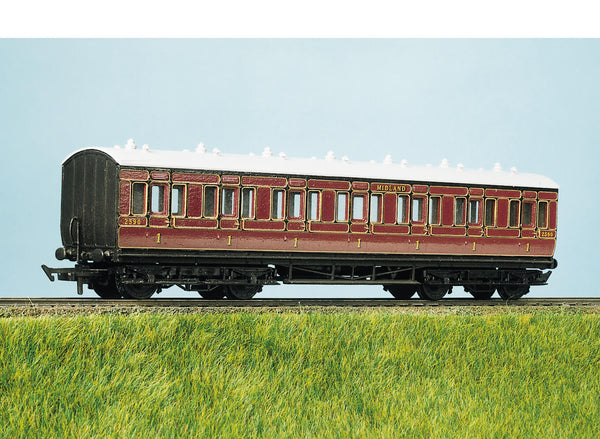
LMS 48 feet Suburban Coach Kit
These non-corridor coaches were built between 1903 and 1910 by the Midland Railway. They were used as close coupled sets for suburban services in the Manchester and Birmingham areas, remaining in service until the early 1950's. Glue, paint and transfers are required to complete this model.
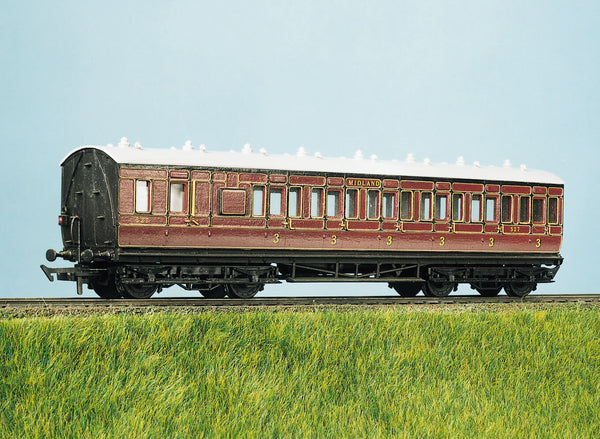
LMS 48 feet Suburban Coach Kit
These non-corridor coaches were built between 1903 and 1910 by the Midland Railway. They were used as close coupled sets for suburban services in the Manchester and Birmingham areas, remaining in service until the early 1950's. Glue, paint and transfers are required to complete this model.
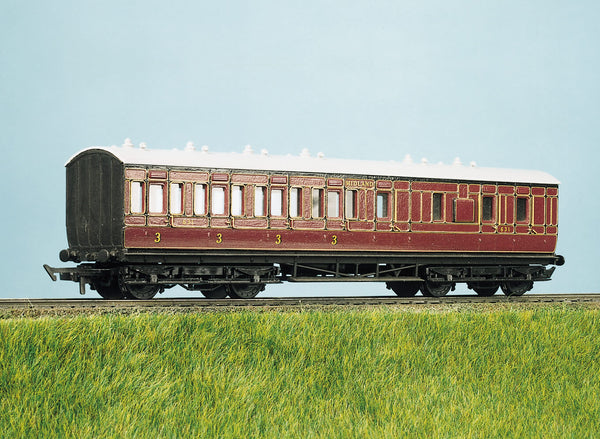
LMS 50ft Arc Roof Corridor Brake Coach Kit
A total of 650 coaches of this type were built at Wolverton between 1891 and 1903 by the London and North Western Railway for main line service and many of them were transferred into the LMS after the 1923 Grouping. Glue, paint and transfers are required to complete this model.
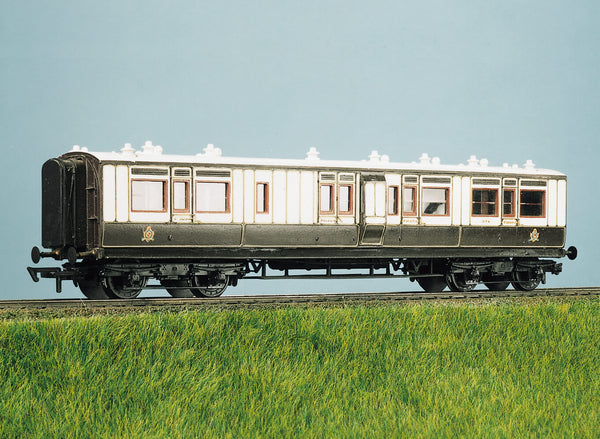
LMS 50ft Arc Roof Corridor Brake Composite Coach Kit
A total of 650 coaches of this type were built at Wolverton between 1891 and 1903 by the London and North Western Railway for main line service and many of them were transferred into the LMS after the 1923 Grouping. Glue, paint and transfers are required to complete this model.
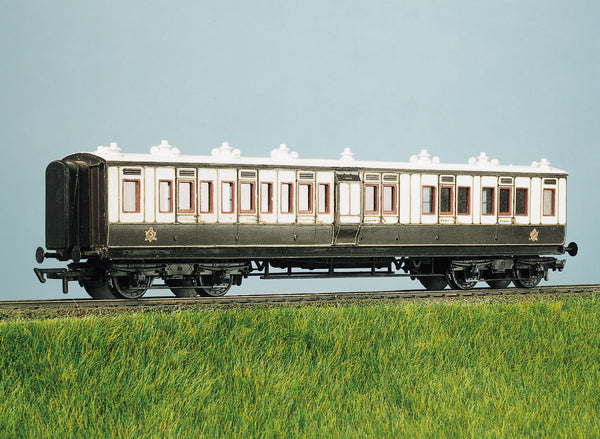
LMS 50ft Arc Roof Corridor Coach Kit
A total of 650 coaches of this type were built at Wolverton between 1891 and 1903 by the London and North Western Railway for main line service and many of them were transferred into the LMS after the 1923 Grouping. Glue, paint and transfers are required to complete this model.
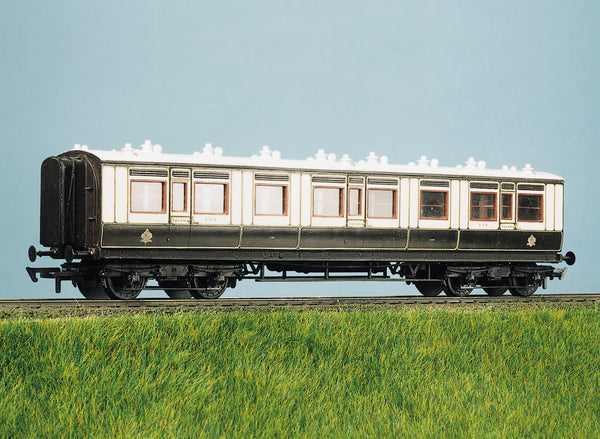
LMS 50ft Arc Roof Corridor Composite Coach Kit
A total of 650 coaches of this type were built at Wolverton between 1891 and 1903 by the London and North Western Railway for main line service and many of them were transferred into the LMS after the 1923 Grouping. Glue, paint and transfers are required to complete this model.
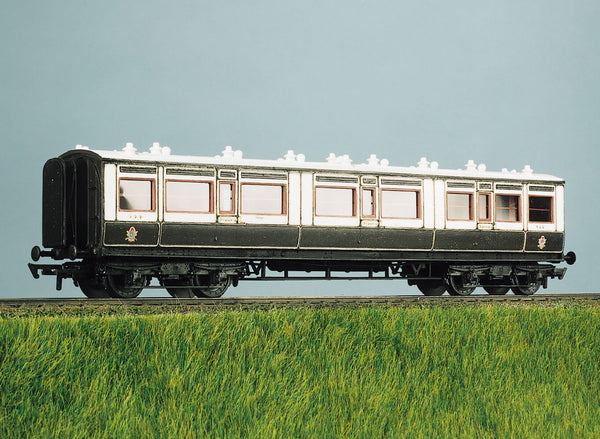
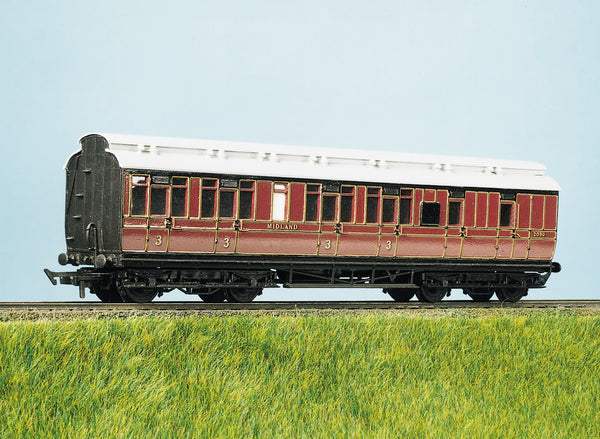
LMS Clerestory Brake Coach Kit
Built between 1898 and 1902 by the Midland Railway, these elegant non-corridor coaches were built for use on express routes. Glue, paint and transfers are required to complete this model.
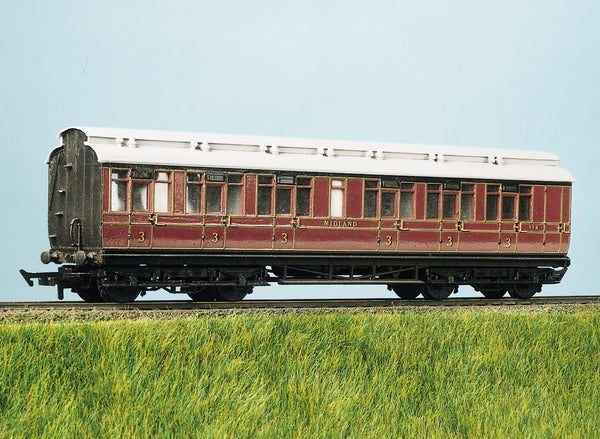
LMS Clerestory Coach Kit
Built between 1898 and 1902 by the Midland Railway, these elegant non-corridor coaches were built for use on express routes. Glue, paint and transfers are required to complete this model.
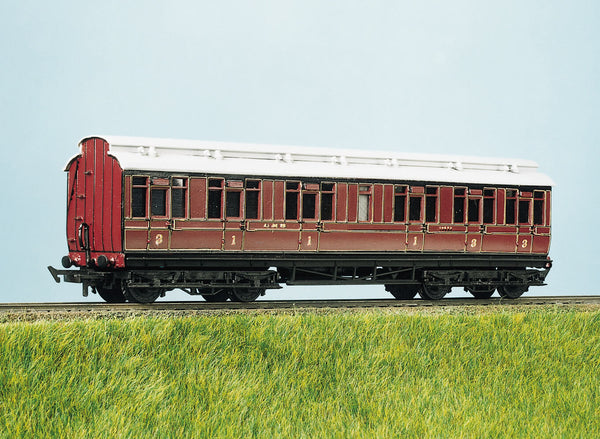
LMS Clerestory Composite Coach Kit
Built between 1898 and 1902 by the Midland Railway, these elegant non-corridor coaches were built for use on express routes. Glue, paint and transfers are required to complete this model.
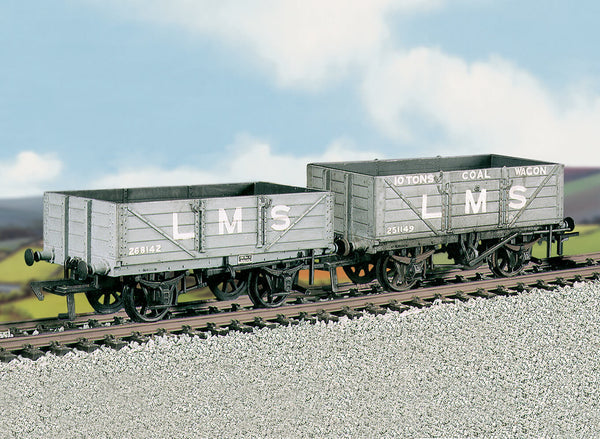
LMS Traffic Coal and 4 Plank Wagons Kit
Set of 2 wagons. Originally LNWR wagons, they were in common use for carrying coal and general merchandise. The kit includes metal wheels, transfers and brass buffers heads, and requires glue and paint to complete.
LMS/BR 20ton Brake Van
950 of these brake vans (diagram 1657) were built in 1927-1931. They lasted in general traffic until the mid 1960s. Some survivors in the Engineer’s fleet lasted into the 1980s.
These finely moulded plastic wagon kits come complete with pin point axle wheels and bearings. Glue and paint will be required, along with appropriate transfers. Additional parts to enable the vehicle to be modelled incorporating modifications made to the prototypes during their working life are included where appropriate.
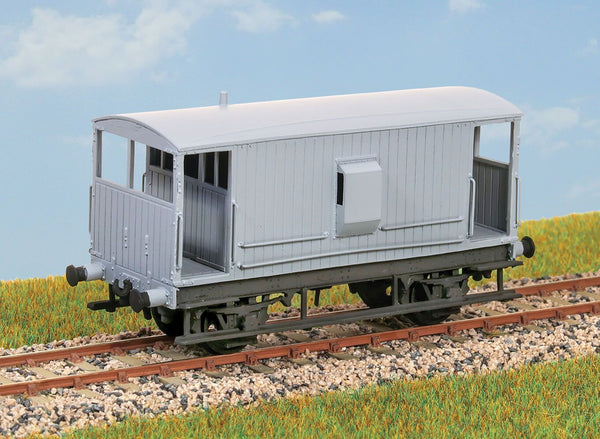
LNER 20ton Brake Van Toad E
900 of these vans were built between 1930 and 1936. Seen all over the former LNER system, they lasted in service into the mid 1960s. These finely moulded plastic wagon kits come complete with pin point axle wheels and bearings. Glue and paint will be required, along with appropriate transfers. Additional parts to enable the vehicle to be modelled incorporating modifications made to the prototypes during their working life are included where appropriate.
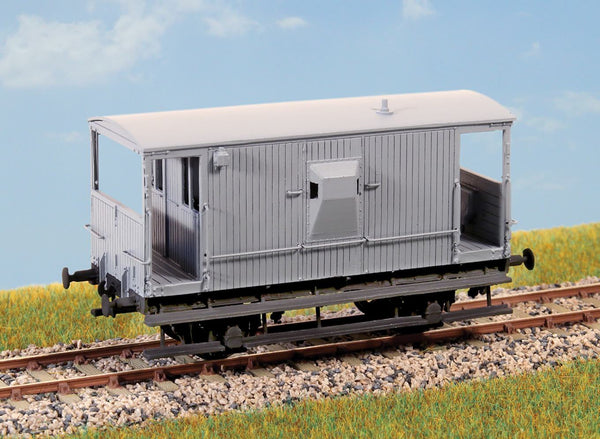
LNER Bogie Bolster Wagon
(Quad) In 1921 the NER bought a number of these wagons from the Government. They lasted until the mid 1950s. Several worked as flat wagons. These finely moulded plastic wagon kits come complete with pin point axle wheels and bearings. Glue and paint will be required, along with appropriate transfers. Additional parts to enable the vehicle to be modelled incorporating modifications made to the prototypes during their working life are included where appropriate.
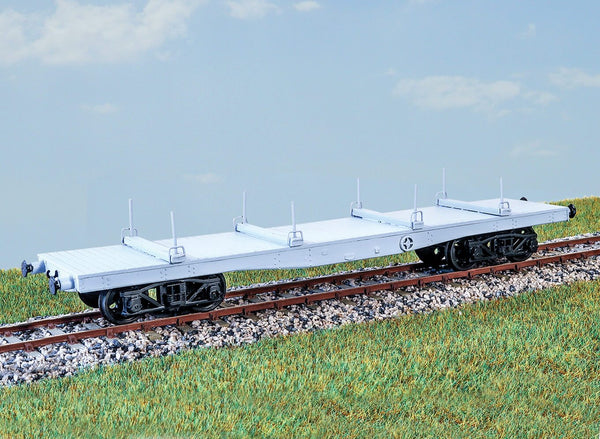
LNER Bogie Brick Wagon
Built in 1930 (repeating a 1921 GNR design), these wagons (diagram 70) carried brick between Peterborough and London. Examples were in use until 1966. These finely moulded plastic wagon kits come complete with pin point axle wheels and bearings. Glue and paint will be required, along with appropriate transfers. Additional parts to enable the vehicle to be modelled incorporating modifications made to the prototypes during their working life are included where appropriate.
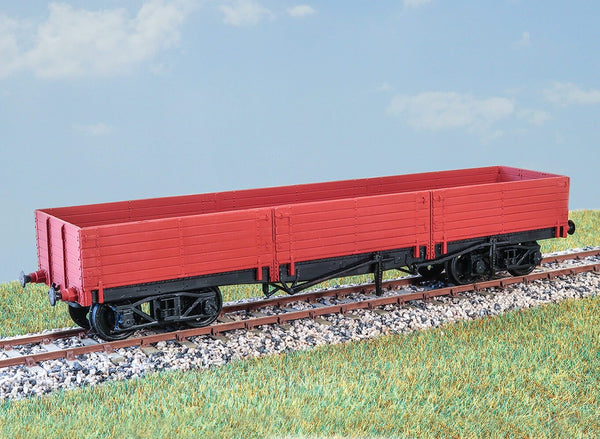
LNER Bogie Sulphate Wagon
Eighty of these wagons (diagram 69) were built in the 1930s to carry fertilizer from the I.C.I. Works at Billingham, Tee-side. Many ended their days carrying refuse in the Kings Cross area in the 1960s.These finely moulded plastic wagon kits come complete with pin point axle wheels and bearings. Glue and paint will be required, along with appropriate transfers. Additional parts to enable the vehicle to be modelled incorporating modifications made to the prototypes during their working life are included where appropriate.
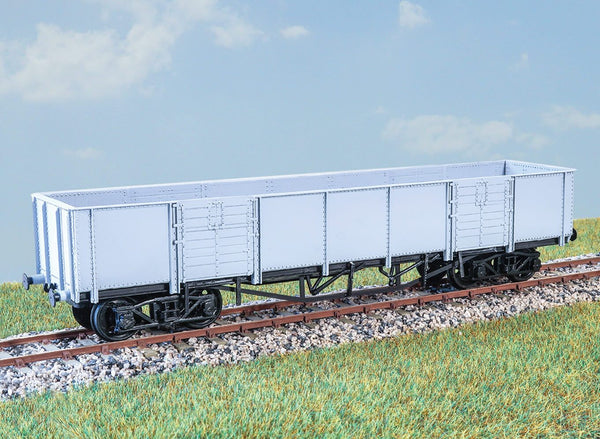
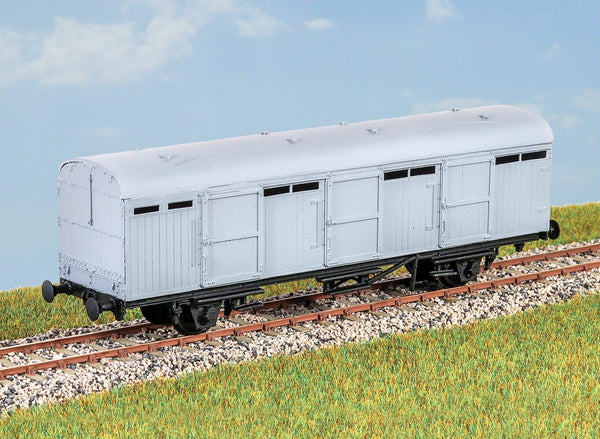
LNER Extra Long CCT Van
Built in two batches in 1939 and 1950, these vehicles (diagram 6) were used to carry parcels, mail and motor vehicles in passenger and parcels trains until 1980. These finely moulded plastic wagon kits come complete with pin point axle wheels and bearings. Glue and paint will be required, along with appropriate transfers. Additional parts to enable the vehicle to be modelled incorporating modifications made to the prototypes during their working life are included where appropriate.
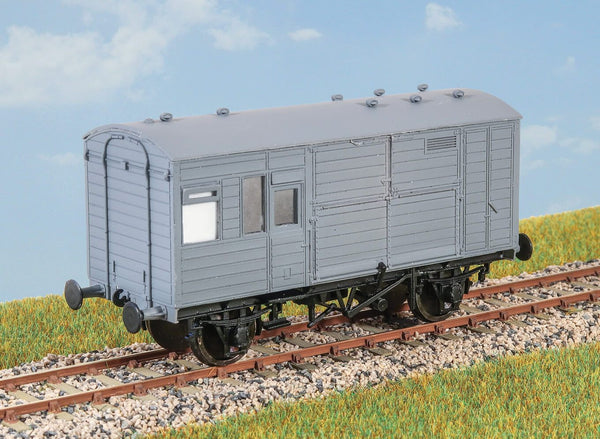
LNER Horse Box Wagon
30 of these horse boxes (diagram 5) were built by the LNER in 1938, mainly to carry racehorses to meetings throughout Britain. Many lasted into the early 1960s. These finely moulded plastic wagon kits come complete with pin point axle wheels and bearings. Glue and paint will be required, along with appropriate transfers. Additional parts to enable the vehicle to be modelled incorporating modifications made to the prototypes during their working life are included where appropriate.
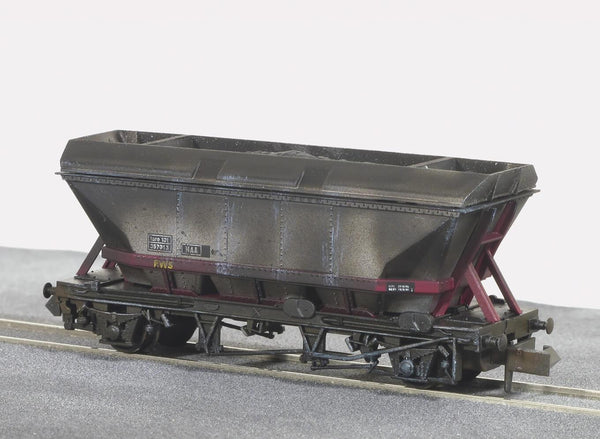
MGR Coal Hopper Wagon (weathered)
Block trains carrying specialised loads are a feature of the modern railway. All Peco wagons feature free running wheels in pin point axles. The ELC coupling, whilst compatible with the standard N gauge couplings, keeps a realistic distance between vehicles and enables the PL-25 electro magnetic decoupler to be used for remote uncoupling.
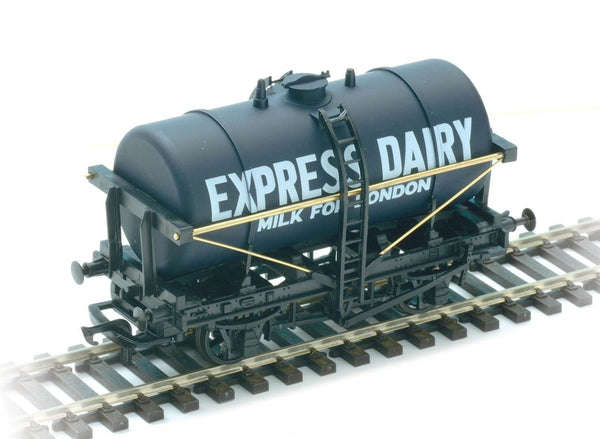
Milk Tank Wagon Express Dairy
These 10ft Tank Wagon kits include:
‚Ģ Actual working axlebox springs
‚Ģ Sprung metal buffers
‚Ģ Fully painted and lettered body
‚Ģ Pin-point axles and bearings for maximum length trains
‚Ģ Both Peco Simplex and Peco Anita tension lock couplings
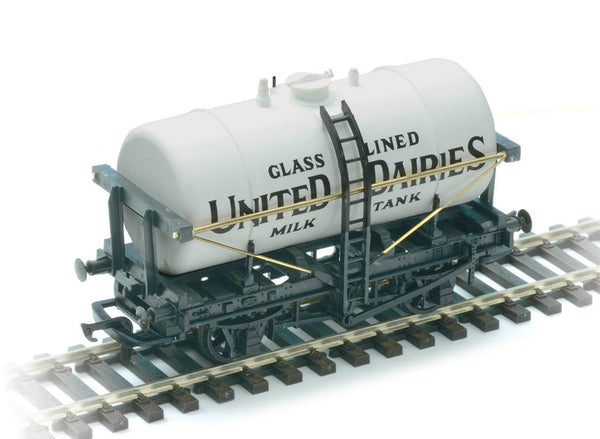
Milk Tank Wagon United Dairies
These 10ft Tank Wagon kits include:
‚Ģ Actual working axlebox springs
‚Ģ Sprung metal buffers
‚Ģ Fully painted and lettered body
‚Ģ Pin-point axles and bearings for maximum length trains
‚Ģ Both Peco Simplex and Peco Anita tension lock couplings
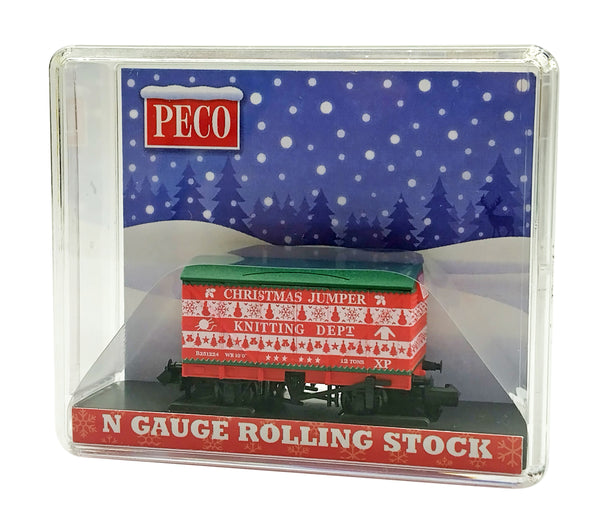
N Gauge 'Christmas Jumper Dept' Vanfit
PECO Model Railways has released a delightful addition to their Christmas collection with limited-edition wagons available in N and OO-9. Celebrating the festive spirit, this year’s model is dedicated to the 'Christmas Jumper Knitting Department'. Adorned in charming holiday-themed colours, the wagons feature intricate seasonal designs reminiscent of classical Christmas jumpers. Each wagon in this collection is crafted with meticulous detail, capturing the playful essence of holiday cheer in a miniature format.
Only 500 pieces are available in each scale, making these wagons truly special collector’s items for railway enthusiasts and collectors. This seasonal release adds to the PECO lineup of collectible Christmas wagons, creating an enchanting winter landscape on any model railway setup. These limited editions make perfect Christmas gifts or keepsakes and are available now, though stock won’t last long due to their exclusivity and appeal.
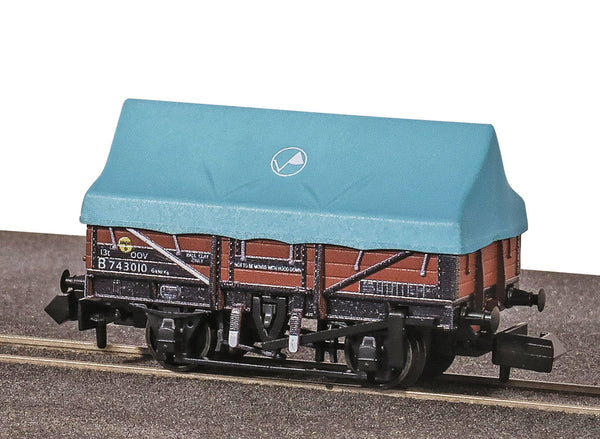
NEW China Clay Hood Wagon, OOV B743010
Railway companies all had a stock of their own vehicles for carrying goods and merchandise around their network, and also onto other companies' routes as and when required. These were integrated into British Railways at Nationalisation; some of them to be once more re liveried under sectorisation as the network was prepared to be returned to private ownership. All PECO wagons feature free running wheels in pin point axles. The ELC coupling, whilst compatible with the standard N gauge couplings, keeps a realistic distance between the vehicles and enables the PL-25 electro magnetic decoupler to be used for remote uncoupling.
NEW China Clay Hood Wagon, UCV B743470, Bauxite
Railway companies all had a stock of their own vehicles for carrying goods and merchandise around their network, and also onto other companies' routes as and when required. These were integrated into British Railways at Nationalisation; some of them to be once more re liveried under sectorisation as the network was prepared to be returned to private ownership. All PECO wagons feature free running wheels in pin point axles. The ELC coupling, whilst compatible with the standard N gauge couplings, keeps a realistic distance between the vehicles and enables the PL-25 electro magnetic decoupler to be used for remote uncoupling.
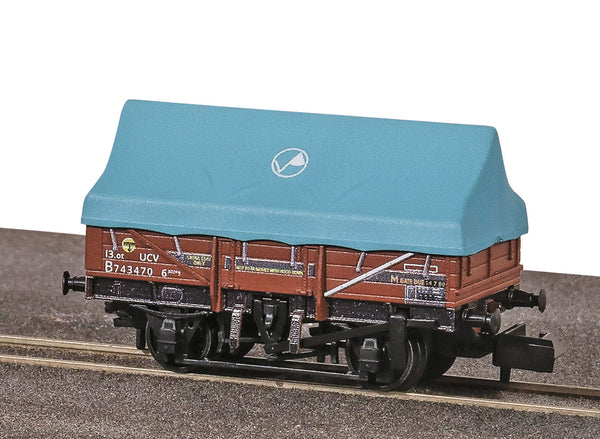
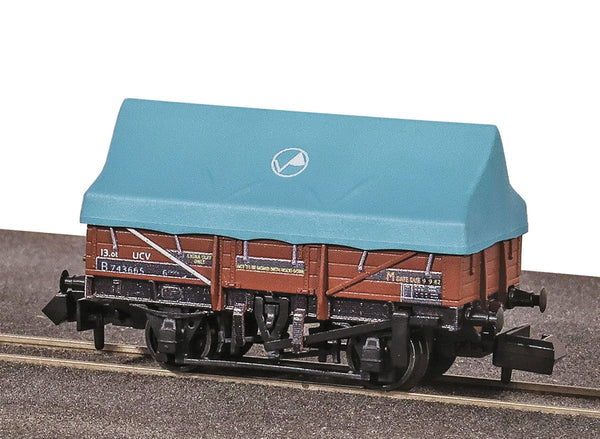
NEW China Clay Hood Wagon, UCV B743665, Bauxite
Railway companies all had a stock of their own vehicles for carrying goods and merchandise around their network, and also onto other companies' routes as and when required. These were integrated into British Railways at Nationalisation; some of them to be once more re liveried under sectorisation as the network was prepared to be returned to private ownership. All PECO wagons feature free running wheels in pin point axles. The ELC coupling, whilst compatible with the standard N gauge couplings, keeps a realistic distance between the vehicles and enables the PL-25 electro magnetic decoupler to be used for remote uncoupling.
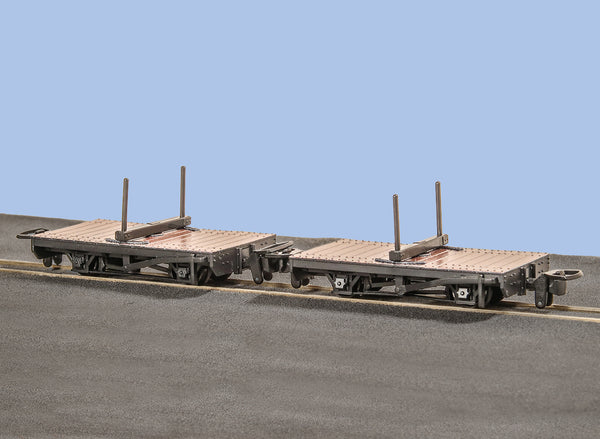
OO-9 4 Wheel Wagon - Bolster
These finely detailed ready to run coaches and wagons are accurately modelled on the rolling stock of the Lynton and Barnstaple Railway, both as an independent railway and after its' absorption into the Southern railway in 1922. They are also available painted but unlettered for those modellers who wish to tailor them for use on other lines.
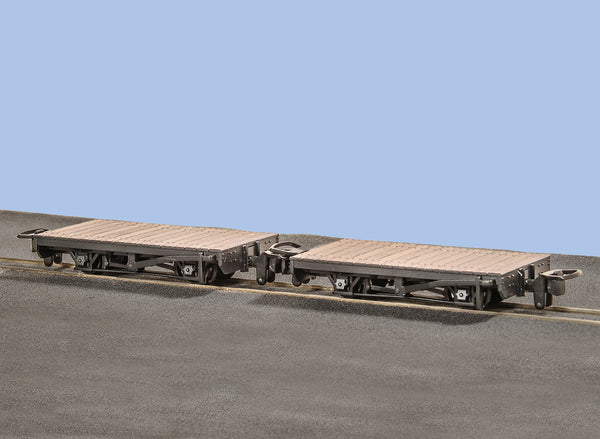
OO-9 4 Wheel Wagon - Flat
These finely detailed ready to run coaches and wagons are accurately modelled on the rolling stock of the Lynton and Barnstaple Railway, both as an independent railway and after its' absorption into the Southern railway in 1922. They are also available painted but unlettered for those modellers who wish to tailor them for use on other lines.
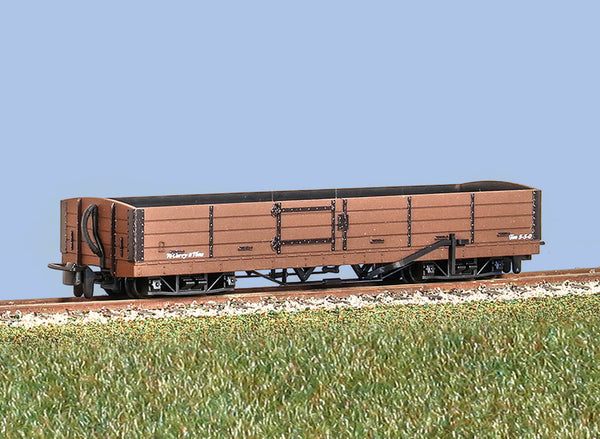
OO-9 Bogie Open Wagon Brown
Based on our GR-231 Lynton & Barnstaple wagon (SR Livery) No 28313, this is an unlettered version for those who wish to create their own narrow gauge system or emulate another. Although unbranded, it still features the legally required weight and tare markings and strapping detail, plus separately-fitted brake levers and vacuum brake pipes. As with all of our previous models in this scale, it is free running and complete with couplings, which plug into the integral NEM pocket.
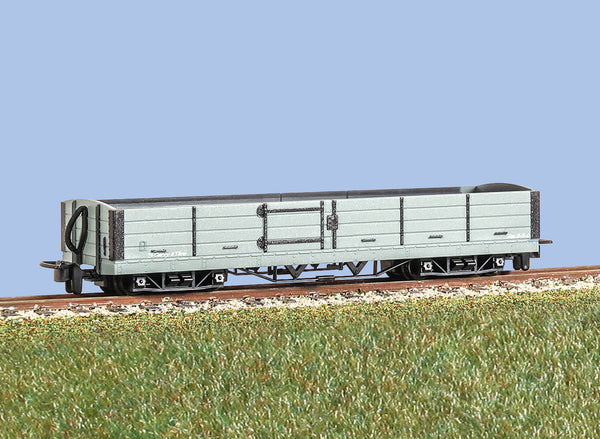
OO-9 Bogie Open Wagon Grey
Based on our GR-230 Lynton & Barnstaple wagon No 22, this is an unlettered version for those who wish to create their own narrow gauge system or emulate another. Although unbranded, it still features the legally required weight and tare markings and strapping detail, plus separately-fitted brake levers and vacuum brake pipes. As with all of our previous models in this scale, it is free running and complete with couplings, which plug into the integral NEM pocket.
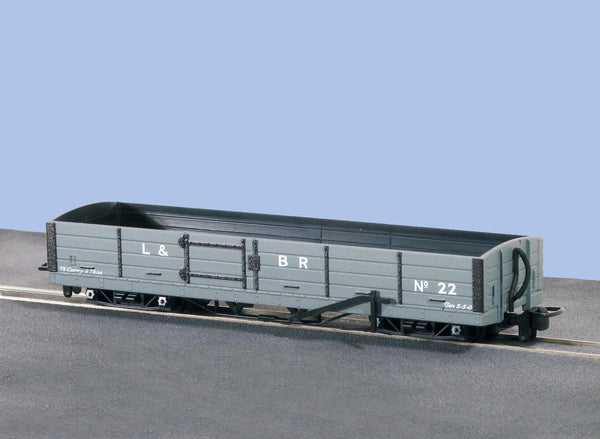
OO-9 Bogie Open Wagon L and B Livery No. 22
Wagon 22 was an open bogie vehicle of 8 ton capacity, built at the Lynton and Barnstaple Railway’s workshop at Pilton in 1903 to complement the existing fleet, which included a number of similar vehicles built by Bristol Wagon and Carriage Works. The LandBR had no regular freight workings, and goods vehicles were added to passenger trains as required. They were all fitted with vacuum brakes to allow them to be marshalled between the loco and coaches, and negate the need for a separate goods brakevan. Freight moved on the LandBR included coal, ballast, farm machinery, hay and even manure! From new all freight vehicles were painted light grey with black ironwork. Under Southern Railway ownership the wagons were repainted standard SR brown, and number 22 became SR number 28313. Our model faithfully represents this particular vehicle, with careful attention being paid to details in the livery, plus separately-fitted brake levers and vacuum brake pipes. As with all of our previous models in this scale, they are free running and complete with couplings, which plug into the integral NEM pocket.
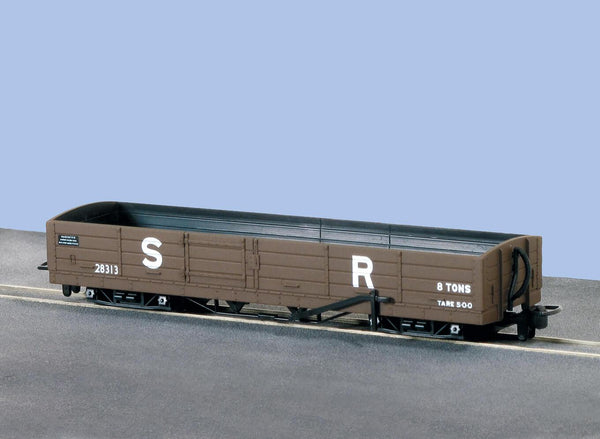
OO-9 Bogie Open Wagon SR Livery No. 28313
Wagon 22 was an open bogie vehicle of 8 ton capacity, built at the Lynton and Barnstaple Railway’s workshop at Pilton in 1903 to complement the existing fleet, which included a number of similar vehicles built by Bristol Wagon and Carriage Works. The LandBR had no regular freight workings, and goods vehicles were added to passenger trains as required. They were all fitted with vacuum brakes to allow them to be marshalled between the loco and coaches, and negate the need for a separate goods brakevan. Freight moved on the LandBR included coal, ballast, farm machinery, hay and even manure! From new all freight vehicles were painted light grey with black ironwork. Under Southern Railway ownership the wagons were repainted standard SR brown, and number 22 became SR number 28313. Our model faithfully represents this particular vehicle, with careful attention being paid to details in the livery, plus separately-fitted brake levers and vacuum brake pipes. As with all of our previous models in this scale, they are free running and complete with couplings, which plug into the integral NEM pocket.
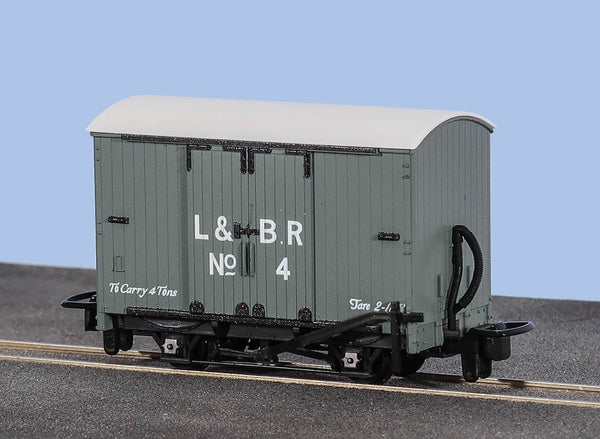
OO-9 Box Van Lynton and Barnstaple Livery No 4
These finely detailed ready to run coaches and wagons are accurately modelled on the rolling stock of the Lynton and Barnstaple Railway, both as an independent railway and after its' absorption into the Southern railway in 1922. They are also available painted but unlettered for those modellers who wish to tailor them for use on other lines.
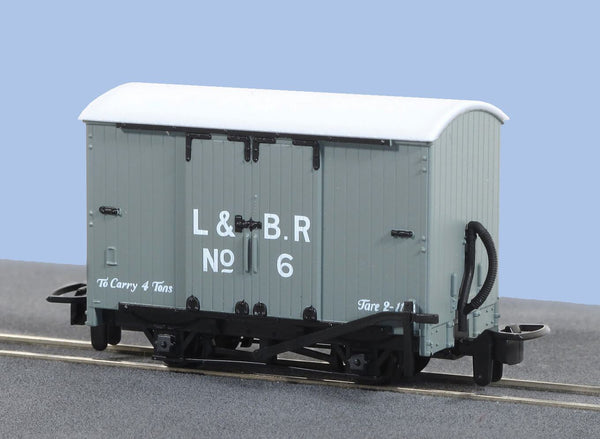
OO-9 Box Van Lynton and Barnstaple Livery No 6
These finely detailed ready to run coaches and wagons are accurately modelled on the rolling stock of the Lynton and Barnstaple Railway, both as an independent railway and after its' absorption into the Southern railway in 1922. They are also available painted but unlettered for those modellers who wish to tailor them for use on other lines.
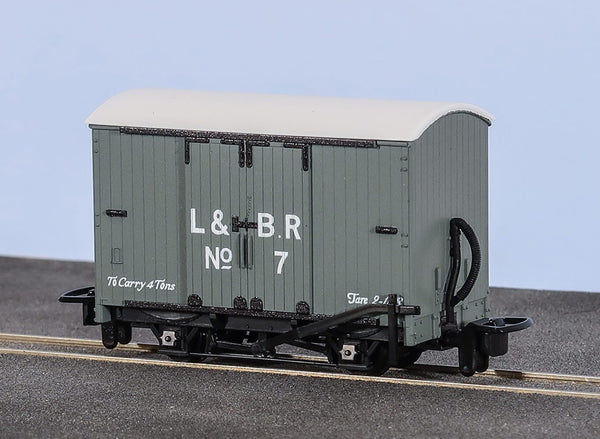
OO-9 Box Van Lynton and Barnstaple Livery No 7
These finely detailed ready to run coaches and wagons are accurately modelled on the rolling stock of the Lynton and Barnstaple Railway, both as an independent railway and after its' absorption into the Southern railway in 1922. They are also available painted but unlettered for those modellers who wish to tailor them for use on other lines.