


BROWSE PECO PRODUCTS
Browse through our complete product portfolio.
171 Products Found
LMS Clerestory Brake Coach Kit
Built between 1898 and 1902 by the Midland Railway, these elegant non-corridor coaches were built for use on express routes. Glue, paint and transfers are required to complete this model.
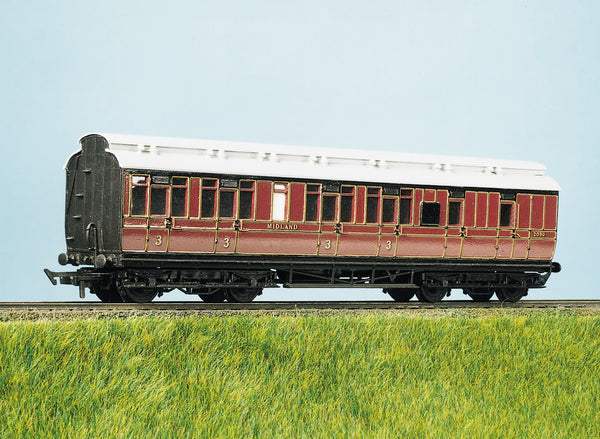
LMS Clerestory Coach Kit
Built between 1898 and 1902 by the Midland Railway, these elegant non-corridor coaches were built for use on express routes. Glue, paint and transfers are required to complete this model.
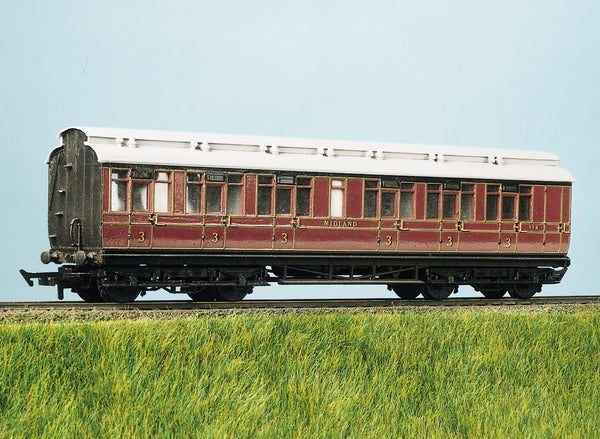
LMS Clerestory Composite Coach Kit
Built between 1898 and 1902 by the Midland Railway, these elegant non-corridor coaches were built for use on express routes. Glue, paint and transfers are required to complete this model.
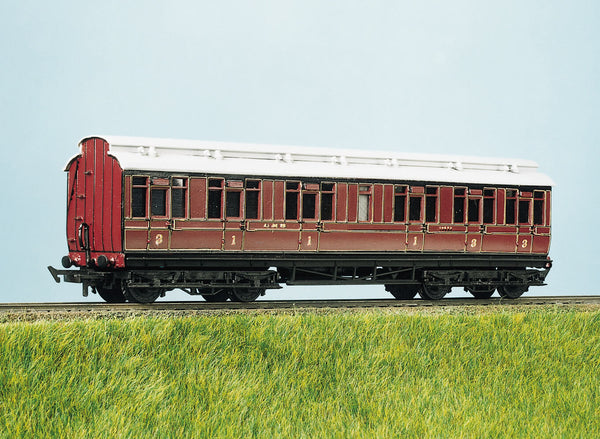
LMS Traffic Coal and 4 Plank Wagons Kit
Set of 2 wagons. Originally LNWR wagons, they were in common use for carrying coal and general merchandise. The kit includes metal wheels, transfers and brass buffers heads, and requires glue and paint to complete.
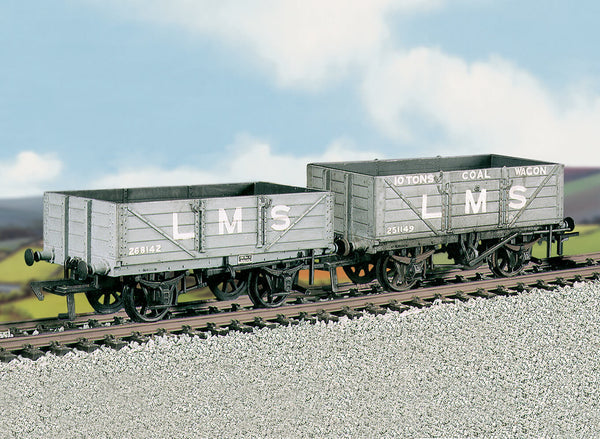
LMS/BR 20ton Brake Van
950 of these brake vans (diagram 1657) were built in 1927-1931. They lasted in general traffic until the mid 1960s. Some survivors in the Engineer’s fleet lasted into the 1980s.
These finely moulded plastic wagon kits come complete with pin point axle wheels and bearings. Glue and paint will be required, along with appropriate transfers. Additional parts to enable the vehicle to be modelled incorporating modifications made to the prototypes during their working life are included where appropriate.
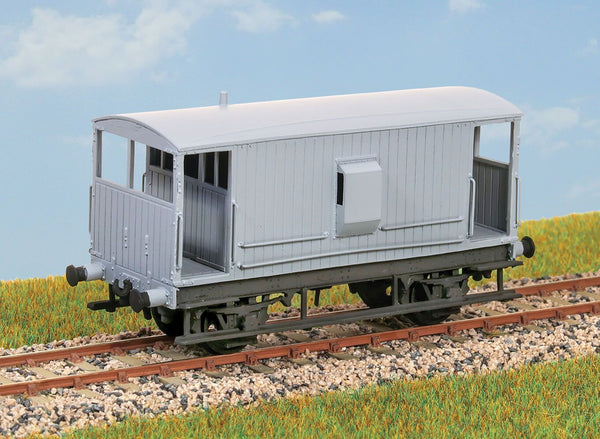
LNER 20ton Brake Van Toad E
900 of these vans were built between 1930 and 1936. Seen all over the former LNER system, they lasted in service into the mid 1960s. These finely moulded plastic wagon kits come complete with pin point axle wheels and bearings. Glue and paint will be required, along with appropriate transfers. Additional parts to enable the vehicle to be modelled incorporating modifications made to the prototypes during their working life are included where appropriate.
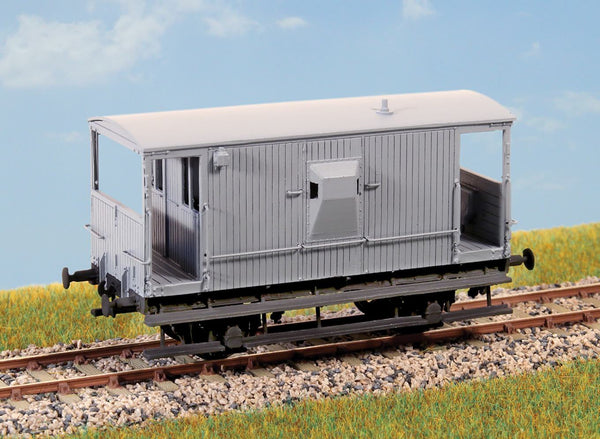
LNER Bogie Bolster Wagon
(Quad) In 1921 the NER bought a number of these wagons from the Government. They lasted until the mid 1950s. Several worked as flat wagons. These finely moulded plastic wagon kits come complete with pin point axle wheels and bearings. Glue and paint will be required, along with appropriate transfers. Additional parts to enable the vehicle to be modelled incorporating modifications made to the prototypes during their working life are included where appropriate.
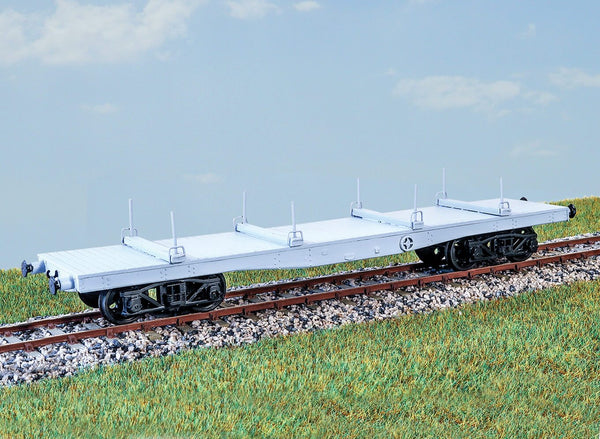
LNER Bogie Brick Wagon
Built in 1930 (repeating a 1921 GNR design), these wagons (diagram 70) carried brick between Peterborough and London. Examples were in use until 1966. These finely moulded plastic wagon kits come complete with pin point axle wheels and bearings. Glue and paint will be required, along with appropriate transfers. Additional parts to enable the vehicle to be modelled incorporating modifications made to the prototypes during their working life are included where appropriate.
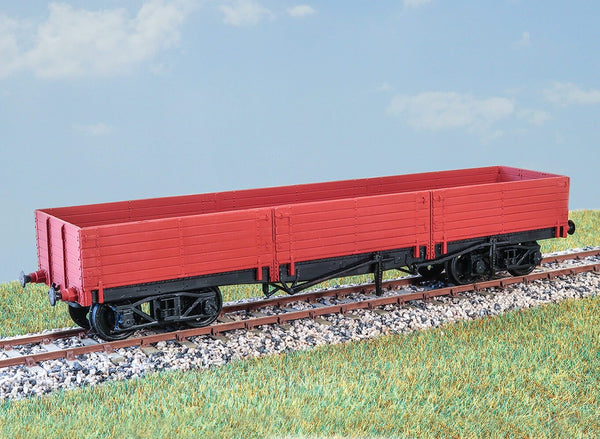
LNER Bogie Sulphate Wagon
Eighty of these wagons (diagram 69) were built in the 1930s to carry fertilizer from the I.C.I. Works at Billingham, Tee-side. Many ended their days carrying refuse in the Kings Cross area in the 1960s.These finely moulded plastic wagon kits come complete with pin point axle wheels and bearings. Glue and paint will be required, along with appropriate transfers. Additional parts to enable the vehicle to be modelled incorporating modifications made to the prototypes during their working life are included where appropriate.
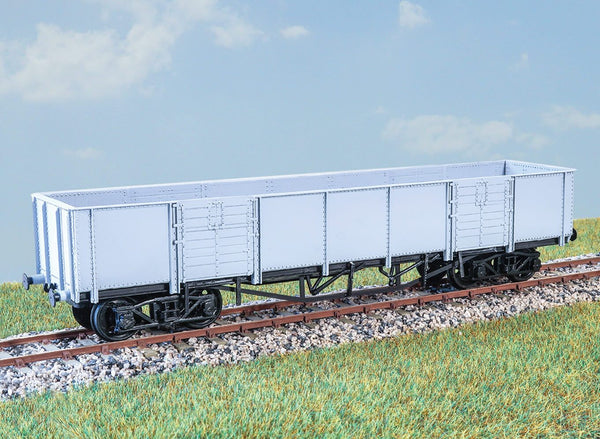
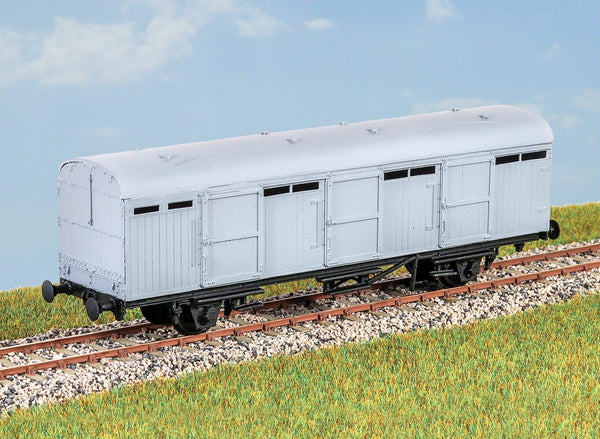
LNER Extra Long CCT Van
Built in two batches in 1939 and 1950, these vehicles (diagram 6) were used to carry parcels, mail and motor vehicles in passenger and parcels trains until 1980. These finely moulded plastic wagon kits come complete with pin point axle wheels and bearings. Glue and paint will be required, along with appropriate transfers. Additional parts to enable the vehicle to be modelled incorporating modifications made to the prototypes during their working life are included where appropriate.
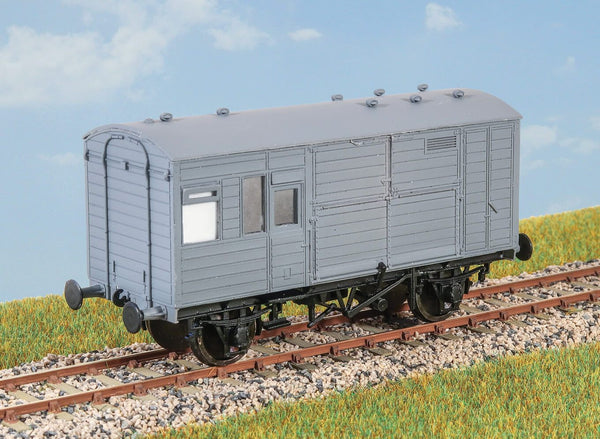
LNER Horse Box Wagon
30 of these horse boxes (diagram 5) were built by the LNER in 1938, mainly to carry racehorses to meetings throughout Britain. Many lasted into the early 1960s. These finely moulded plastic wagon kits come complete with pin point axle wheels and bearings. Glue and paint will be required, along with appropriate transfers. Additional parts to enable the vehicle to be modelled incorporating modifications made to the prototypes during their working life are included where appropriate.
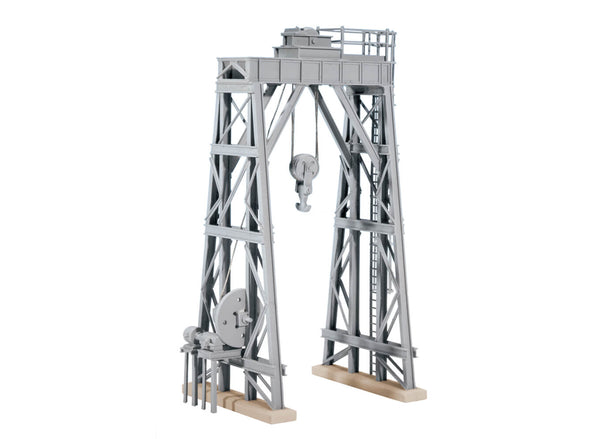
Locomotive Lifting Hoist
Modelled on a hoist found at Plymouth Laira depot which is still in use today assisting with the maintenance of Locos and rolling stock. An Inspection Pit (Peco LK-56/156) was also often provided.The Rolling Underframe kit (Ref 546A) can be added to transform this unit into a movable crane. Supplied with pre-coloured parts although painting and/or weathering can add realism (See the Pecoscene Weathering Powder range PS-360 - 365); glue is required to complete this model. Footprint 61mm wide, Span 90mm