

BROWSE PECO PRODUCTS
Browse through our complete product portfolio.
171 Products Found
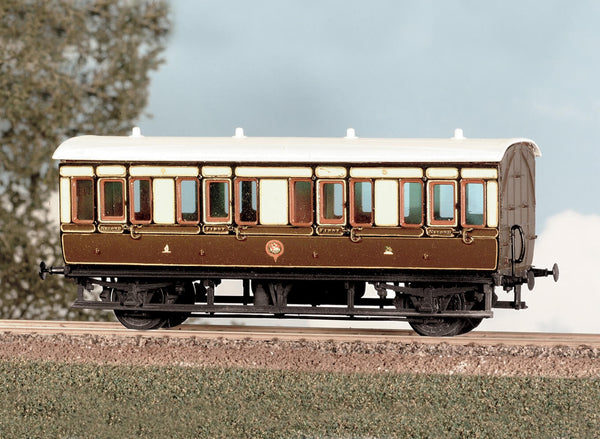
GWR 4 Wheel Composite Coach Kit
These coaches were constructed between 1890 and 1902 for rural duties, but lasted up until the 1950's on workmen's trains and the like. Glue, paint and transfers are required to complete this model.
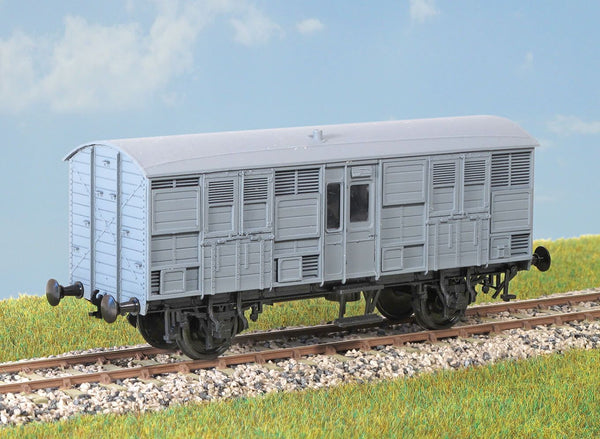
GWR Beetle Prize Cattle Wagon
Introduced to carry valuable cattle with their attendants, they were mainly seen on passenger trains until the 1950s. These finely moulded plastic wagon kits come complete with pin point axle wheels and bearings. Glue and paint will be required, along with appropriate transfers. Additional parts to enable the vehicle to be modelled incorporating modifications made to the prototypes during their working life are included where appropriate.
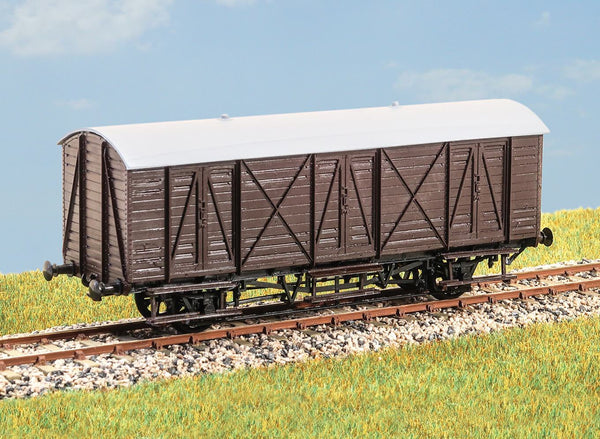
GWR Bloater Fish Van
Introduced in 1916 to carry fish from the many ports on the Great Western Railway, these vans (diagram S8) lasted in regular traffic until 1943.These finely moulded plastic wagon kits come complete with pin point axle wheels and bearings. Glue and paint will be required, along with appropriate transfers. Additional parts to enable the vehicle to be modelled incorporating modifications made to the prototypes during their working life are included where appropriate.
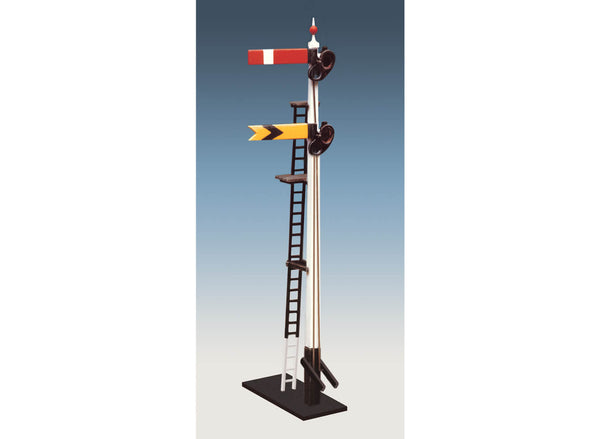
GWR Home and Distant Signal
Part of the Ratio 'Quick Assembly' family of signals. These allow you to make home and distant signals quickly and easily. They include signal operating wire and lever. This kit enables you to replicate a GWR Home and Distant Signal. Kit includes pre-coloured signal arms, glue and paints required to complete model.
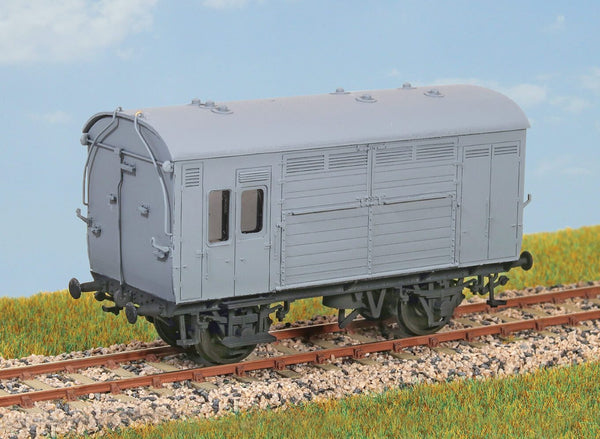
GWR Horse Box Wagon
Diagram N13. 300 of these were built in the 1920s with many lasting into the 1950s and 60s. Seen throughout Britain carrying horses to racecourses and stables, invariably marshalled in passenger or parcel trains. These finely moulded plastic wagon kits come complete with pin point axle wheels and bearings. Glue and paint will be required, along with appropriate transfers. Additional parts to enable the vehicle to be modelled incorporating modifications made to the prototypes during their working life are included where appropriate.
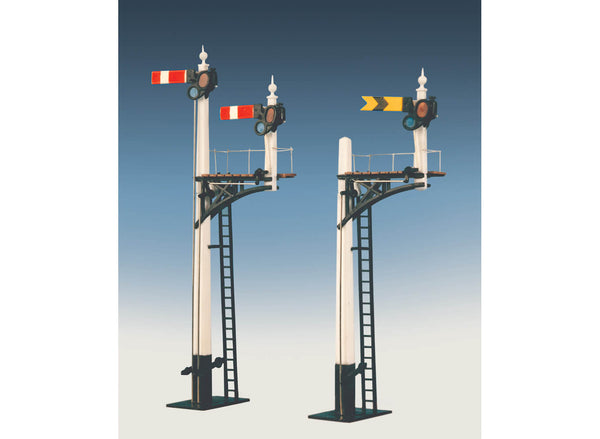
GWR Junction/Bracket Signal
Part of the Ratio 'Quick Assembly' family of signals. These allow you to make home and distant signals quickly and easily. They include signal operating wire and lever. This kit enables you to replicate a GWR Junction/Bracket signal, either as a Home, Distant or combined Home and Distant signal. Glue and paints required to complete model.
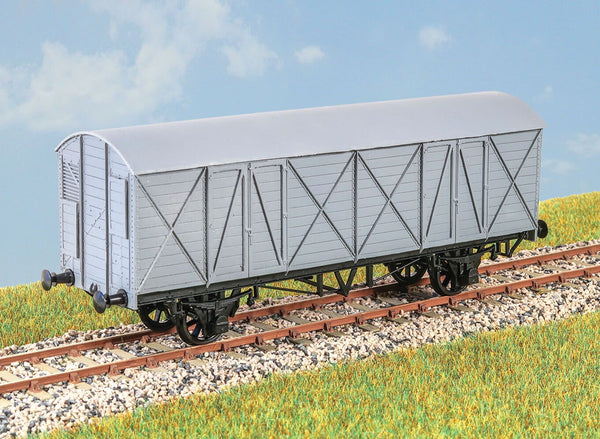
GWR Mink Goods Van
Introduced in 1906, these vans (diagram V11) were used for general goods traffic until during the Second World War. Being fitted with the vacuum brake, they were frequently found on GWR express goods trains. These finely moulded plastic wagon kits come complete with pin point axle wheels and bearings. Glue and paint will be required, along with appropriate transfers. Additional parts to enable the vehicle to be modelled incorporating modifications made to the prototypes during their working life are included where appropriate.
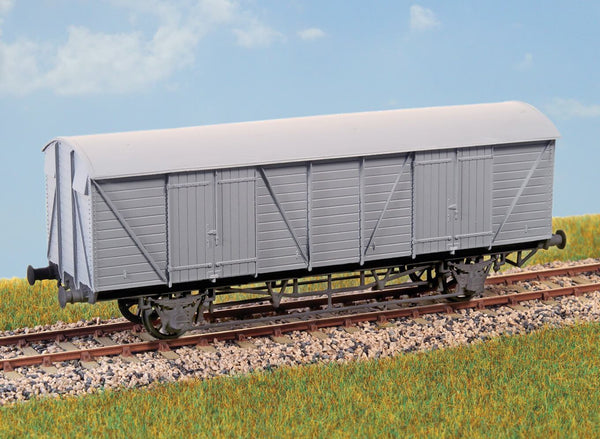
GWR Mink Goods Van
(Diagram V22) Introduced in 1931 to carry express goods traffic between the main stations on the GWR system. One hundred were built and lasted in service until the 1960s.These finely moulded plastic wagon kits come complete with pin point axle wheels and bearings. Glue and paint will be required, along with appropriate transfers. Additional parts to enable the vehicle to be modelled incorporating modifications made to the prototypes during their working life are included where appropriate.
GWR Python Covered Carriage Coach Van
Introduced in 1914, these vehicles carried parcels and motor vehicles until the early days of BR. These finely moulded plastic wagon kits come complete with pin point axle wheels and bearings. Glue and paint will be required, along with appropriate transfers. Additional parts to enable the vehicle to be modelled incorporating modifications made to the prototypes during their working life are included where appropriate.
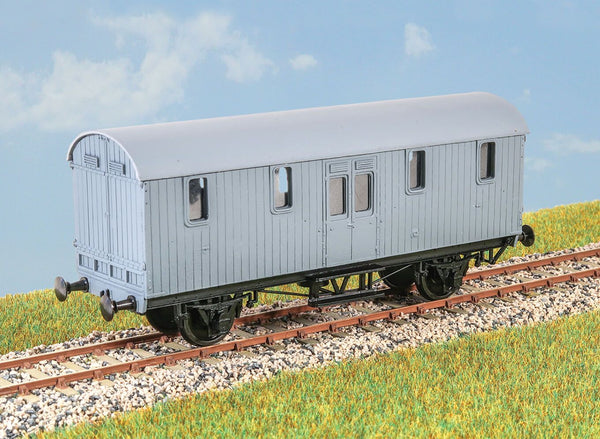
GWR Signal Box
Although modelled on the signal box at Highley, Severn Valley Railway, this box was designed by the private signalling firm Mackenzie and Holland, making it suitable for many areas of the country. The Ratio Signal Box Interior kit 553 will provide a wealth of interior detail. Supplied with pre-coloured parts although painting and/or weathering can add realism; glue is required to complete this model. Footprint 92mm x 51mm inc. steps.

GWR Wooden Station Building (Monkton Combe)
Monkton Combe, once an intermediate station on the long-closed Camerton branch near Bath, was thrust into the limelight in 1952 when it was chosen to be the location for the filming of the famous Ealing Comedy "The TitfieldThunderbolt". 
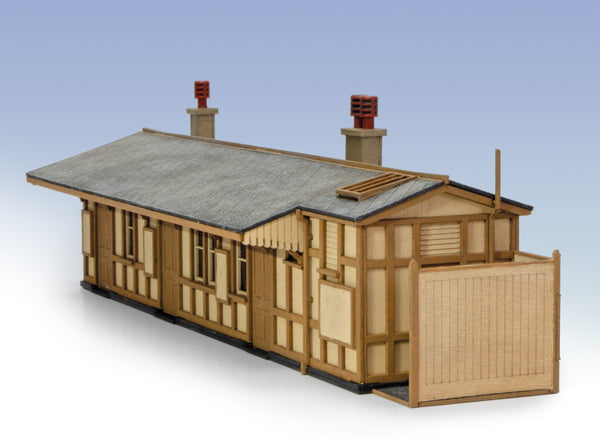
Highland Railway Signal Box
A accurately laser cut wood kit supplemented by injection moulded roof. Glue and paints required to complete model.
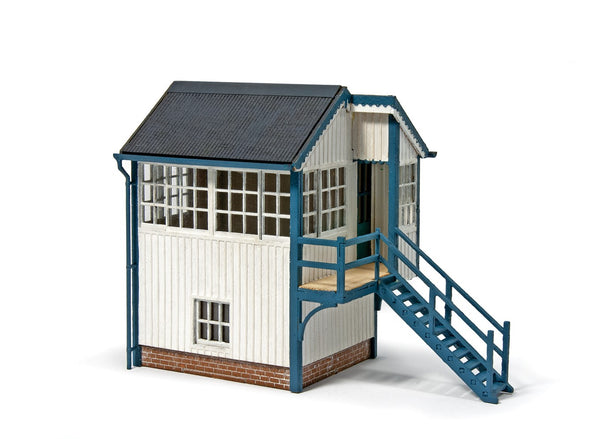
Large Water Tower
This 20,000 gallon design is equally at home replenishing water troughs, a large motive power depot or supplying several platform mounted water cranes (See Ratio Water Crane and Fire Devil kit 413 and Peco LK-2 Water Cranes). Supplied with pre-coloured parts although painting and/or weathering can add realism (See the Pecoscene Weathering Powder range PS-360 - 365); glue is required to complete this model. Footprint 122mm x 49mm
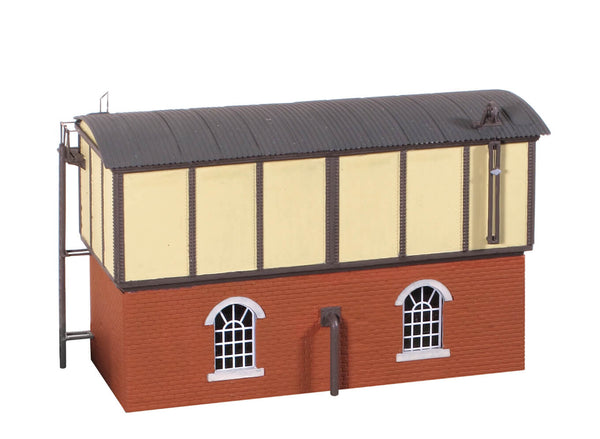
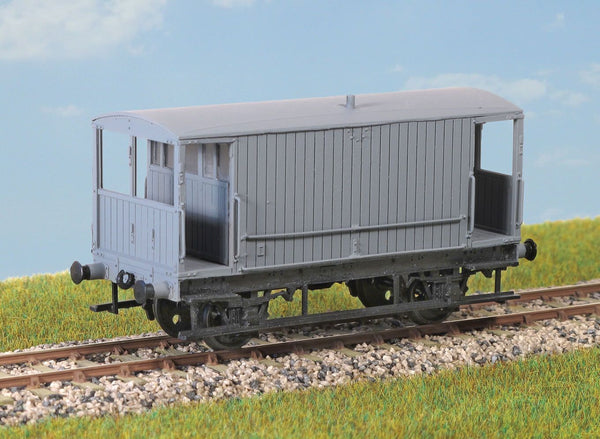
LMS 20ton Goods Brake Van
849 of these vans (diagram 1659) were built between 1924 and 1927. In general traffic they survived into the 1960s, while those in Engineer’s fleet lasted into the 1980s. These finely moulded plastic wagon kits come complete with pin point axle wheels and bearings. Glue and paint will be required, along with appropriate transfers. Additional parts to enable the vehicle to be modelled incorporating modifications made to the prototypes during their working life are included where appropriate.
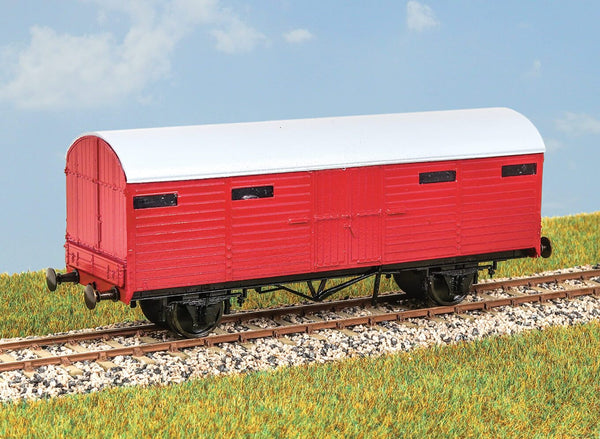
LMS 4 Wheel CCT Van
Built in 1935- 1937, 125 of these useful vans (diagram 1929) carried parcels, mail and motor vehicles in passenger and parcels trains until the early 1970s. These finely moulded plastic wagon kits come complete with pin point axle wheels and bearings. Glue and paint will be required, along with appropriate transfers. Additional parts to enable the vehicle to be modelled incorporating modifications made to the prototypes during their working life are included where appropriate.
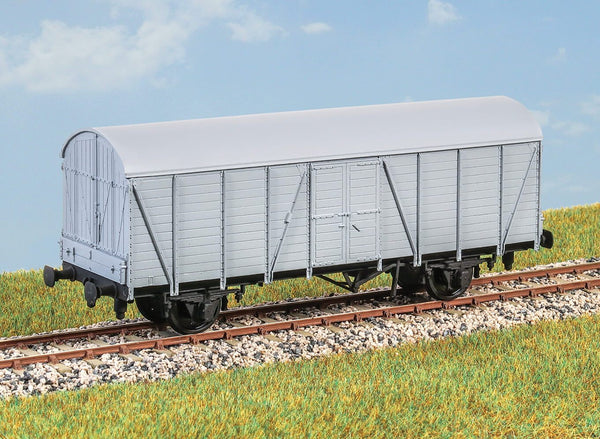
LMS 4 Wheel Motor Car Van
150 of these vans (diagram 2026) were built in 1938, with a further 75 by BR in 1952-1957. Classed as motor car vans, they were also used for parcels and mail.
These finely moulded plastic wagon kits come complete with pin point axle wheels and bearings. Glue and paint will be required, along with appropriate transfers. Additional parts to enable the vehicle to be modelled incorporating modifications made to the prototypes during their working life are included where appropriate.
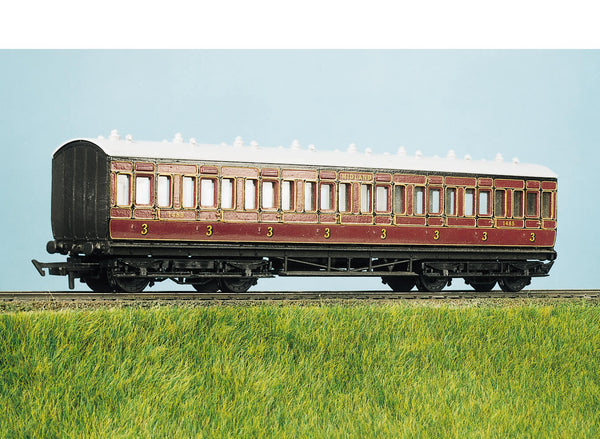
LMS 48 feet Suburban Coach Kit
These non-corridor coaches were built between 1903 and 1910 by the Midland Railway. They were used as close coupled sets for suburban services in the Manchester and Birmingham areas, remaining in service until the early 1950's. Glue, paint and transfers are required to complete this model.
LMS 48 feet Suburban Coach Kit
These non-corridor coaches were built between 1903 and 1910 by the Midland Railway. They were used as close coupled sets for suburban services in the Manchester and Birmingham areas, remaining in service until the early 1950's. Glue, paint and transfers are required to complete this model.
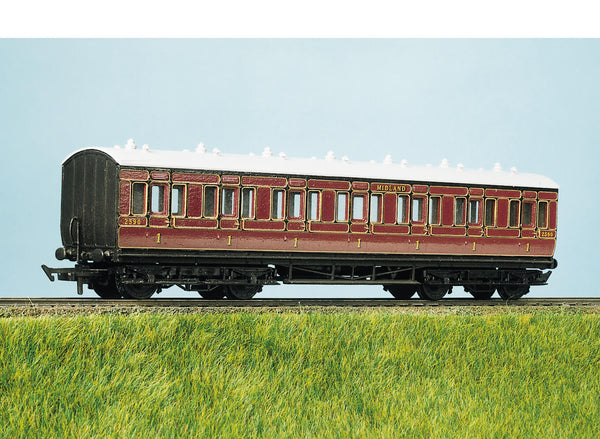
LMS 48 feet Suburban Coach Kit
These non-corridor coaches were built between 1903 and 1910 by the Midland Railway. They were used as close coupled sets for suburban services in the Manchester and Birmingham areas, remaining in service until the early 1950's. Glue, paint and transfers are required to complete this model.
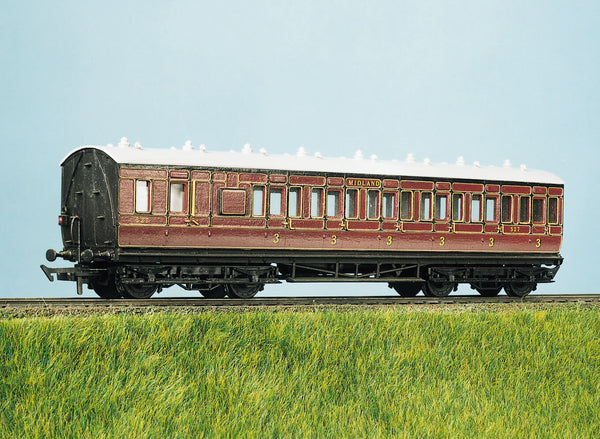
LMS 48 feet Suburban Coach Kit
These non-corridor coaches were built between 1903 and 1910 by the Midland Railway. They were used as close coupled sets for suburban services in the Manchester and Birmingham areas, remaining in service until the early 1950's. Glue, paint and transfers are required to complete this model.
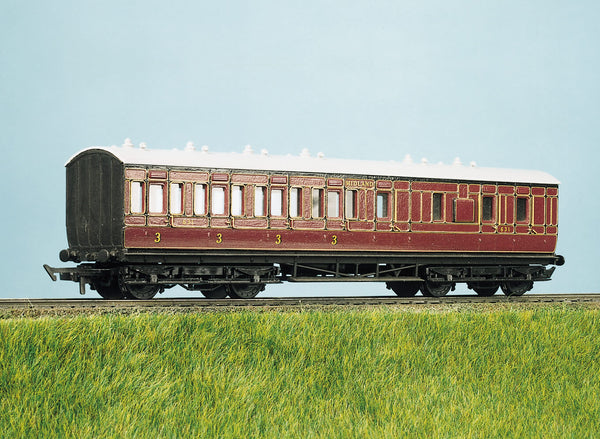
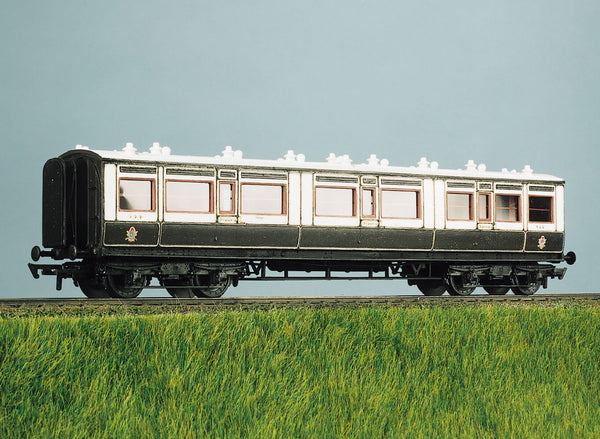
LMS 50ft Arc Roof Corridor Brake Coach Kit
A total of 650 coaches of this type were built at Wolverton between 1891 and 1903 by the London and North Western Railway for main line service and many of them were transferred into the LMS after the 1923 Grouping. Glue, paint and transfers are required to complete this model.
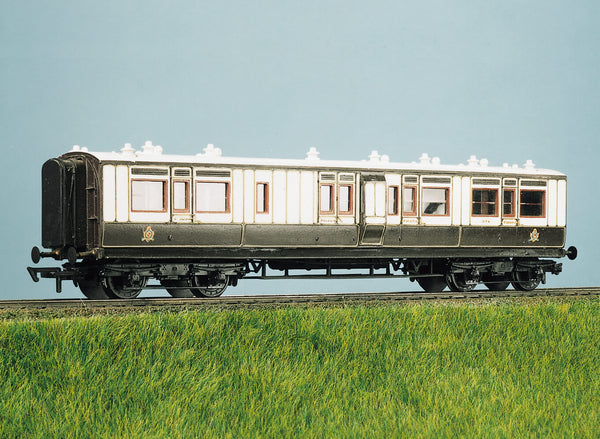
LMS 50ft Arc Roof Corridor Brake Composite Coach Kit
A total of 650 coaches of this type were built at Wolverton between 1891 and 1903 by the London and North Western Railway for main line service and many of them were transferred into the LMS after the 1923 Grouping. Glue, paint and transfers are required to complete this model.
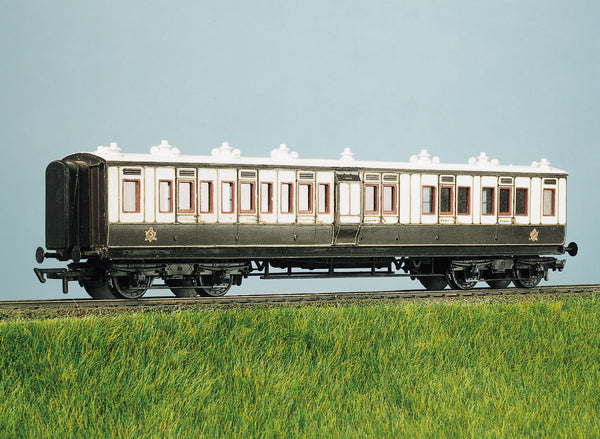
LMS 50ft Arc Roof Corridor Coach Kit
A total of 650 coaches of this type were built at Wolverton between 1891 and 1903 by the London and North Western Railway for main line service and many of them were transferred into the LMS after the 1923 Grouping. Glue, paint and transfers are required to complete this model.
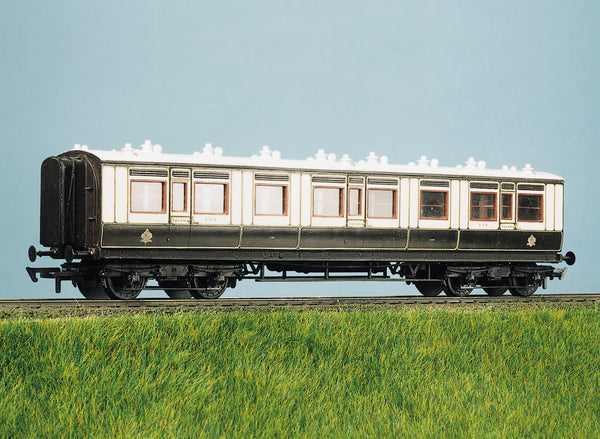
LMS 50ft Arc Roof Corridor Composite Coach Kit
A total of 650 coaches of this type were built at Wolverton between 1891 and 1903 by the London and North Western Railway for main line service and many of them were transferred into the LMS after the 1923 Grouping. Glue, paint and transfers are required to complete this model.