


BROWSE PECO PRODUCTS
Browse through our complete product portfolio.
567 Products Found
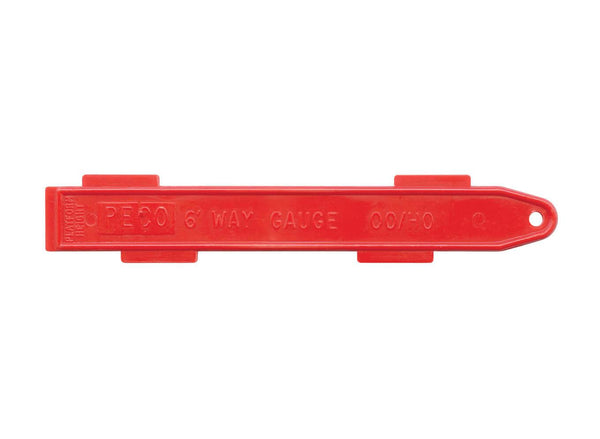
6ft Way Gauge
A small but useful item to ensure the accurate spacing of double tracks in 00/H0 along both straight and curved sections. Also gauges platform height to the recommended 14mm (3ft 6ins in 4mm scale).
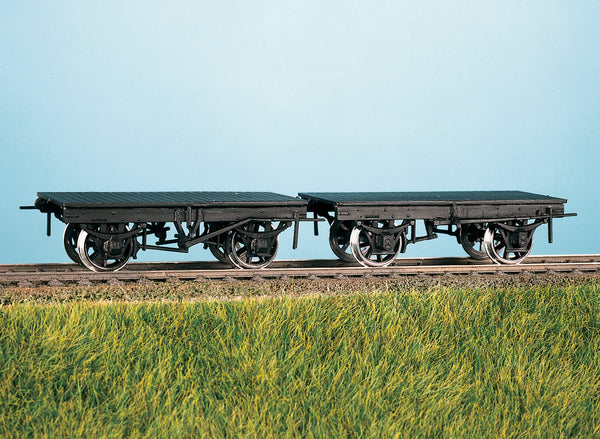
9 ft Wheelbase LN WR/LMS Wagon Underframe Kit
Contains 2 underframe kits for unfitted pre group wagon underframe with wooden type solebars. Kit and scratch builders' accessory; glue and paints are required to complete this model.
Abutments with Wing Walls
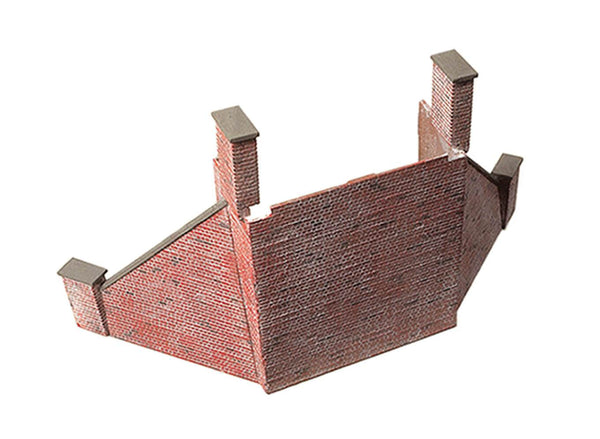
A pair of abutments with 4 wing walls. Designed for use with the SS57 Vari Girder kit, LK-10 and 11 Girder Bridge sides and the SS26 Victorian style bridge but suitable for any bridge project. Supplied with pre-coloured parts although painting and/or weathering can add realism; glue is required to complete this model. Footprint: 202mm x 96mm
Anderson and Co Coal 7 Plank
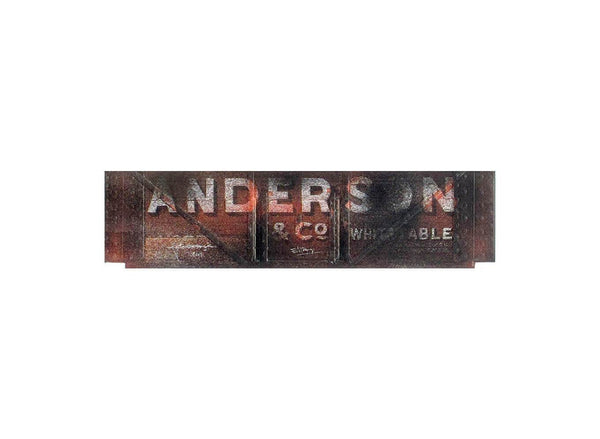
00 Card wagon body kits, designed to be used with the R20 Underframe kit. Romford wheels and bearings can be used to complete the model.
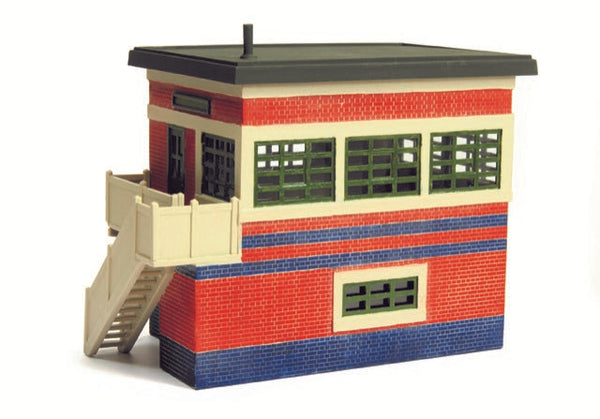
ARP Signal Box
These specially reinforced ARP (Air Raid Precautions) signal boxes featured substantial construction, primarily to protect the locking room gear from bomb blasts during air raids in World War II. A number of similar signal box designs were still to be found around the rail network until quite recently, due to them being difficult to demolish!
The 554 includes all moulded parts required which are produced to a high standard and in base colours. Kit requires painting and light weathering to create the signal box pictured above.
Ballast Bins
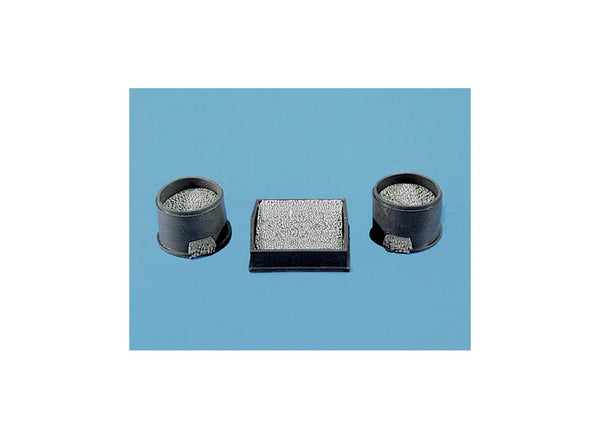
Pack contains 3 Ballast Bins; seen spread along the railway to enable the permanent way crew (See Modelscene 5077 Track Maintenance Party) to add additional ballast where neccesary.
Barn
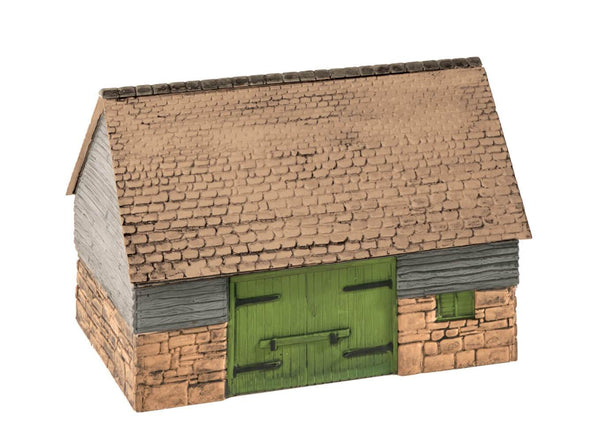
A traditional barn building, for storing crops or farm machinery; the Farmyard Junk Set SSAM100 will help set the scene. Supplied with pre-coloured parts although painting and/or weathering can add realism; glue is required to complete this model. Footprint: 103mm x 68mm.
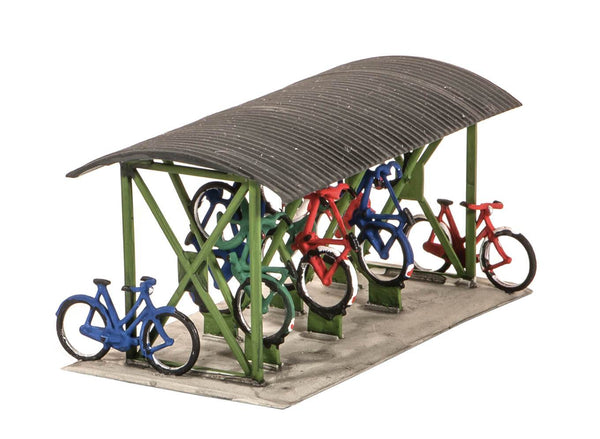
Bicycle Shed and Bicycles
Seen at many stations as well as at schools and factories. Supplied with pre-coloured parts although painting and/or weathering can add realism; glue is required to complete this model. Footprint: 74mm x 37mm.
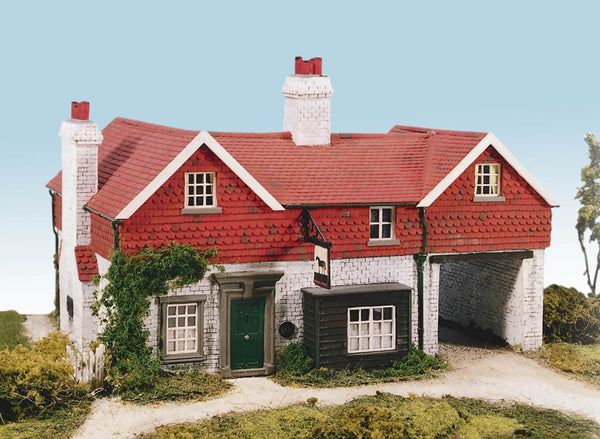
Black Horse Inn
The Craftsman series from Wills offers the more experienced modeller a cost effective way to make large, highly individual models. They cover a range of typically British buildings both railway and domestic; each kit includes plastic moulded materials sheets, detailed parts, illustrated instructions and templates. The use of sheet materials rather than moulded parts for the main components allows the opportunity to easily modify the design to suit your needs. Should you wish to extend the building the same materials sheets are available separately (see the Wills Materials Pack range). Similarly it would be easy to add additional doors and/or windows if required.
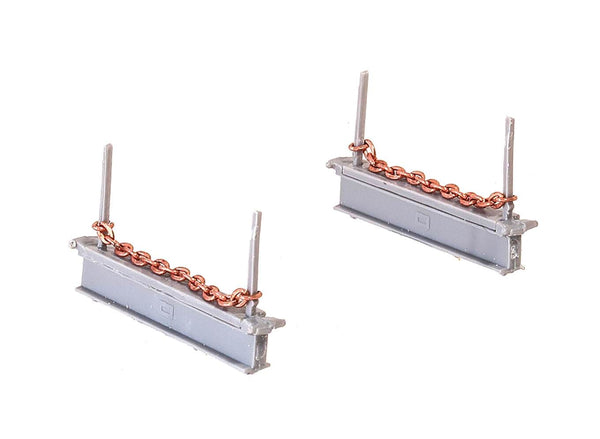
Bolster Set
Kit and scratch builders accessory; as included in the 21 ton Twin Bolster wagon kit PC18.
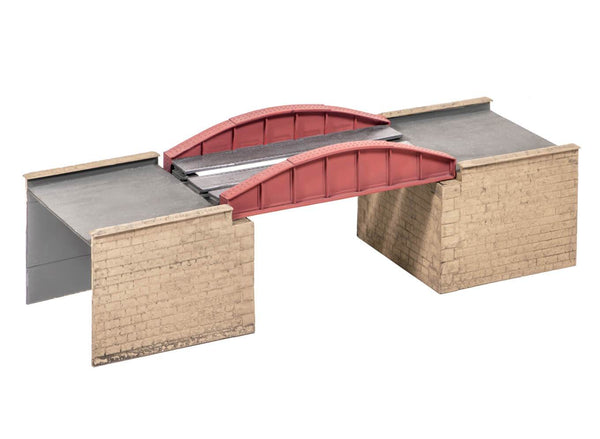
Bow Plate Girder Bridge
A single track Bow Plate Girder Bridge, includes stone abutments. Supplied with pre-coloured parts although painting and/or weathering can add realism; glue is required to complete this model. Footprint: 203mm x 63mm
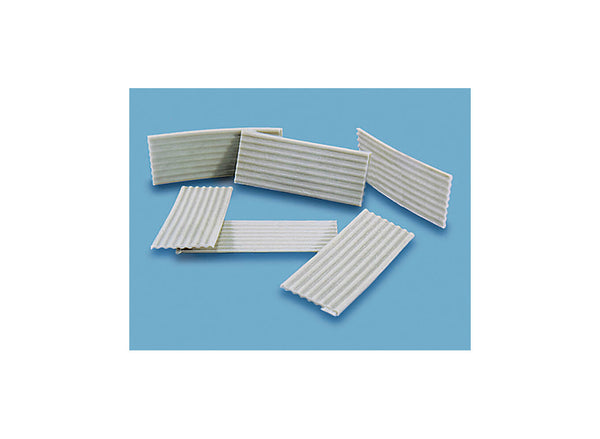
Box Profile Corrugated Steel
These sheets are invaluable for scratchbuilding, saving many hours of repetitive work creating the various surface patterns and textures. They are the same as those used in the Craftsman kits to make extension work easier. Each pack contains 4 sheets 130mm x 75mm of injection moulded styrene approximately 2mm thick, making them rigid enough to be self supporting.
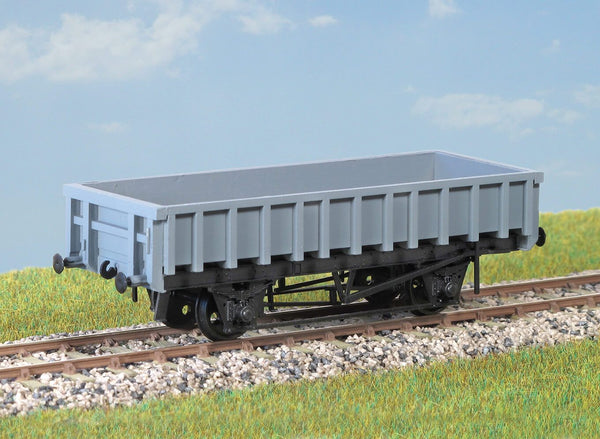
BR 'Clam' 21ton Ballast Wagon
Built 1989-1991 on ex hopper chassis, 400 clam wagons carried mainly waste ballast. These finely moulded plastic wagon kits come complete with pin point axle wheels and bearings. Glue and paint will be required, along with appropriate transfers . Additional parts to enable the vehicle to be modelled incorporating modifications made to the prototypes during their working life are included where appropriate.
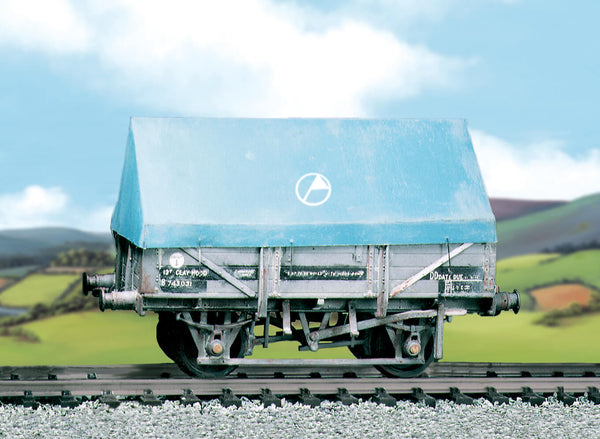
BR 'Clayhood' China Wagon
BR built 875 of these wagons between 1954 and 1960 for use on the West Country china clay workings. The first 100 wagons were unfitted, but all were later fitted with Morton vacuum brakes. Transfers are included; glue and paints are required to complete this model. Use the Pecoscene PS-361 China Clay Dust Weathering Powder to give that 'working vehicle' look to your wagon.
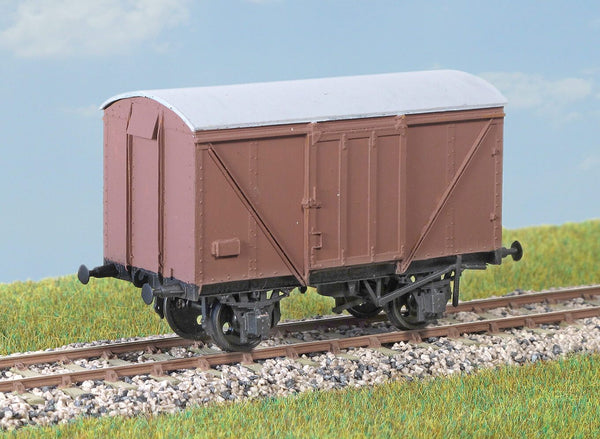
BR (LNER Design) Plywood Goods Van
These wagons (diagram 1/176) were built by the LNER from the end of the Second World War. 3250 were constructed to this diagram. Lasted until the early 1970s. These finely moulded plastic wagon kits come complete with pin point axle wheels and bearings. Glue and paint will be required, along with appropriate transfers. Additional parts to enable the vehicle to be modelled incorporating modifications made to the prototypes during their working life are included where appropriate.
BR 10 foot Chassis kit, LNER Pattern Clasp Brake Shoes
Kit and scratch builders accessory, as supplied with 13 ton Steel Open Goods Wagon kit PC01A.
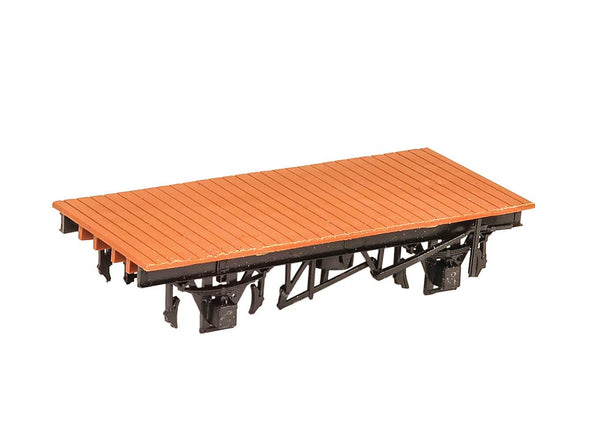
BR 10 foot Chassis kit, Vacuum Fitted with Clasp Brake Shoes
Kit and scratch builders accessory; as included in the 12 ton 'Vanwide' kit PC41. Includes both LMS (J' Hanger) and BR Type Spring Suspension detail.
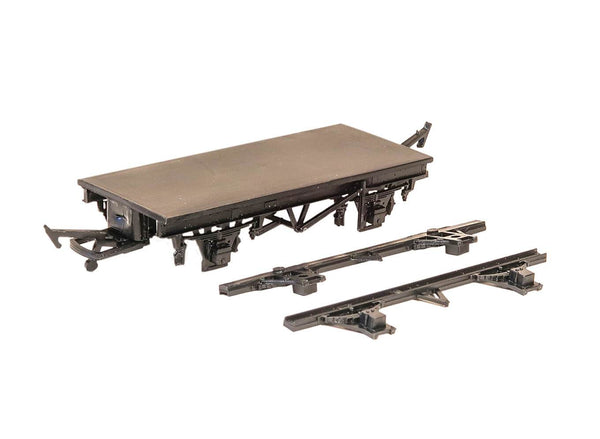
BR 10 foot Chassis kit, Vacuum Fitted with Push Brake Shoes
Kit and scratch builders accessory; as included in the Shock Absorbing Open wagon kit PC28.
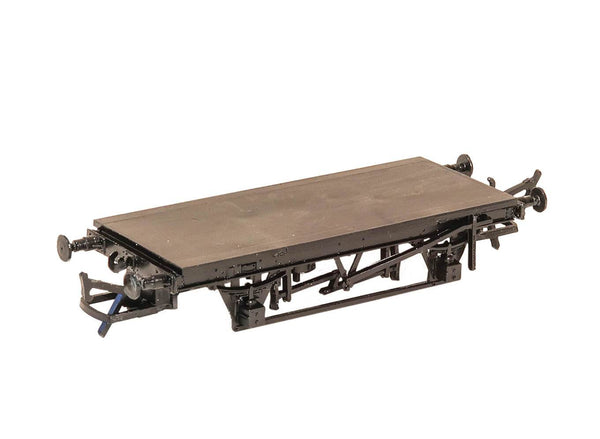
BR 10 foot Wagon Chassis kit, Vacuum fitted Morton Brake
Kit and scratch builders accessory, as supplied with 13 ton Wooden Open Goods Wagon kit PC02A.
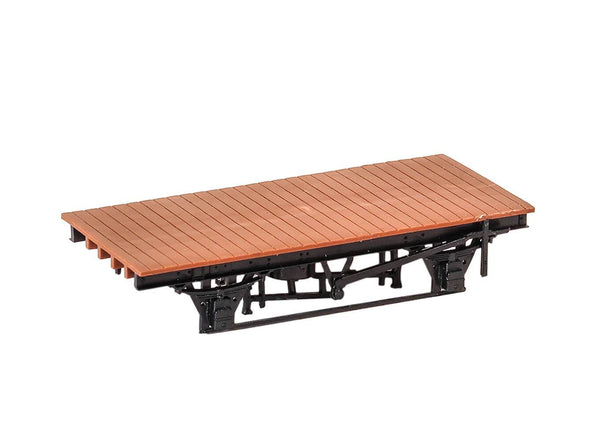
BR 10ton Insulated Meat Van
250 of these vans (diagram 1/251) were built in 1952/53 for carrying chilled meat. In the 1960s many were used as ordinary goods vans before withdrawal in the early 1970s. These finely moulded plastic wagon kits come complete with pin point axle wheels and bearings. Glue and paint will be required, along with appropriate transfers. Additional parts to enable the vehicle to be modelled incorporating modifications made to the prototypes during their working life are included where appropriate.
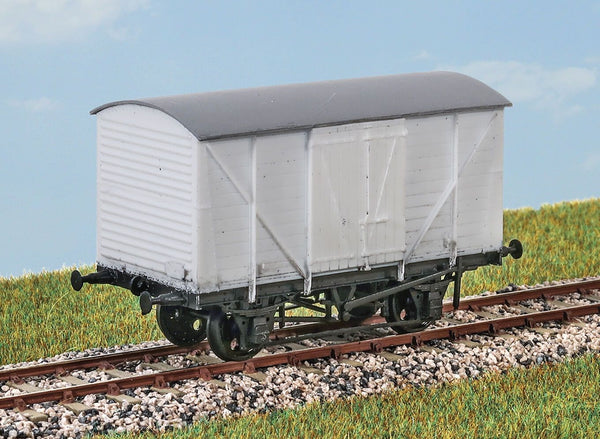
BR 12 foot Wagon Chassis kit (Unfitted) - Morton Brake
Kit and scratch builders accessory; as included in the 21 ton Loco Coal Wagon kit PC31.
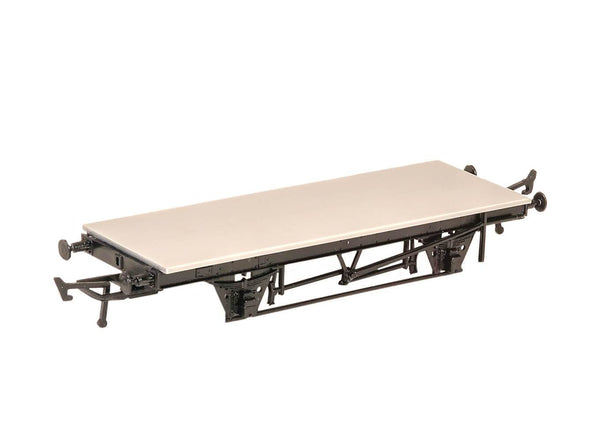
BR 12ton Fish Van
410 of these vans (diagram 800) were built in 1954 for express fish traffic. Either oil or roller bearing ‘Blue Spot’ types may be modelled. In later years many became ‘SPV’ parcels vans. These finely moulded plastic wagon kits come complete with pin point axle wheels and bearings. Glue and paint will be required, along with appropriate transfers. Additional parts to enable the vehicle to be modelled incorporating modifications made to the prototypes during their working life are included where appropriate.
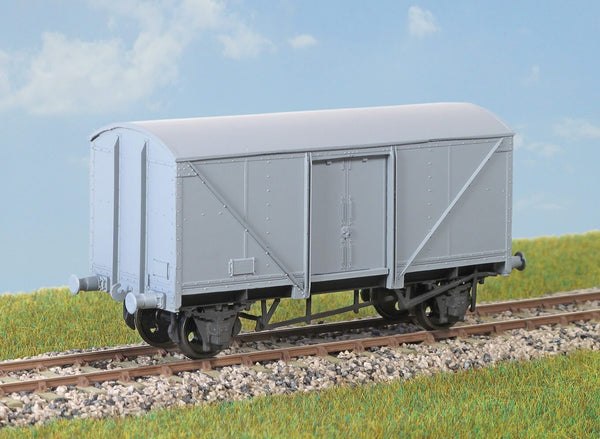
BR 12ton Fruit Van
200 of these vans (diagram 1/230) were built in 1949 for fruit, vegetable and flower traffic. Many survived until the mid 1970s. This van can easily be converted to an LMS (D2112) goods van of 1944. These finely moulded plastic wagon kits come complete with pin point axle wheels and bearings. Glue and paint will be required, along with appropriate transfers. Additional parts to enable the vehicle to be modelled incorporating modifications made to the prototypes during their working life are included where appropriate.
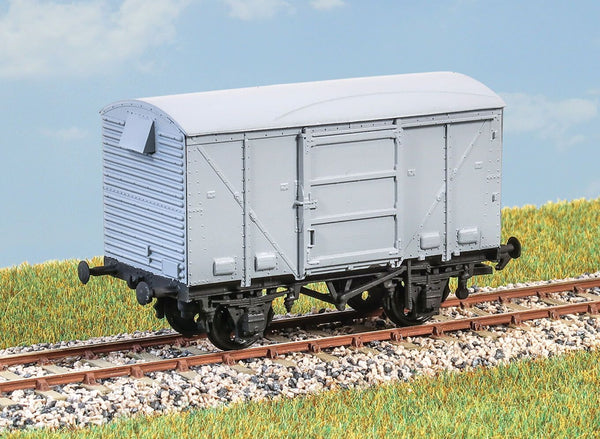
BR 12ton Goods Van Plywood Sides
3500 of these vans (diagram 1/213) were built in the mid 1950s for general goods traffic and lasted into the 1980s. Ventilation scoops are included for the fruit van variation.These finely moulded plastic wagon kits come complete with pin point axle wheels and bearings. Glue and paint will be required, along with appropriate transfers. Additional parts to enable the vehicle to be modelled incorporating modifications made to the prototypes during their working life are included where appropriate.
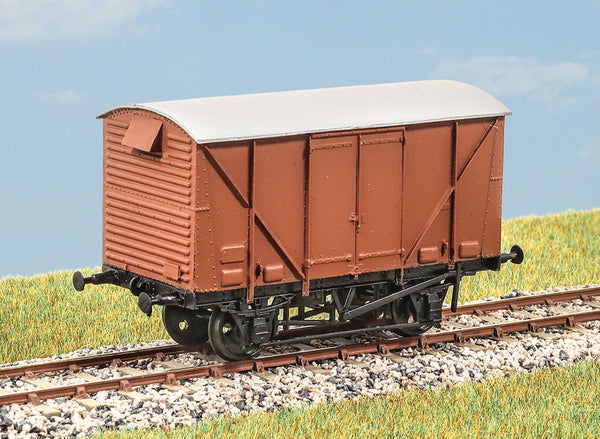
BR 12ton Pallet Van
Construction of these vans (diagram 1/211) started in 1952. Their wide doors were designed for loading by fork lift truck. They were withdrawn in the mid 1960s. These finely moulded plastic wagon kits come complete with pin point axle wheels and bearings. Glue and paint will be required, along with appropriate transfers. Additional parts to enable the vehicle to be modelled incorporating modifications made to the prototypes during their working life are included where appropriate.
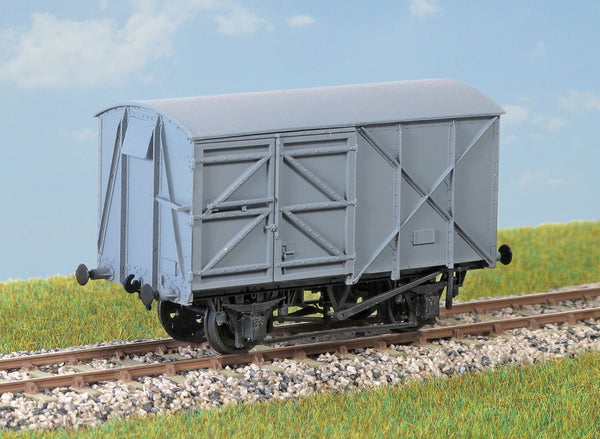
BR 12ton Pipe Wagon
Introduced in 1949 to an LMS design, 800 of these wagons (diagram 1/460) carried large diameter pipes for the construction industry. Withdrawn in the early 1980s. These finely moulded plastic wagon kits come complete with pin point axle wheels and bearings. Glue and paint will be required, along with appropriate transfers. Additional parts to enable the vehicle to be modelled incorporating modifications made to the prototypes during their working life are included where appropriate.
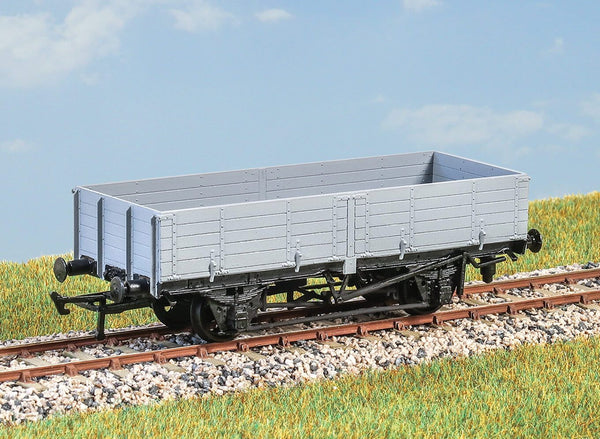
BR 12ton Van
In 1962, 1994 of these vans (diagram 1/217) were built. They have extra wide doors to allow fork lift trucks to handle loading. Some were converted to air brake operation. These finely moulded plastic wagon kits come complete with pin point axle wheels and bearings. Glue and paint will be required, along with appropriate transfers. Additional parts to enable the vehicle to be modelled incorporating modifications made to the prototypes during their working life are included where appropriate.
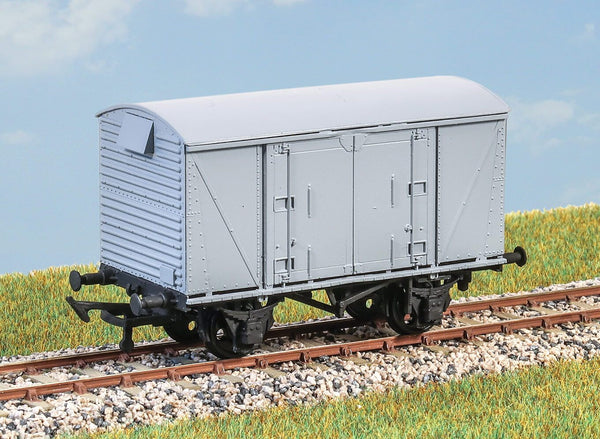
BR 12ton Van Plank Sides
Over 19,000 of these standard vans (diagram 1/208) were built in the 1950s for general goods traffic and lasted into the 1980s. Alternative plywood doors are included. These finely moulded plastic wagon kits come complete with pin point axle wheels and bearings. Glue and paint will be required, along with appropriate transfers . Additional parts to enable the vehicle to be modelled incorporating modifications made to the prototypes during their working life are included where appropriate.
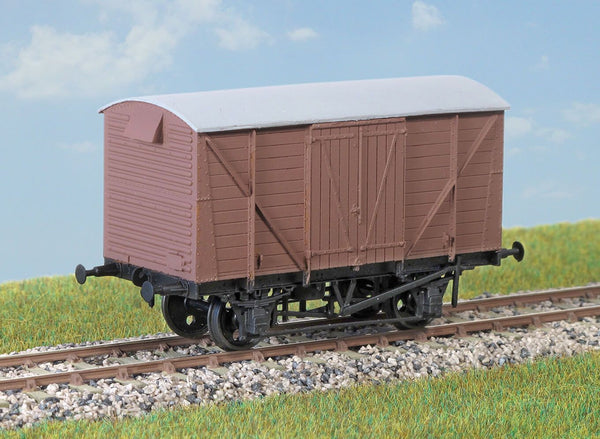
BR 13ton Medium Goods Wagon
(Diagram 1/019) 4000 were built in 1950-55 to carry such loads as farm machinery and containers. In the 60s they had a second lease of life as Civil Engineers’ ballast wagons. Withdrawn in 1970s/80s.
These finely moulded plastic wagon kits come complete with pin point axle wheels and bearings. Glue and paint will be required, along with appropriate transfers. Additional parts to enable the vehicle to be modelled incorporating modifications made to the prototypes during their working life are included where appropriate.
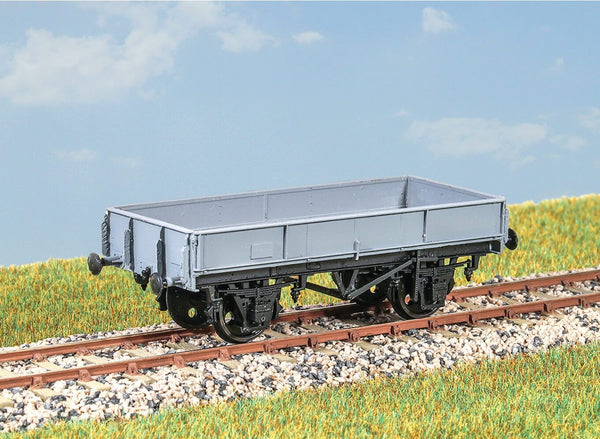
BR 13ton Open Goods Wagon
Over 8000 of these wagons (diagram 1/039, 1/044) were built to an LMS design in the 1950s. Used until the 1980s, some lasted another decade in the Civil Engineer’s fleet. These finely moulded plastic wagon kits come complete with pin point axle wheels and bearings. Glue and paint will be required, along with appropriate transfers. Additional parts to enable the vehicle to be modelled incorporating modifications made to the prototypes during their working life are included where appropriate.
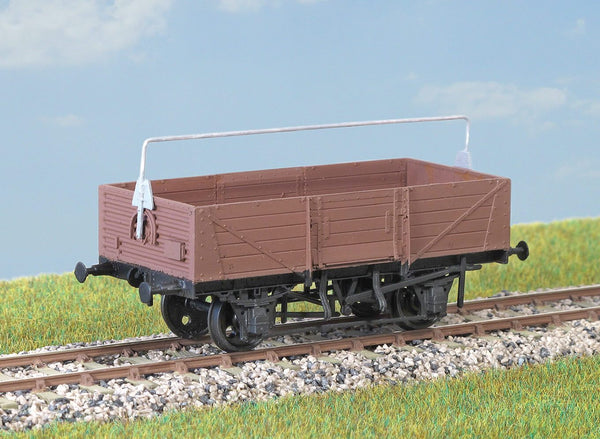
BR 13ton Steel Open Goods Wagon
6500 of these wagons (diagram 1/037, 1/041) were built in the early 1950s, using a post war LNER design. Many survived into the 1980s. These finely moulded plastic wagon kits come complete with pin point axle wheels and bearings. Glue and paint will be required, along with appropriate transfers. Additional parts to enable the vehicle to be modelled incorporating modifications made to the prototypes during their working life are included where appropriate.
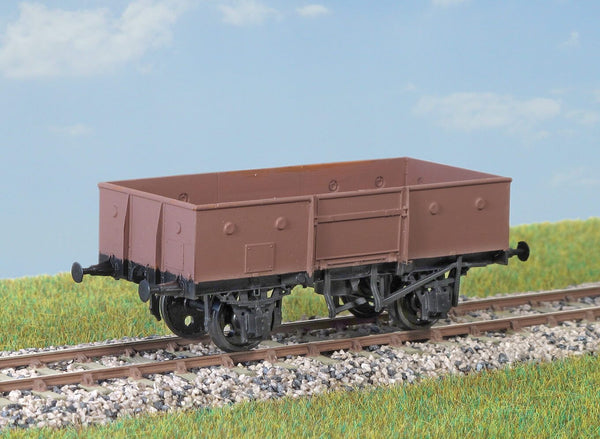
BR 16ton Iron Ore Tippler Wagon
500 of these vans (diagram 1/185) were built in the mid 1930s to carry fruit traffic - comprising soft and hard fruit and flowers - to destinations throughout Britain. These finely moulded plastic wagon kits come complete with pin point axle wheels and bearings. Glue and paint will be required, along with appropriate transfers. Additional parts to enable the vehicle to be modelled incorporating modifications made to the prototypes during their working life are included where appropriate.
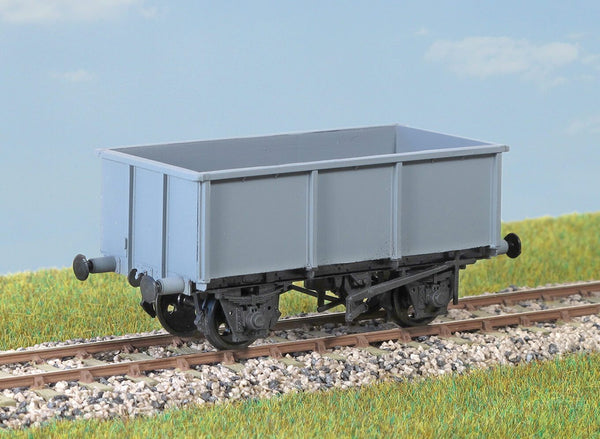
BR 16ton Min Wagon Riveted Body
Over 21,000 of these wagons (diagram 109) were built in the 1950s. This kit caters for either pressed steel end doors or the more common fabricated type. These finely moulded plastic wagon kits come complete with pin point axle wheels and bearings. Glue and paint will be required, along with appropriate transfers. Additional parts to enable the vehicle to be modelled incorporating modifications made to the prototypes during their working life are included where appropriate.
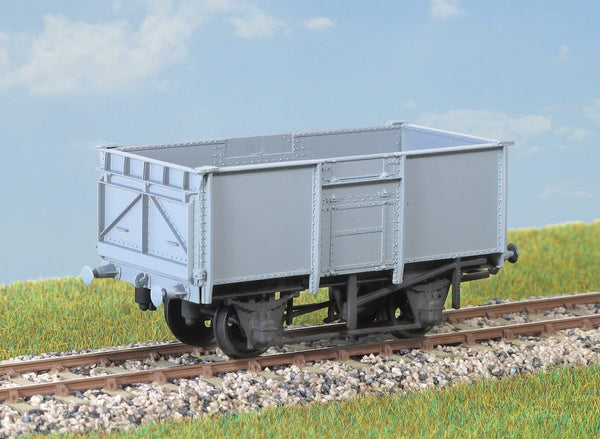
BR 16ton Mineral Wagon
Vacuum fitted, introduced in 1956, these wagons continued to be used throughout the BR period, carrying coal to coal depots and factories as well as scrap (from 1975), aggregate and engineer’s spoil.
These finely moulded plastic wagon kits come complete with pin point axle wheels and bearings. Glue and paint will be required, along with appropriate transfers. Additional parts to enable the vehicle to be modelled incorporating modifications made to the prototypes during their working life are included where appropriate.
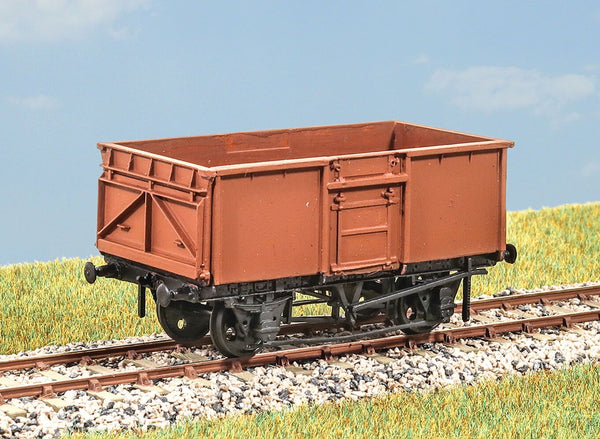
BR 16ton Mineral Wagon
16 ton Mineral Wagon, Non Vacuum Fitted (diagram 1/108) Over 206,000 of these all steel, welded body wagons equipped with hand brakes only were built in the 1950s. They lasted in large numbers until the late 1980s. These finely moulded plastic wagon kits come complete with pin point axle wheels and bearings. Glue and paint will be required, along with appropriate transfers. Additional parts to enable the vehicle to be modelled incorporating modifications made to the prototypes during their working life are included where appropriate.
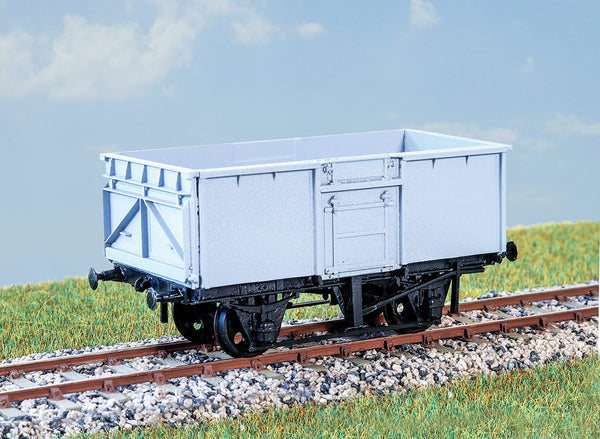
BR 16ton Mineral Wagon
(French type) Introduced in 1946, 7000 of these wagons were supplied to France and returned to BR in 1950-1952, where they lasted until the mid 1960s. These finely moulded plastic wagon kits come complete with pin point axle wheels and bearings. Glue and paint will be required, along with appropriate transfers. Additional parts to enable the vehicle to be modelled incorporating modifications made to the prototypes during their working life are included where appropriate.
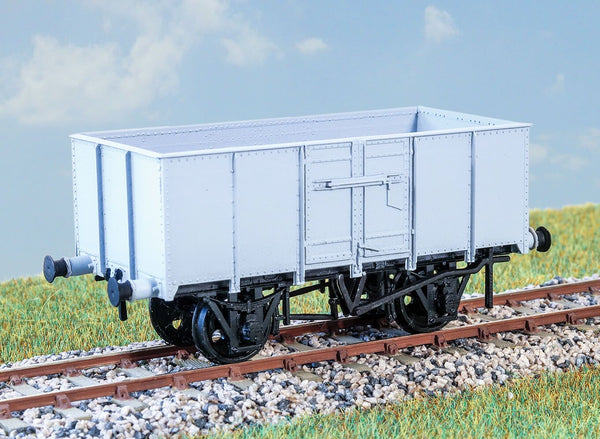
BR 16ton Mineral Wagon
About 8000 were built in 1944-1947, almost 2000 of which worked in France until repatriated in the early 1950s. Most survived until the mid 1960s, as BR diagram 1/100. These finely moulded plastic wagon kits come complete with pin point axle wheels and bearings. Glue and paint will be required, along with appropriate transfers. Additional parts to enable the vehicle to be modelled incorporating modifications made to the prototypes during their working life are included where appropriate.
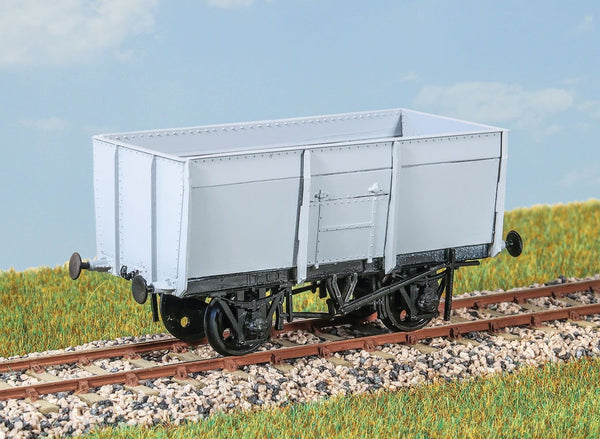
BR 21ton Coal Hopper Wagon
Diagram 1/146. 16,800 were built between 1952 and 1958. They were widely used for coal traffic especially in North East England. Common well into the 1980s. The kit has a choice of roller and oil axleboxes. These finely moulded plastic wagon kits come complete with pin point axle wheels and bearings. Glue and paint will be required, along with appropriate transfers. Additional parts to enable the vehicle to be modelled incorporating modifications made to the prototypes during their working life are included where appropriate.
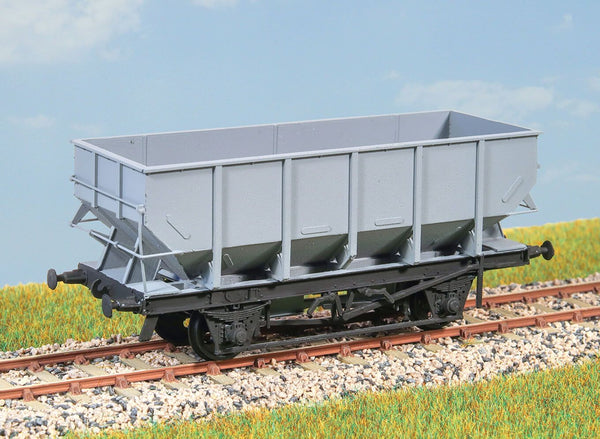
BR 21ton Coal Wagon
1000 of these wagons 21 ton Coal Wagon (diagram 1/110) were built in 1950/51 for BR by the Metro-Cammell company. Many were still in service in the late 1970s. These finely moulded plastic wagon kits come complete with pin point axle wheels and bearings. Glue and paint will be required, along with appropriate transfers. Additional parts to enable the vehicle to be modelled incorporating modifications made to the prototypes during their working life are included where appropriate.
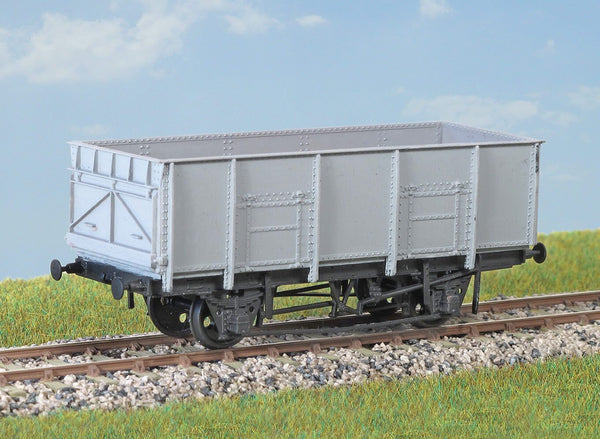
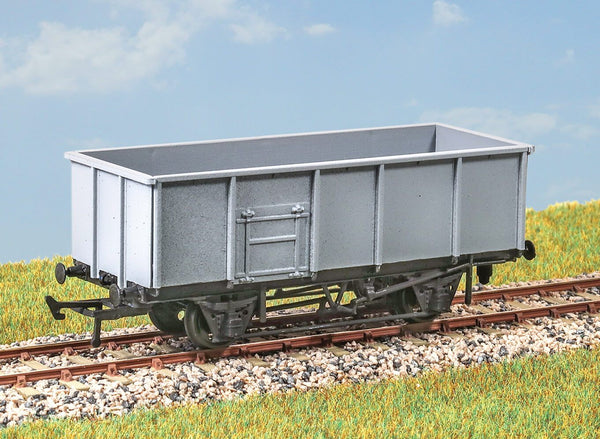
BR 21ton Mineral Wagon
(Rebuilt 1977) This vehicle represents the end of the evolution of the classic British coal wagon. Introduced in 1977, using spare chassis, 947 were built and used chiefly for industrial coal traffic.These finely moulded plastic wagon kits come complete with pin point axle wheels and bearings. Glue and paint will be required, along with appropriate transfers. Additional parts to enable the vehicle to be modelled incorporating modifications made to the prototypes during their working life are included where appropriate.
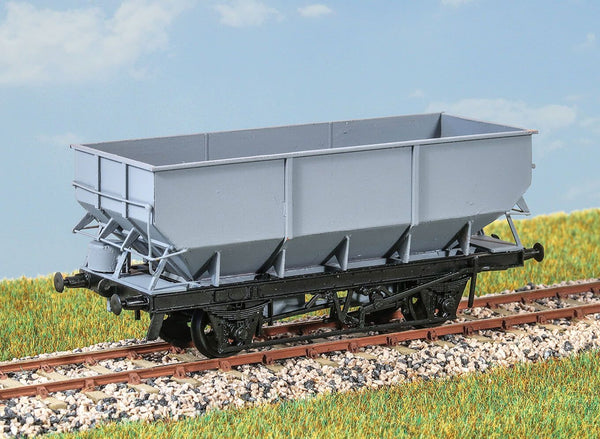
BR 21ton Rebodied Hopper Wagon
21 ton Rebodied Hopper Wagon (Vac. Braked) In the 1970s BR started to put new bodies on hopper wagons built in the 1940s and 1950s. Some ran with vacuum brakes. Examples lasted into the 1990s. These finely moulded plastic wagon kits come complete with pin point axle wheels and bearings. Glue and paint will be required, along with appropriate transfers . Additional parts to enable the vehicle to be modelled incorporating modifications made to the prototypes during their working life are included where appropriate.
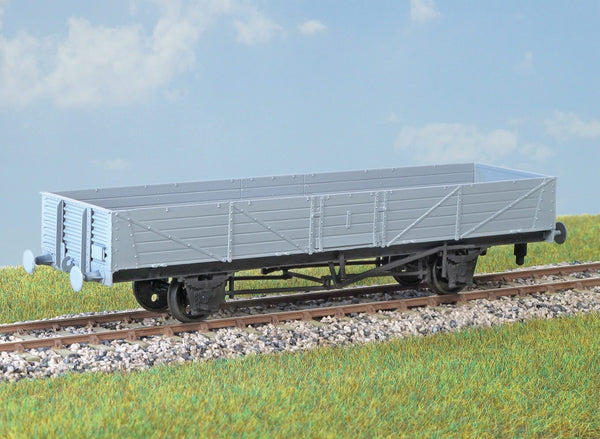
BR 22ton Tube Wagon
2350 of these wagons (diagram 1/448) were built between 1954 and 1961 to carry long tubes and bulky general merchandise. Most were withdrawn by the 1980s, but some survive in infrastructure use. These finely moulded plastic wagon kits come complete with pin point axle wheels and bearings. Glue and paint will be required, along with appropriate transfers. Additional parts to enable the vehicle to be modelled incorporating modifications made to the prototypes during their working life are included where appropriate.
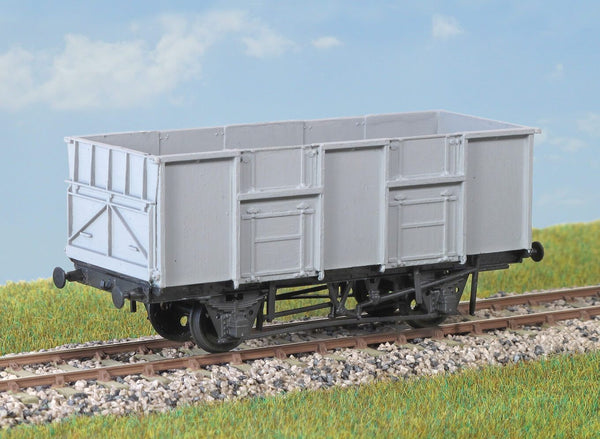
BR 24¬? ton Coal Wagon
Over 2000 of these wagons (diagram 1/115) were built in 1953-1956 to carry coal to power stations and steel works. Withdrawn by 1982. These finely moulded plastic wagon kits come complete with pin point axle wheels and bearings. Glue and paint will be required, along with appropriate transfers. Additional parts to enable the vehicle to be modelled incorporating modifications made to the prototypes during their working life are included where appropriate.
BR Ale Pallet Wagon
The mid 1960s saw a small fleet of these (diagram 1/028) rebuilt from tube wagons to carry beer casks between breweries and distribution depots. Traffic ended in the late 70s but some survived as barrier wagons. These finely moulded plastic wagon kits come complete with pin point axle wheels and bearings. Glue and paint will be required, along with appropriate transfers. Additional parts to enable the vehicle to be modelled incorporating modifications made to the prototypes during their working life are included where appropriate.
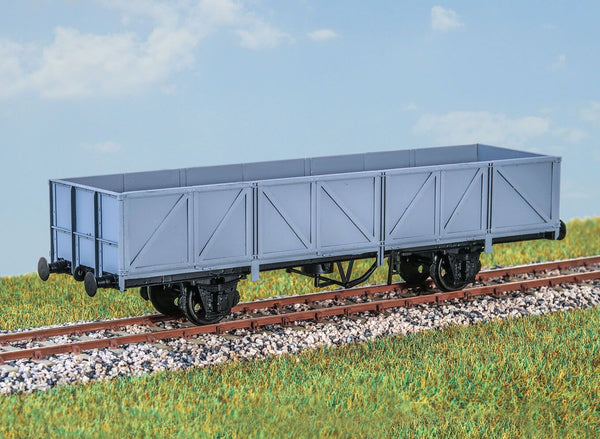
BR Banana Van
300 of these wagons were built between 1952 and 1954. They were originally fitted with steam heating, but this was later removed. Used mainly by the companies Geest and Fyffes, these vans could be part of a mixed train or a 'block load' on their way from the shipping dock. Transfers are included; glue and paints are required to complete this model.
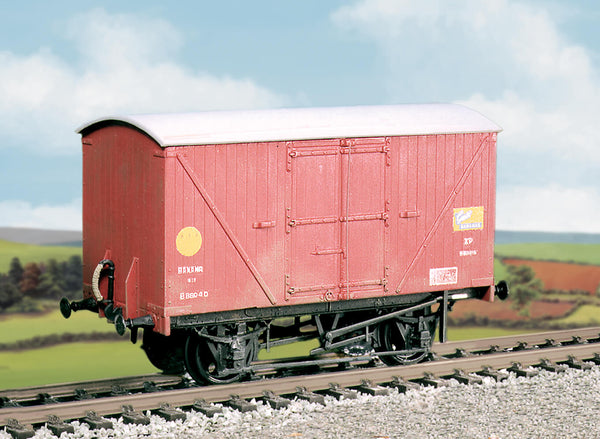
BR BD Container
Diagram 3/050; a Conflat wagon or road vehicle load. As supplied with Conflat A Container Wagon kit PC52.