


BROWSE PECO PRODUCTS
Browse through our complete product portfolio.
367 Products Found
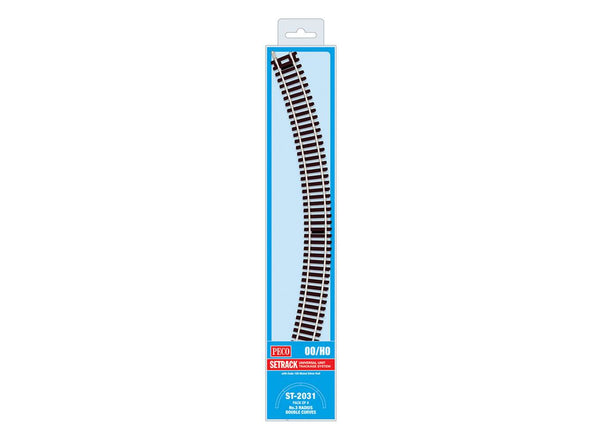
Double Curve, 3rd Radius (Pack of 4)
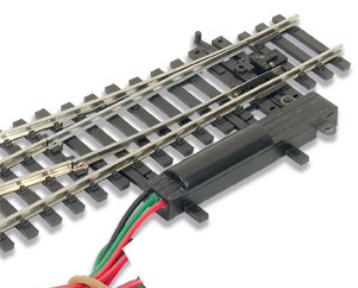
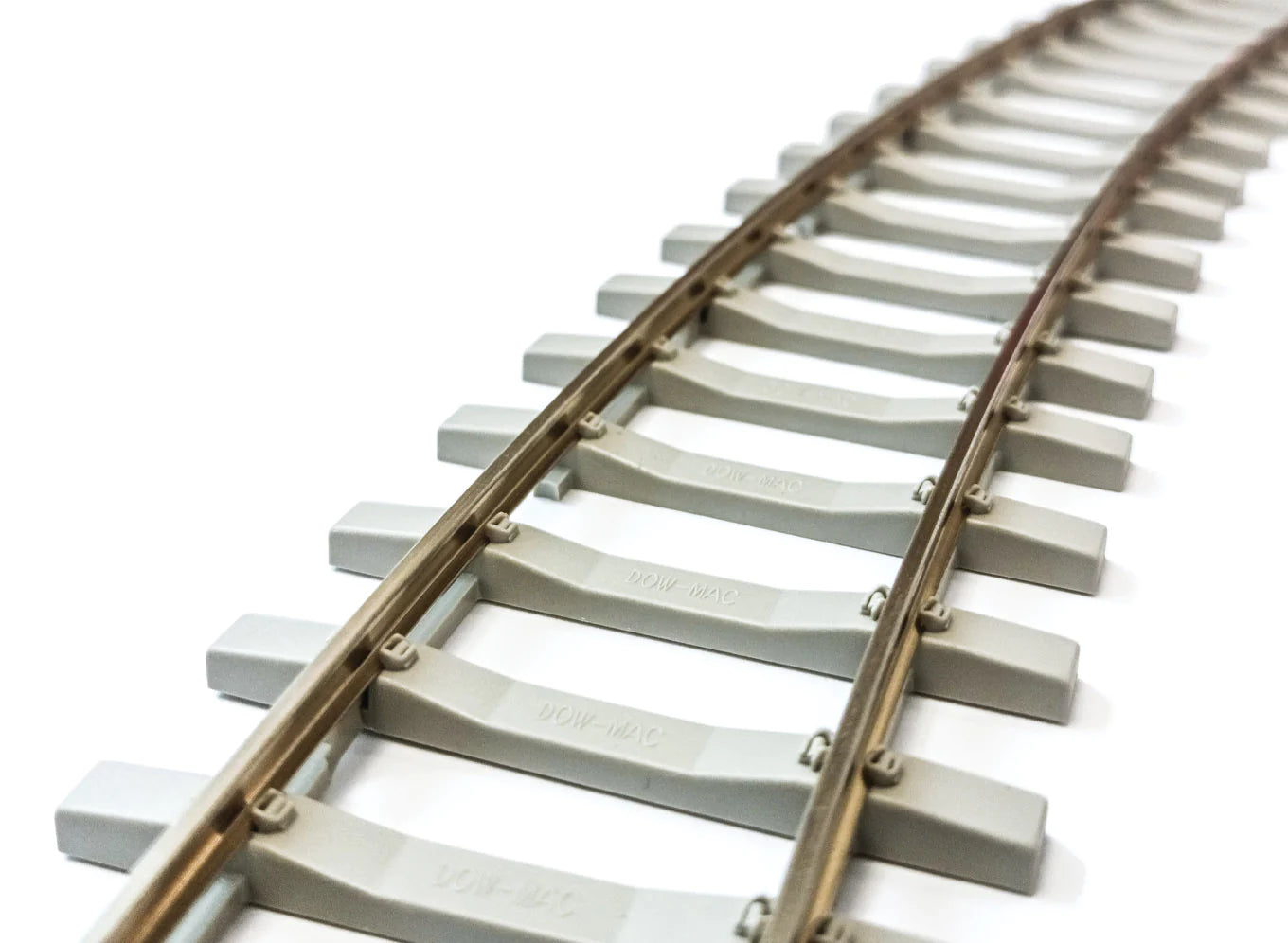
PECO Setrack 00 Gauge Code 100 - Unit trackage System
The high quality rigid unit trackage system suitable for all popular brands of 00 gauge model trains.
Being fully compatible with the Code 100 PECO Streamline range, it need never be discarded as your layout develops.
The solid nickel silver rails are integrally moulded into the sleeper bases for maximum realism and strength. Turnouts are fitted with an over-centre spring for immediate use, no extra levers necessary.
Standard Curve, 3rd Radius (Pack of 8)
PECO Setrack 00 Gauge Code 100 - Unit trackage System
The high quality rigid unit trackage system suitable for all popular brands of 00 gauge model trains.
Being fully compatible with the Code 100 PECO Streamline range, it need never be discarded as your layout develops.
The solid nickel silver rails are integrally moulded into the sleeper bases for maximum realism and strength. Turnouts are fitted with an over-centre spring for immediate use, no extra levers necessary.
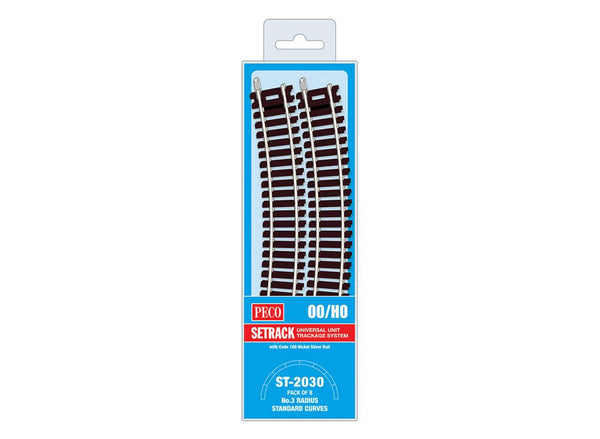
Standard Curve, 2nd Radius (Pack of 8)
PECO Setrack 00 Gauge Code 100 - Unit trackage System
The high quality rigid unit trackage system suitable for all popular brands of 00 gauge model trains.
Being fully compatible with the Code 100 PECO Streamline range, it need never be discarded as your layout develops.
The solid nickel silver rails are integrally moulded into the sleeper bases for maximum realism and strength. Turnouts are fitted with an over-centre spring for immediate use, no extra levers necessary.
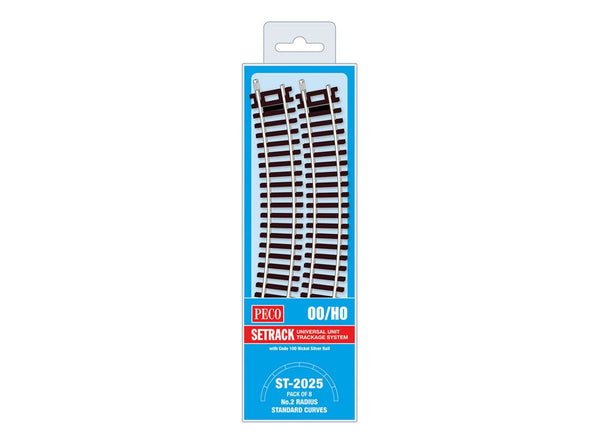
Double Curve, 2nd Radius (Pack of 4)
PECO Setrack 00 Gauge Code 100 - Unit trackage System
The high quality rigid unit trackage system suitable for all popular brands of 00 gauge model trains.
Being fully compatible with the Code 100 PECO Streamline range, it need never be discarded as your layout develops.
The solid nickel silver rails are integrally moulded into the sleeper bases for maximum realism and strength. Turnouts are fitted with an over-centre spring for immediate use, no extra levers necessary.
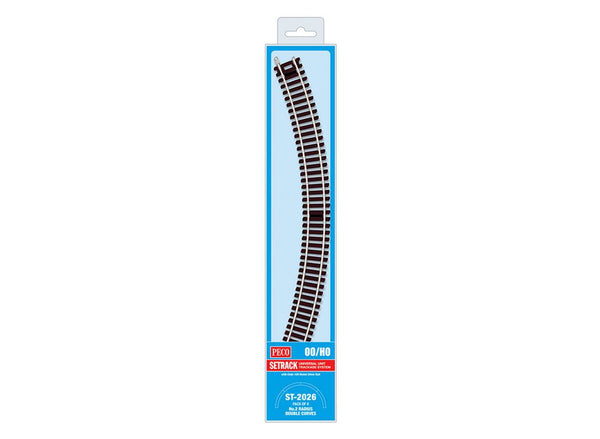
Standard Curve, 1st Radius (Pack of 8)
PECO Setrack 00 Gauge Code 100 - Unit trackage System
The high quality rigid unit trackage system suitable for all popular brands of 00 gauge model trains.
Being fully compatible with the Code 100 PECO Streamline range, it need never be discarded as your layout develops.
The solid nickel silver rails are integrally moulded into the sleeper bases for maximum realism and strength. Turnouts are fitted with an over-centre spring for immediate use, no extra levers necessary.
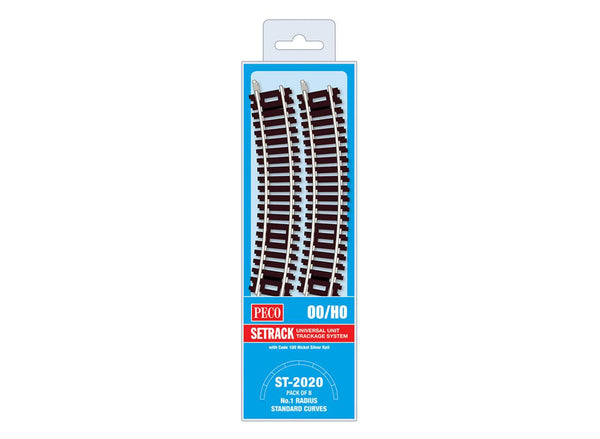
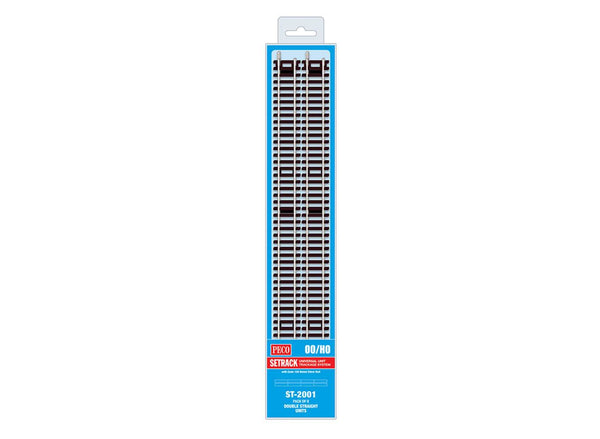
Double Straight (Pack of 8)
PECO Setrack 00 Gauge Code 100 - Unit trackage System
The high quality rigid unit trackage system suitable for all popular brands of 00 gauge model trains.
Being fully compatible with the Code 100 PECO Streamline range, it need never be discarded as your layout develops.
The solid nickel silver rails are integrally moulded into the sleeper bases for maximum realism and strength. Turnouts are fitted with an over-centre spring for immediate use, no extra levers necessary.
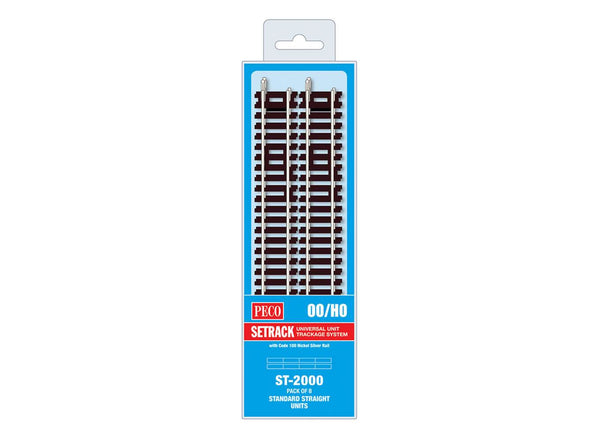
Standard Straight (Pack of 8)
PECO Setrack 00 Gauge Code 100 - Unit trackage System
The high quality rigid unit trackage system suitable for all popular brands of 00 gauge model trains.
Being fully compatible with the Code 100 PECO Streamline range, it need never be discarded as your layout develops.
The solid nickel silver rails are integrally moulded into the sleeper bases for maximum realism and strength. Turnouts are fitted with an over-centre spring for immediate use, no extra levers necessary.
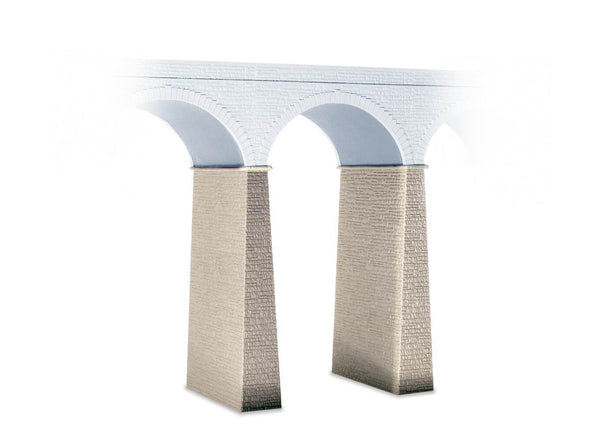
Stone Piers (2)
Additional piers for the SS80 Viaduct kit; can also be used with the Vari Girder (Ref. SS57), Bow (Ref. SS47), Plate (Ref. LK-10) and Truss (Ref. LK-11) Girder Bridge sides to construct a wide variety of ubiquitous viaducts. Supplied with pre-coloured parts although painting and/or weathering can add realism; glue is required to complete this model. Height 165mm, width 34mm each
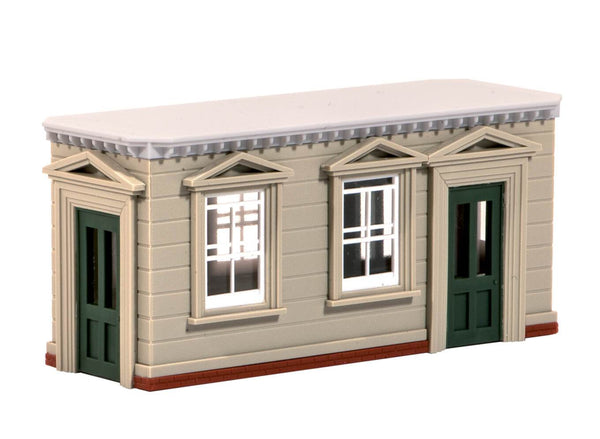
Timber Island Platform Station Building
This Island Platform building is designed to be used with the Wills SS61 Platform and SS54 Canopy, and can easily be adapted to make a larger building using additional kits.Supplied with pre-coloured parts although painting and/or weathering can add realism; glue is required to complete this model. Footprint: 92mm x 60mm.
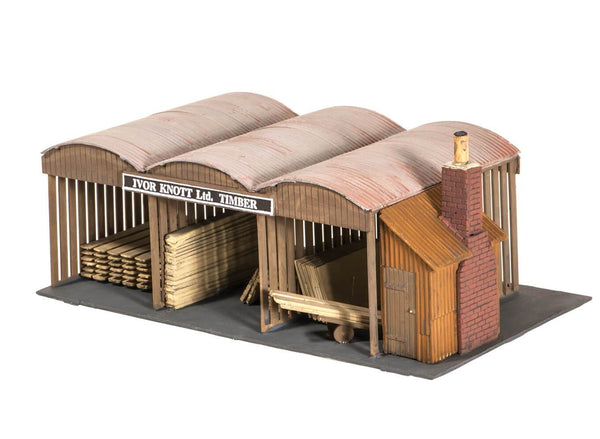
Timber Yard
Timber yards and Builders merchants premises offer possibilities of extra variety of traffic into the station goods yard. Supplied with pre-coloured parts although painting and/or weathering can add realism; glue is required to complete this model.
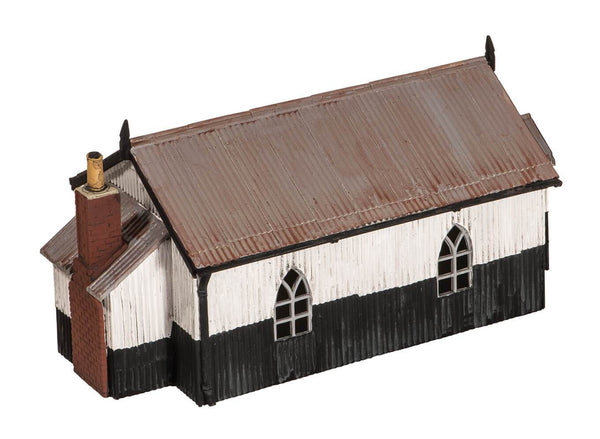
Corrugated Iron Chapel
These corrugated iron buildings can now often be found fulfilling other functions; retail, storage or even domestic. With a little adaptation it would make a fine narrow gauge engine shed. Supplied with pre-coloured parts although painting and/or weathering can add realism; glue is required to complete this model. Footprint: 123mm x 72mm
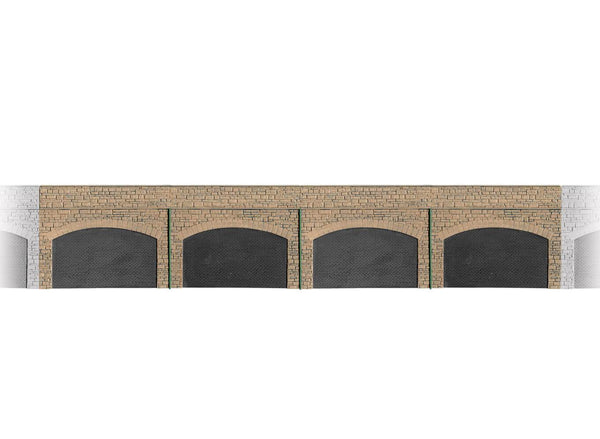
Stone Type Retaining Arches
Often seen with business premises in them, these Stone Retaining Arches measure 494mm long x 90mm high. Supplied with pre-coloured parts although painting and/or weathering can add realism; glue is required to complete this model.
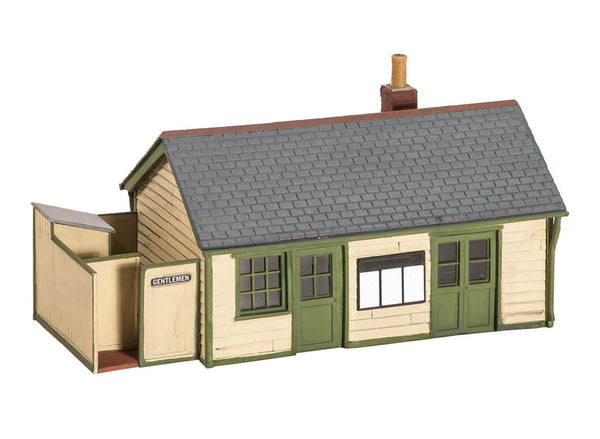
Wayside Station Building
This building provides a ticket office, waiting room and parcels facilities. Supplied with pre-coloured parts although painting and/or weathering can add realism; glue is required to complete this model. Footprint: 116mm x 60mm
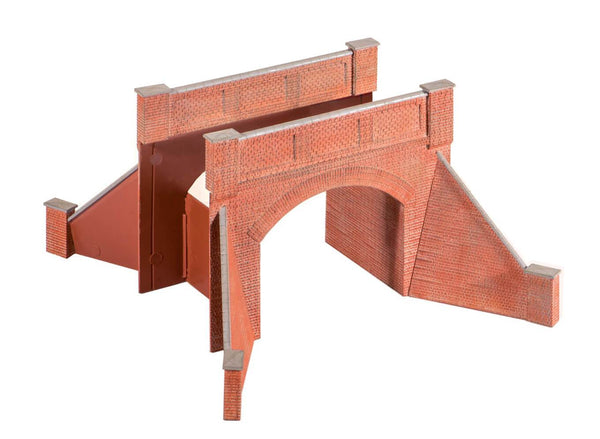
Brick Arch Bridge
This classic Brick Arch Bridge can easily be made into a multiple arch structure with additional kits. Footprint 133mm x 70mm, (180mm x 190mm including wing walls). Supplied with pre-coloured parts although painting and/or weathering can add realism; glue is required to complete this model.
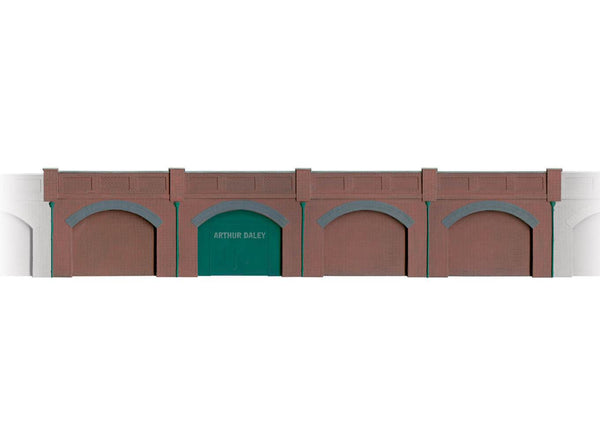
Brick Retaining Arches
Often seen with business premises in them, these Brick Retaining Arches measure 494mm long x 100mm high. Supplied with pre-coloured parts although painting and/or weathering can add realism; glue is required to complete this model.
Signal Box
Based on the Saxby and Farmer design seen on many railways across Britain. Footprint: 90mm x 56mm + 40mm over staircase. The Ratio Signal Box Interior kit 553 will provide a wealth of interior detail. Don't forget SS89 Point Rodding, SS22 Lamp Huts and, of course, signals! Supplied with pre-coloured parts although painting and/or weathering can add realism; glue is required to complete this model.

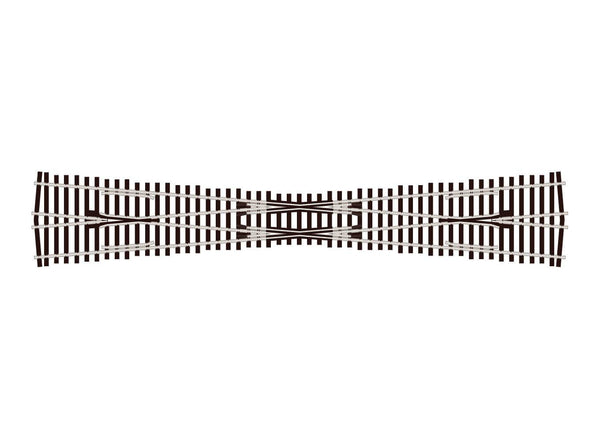
Code 83, Diamond Crossing, Unifrog
This Long Crossing features our new versatile Unifrog design which can be operated, powered and switched like an Electrofrog or left unpowered if preferred.
83 Line items are realistic models of North American railroad track, with Code 83 nickel silver rail. Scaled from A.R.E.A. drawings and NMRA compliant, Code 83 features authentic tie sizes and spacing, the standard American number system for frog geometry, plus a very fine representation of traditional rail spike fixings.
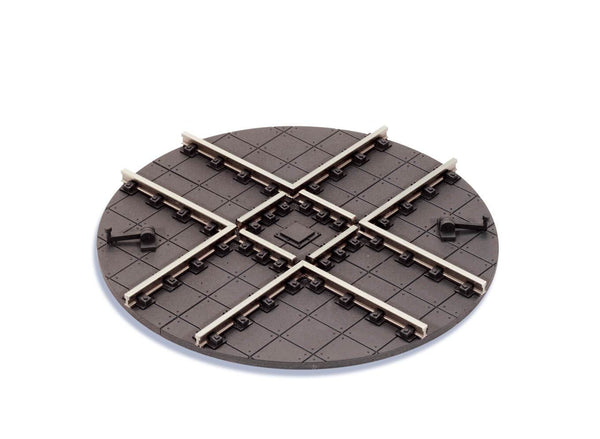
Wagon Turntable
Wagon Turntables were usually used to turn wagons through 90 degrees to access spur roads into warehouses etc. A popular size especially in the garden, SM-32 models are built to a scale of 16mm/foot and run on a gauge of 32mm, the equivalent of a two foot gauge railway. SM-32 has become the first choice for many narrow gauge enthusiasts who want to operate live steam locomotives by radio control, the large size of the locomotives means plenty of room for the receiver and control servos. The SM-32 Streamline track system is compatible with the SM-32 Setrack system.
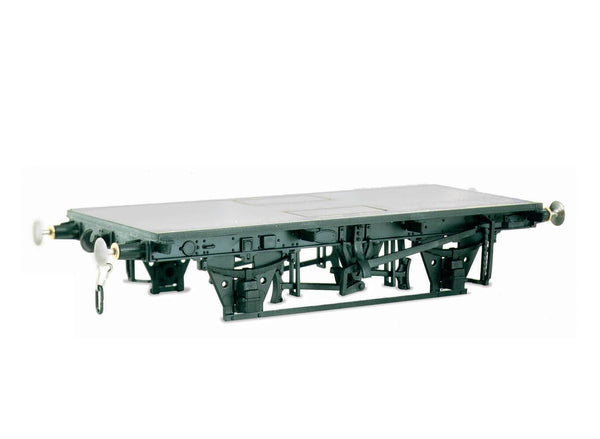
BR Mineral Wagon Underframe
0 Gauge Chassis kits and Accessories for scratchbuilders and kit modification. Pack includes working axlebox springs, sprung buffers, 3 link couplings, floor, full brake gear with alternative types of brake lever and a choice of axleguards.
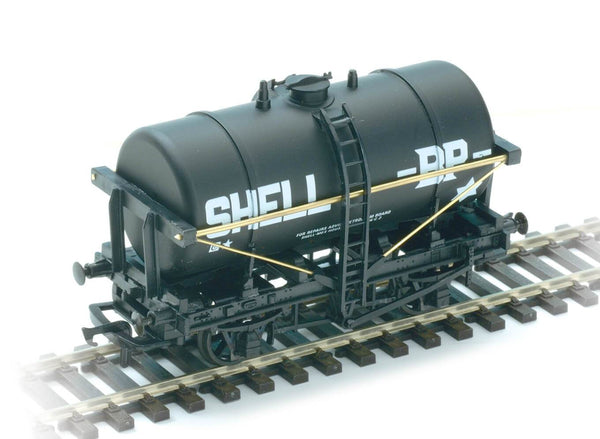
Petrol Tank Wagon Shell/BP
These 10ft Tank Wagon kits include:
‚Ģ Actual working axlebox springs
‚Ģ Sprung metal buffers
‚Ģ Fully painted and lettered body
‚Ģ Pin-point axles and bearings for maximum length trains
‚Ģ Both Peco Simplex and Peco Anita tension lock couplings
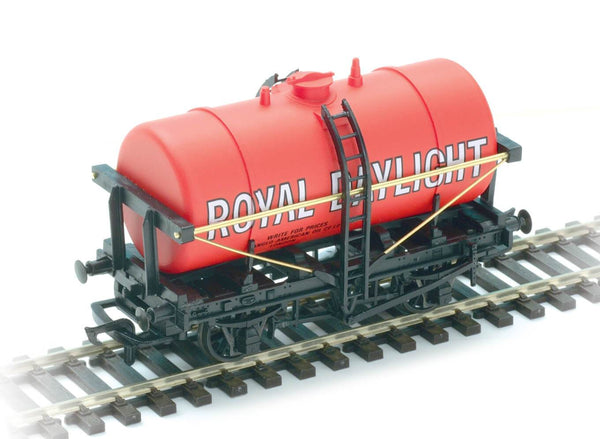
Petrol Tank Wagon Royal Daylight
These 10ft Tank Wagon kits include:
‚Ģ Actual working axlebox springs
‚Ģ Sprung metal buffers
‚Ģ Fully painted and lettered body
‚Ģ Pin-point axles and bearings for maximum length trains
‚Ģ Both Peco Simplex and Peco Anita tension lock couplings
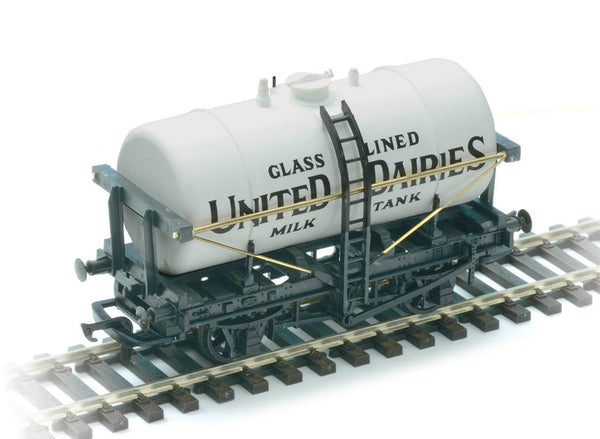
Milk Tank Wagon United Dairies
These 10ft Tank Wagon kits include:
‚Ģ Actual working axlebox springs
‚Ģ Sprung metal buffers
‚Ģ Fully painted and lettered body
‚Ģ Pin-point axles and bearings for maximum length trains
‚Ģ Both Peco Simplex and Peco Anita tension lock couplings
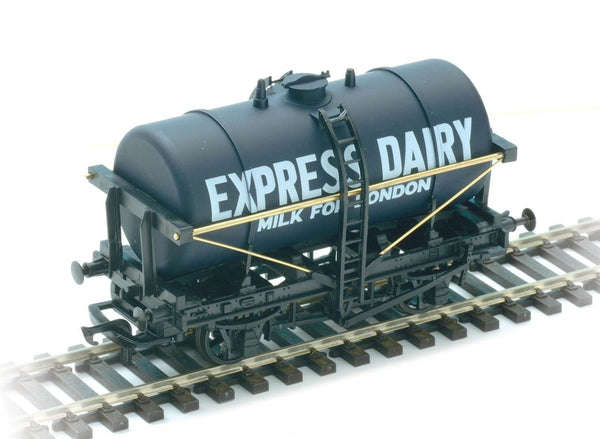
Milk Tank Wagon Express Dairy
These 10ft Tank Wagon kits include:
‚Ģ Actual working axlebox springs
‚Ģ Sprung metal buffers
‚Ģ Fully painted and lettered body
‚Ģ Pin-point axles and bearings for maximum length trains
‚Ģ Both Peco Simplex and Peco Anita tension lock couplings
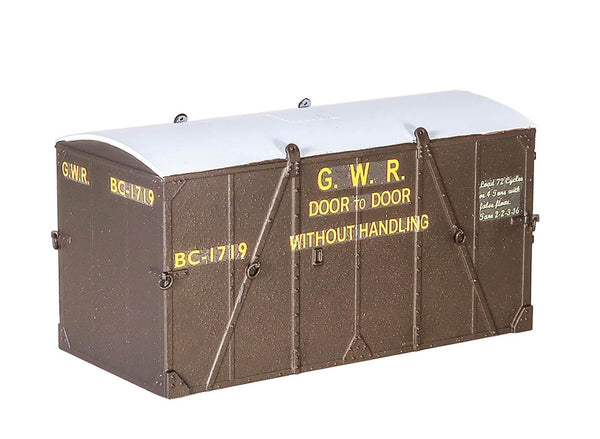
GWR/BR ‘B’ Container
Period Transfers included. A Conflat, road vehicle load, or as a scenic accessory for the Goods Yard.
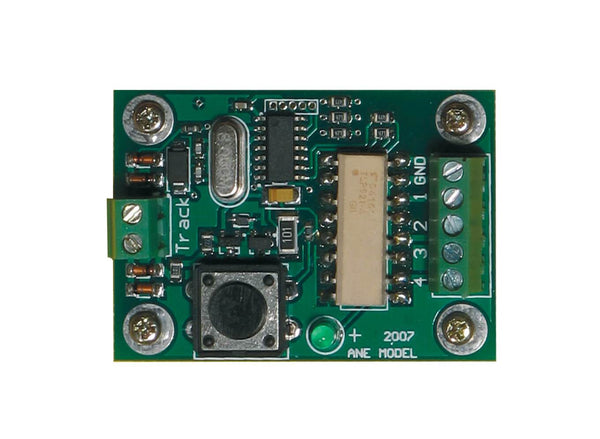
Smartswitch Stationary Decoder
The Smartswitch(TM) system can be used to operate turnouts, semaphore signals, level crossing gates and barriers and other moving features. This Stationary Decoder provides an interface between a Smartswitch Control Board and a DCC control system to enable the operation of turnouts, semaphore signals, crossing gates etc through a DCC controller. Watch the videos to see the potential uses and ease of installation of this system and see our Shows You How booklet No. 24 Operating Points and Signals.
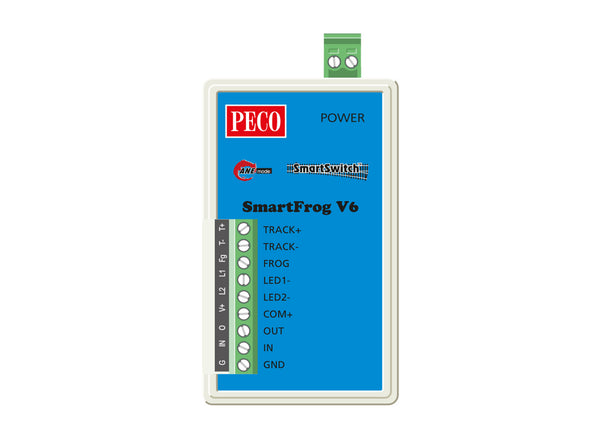
Smartfrog V6
The Smartswitch(TM) system can be used to operate turnouts, semaphore signals, level crossing gates and barriers and other moving features. This Smartfrog unit facilitates changing frog polarity when using the Smartswitch system to operate turnouts. Watch the videos to see the potential uses and ease of installation of this system and see our Shows You How booklet No. 24 Operating Points and Signals.
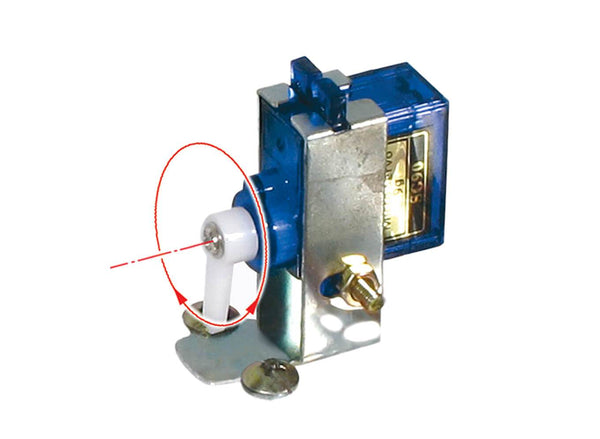
Smartswitch Single Servo Motor
The Smartswitch(TM) system can be used to operate turnouts, semaphore signals, level crossing gates and barriers and other moving features. This Servo can be used in conjunction with the PLS-120 Control Board. Watch the videos to see the potential uses and ease of installation of this system and see our Shows You How booklet No. 24 Operating Points and Signals.
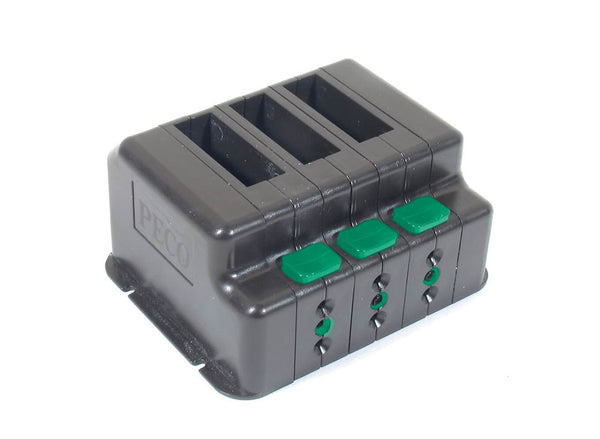
Turnout Switch Module
Enables switches to be connected without any need for soldering. Power is supplied through the fitted leads and each switch is automatically connected when fitted. Simply push the button on the front to open the holes, and feed in the bare wires from the turnout motor - no soldering or other fixing required. The PL-51 allows the PL-50 module to be extended to any size required.
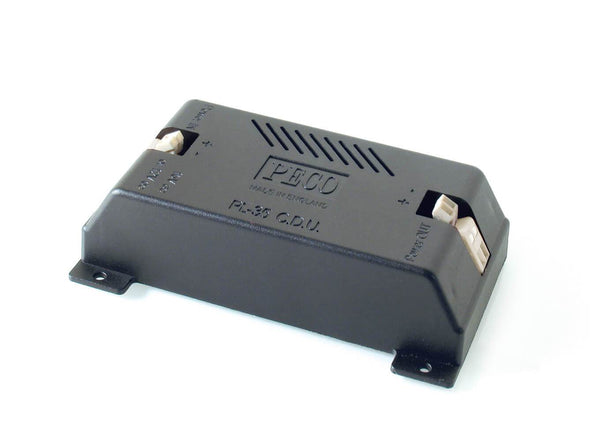
Capacitor Discharge Unit
For use with all solenoid motors (e.g. PL-10 and Pl-11). Connect this unit to the 16v ac supply on your transformer. The capacitor stores up power and discharges a 'kick' to ensure turnout blades 'snap over' every time.
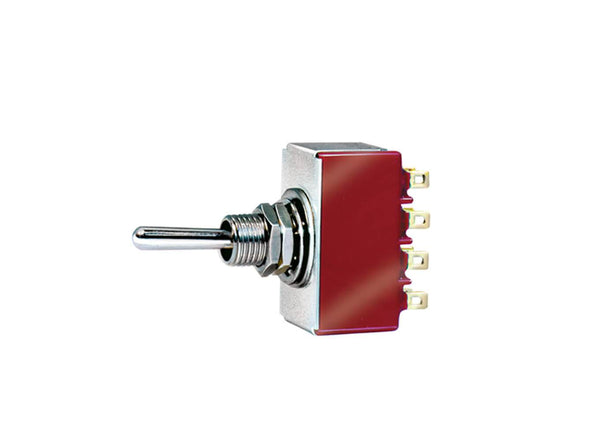
Switch 4-Pole Double Throw
Use this switch to control the polarity on the N Gauge Code 55 SL-E383F Scissors Crossover. See Shows You How Booklet Wiring the Layout No 21 for a comprehensive colour coded diagram.
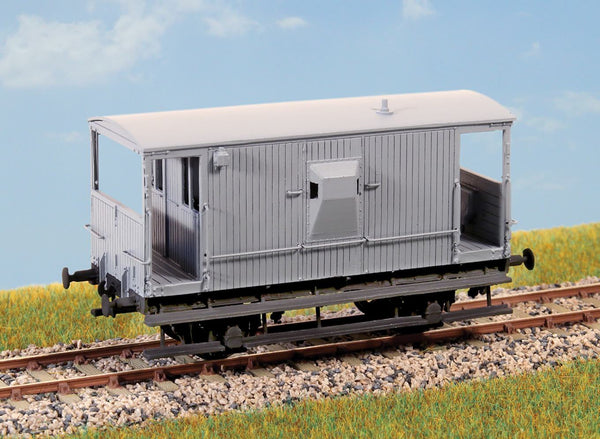
LNER 20ton Brake Van Toad E
900 of these vans were built between 1930 and 1936. Seen all over the former LNER system, they lasted in service into the mid 1960s. These finely moulded plastic wagon kits come complete with pin point axle wheels and bearings. Glue and paint will be required, along with appropriate transfers. Additional parts to enable the vehicle to be modelled incorporating modifications made to the prototypes during their working life are included where appropriate.
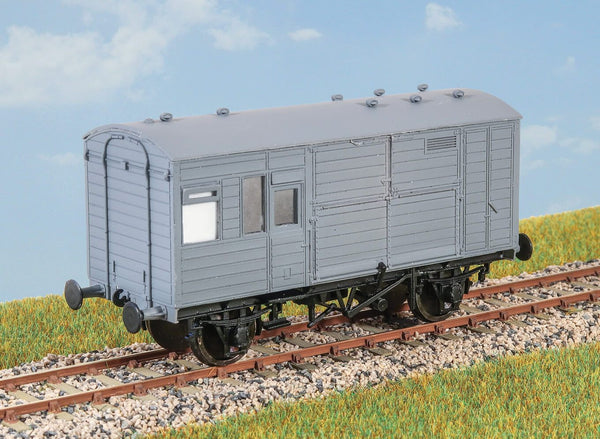
LNER Horse Box Wagon
30 of these horse boxes (diagram 5) were built by the LNER in 1938, mainly to carry racehorses to meetings throughout Britain. Many lasted into the early 1960s. These finely moulded plastic wagon kits come complete with pin point axle wheels and bearings. Glue and paint will be required, along with appropriate transfers. Additional parts to enable the vehicle to be modelled incorporating modifications made to the prototypes during their working life are included where appropriate.
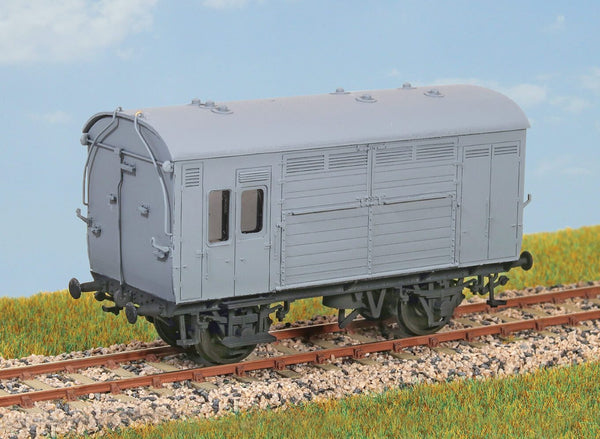
GWR Horse Box Wagon
Diagram N13. 300 of these were built in the 1920s with many lasting into the 1950s and 60s. Seen throughout Britain carrying horses to racecourses and stables, invariably marshalled in passenger or parcel trains. These finely moulded plastic wagon kits come complete with pin point axle wheels and bearings. Glue and paint will be required, along with appropriate transfers. Additional parts to enable the vehicle to be modelled incorporating modifications made to the prototypes during their working life are included where appropriate.
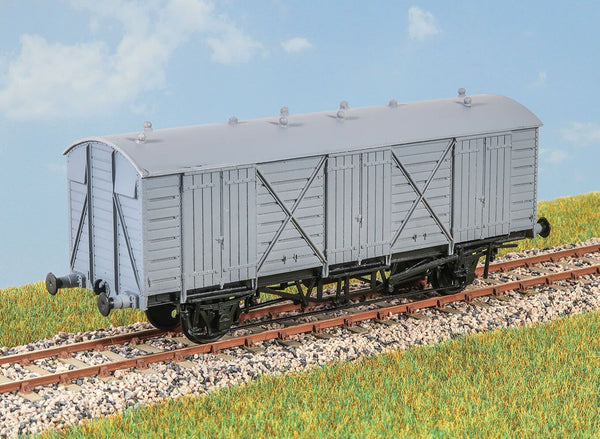
GWR 'Fruit D' Van
This was the final design of the GWR Fruit Van (diagram Y11) of which 50 were built in 1939-1941. More were built by BR in the 1950s and some were in service into the 1970s. These finely moulded plastic wagon kits come complete with pin point axle wheels and bearings. Glue and paint will be required, along with appropriate transfers. Additional parts to enable the vehicle to be modelled incorporating modifications made to the prototypes during their working life are included where appropriate.
GWR 'Beetle' Prize Cattle Wagon
(Diagram 109) Introduced in the 1920s to carry valuable cattle with their attendants, they were mainly seen on passenger trains until the 1960s. These finely moulded plastic wagon kits come complete with pin point axle wheels and bearings. Glue and paint will be required, along with appropriate transfers. Additional parts to enable the vehicle to be modelled incorporating modifications made to the prototypes during their working life are included where appropriate.
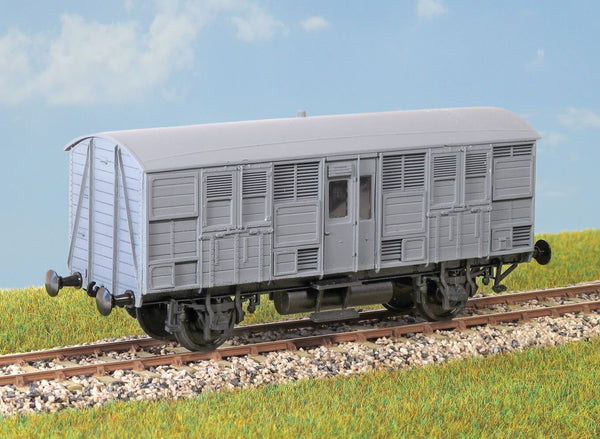
LMS 20ton Goods Brake Van
849 of these vans (diagram 1659) were built between 1924 and 1927. In general traffic they survived into the 1960s, while those in Engineer’s fleet lasted into the 1980s. These finely moulded plastic wagon kits come complete with pin point axle wheels and bearings. Glue and paint will be required, along with appropriate transfers. Additional parts to enable the vehicle to be modelled incorporating modifications made to the prototypes during their working life are included where appropriate.
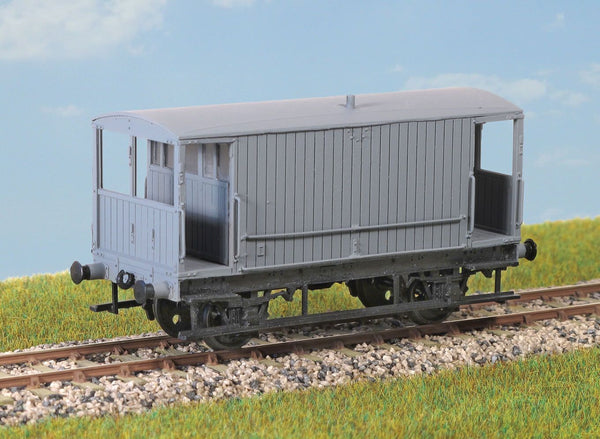
LMS/BR 20ton Brake Van
950 of these brake vans (diagram 1657) were built in 1927-1931. They lasted in general traffic until the mid 1960s. Some survivors in the Engineer’s fleet lasted into the 1980s.
These finely moulded plastic wagon kits come complete with pin point axle wheels and bearings. Glue and paint will be required, along with appropriate transfers. Additional parts to enable the vehicle to be modelled incorporating modifications made to the prototypes during their working life are included where appropriate.
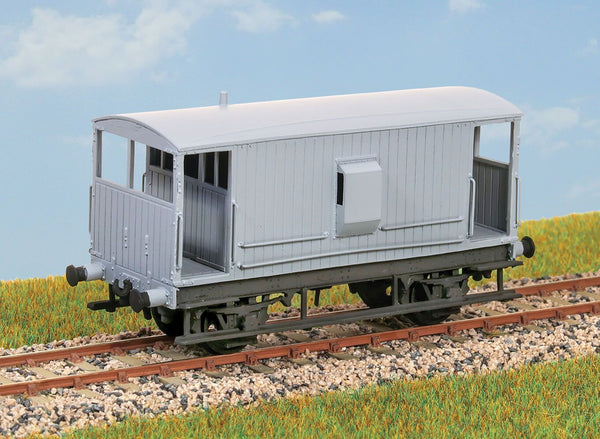
BR CCT Parcels Van
This BR built wagon (diagram 3101) had plywood body sides but had timber doors for extra strength as with the SR version. 150 were built between 1951 and 1955. Withdrawal took place in the early 1980s.
These finely moulded plastic wagon kits come complete with pin point axle wheels and bearings. Glue and paint will be required, along with appropriate transfers. Additional parts to enable the vehicle to be modelled incorporating modifications made to the prototypes during their working life are included where appropriate.
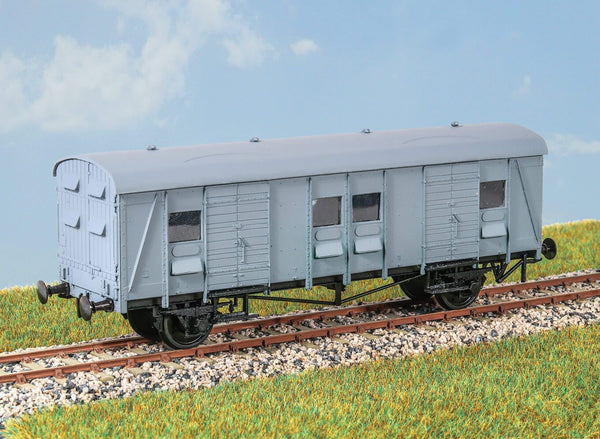
GWR Bloater Fish Van
Introduced in 1916 to carry fish from the many ports on the Great Western Railway, these vans (diagram S8) lasted in regular traffic until 1943.These finely moulded plastic wagon kits come complete with pin point axle wheels and bearings. Glue and paint will be required, along with appropriate transfers. Additional parts to enable the vehicle to be modelled incorporating modifications made to the prototypes during their working life are included where appropriate.
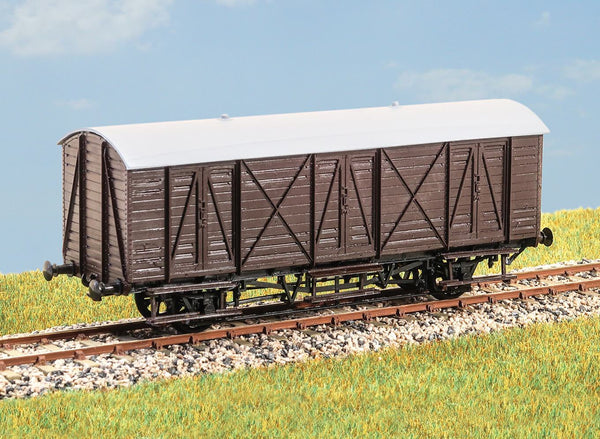
LMS 4 Wheel Motor Car Van
150 of these vans (diagram 2026) were built in 1938, with a further 75 by BR in 1952-1957. Classed as motor car vans, they were also used for parcels and mail.
These finely moulded plastic wagon kits come complete with pin point axle wheels and bearings. Glue and paint will be required, along with appropriate transfers. Additional parts to enable the vehicle to be modelled incorporating modifications made to the prototypes during their working life are included where appropriate.
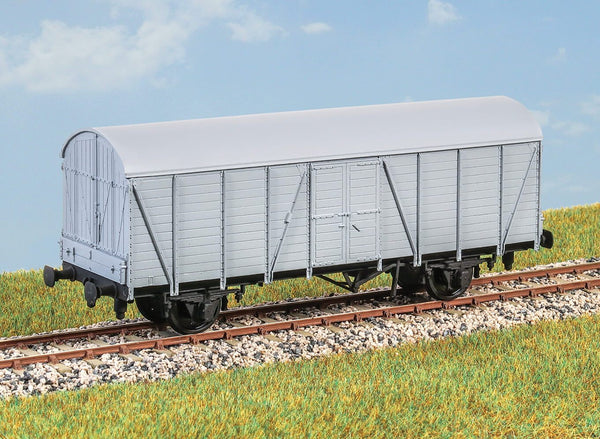
SR CCT Parcels Van
50 of these vans were built in 1938, with examples lasting into the 1980s and used to carry parcels, mail, luggage and motor vehicles. They were equally at home on branch line or main line trains. These finely moulded plastic wagon kits come complete with pin point axle wheels and bearings. Glue and paint will be required, along with appropriate transfers. Additional parts to enable the vehicle to be modelled incorporating modifications made to the prototypes during their working life are included where appropriate.
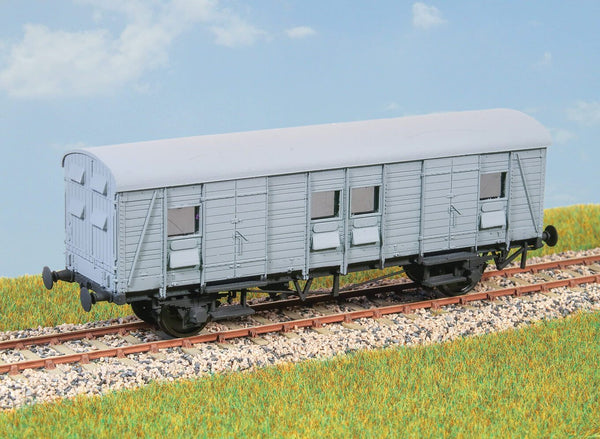
GWR Mink Goods Van
Introduced in 1906, these vans (diagram V11) were used for general goods traffic until during the Second World War. Being fitted with the vacuum brake, they were frequently found on GWR express goods trains. These finely moulded plastic wagon kits come complete with pin point axle wheels and bearings. Glue and paint will be required, along with appropriate transfers. Additional parts to enable the vehicle to be modelled incorporating modifications made to the prototypes during their working life are included where appropriate.
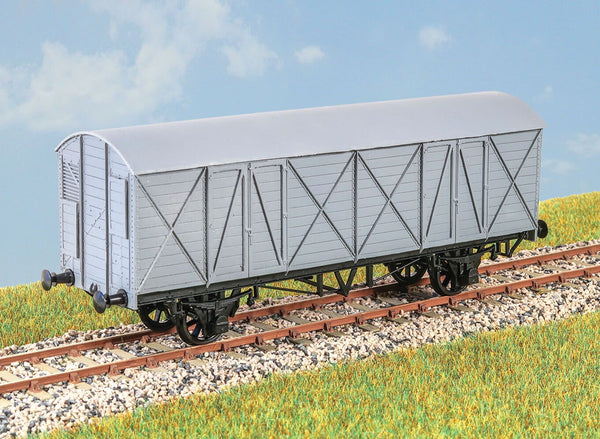
GWR Python Covered Carriage Coach Van
Introduced in 1914, these vehicles carried parcels and motor vehicles until the early days of BR. These finely moulded plastic wagon kits come complete with pin point axle wheels and bearings. Glue and paint will be required, along with appropriate transfers. Additional parts to enable the vehicle to be modelled incorporating modifications made to the prototypes during their working life are included where appropriate.
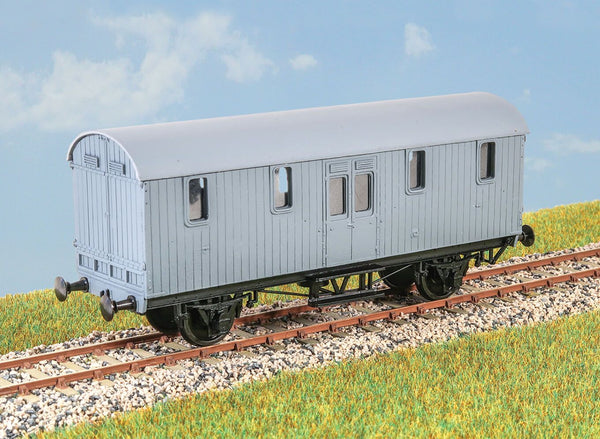
SR PMV Parcels Van
This kit builds the basic SECR design, but has additional parts to model the SR built batches of the 1930s. These vehicles were used widely and examples still survive in departmental use. These finely moulded plastic wagon kits come complete with pin point axle wheels and bearings. Glue and paint will be required, along with appropriate transfers. Additional parts to enable the vehicle to be modelled incorporating modifications made to the prototypes during their working life are included where appropriate.
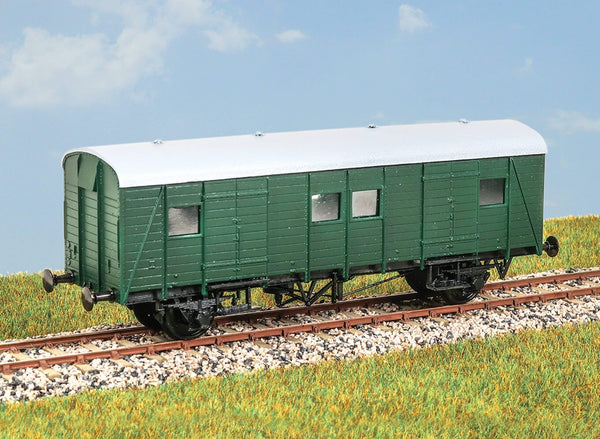
SR BY Utility Van
Introduced in 1937, these vans (diagram 3092) were used for parcel and mail traffic on branch or mainline trains. In service until the late 1970s. These finely moulded plastic wagon kits come complete with pin point axle wheels and bearings. Glue and paint will be required, along with appropriate transfers. Additional parts to enable the vehicle to be modelled incorporating modifications made to the prototypes during their working life are included where appropriate
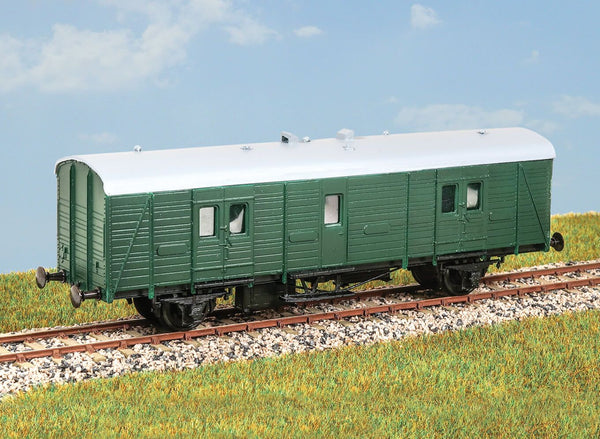
LMS 4 Wheel CCT Van
Built in 1935- 1937, 125 of these useful vans (diagram 1929) carried parcels, mail and motor vehicles in passenger and parcels trains until the early 1970s. These finely moulded plastic wagon kits come complete with pin point axle wheels and bearings. Glue and paint will be required, along with appropriate transfers. Additional parts to enable the vehicle to be modelled incorporating modifications made to the prototypes during their working life are included where appropriate.
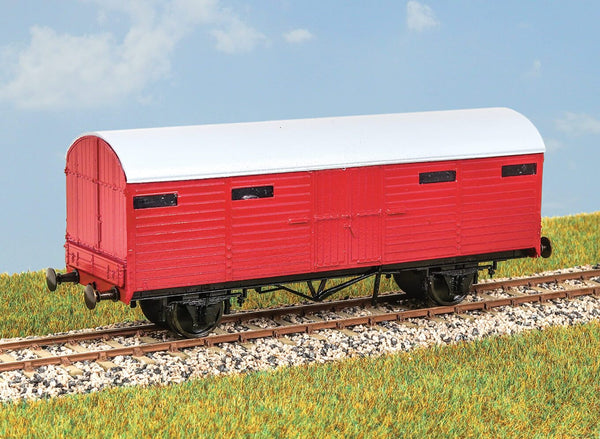
LNER Extra Long CCT Van
Built in two batches in 1939 and 1950, these vehicles (diagram 6) were used to carry parcels, mail and motor vehicles in passenger and parcels trains until 1980. These finely moulded plastic wagon kits come complete with pin point axle wheels and bearings. Glue and paint will be required, along with appropriate transfers. Additional parts to enable the vehicle to be modelled incorporating modifications made to the prototypes during their working life are included where appropriate.
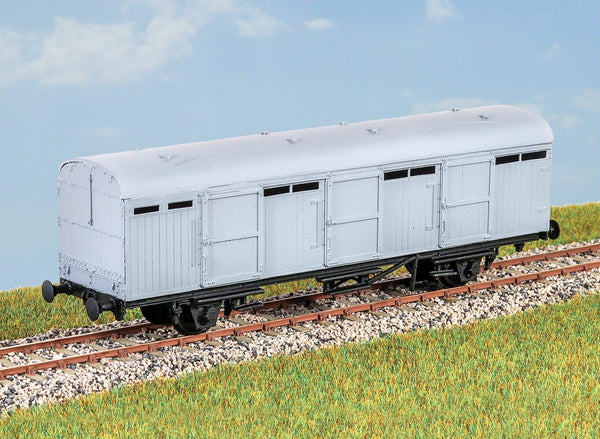
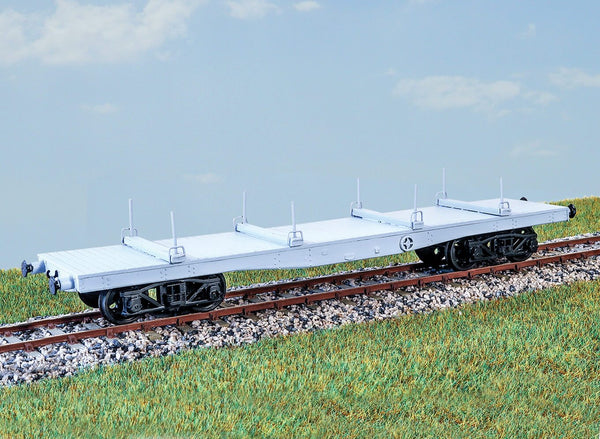
LNER Bogie Bolster Wagon
(Quad) In 1921 the NER bought a number of these wagons from the Government. They lasted until the mid 1950s. Several worked as flat wagons. These finely moulded plastic wagon kits come complete with pin point axle wheels and bearings. Glue and paint will be required, along with appropriate transfers. Additional parts to enable the vehicle to be modelled incorporating modifications made to the prototypes during their working life are included where appropriate.