


BROWSE PECO PRODUCTS
Browse through our complete product portfolio.
606 Products Found
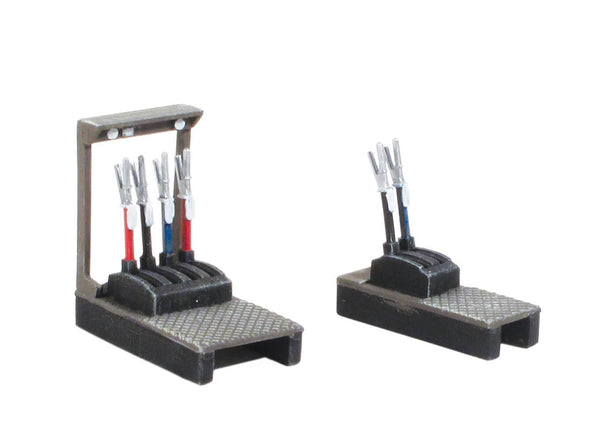
Lever Ground Frames
A kit depicting the levers necessary to control isolated industrial and country sidings; contains 2 frames as illustrated. Don't forget the point rodding (SS89 and 90); catch points, ground signals/signals and loading gauges where appropriate. Supplied with pre-coloured parts although painting and/or weathering can add realism; glue is required to complete this model.
Leyland National Single Decker Bus, Blackpool
The Leyland National bus was built in Workington, Cumbria, between 1972 and 1985, this project being a collaboration between British Leyland and the National Bus Company. It was a successful venture, with thousands built, and also exported to many countries around the world, including Australia, the Netherlands, Jamaica, Trinidad & Tobago, and the largest export shipment, 450 buses to Venezuela! Very few remain in service in the UK, but over 100 are preserved. Another interesting fact, and a railway one, is that the bus body design, and components, were adapted to be used in the British Rail Class 141, 142 and 155 diesel multiple units. Kit contains pre-coloured parts and transfers; requires glue and detail painting to complete.
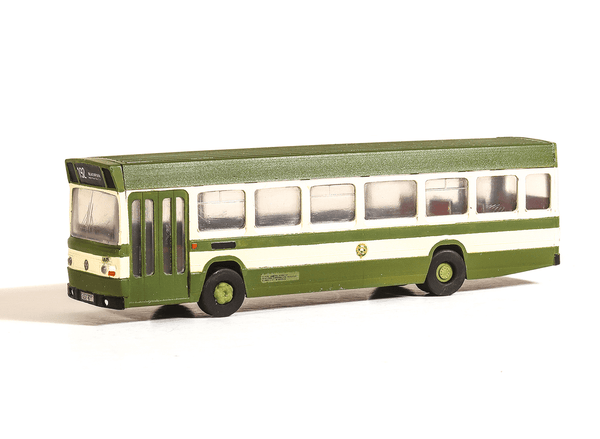
Leyland National Single Decker Bus, Greater Manchester
The Leyland National bus was built in Workington, Cumbria, between 1972 and 1985, this project being a collaboration between British Leyland and the National Bus Company. It was a successful venture, with thousands built, and also exported to many countries around the world, including Australia, the Netherlands, Jamaica, Trinidad & Tobago, and the largest export shipment, 450 buses to Venezuela! Very few remain in service in the UK, but over 100 are preserved. Another interesting fact, and a railway one, is that the bus body design, and components, were adapted to be used in the British Rail Class 141, 142 and 155 diesel multiple units. Kit contains pre-coloured parts and transfers; requires glue and detail painting to complete.
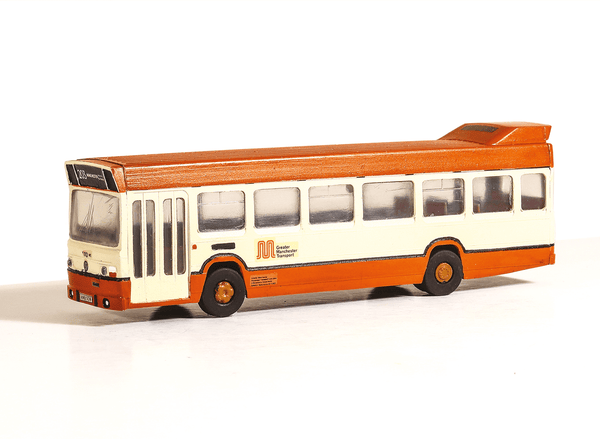
Leyland National Single Decker Bus, Green Vari-kit
The Leyland National bus was built in Workington, Cumbria, between 1972 and 1985, this project being a collaboration between British Leyland and the National Bus Company. It was a successful venture, with thousands built, and also exported to many countries around the world, including Australia, the Netherlands, Jamaica, Trinidad & Tobago, and the largest export shipment, 450 buses to Venezuela! Very few remain in service in the UK, but over 100 are preserved. Another interesting fact, and a railway one, is that the bus body design, and components, were adapted to be used in the British Rail Class 141, 142 and 155 diesel multiple units. Kit contains pre-coloured parts and transfers; requires glue and detail painting to complete.
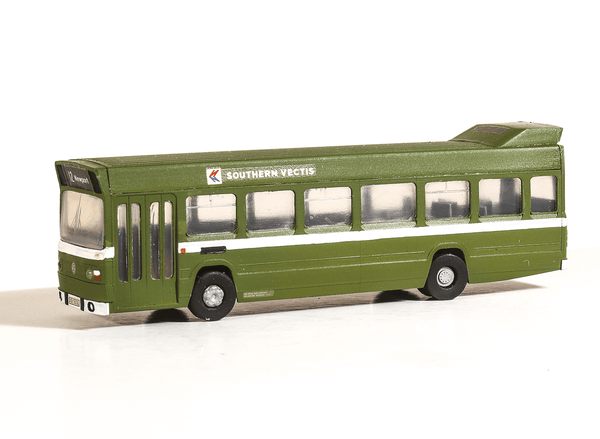
Leyland National Single Decker Bus, London Country
The Leyland National bus was built in Workington, Cumbria, between 1972 and 1985, this project being a collaboration between British Leyland and the National Bus Company. It was a successful venture, with thousands built, and also exported to many countries around the world, including Australia, the Netherlands, Jamaica, Trinidad & Tobago, and the largest export shipment, 450 buses to Venezuela! Very few remain in service in the UK, but over 100 are preserved. Another interesting fact, and a railway one, is that the bus body design, and components, were adapted to be used in the British Rail Class 141, 142 and 155 diesel multiple units. Kit contains pre-coloured parts and transfers; requires glue and detail painting to complete.
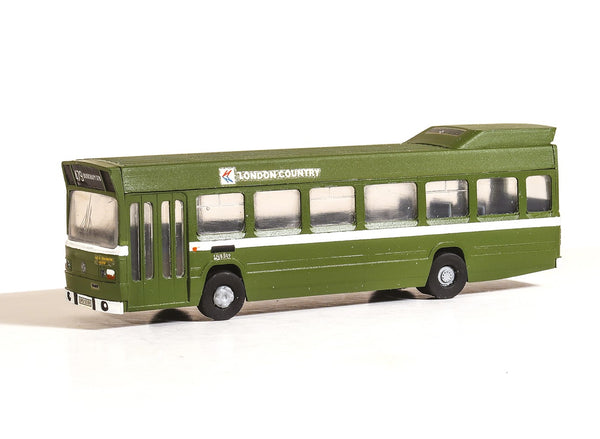
Leyland National Single Decker Bus, London Transport
The Leyland National bus was built in Workington, Cumbria, between 1972 and 1985, this project being a collaboration between British Leyland and the National Bus Company. It was a successful venture, with thousands built, and also exported to many countries around the world, including Australia, the Netherlands, Jamaica, Trinidad & Tobago, and the largest export shipment, 450 buses to Venezuela! Very few remain in service in the UK, but over 100 are preserved. Another interesting fact, and a railway one, is that the bus body design, and components, were adapted to be used in the British Rail Class 141, 142 and 155 diesel multiple units. Kit contains pre-coloured parts and transfers; requires glue and detail painting to complete.
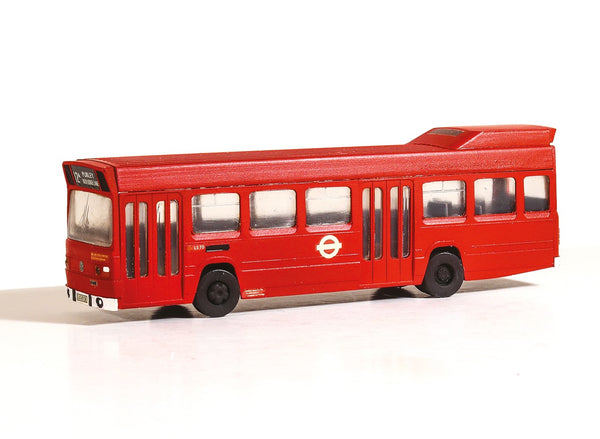
Leyland National Single Decker Bus, Red Vari-kit
The Leyland National bus was built in Workington, Cumbria, between 1972 and 1985, this project being a collaboration between British Leyland and the National Bus Company. It was a successful venture, with thousands built, and also exported to many countries around the world, including Australia, the Netherlands, Jamaica, Trinidad & Tobago, and the largest export shipment, 450 buses to Venezuela! Very few remain in service in the UK, but over 100 are preserved. Another interesting fact, and a railway one, is that the bus body design, and components, were adapted to be used in the British Rail Class 141, 142 and 155 diesel multiple units. Kit contains pre-coloured parts and transfers; requires glue and detail painting to complete.
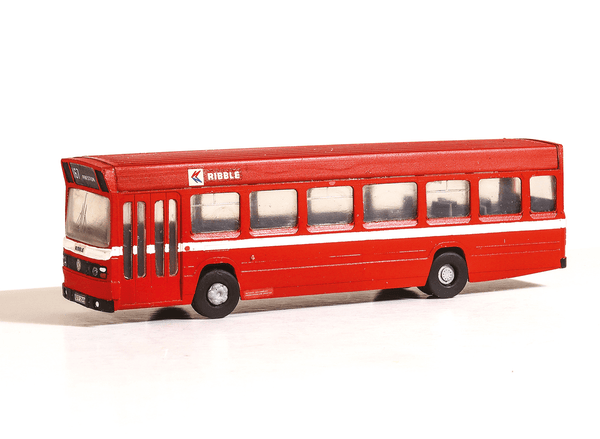
Leyland Olympian Double Decker Bus, Blackpool Corporation
The Leyland Olympian entered service with the National Bus Company (N.B.C.) in 1981, as a replacement for the Bristol VRT. Shortly after this, Olympians entered service with many provincial operators. London Transport ordered its' first batch in 1984.
Initial batches of the Olympian featured a Leyland chassis, powered by a Gardner 6 LXB engine with an Eastern Carriage Works (E.C.W.) body. Later batches used a Leyland built body and those produced more recently had an Optare built body. Outwardly these three bodies are basically identical and this kit is based on this type of Olympian.
They were exported to Greece, Hong Kong, the USA, Canada and Singapore. Kit contains pre-coloured parts and transfers; requires glue and detail painting to complete.
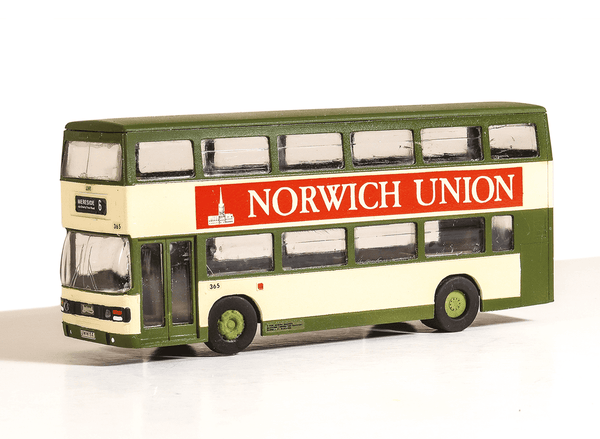
Leyland Olympian Double Decker Bus, London Buses Metro
The Leyland Olympian entered service with the National Bus Company (N.B.C.) in 1981, as a replacement for the Bristol VRT. Shortly after this, Olympians entered service with many provincial operators. London Transport ordered its' first batch in 1984.
Initial batches of the Olympian featured a Leyland chassis, powered by a Gardner 6 LXB engine with an Eastern Carriage Works (E.C.W.) body. Later batches used a Leyland built body and those produced more recently had an Optare built body. Outwardly these three bodies are basically identical and this kit is based on this type of Olympian.
They were exported to Greece, Hong Kong, the USA, Canada and Singapore. Kit contains pre-coloured parts and transfers; requires glue and detail painting to complete.
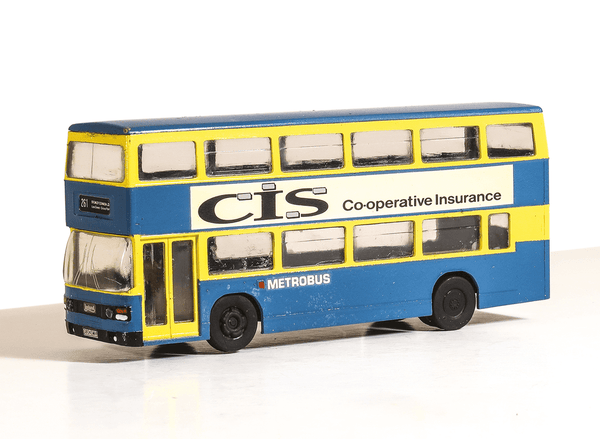
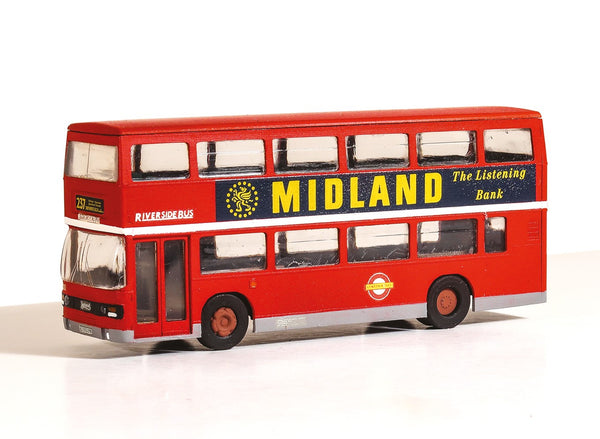
Leyland Olympian Double Decker Bus, London Buses Riverside
The Leyland Olympian entered service with the National Bus Company (N.B.C.) in 1981, as a replacement for the Bristol VRT. Shortly after this, Olympians entered service with many provincial operators. London Transport ordered its' first batch in 1984.
Initial batches of the Olympian featured a Leyland chassis, powered by a Gardner 6 LXB engine with an Eastern Carriage Works (E.C.W.) body. Later batches used a Leyland built body and those produced more recently had an Optare built body. Outwardly these three bodies are basically identical and this kit is based on this type of Olympian.
They were exported to Greece, Hong Kong, the USA, Canada and Singapore. Kit contains pre-coloured parts and transfers; requires glue and detail painting to complete.
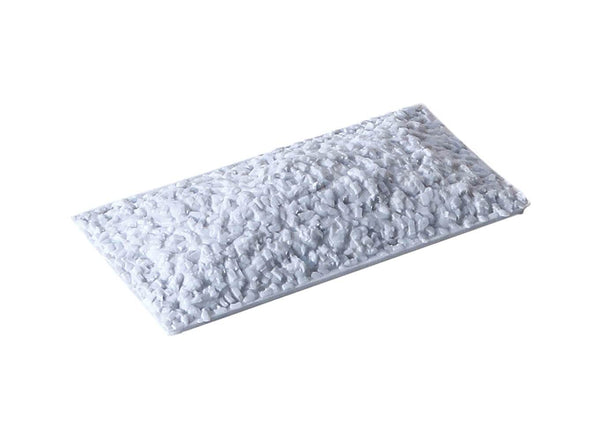
Limewashed Stone
These sheets are invaluable for scratchbuilding, saving many hours of repetitive work creating the various surface patterns and textures. They are the same as those used in the Craftsman kits to make extension work easier. Each pack contains 4 sheets 130mm x 75mm of injection moulded styrene approximately 2mm thick, making them rigid enough to be self supporting.

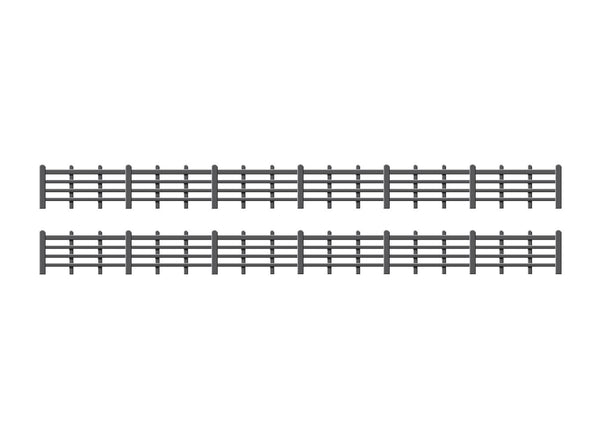
Lineside Fencing, Black
Supplied with pre-coloured parts although painting and/or weathering can add realism; glue is required to complete this model. This pack contains 860mm of countryside fencing.
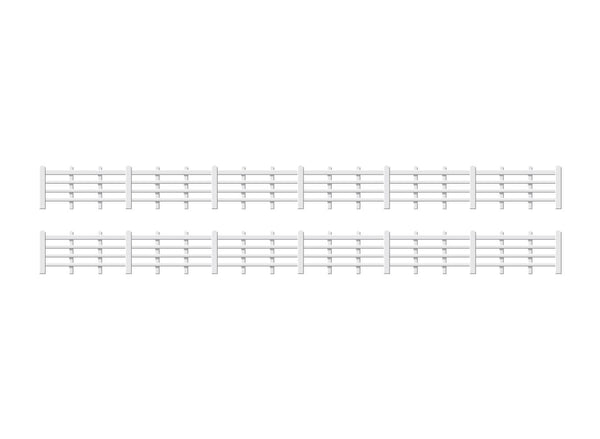
Lineside Fencing, White
Supplied with pre-coloured parts although painting and/or weathering can add realism; glue is required to complete this model. This pack contains 860mm of countryside fencing.
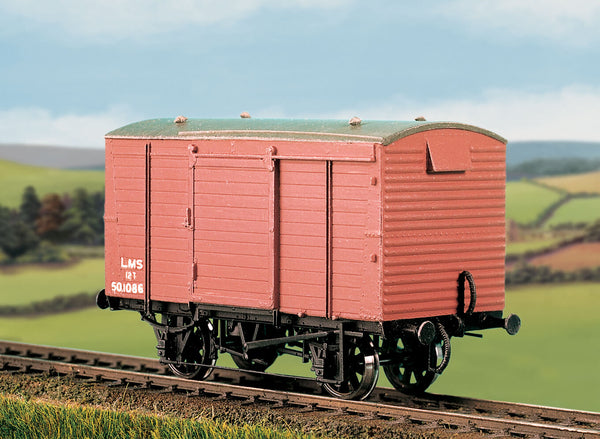
LMS 12ton Ventilated Box Van Kit
20,000 of this simple, workmanlike design were built between 1934 and 1944 for carrying perishable goods. Transfers are included; glue and paints are required to complete this model.
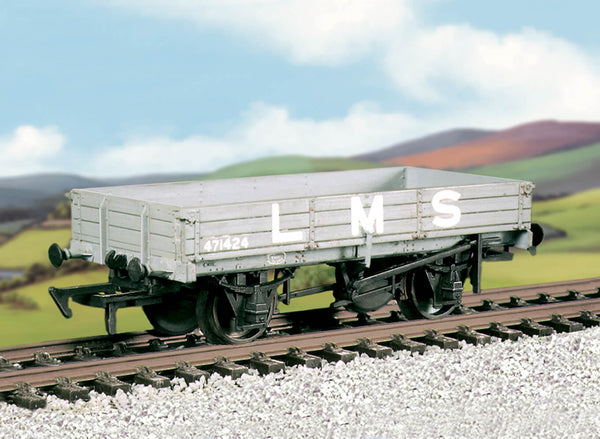
LMS 3 Plank Medium Open Wagon Kit
A standard design with drop sides to transport general merchandise, farm equipment etc. 6,600 were built between 1935 and 1947. Transfers are included; glue and paints are required to complete this model.
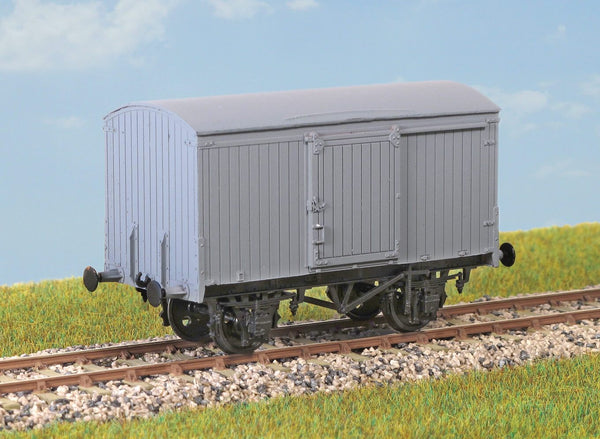
LMS 6ton Fish Wagon
75 of these vans (diagram 2059) were built in 1941 for express fish traffic. They were usually marshalled in fish or passenger trains. Most lasted into the middle 1960s. These finely moulded plastic wagon kits come complete with pin point axle wheels and bearings. Glue and paint will be required, along with appropriate transfers. Additional parts to enable the vehicle to be modelled incorporating modifications made to the prototypes during their working life are included where appropriate.
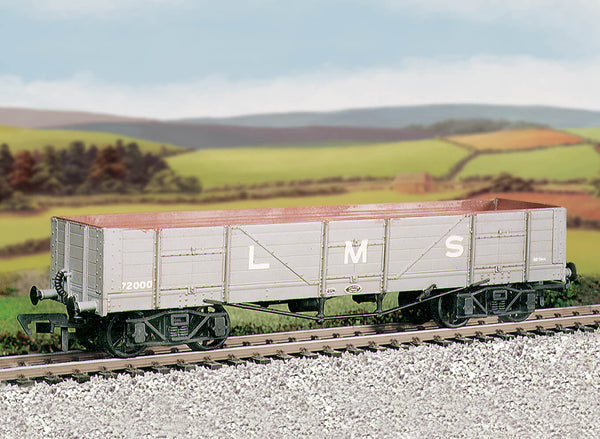
LMS Bogie Iron Ore Wagon Kit
Originally built by the Caledonian Railway, these wagons were used for carrying ore. Transfers are included; glue and paints are required to complete this model.
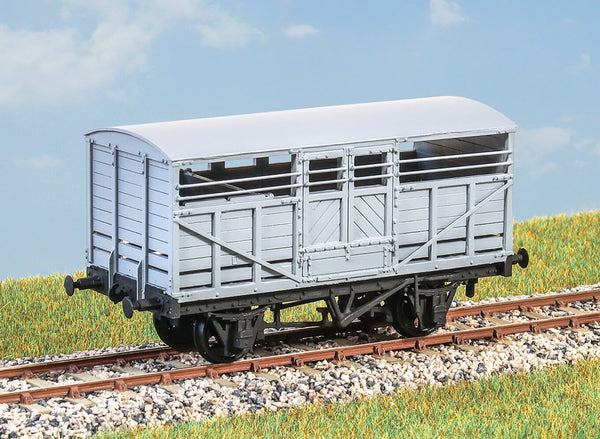
LMS Cattle Wagon
The LMS built 2050 of these wagons (diagram 1661) between 1923 and 1926. They lasted in use until the early 1960s. These finely moulded plastic wagon kits come complete with pin point axle wheels and bearings. Glue and paint will be required, along with appropriate transfers. Additional parts to enable the vehicle to be modelled incorporating modifications made to the prototypes during their working life are included where appropriate.
LMS Distant Signal
Part of the Ratio 'Quick Assembly' family of signals. These allow you to make home and distant signals quickly and easily. They include signal operating wire and lever. This kit enables you to replicate an LMS Round Post Distant Signal. Glue and paints required to complete model.

LMS Home Signal
Part of the Ratio 'Quick Assembly' family of signals. These allow you to make home and distant signals quickly and easily. They include signal operating wire and lever. This kit enables you to replicate an LMS Round Post Home Signal. Glue and paints required to complete model.

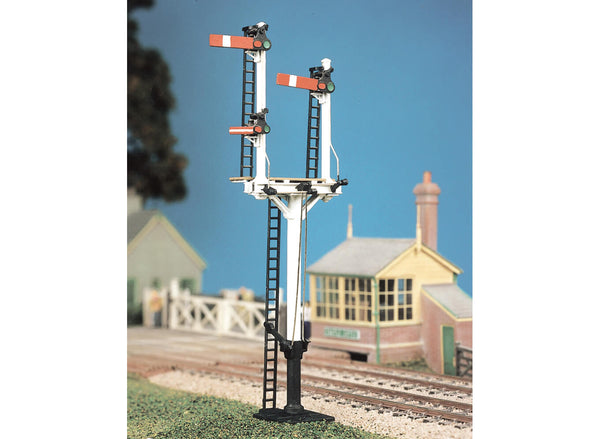
LMS Round Post Signal
Advanced Construction Signals. Aimed at modellers with more experience, these kits enable you to custom make specific configurations of signals to suit your track layout and train paths. This kit will make either 4 separate signals, or combinations of bracket signals plus 4 Ground Signals. It can also be used with the Pratt Truss Gantry kit (Ref 478) to provide over track signals. Glue and paints required to complete model.
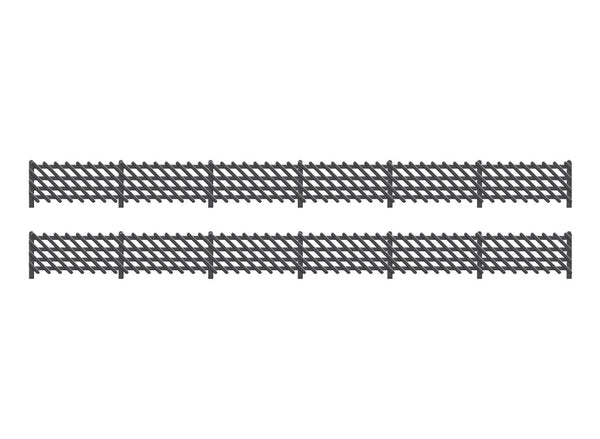
LMS Station Fencing, Black
Supplied with pre-coloured parts although painting and/or weathering can add realism; glue is required to complete this model. This pack contains 680mm of classic Midland Railway diagonal style fencing fencing.
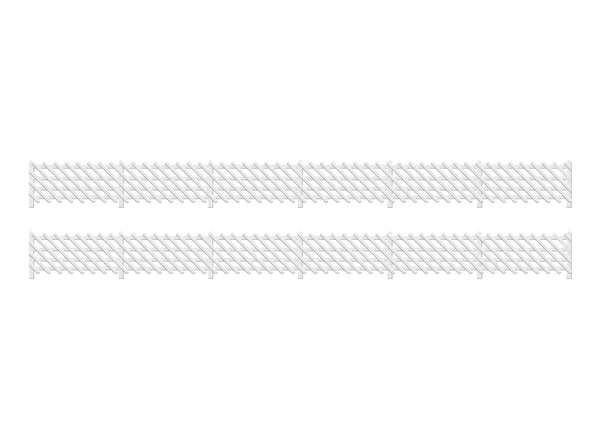
LMS Station Fencing, White
Supplied with pre-coloured parts although painting and/or weathering can add realism; glue is required to complete this model. This pack contains 680mm of classic Midland Railway diagonal style fencing fencing.
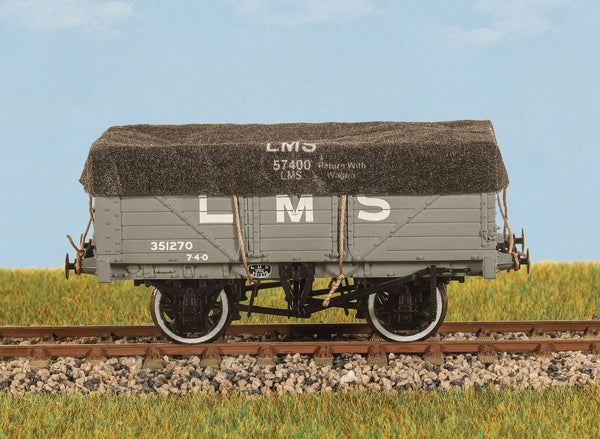
LMS Wagon Tarpaulin
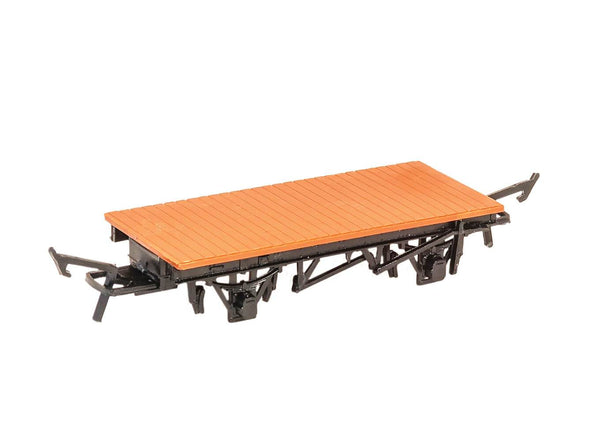
LNER 10 foot Chassis kit, Vacuum Fitted with Clasp Brake Shoes
Kit and scratch builders accessory; as included in the 12 ton 5 Plank Open wagon kit PC25.
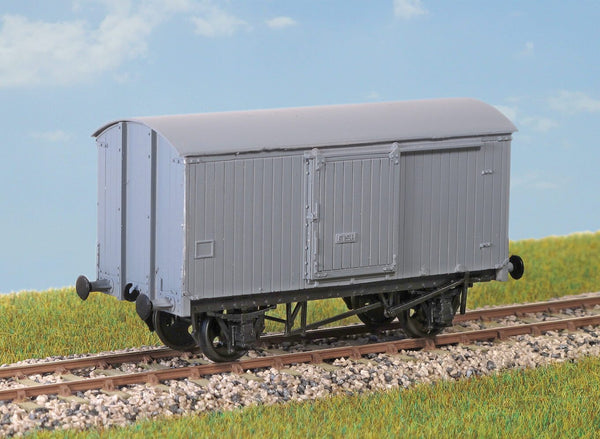
LNER 10ton Fish Wagon
Traditional Body (diagram 134) Almost 2000 of these vans were built in 1938/39 for express fish traffic. Many lasted in service into the 1960s. These finely moulded plastic wagon kits come complete with pin point axle wheels and bearings. Glue and paint will be required, along with appropriate transfers. Additional parts to enable the vehicle to be modelled incorporating modifications made to the prototypes during their working life are included where appropriate.
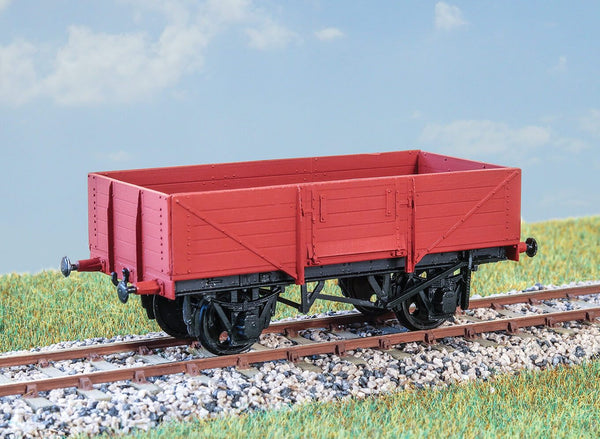
LNER 12ton 5 Plank Open Wagon
Introduced in 1938, these wagons (diagram 1/120) were used for general traffic until the early 1970s. Being equipped with the vacuum brake, they were suitable for express goods services. These finely moulded plastic wagon kits come complete with pin point axle wheels and bearings. Glue and paint will be required, along with appropriate transfers. Additional parts to enable the vehicle to be modelled incorporating modifications made to the prototypes during their working life are included where appropriate.
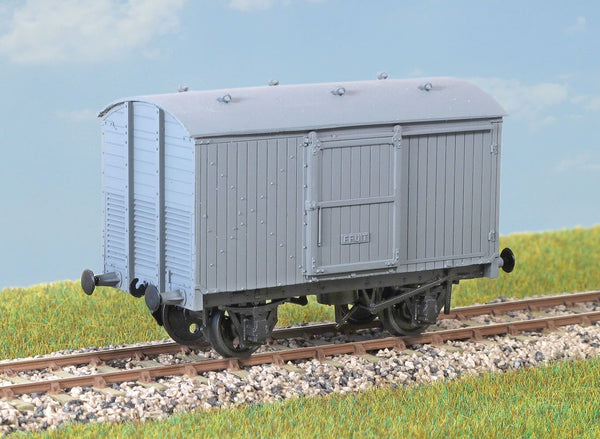
LNER 12ton Fruit Van
500 of these vans (diagram 106) were built in the mid 1930s to carry fruit traffic - comprising soft and hard fruit and flowers - to destinations throughout Britain. These finely moulded plastic wagon kits come complete with pin point axle wheels and bearings. Glue and paint will be required, along with appropriate transfers. Additional parts to enable the vehicle to be modelled incorporating modifications made to the prototypes during their working life are included where appropriate.
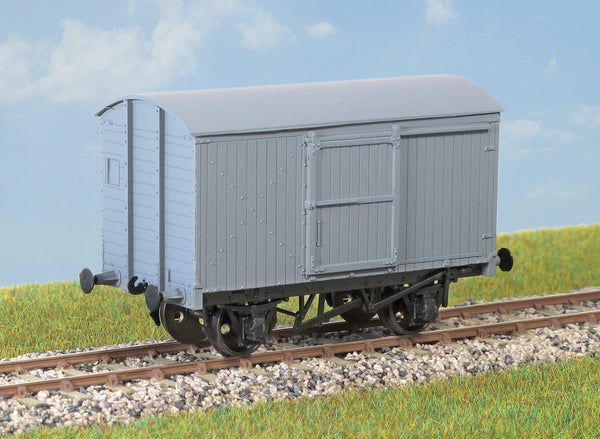
LNER 12ton Goods Van
Over 2000 of these vans (diagram 94) were built in the mid 1930s for general goods traffic. Many lasted into the mid 1960s. These finely moulded plastic wagon kits come complete with pin point axle wheels and bearings. Glue and paint will be required, along with appropriate transfers. Additional parts to enable the vehicle to be modelled incorporating modifications made to the prototypes during their working life are included where appropriate.
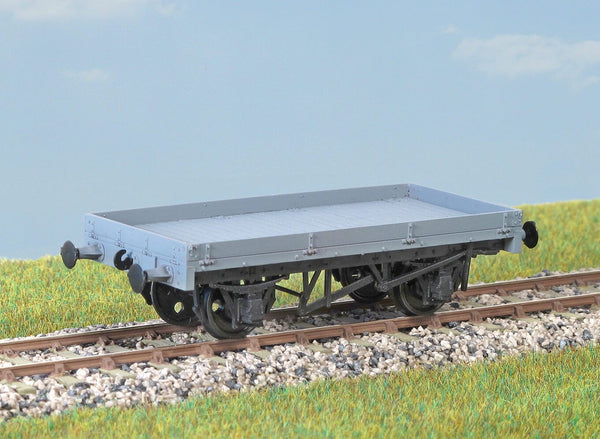
LNER 12ton Low Sided Wagon
Almost 1400 of these wagons (diagram 1/109) were built in the mid to late 1930s, to carry loads such as machinery, packing cases and road vehicles. Examples were in service into the early 1960s. These finely moulded plastic wagon kits come complete with pin point axle wheels and bearings. Glue and paint will be required, along with appropriate transfers. Additional parts to enable the vehicle to be modelled incorporating modifications made to the prototypes during their working life are included where appropriate.
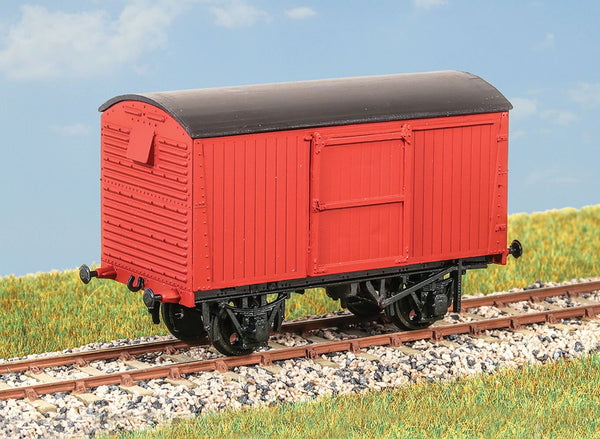
LNER 12ton Van
Introduced in the late 1930s, these wagons (diagram 25) were used for general traffic until the late 1960s. Being equipped with the vacuum brake, they were suitable for express goods services. These finely moulded plastic wagon kits come complete with pin point axle wheels and bearings. Glue and paint will be required, along with appropriate transfers. Additional parts to enable the vehicle to be modelled incorporating modifications made to the prototypes during their working life are included where appropriate.
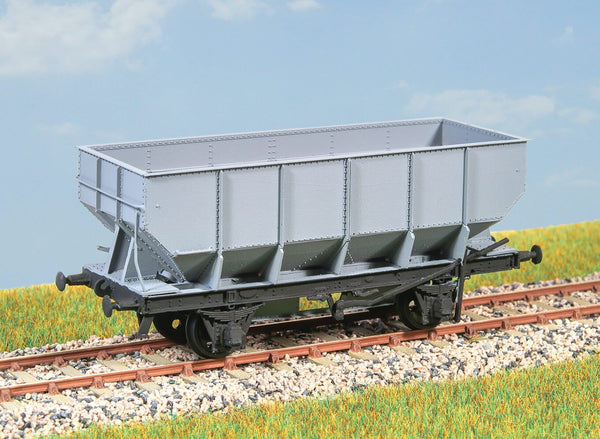
LNER 20ton Hopper Wagon
13,645 of these wagons were built. Features the unique LNER brake gear. Represents the batch of 409 built by Hurst Nelson in 1936. Examples lasted into the 1970s. These finely moulded plastic wagon kits come complete with pin point axle wheels and bearings. Glue and paint will be required, along with appropriate transfers. Additional parts to enable the vehicle to be modelled incorporating modifications made to the prototypes during their working life are included where appropriate.
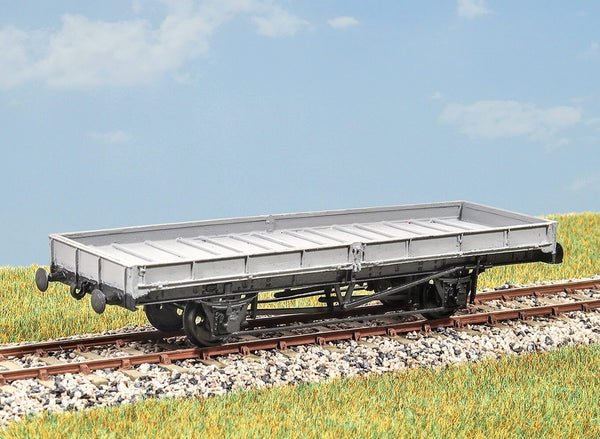
LNER 20ton Plate Wagon
Among the first with an all welded body, these wagons (diagram 1/123) were widely used for carrying steel plate and other traffic such as motor cars, farm machinery and large packing cases. Period 1940 to mid 1970s. These finely moulded plastic wagon kits come complete with pin point axle wheels and bearings. Glue and paint will be required, along with appropriate transfers. Additional parts to enable the vehicle to be modelled incorporating modifications made to the prototypes during their working life are included where appropriate.
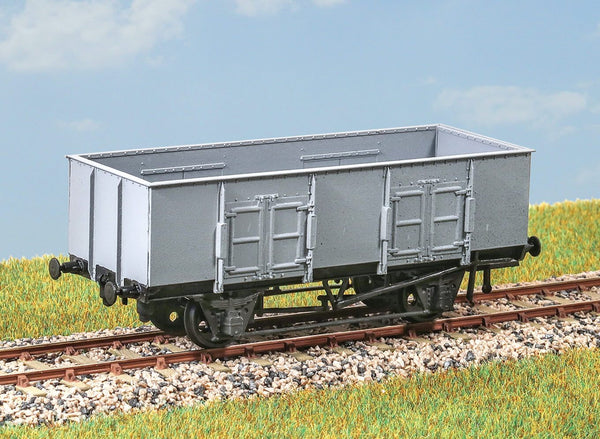
LNER 21ton Loco Coal Wagon
Constructed in the late 1930s, these were a standard design of loco coal wagon (diagram 207). In the 1950s, they were used for general coal traffic and were finally withdrawn in the mid 1960s.
These finely moulded plastic wagon kits come complete with pin point axle wheels and bearings. Glue and paint will be required, along with appropriate transfers. Additional parts to enable the vehicle to be modelled incorporating modifications made to the prototypes during their working life are included where appropriate.
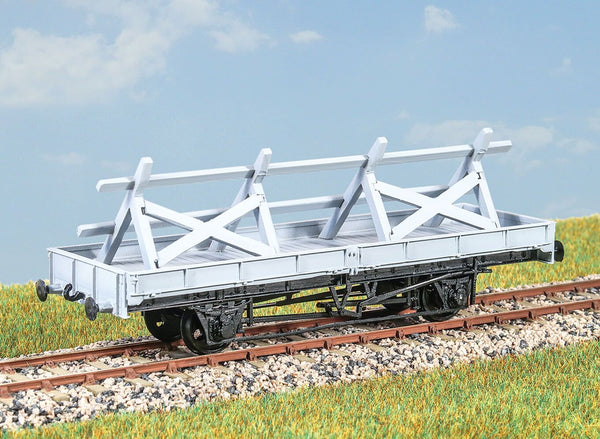
LNER 21ton Trestle Wagon
Converted both before and after nationalisation (diagram 1/217) from standard plate and double bolster wagons to carry steel plates too wide to be loaded flat. Period mid 1940s to early 1970s. These finely moulded plastic wagon kits come complete with pin point axle wheels and bearings. Glue and paint will be required, along with appropriate transfers. Additional parts to enable the vehicle to be modelled incorporating modifications made to the prototypes during their working life are included where appropriate.
LNER 21ton Twin Bolster Wagon
21 ton Twin Bolster Wagon 1943 (diagram 1/168) These wagons were used to carry short steel sections such as girders, pipes and reinforcing rods. Period 1943 to early 1970s. These finely moulded plastic wagon kits come complete with pin point axle wheels and bearings. Glue and paint will be required, along with appropriate transfers. Additional parts to enable the vehicle to be modelled incorporating modifications made to the prototypes during their working life are included where appropriate.
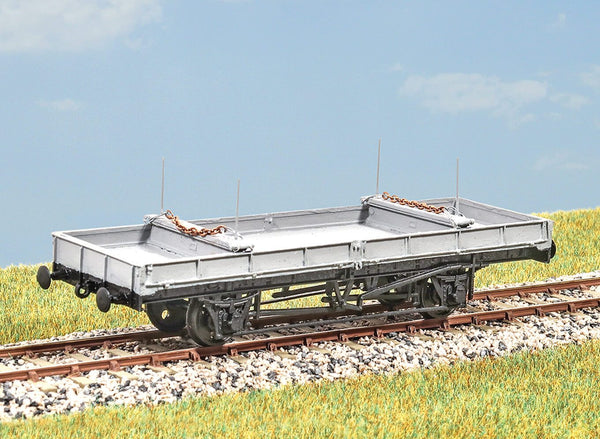
LNER Conflat Container Wagon
With DX Open Container (diagram 104) The standard LNER container wagon from the mid 1930s. In service until 1970. Open containers were widely used until the early 1960s. These finely moulded plastic wagon kits come complete with pin point axle wheels and bearings. Glue and paint will be required, along with appropriate transfers. Additional parts to enable the vehicle to be modelled incorporating modifications made to the prototypes during their working life are included where appropriate.
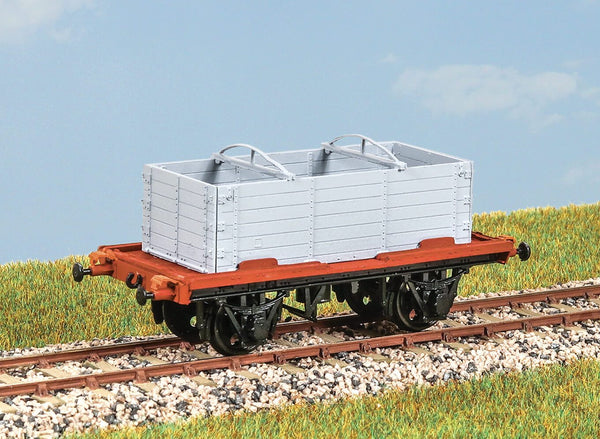
LNER DX Open Container kit
As supplied with the Conflat 'S' Container wagon kit PC35; open containers were widely used until the early 1960's.
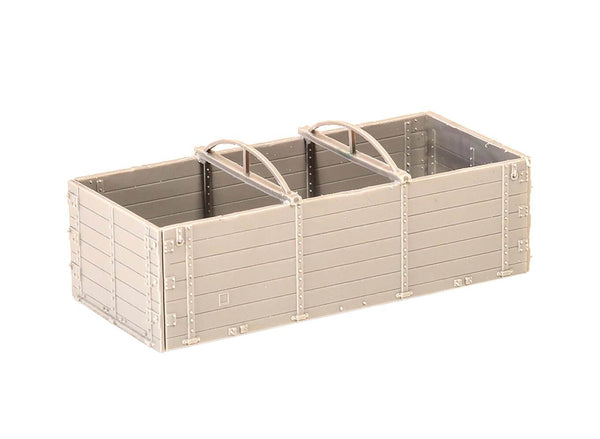
LNER Standard Cattle Truck
For over 100 years the cattle truck was an integral part of the British railway scene. Our model is of the standard LNER cattle truck (diagram 39) introduced in the 1920s and surviving into BR ownership.These finely moulded plastic wagon kits come complete with pin point axle wheels and bearings. Glue and paint will be required, along with appropriate transfers. Additional parts to enable the vehicle to be modelled incorporating modifications made to the prototypes during their working life are included where appropriate.
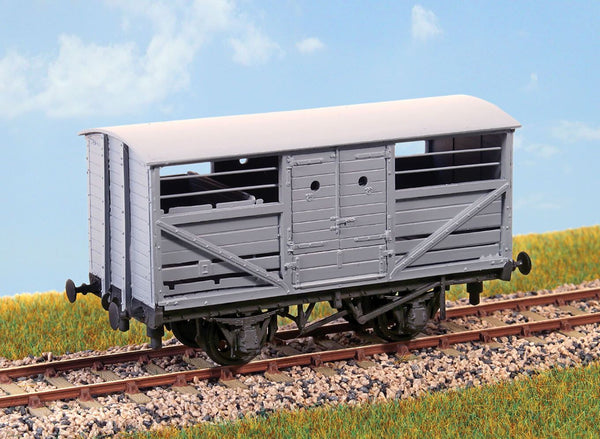
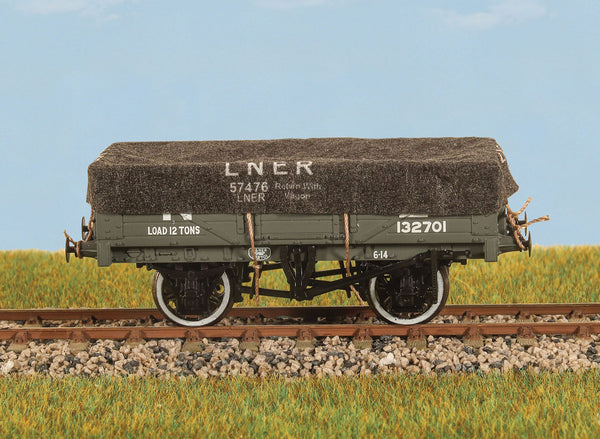
LNER Wagon Tarpaulin
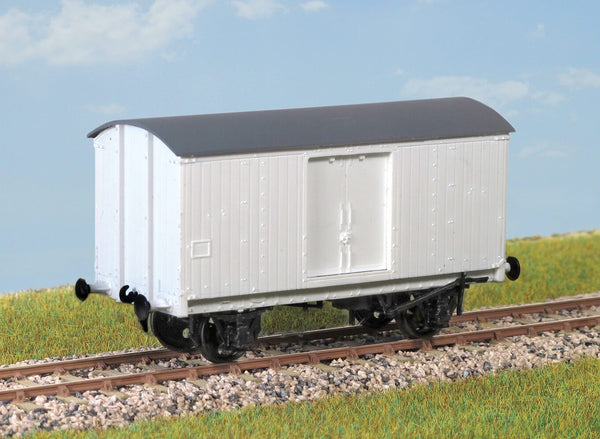
LNER/BR 10ton Fish Van
The LNER built almost 2000 of these (diagram 134) in 1938/39 for express fish traffic. This kit represents those rebuilt by BR with insulated bodies and recessed doors. Many lasted into the late 1960s.
These finely moulded plastic wagon kits come complete with pin point axle wheels and bearings. Glue and paint will be required, along with appropriate transfers. Additional parts to enable the vehicle to be modelled incorporating modifications made to the prototypes during their working life are included where appropriate.
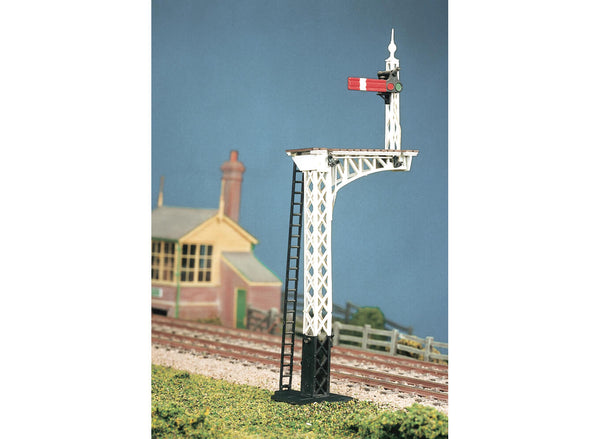
LNER/SR Lattice Post Signal
Advanced Construction Signals. Aimed at modellers with more experience, these kits enable you to custom make specific configurations of signals to suit your track layout and train paths. This kit will make either 4 separate signals, or combinations of bracket signals. It can also be used with the Pratt Truss Gantry kit (Ref 478) to provide over track signals. Glue and paints required to complete model.
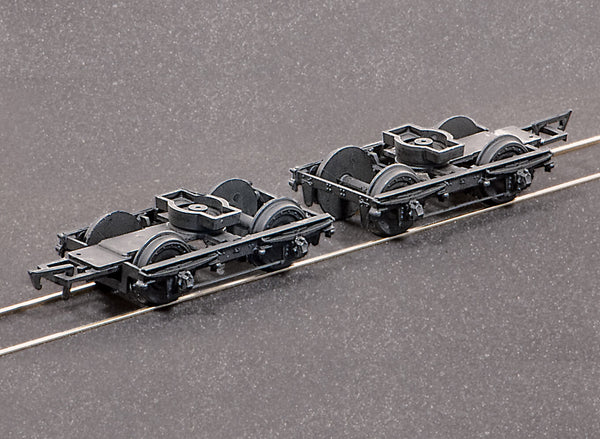
LNWR 8 feet Coach Bogies and Wheels
Pack includes parts to make a pair of these LNWR design bogies. Kit includes wheels and tension lock couplings; supplied with pre-coloured parts although painting and/or weathering can add realism; glue is required to complete this model.
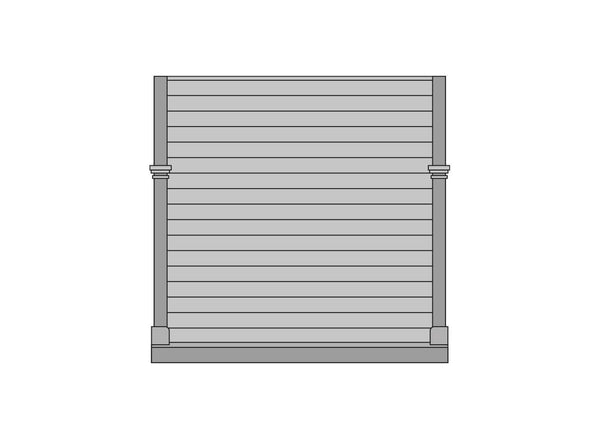
LNWR Grand Junction Station Building Components: 4 Plain Board End Panels
Based on an LNWR design, but useful for emulating wooden station building structures seen across the British Isles. Pack contains 4 Plain Board End Panels (47mm Wide by 53mm High). The modular design of this series (see also GJ02, 3 and 4) enables the construction of a tailor made building to suit the model location. Roofing (See the Wills Roofing Materials Pack SSMP229 Sheet and Batten Roofing and Ratio 516 Platform Valencing, Platform Canopy kits Ref Wills SS54 and Ratio 515), glue and paints are required to complete this model.
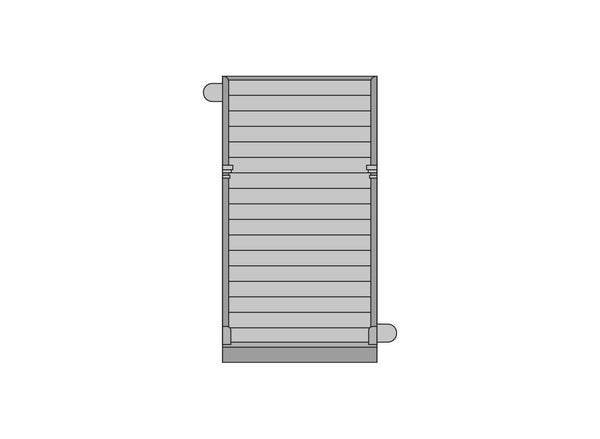
LNWR Grand Junction Station Building Components: 4 Plain Board Panels
Based on an LNWR design, but useful for emulating wooden station building structures seen across the British Isles. Pack contains 4 Plain Board Panels (27mm Wide by 53mm High). The modular design of this series (see also GJ01, 2 and 3) enables the construction of a tailor made building to suit the model location. Roofing (See the Wills Roofing Materials Pack SSMP229 Sheet and Batten Roofing and Ratio 516 Platform Valencing, Platform Canopy kits Ref Wills SS54 and Ratio 515), glue and paints are required to complete this model.
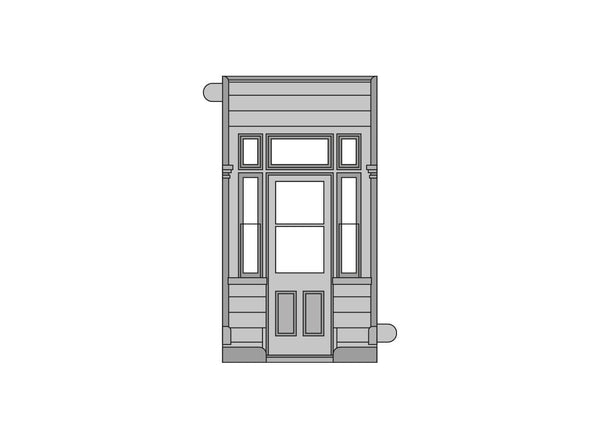
LNWR Grand Junction Station Building Components: 4 Single Door Panels
Based on an LNWR design, but useful for emulating wooden station building structures seen across the British Isles. Pack contains 4 Single Door Panels (27mm Wide by 53mm High). The modular design of this series (see also GJ01, 2 and 4) enables the construction of a tailor made building to suit the model location. Roofing (See the Wills Roofing Materials Pack SSMP229 Sheet and Batten Roofing and Ratio 516 Platform Valencing, Platform Canopy kits Ref Wills SS54 and Ratio 515), glue and paints are required to complete this model.
LNWR Grand Junction Station Building Components: 4 Window Panels
Based on an LNWR design, but useful for emulating wooden station building structures seen across the British Isles. Pack contains 4 Window Panels (27mm Wide by 53mm High). The modular design of this series (see also GJ01, 3 and 4) enables the construction of a tailor made building to suit the model location. Roofing (See the Wills Roofing Materials Pack SSMP229 Sheet and Batten Roofing and Ratio 516 Platform Valencing, Platform Canopy kits Ref Wills SS54 and Ratio 515), glue and paints are required to complete this model.