


BROWSE PECO PRODUCTS
Browse through our complete product portfolio.
606 Products Found
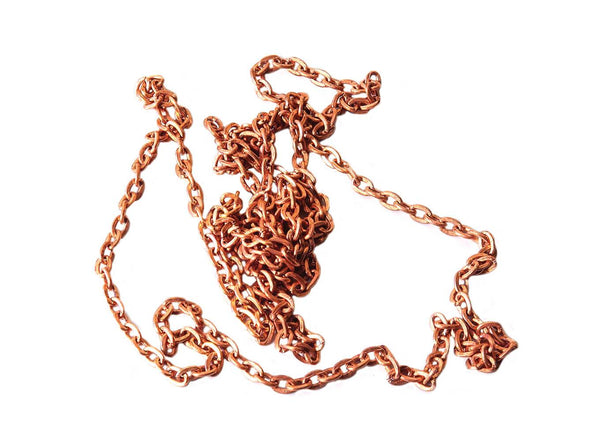
Fine Chain 9 links per inch
Useful as a load or for securing loads, or for cranes, hoists etc.
Flexible Brick Sheets
These sheets are invaluable for scratchbuilding, saving many hours of repetitive work creating the various surface patterns and textures. They are the same as those used in the Craftsman kits to make extension work easier. Each pack contains 4 sheets 170mm x 113mm of injection moulded styrene and thin enough to be sufficiently flexible to form the underside of a viaduct arch.

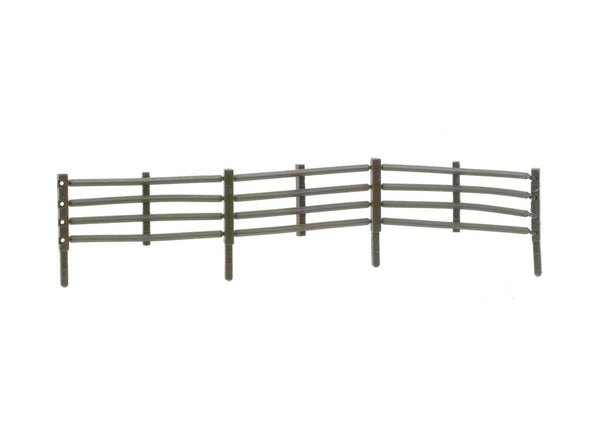
Flexible Field Fencing
This fencing will follow ground contours with the posts remaining vertical. The LK-86 Stiles and Gates pack provides access places.
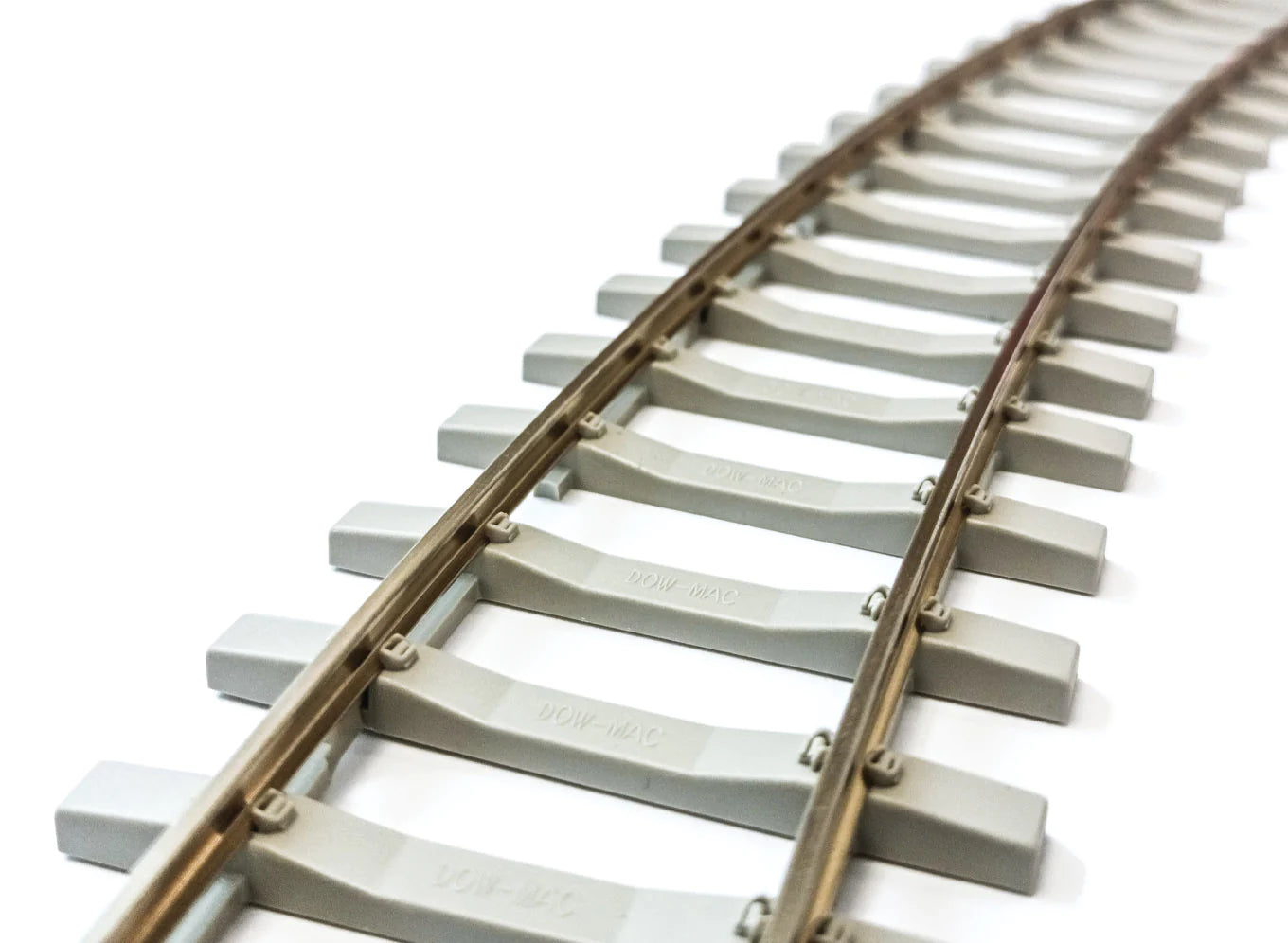
Flexible Track, Bibloc Sleeper
Bibloc track is the latest form of concrete sleepering to be seen in Britain and around Europe; the rails being supported on concrete blocks which are kept to gauge by a connecting steel rod which is concealed in the ballast when the track has been laid.
Peco Streamline Code 75 track meets the standards of enthusiasts who prefer to run trains on scale height rail. Today most manufacturers' wheels are suitable for use on Code 75 track but some vintage models may have flanges which are too deep to clear the rail fixings. Code 75 can be easily combined with code 100 track by using the SL-113 Transition Track.
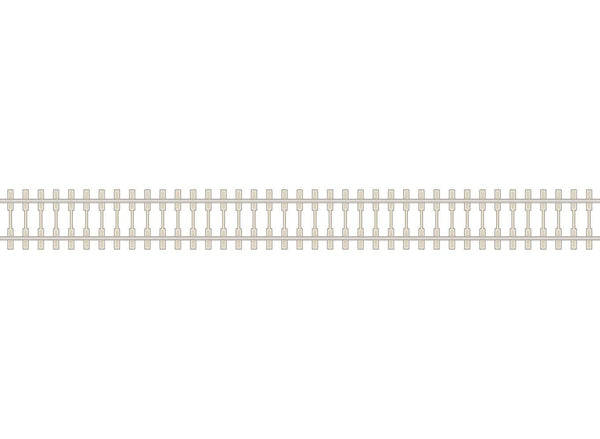
Flexible Track, Concrete Sleeper
Concrete sleeper track has been in use on the railways of Britain since around 1940, usually combined with wooden sleeper turnouts and crossings, and this track is a faithful representation of this design.
If you wish to mix wheel standards on your 00/H0 layout, this is the trackage to choose. Code 100 rail allows flange depths up to 1.6mm which means that both vintage and current stock will run happily together. The wide range of turnouts and crossings in this series includes every type, and the geometry of this range has been cleverly designed to make it easy to build convenient, complex and aesthetically pleasing formations.
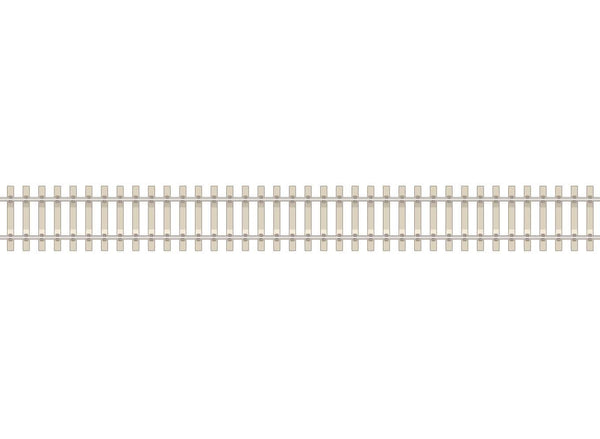
Flexible Track, Concrete Sleeper
This track models the most common form of concrete sleepering in use in Britain today, with flat bottom rail and faithfully replicated Pandrol rail fixings.
Peco Streamline Code 75 track meets the standards of enthusiasts who prefer to run trains on scale height rail. Today most manufacturers' wheels are suitable for use on Code 75 track but some vintage models may have flanges which are too deep to clear the rail fixings. Code 75 can be easily combined with code 100 track by using the SL-113 Transition Track.
The wide range of turnouts and crossings in this series includes every type, and the geometry of this range has been cleverly designed to make it easy to build convenient, complex and aesthetically pleasing formations. For more details on Electrofrog turnouts, see our Wiring the Layout publications Nos 4 and 21.
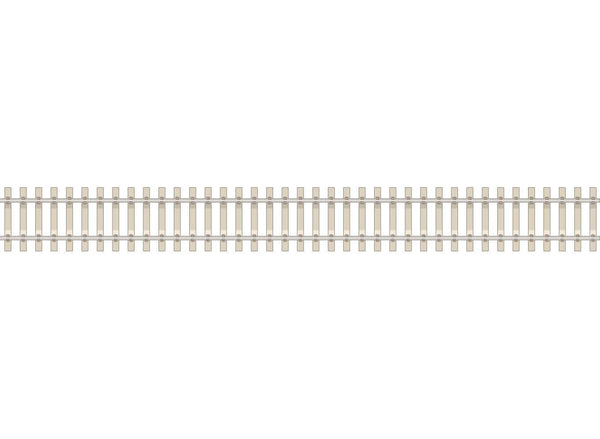
Flexible Track, Concrete Sleeper
83 Line items are realistic models of North American railroad track, with Code 83 nickel silver rail. Scaled from A.R.E.A. drawings and NMRA compliant, Code 83 features authentic tie sizes and spacing, the standard American number system for frog geometry, plus a very fine representation of the rail fixings.
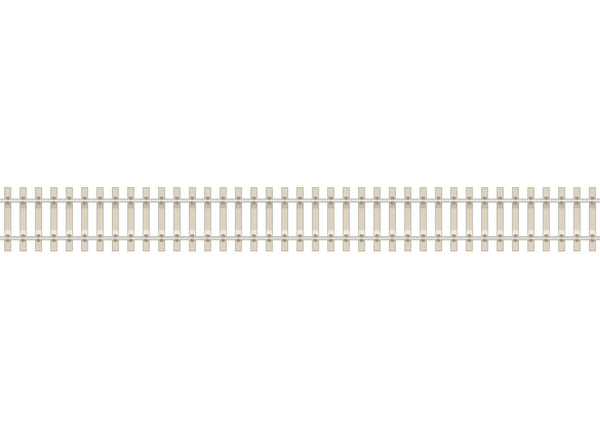
Flexible Track, Concrete Sleeper
Concrete sleeper track has been in use on the railways of Britain since around 1940, usually combined with wooden sleeper turnouts and crossings, and this track is a faithful representation of this design.
If you wish to mix wheel standards on your 00/H0 layout, this is the trackage to choose. Code 100 rail allows flange depths up to 1.6mm which means that both vintage and current stock will run happily together. The wide range of turnouts and crossings in this series includes every type, and the geometry of this range has been cleverly designed to make it easy to build convenient, complex and aesthetically pleasing formations.
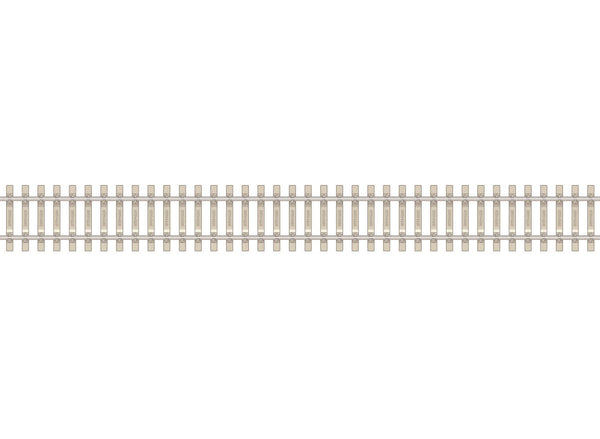
Flexible Track, Steel Sleeper
Steel sleeper track is not a recent innovation, having been introduced in the late 19th Century. It proved particularly useful in places such as India and Africa where wooden sleepers could be attacked by termites. Our model is of the modern style, which was brought into use here in Britain in the late 1980's, and features flat bottom rail with Pandrol fixings.
Peco Streamline Code 75 track meets the standards of enthusiasts who prefer to run trains on scale height rail. Today most manufacturers' wheels are suitable for use on Code 75 track but some vintage models may have flanges which are too deep to clear the rail fixings. Code 75 can be easily combined with code 100 track by using the SL-113 Transition Track.
The wide range of turnouts and crossings in this series includes every type, and the geometry of this range has been cleverly designed to make it easy to build convenient, complex and aesthetically pleasing formations. For more details on Electrofrog turnouts, see our Wiring the Layout publications Nos 4 and 21.
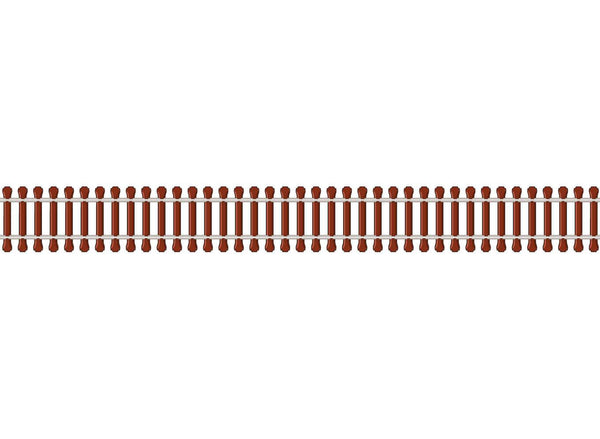
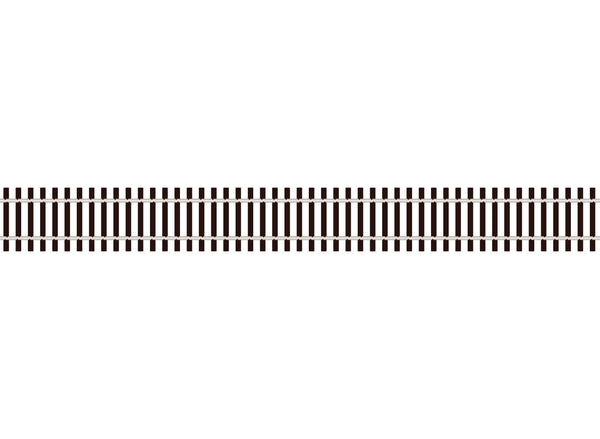
Flexible Track, Wooden Sleeper
If you wish to mix wheel standards on your 00/H0 layout, this is the trackage to choose. Code 100 rail allows flange depths up to 1.6mm which means that both vintage and current stock will run happily together.
The wide range of turnouts and crossings in this series includes every type, and the geometry of this range has been cleverly designed to make it easy to build convenient, complex and aesthetically pleasing formations. Layout plans suggestions can be found in our publications ‘Track Plans for Layouts to Suit all Locations’ (Ref PM-202), ‘60 Plans for Small Railways’ (Ref no PB-3), and ‘Track Plans for Various Locations’ (Ref no PB-66).
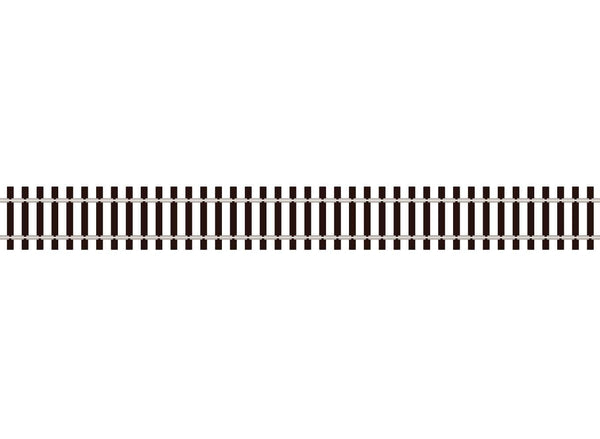
Flexible Track, Wooden Sleeper
Peco Streamline Code 75 track meets the standards of enthusiasts who prefer to run trains on scale height rail. Today most manufacturers' wheels are suitable for use on Code 75 track but some vintage models may have flanges which are too deep to clear the rail fixings. Code 75 can be easily combined with code 100 track by using the SL-113 Transition Track.
The wide range of turnouts and crossings in this series includes every type, and the geometry of this range has been cleverly designed to make it easy to build convenient, complex and aesthetically pleasing formations. Layout plans suggestions can be found in our publications ‘Track Plans for Layouts to Suit all Locations’ (Ref PM-202), ‘60 Plans for Small Railways’ (Ref no PB-3), and ‘Track Plans for Various Locations’ (Ref no PB-66).
For more details on Electrofrog turnouts, see our Wiring the Layout publications Nos 4 and 21.
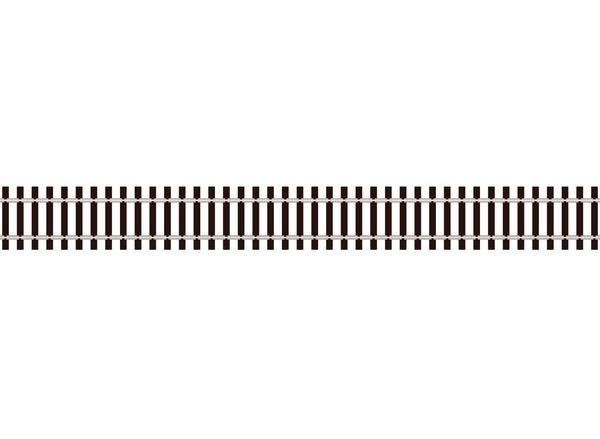
Flexible Track, Wooden Sleeper
83 Line items are realistic models of North American railroad track, with Code 83 nickel silver rail. Scaled from A.R.E.A. drawings and NMRA compliant, Code 83 features authentic tie sizes and spacing, the standard American number system for frog geometry, plus a very fine representation of traditional rail spike fixings.
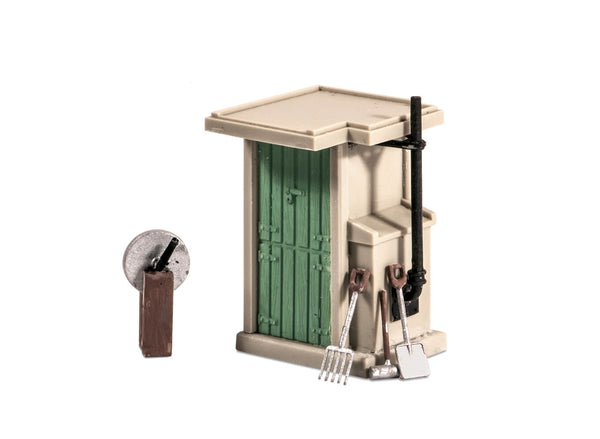
Fog Man, Hut and Brazier
Pack contains Fogman, Hut and Brazier. A Fogman, when fog or snow reduced visibility, placed detonators on the rails ahead of signals or temporary speed restrictions imposed due to works etc. to provide additional warning to train drivers.

Fogmans Hut
This kit replicates the precast concrete Southern Region example, often paired with the Concrete Hut (ref 518). A Fogman, when fog or snow reduced visibility, placed detonators on the rails ahead of signals or temporary speed restrictions imposed due to works etc. to provide additional warning to train drivers. The kit also includes a set of platelayers tools. Glue and paint are required to complete this kit. Footprint 20mm x 15mm.
French Lozenge-style Tiles
These sheets are invaluable for scratchbuilding, saving many hours of repetitive work creating the various surface patterns and textures. They are the same as those used in the Craftsman kits to make extension work easier. Each pack contains 4 sheets 130mm x 75mm of injection moulded styrene approximately 2mm thick, making them rigid enough to be self supporting.

Gabion Cage Walling
These sheets are invaluable for scratchbuilding, saving many hours of repetitive work creating the various surface patterns and textures. They are the same as those used in the Craftsman kits to make extension work easier. Each pack contains 4 sheets 130mm x 75mm of injection moulded styrene approximately 2mm thick, making them rigid enough to be self supporting.

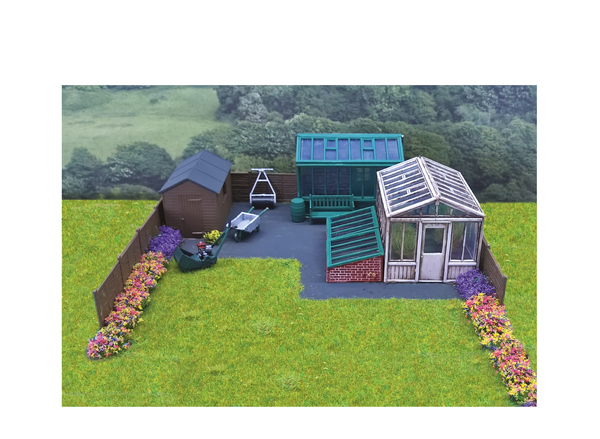
Garden Buildings and Accessories
This kit comprises mostly of plastic injection moulded parts, plus a laser cut wooden sprue containing the lawnmower and roller. The kit contains: Greenhouse, Conservatory, Garden Shed, Garden Seat, Cold Frames, Water Butt, Wheelbarrow, Lawnmower, Lawn Roller, and 330mm of Larch-Lap Fencing with gate.
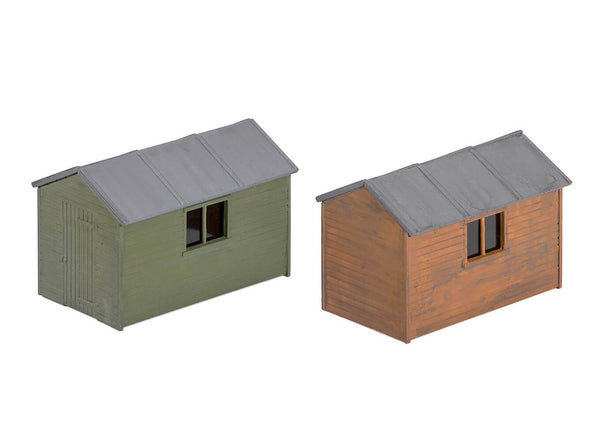
Garden Sheds
2 Garden sheds, each 57mm x 28mm. Supplied with pre-coloured parts although painting and/or weathering can add realism; glue is required to complete this model.
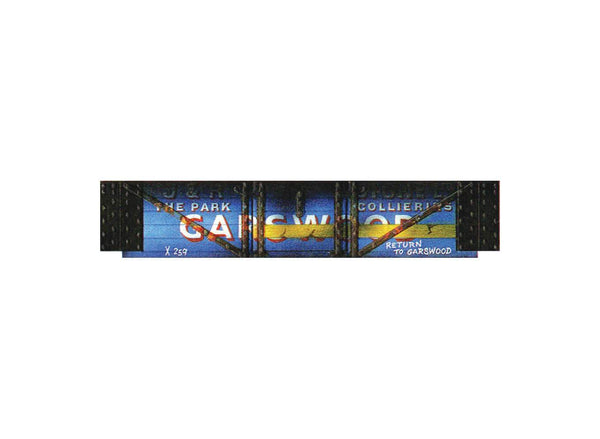
Garswood Mineral 5 Plank
00 Card wagon body kits, designed to be used with the R20 Underframe kit. Romford wheels and bearings can be used to complete the model.
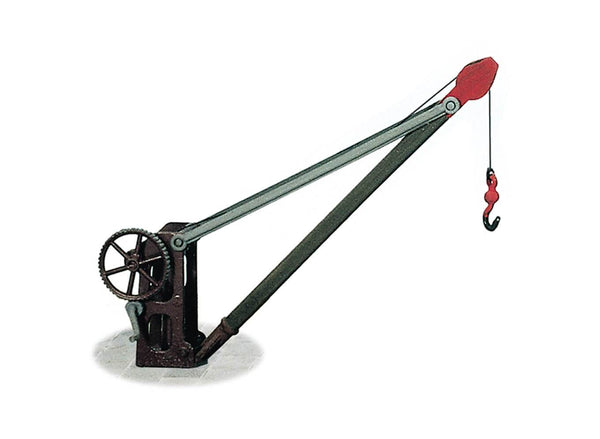
Goods Yard Crane
A model of a fixed height derrick type jib crane, usually hand worked. Supplied with pre-coloured parts although painting and/or weathering can add realism; glue is required to complete this model. Footprint 81mm x 21mm.
Goods Yard Store
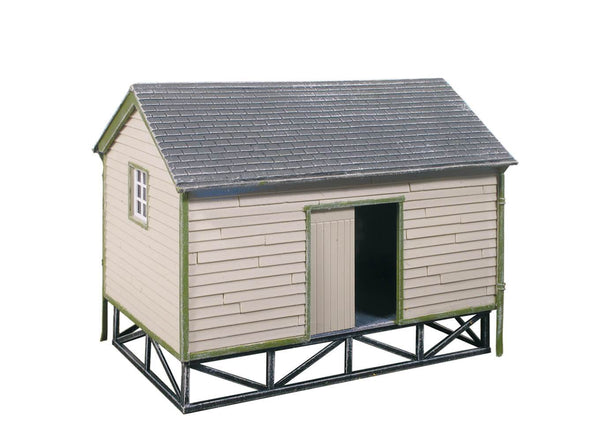
Many small stations only had a loading platform for goods traffic, so required a store house for keeping goods safe and dry. The raised floor of this store both kept goods free from frost and was also a convenient height for loading. Supplied with pre-coloured parts although painting and/or weathering can add realism; glue is required to complete this model. Footprint: 92mm x 60mm
Granite Setts
These sheets are invaluable for scratchbuilding, saving many hours of repetitive work creating the various surface patterns and textures. They are the same as those used in the Craftsman kits to make extension work easier. Each pack contains 4 sheets 130mm x 75mm of injection moulded styrene approximately 2mm thick, making them rigid enough to be self supporting.

Greenhouse and Cold Frames
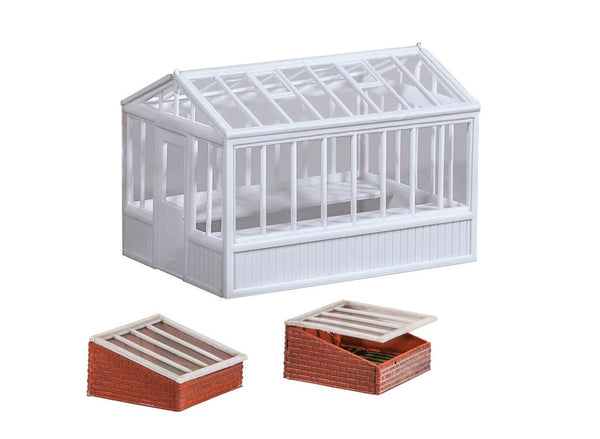
Footprints: Greenhouse 56mm x 41mm, Cold Frames 26mm x 25mm each (glazing included). Supplied with pre-coloured parts although painting and/or weathering can add realism; glue is required to complete this model.
Grotty Huts and Privy
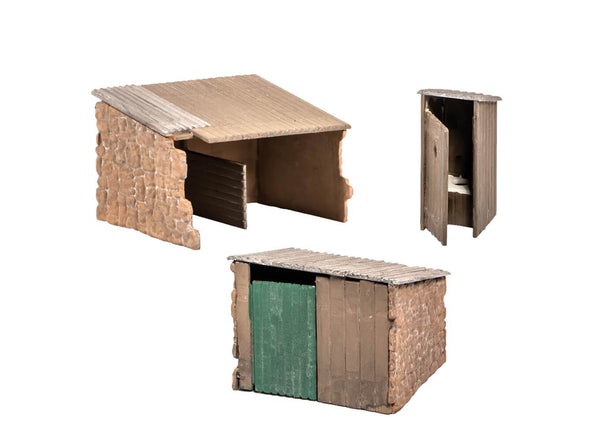
2 huts and a privy as seen on allotments everywhere. Supplied with pre-coloured parts although painting and/or weathering can add realism; glue is required to complete this model. Combined footprint: 94mm x 38mm
Ground Level Signal Box
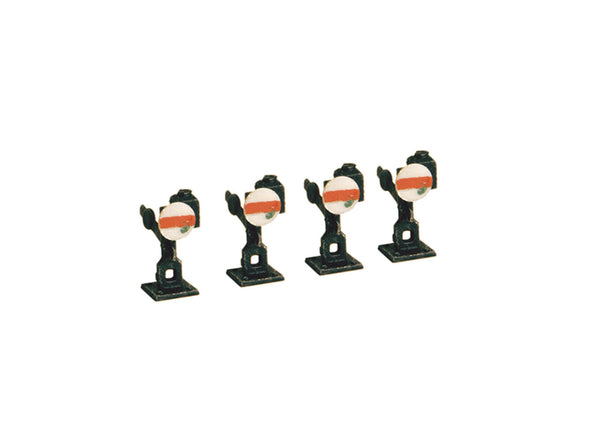
A small signal box as would be seen at a small country station, or controlling the exit from a yard or industrial area. Use SS89 Point Rodding to fill in this important detail on your layout. Footprint:48mm x 36mm.

Grounded Coach Body
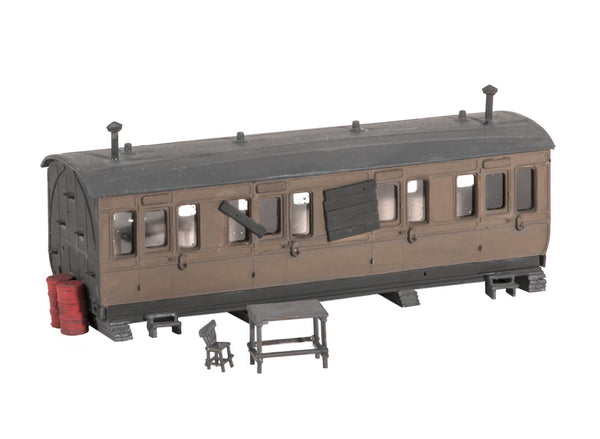
The use of old coach bodies as stores, mess huts or even homes was common. Clutter included, huge scope for adding detail to such a scene. Supplied with pre-coloured parts although painting and/or weathering can add realism; glue is required to complete this model. Footprint 115mm x 40mm
Grounded Van Body
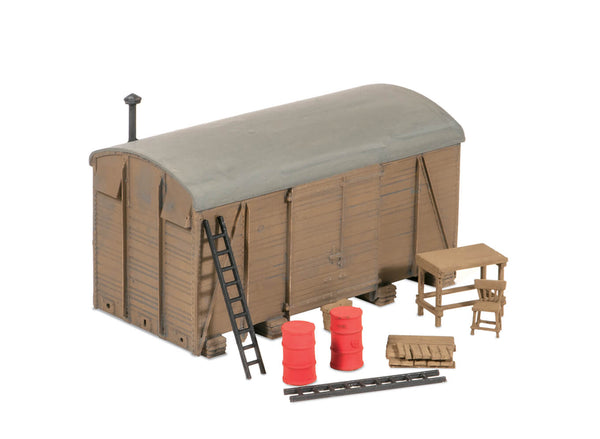
Usually used for storage around the station or goods yard, they often can be found being used as sheds or on farmland. Clutter included; supplied with pre-coloured parts although painting and/or weathering can add realism; glue is required to complete this model. Footprint 176mm x 90mm
Gutters/Downpipes
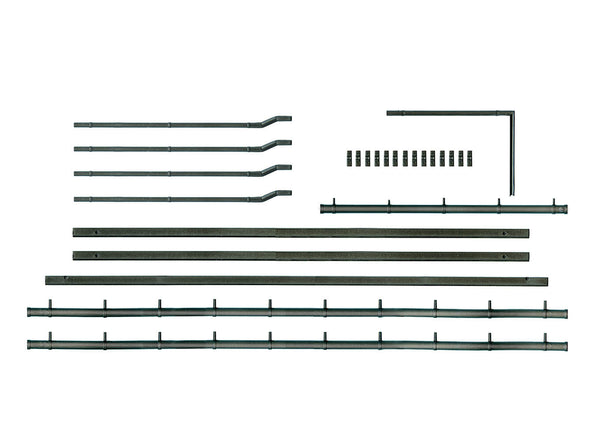
Pack includes: 432mm of guttering, 465mm of soffits, 4 x 71mm down pipes, 1 angled water pipe and 14 down pipe brackets.
GWR 00 12ton China Clay Wagon
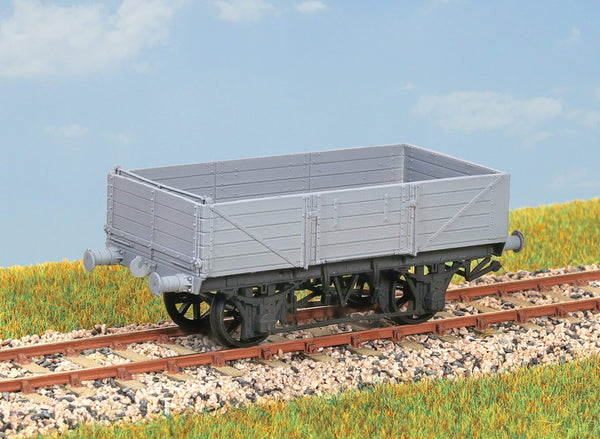
500 of these wagons (diagram O13) were built in 1913. Used for short run traffic in Cornwall and to carry china clay to potteries and paper mills. Final withdrawal took place in the late 1950s. These finely moulded plastic wagon kits come complete with pin point axle wheels and bearings. Glue and paint will be required, along with appropriate transfers. Additional parts to enable the vehicle to be modelled incorporating modifications made to the prototypes during their working life are included where appropriate.
GWR 10ton Banana Van
The GWR introduced a fleet of these vans (diagram Y4) in the early 1920s. These vans could still be seen in service into the 1950s. These finely moulded plastic wagon kits come complete with pin point axle wheels and bearings. Glue and paint will be required, along with appropriate transfers. Additional parts to enable the vehicle to be modelled incorporating modifications made to the prototypes during their working life are included where appropriate.
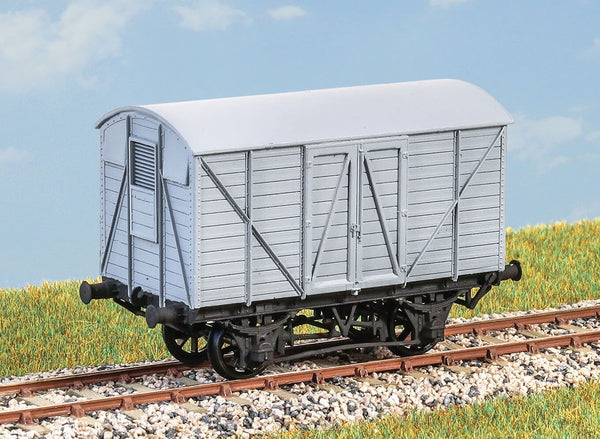
GWR 10ton Goods Van
10 ton Goods Van ‘Mink/Mink A’ V12, V14 and V16 Built between 1907 and 1927. Used for general goods traffic throughout the British railway system. In service until around 1960, later in departmental use. These finely moulded plastic wagon kits come complete with pin point axle wheels and bearings. Glue and paint will be required, along with appropriate transfers. Additional parts to enable the vehicle to be modelled incorporating modifications made to the prototypes during their working life are included where appropriate.
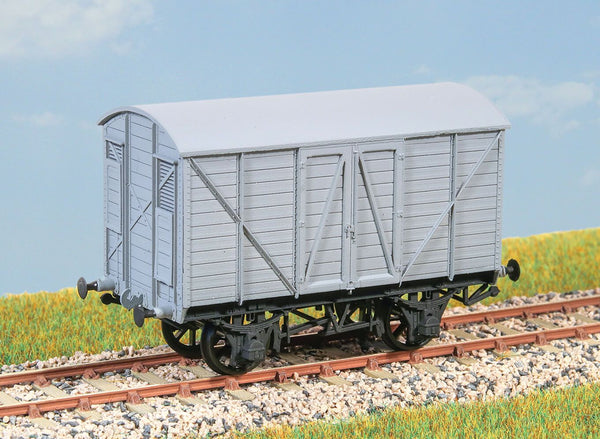
GWR 10ton Gunpowder Van
These gunpowder vans (diagram Z2) were built between 1913 and 1926 to carry gunpowder and other explosives. Examples lasted until around 1960. These finely moulded plastic wagon kits come complete with pin point axle wheels and bearings. Glue and paint will be required, along with appropriate transfers. Additional parts to enable the vehicle to be modelled incorporating modifications made to the prototypes during their working life are included where appropriate.
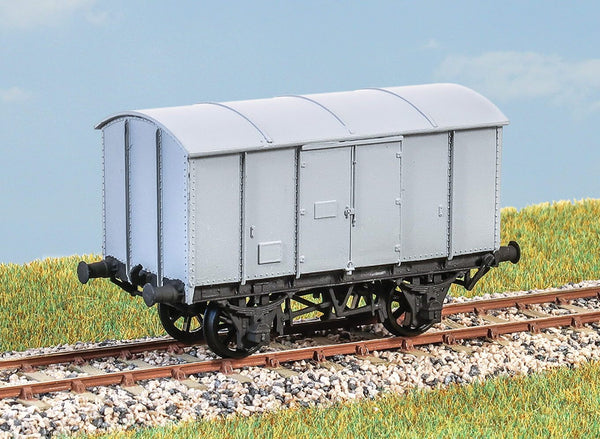
GWR 10ton Open Goods Wagon
(Diagram O11/15) Over 12000 were built between 1909 and 1922. 011 had hand brake only and 015 wagons had the vacuum brake. Examples lasted into the 1950s. These finely moulded plastic wagon kits come complete with pin point axle wheels and bearings. Glue and paint will be required, along with appropriate transfers. Additional parts to enable the vehicle to be modelled incorporating modifications made to the prototypes during their working life are included where appropriate.
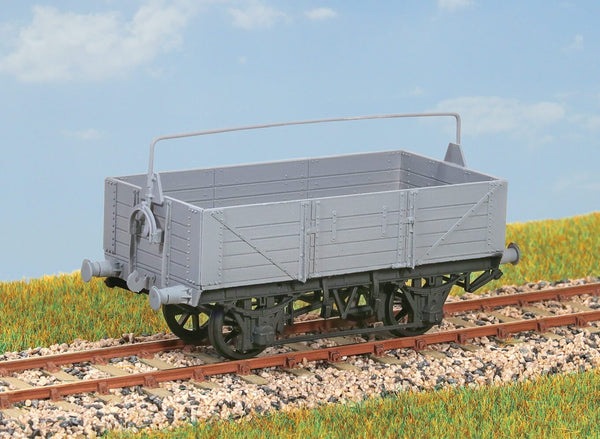
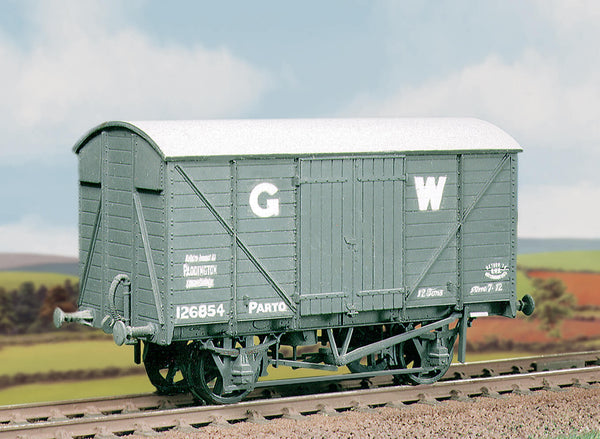
GWR 12ton Ventilated Box Van Kit
7,000 of these vans were built between 1933 and 1945 for the carriage of general merchandise. Transfers are included; glue and paints are required to complete this model.
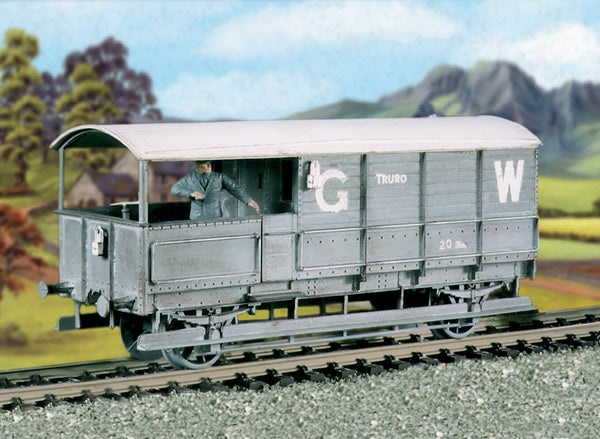
GWR 20ton 'TOAD' Brake Van Kit
The term 'TOAD' refers to the GWR Telegraph Code for this type of vehicle. The kit includes 3 tail lamps, glazing, hand brake standard and transfers. Glue and paints are required to complete this model.
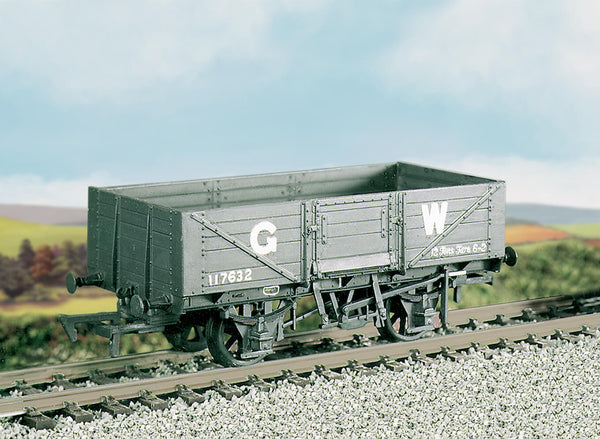
GWR 5 Plank Open Wagon Kit
Built as part of the 'common user' pool of vehicles, their numbers totalled nearly 6,000. Made between 1931 and 1934, they were heavliy used all over the system. Transfers are included; glue and paints are required to complete this model.
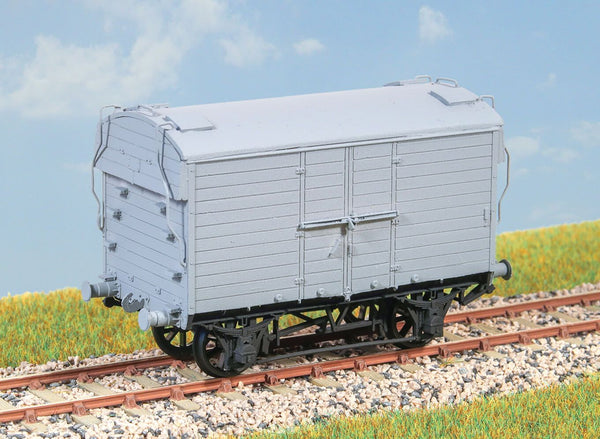
GWR 6ton Insulated Van
‘Mica B’ X7 These vans were built in 1921 - 1923 to carry fresh or chilled meat. Some vans were converted to TEVANS in the 1930s. Most survived into Nationalisation in 1948 and a few into the early 1960s. These finely moulded plastic wagon kits come complete with pin point axle wheels and bearings. Glue and paint will be required, along with appropriate transfers . Additional parts to enable the vehicle to be modelled incorporating modifications made to the prototypes during their working life are included where appropriate.
GWR Bogie 'A' Flat Wagon Kit
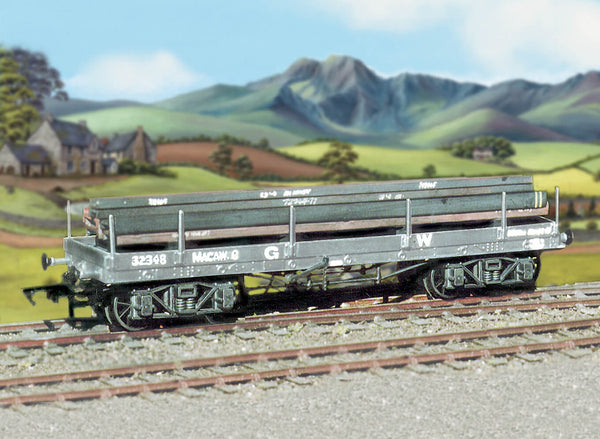
These wagons were used for carrying rail, girders, sawn timber, trees, telegraph poles, pipes etc. 'Steel girder' load included. Transfers are included; glue and paints are required to complete this model.
GWR Distant Signal
Part of the Ratio 'Quick Assembly' family of signals. These allow you to make home and distant signals quickly and easily. They include signal operating wire and lever. This kit enables you to replicate a GWR Distant Signal. Kit includes pre-coloured signal arm, glue and paints required to complete model.

GWR Home Signal
Part of the Ratio 'Quick Assembly' family of signals. These allow you to make home and distant signals quickly and easily. They include signal operating wire and lever. This kit enables you to replicate a GWR Home Signal. Kit includes pre-coloured signal arm, glue and paints required to complete model.

GWR Iron Mink 'A' Van Kit
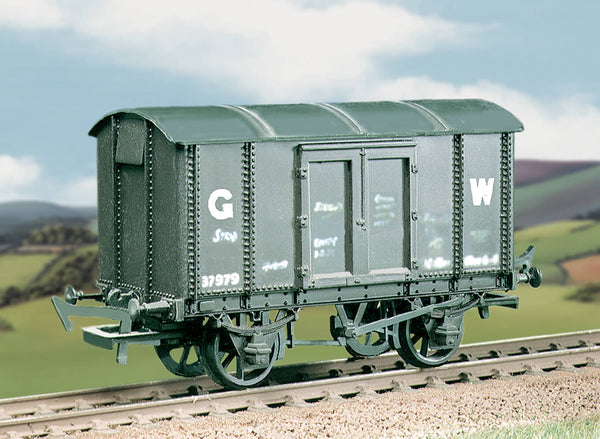
Used first for perishable goods and later for gunpowder, these vans were also built by the LNWR, LSWR and used as private owner vans. Transfers are included; glue and paints are required to complete this model.
GWR Lineside Fencing
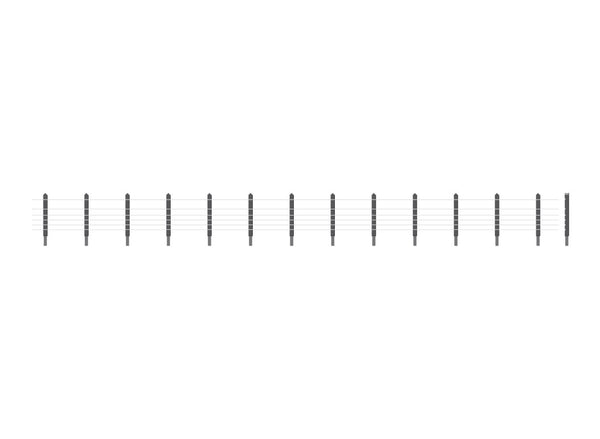
Supplied with pre-coloured parts although painting and/or weathering can add realism; glue is required to complete this model. This pack contains 36 posts and enough wire to make 720mm of fencing.
GWR Livery Maudslay Bus
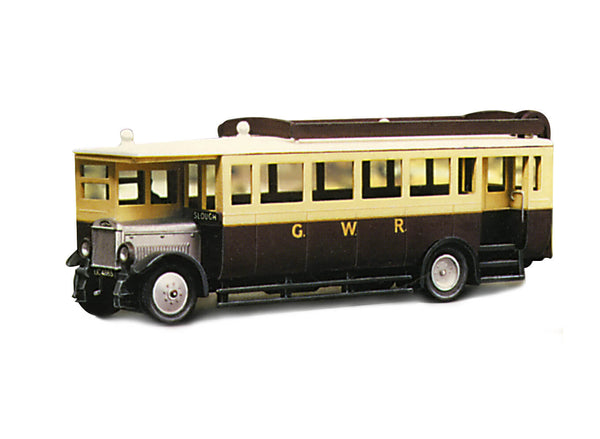
A simple kit to make this attractive half-cab Maudsley bus. Kit contains pre-coloured parts and transfers. Requires glue and detail painting to complete.
GWR Livery Thornycroft PB 4ton Lorry
A simple kit to make this attractive Thorneycroft vehicle. Kit contains pre-coloured parts and transfers. Requires glue and detail painting to complete.

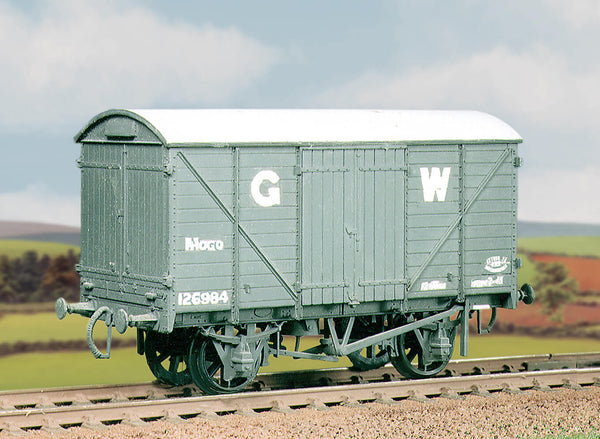
GWR Motor Car Van 'MOGO' Kit
Built between 1933 and 1936 solely for the transport of cars. The end doors allowed cars to be driven in and out via a special unloading dock at the end of a siding. Transfers are included; glue and paints are required to complete this model.