
SORT BY
PAGE

145 Products Found

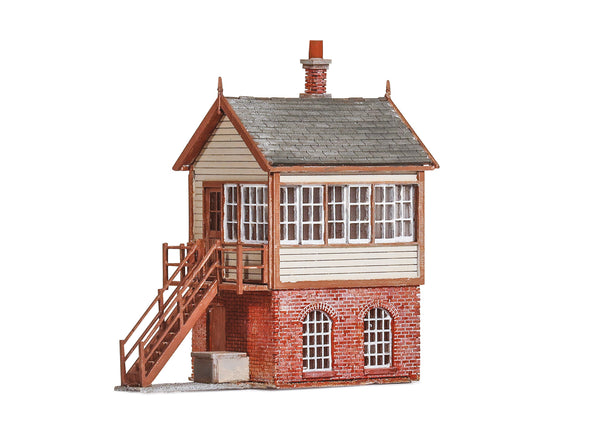
TT:120 GWR Signal Box Kit

Laser cut wooden kit with plastic chimney pot detail and glazing sheet.

A craft knife, needle files, glue (impact adhesive or PVA work well. Superglue can also be used apart from the glazing) and paints are required.

A signalbox suitable for a small country station, based on Highley on the Severn Valley Railway (with thanks to the SVR for allowing access to measure it).

Technical Specifications

Length 65mm (including steps)

Width 32mm

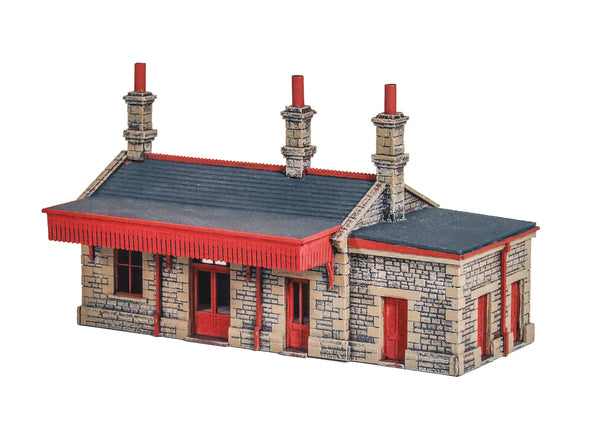
TT:120 Country Station Kit

Laser cut wooden kit with plastic chimney pot detail and glazing sheet.

A craft knife, needle files, glue (impact adhesive or PVA work well. Superglue can also be used apart from the glazing) and paints are required.

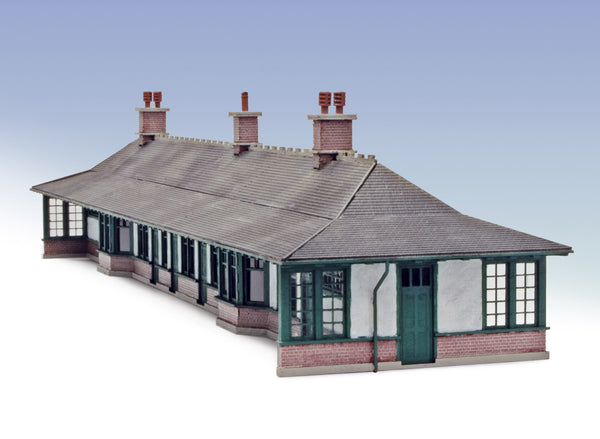
Stone-built country station building with canopy on the platform side. Based on West Bay in Dorset, originally built by the Bridport Railway and later absorbed by the Great Western Railway.

Technical Specifications

Length 115mm

Width 47mm Canopy projects 17mm

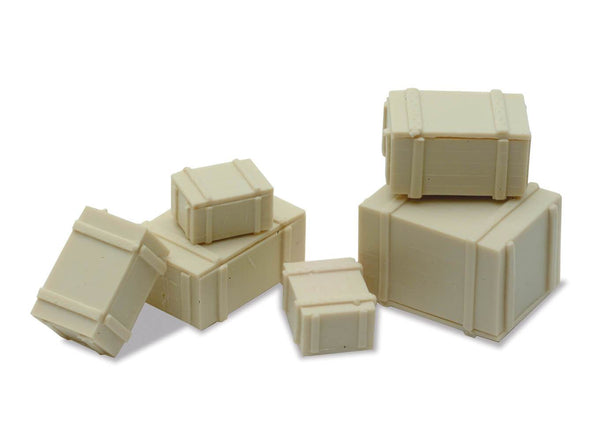
Packing Cases

6 assorted cases

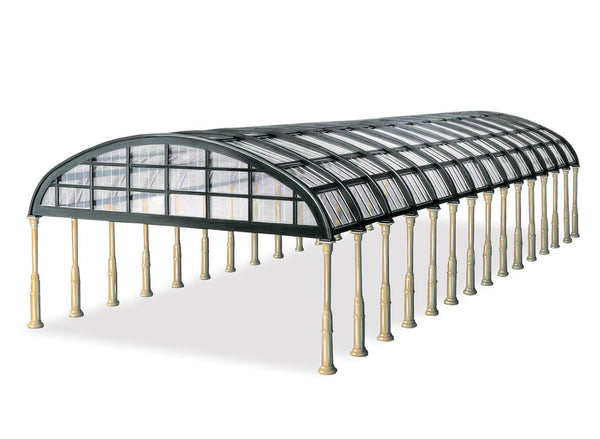
Manyways' Overall Roof

A kit of pre coloured and clear parts that can be built in a number of different ways and can be stood on a platform or on ground level.

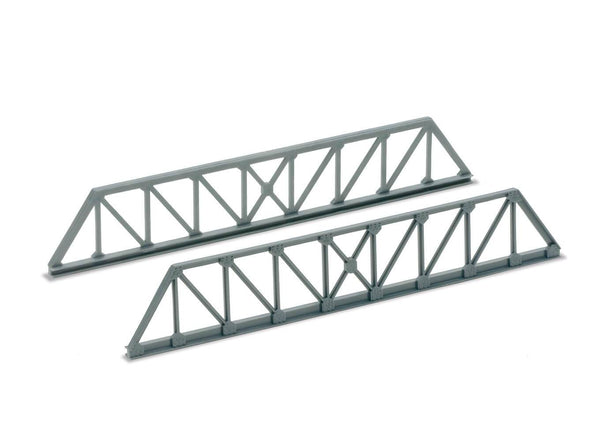
Girder Bridge Side, Truss Girder Type, Grey

Can be used with Ratio 254 Stone Piers to create an impressive viaduct as seen on many railways around the world. Detailed plastic moulding supplied 2 in a pack.

Engine Shed, Brick Type

Plastic kit of an attractive single track shed with pre coloured roof, walls and doors. Multiple kits can be easily used together to create a larger loco facility.

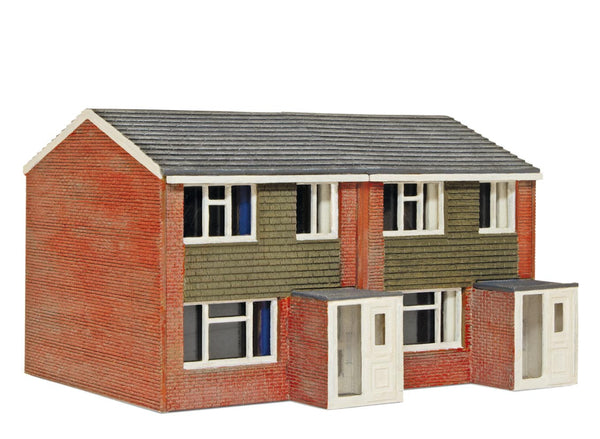
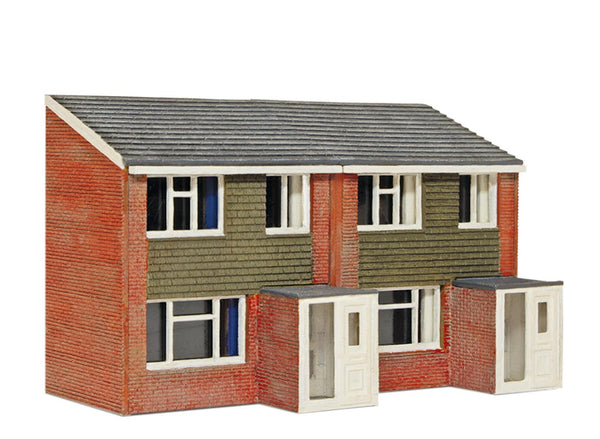
1960s House Complete - L/Cut Kit

During the 1960s, British semi-detached houses reflected a period of post-war recovery and growing suburban prosperity. As Britain rebuilt from wartime damage and expanded its suburbs, demand for affordable family homes surged. Semi-detached houses became the ideal solution — cost-effective, spacious, and suited to modern lifestyles. Built mainly from brick or concrete with simple geometric designs, they often featured large windows, central heating, and private gardens. Unlike the ornate Victorian or interwar styles, 1960s semis embraced functionalism and minimal ornamentation, echoing modernist influences. Many were constructed as part of large housing estates on city outskirts, supported by improved road networks and rising car ownership. These homes symbolised optimism, mobility, and the shift toward suburban living, forming a lasting part of Britain’s mid-20th-century architectural identity.

  • Laser cut wood kits with finely rendered detailing
  • Each kit representing a typical 1960s style semi detached block of two houses, front elevation, rear elevation and complete building.
  • Can be joined up to create a longer block, terrace.
  • Front porch can be fitted as an optional extra
  • Scope for further interior decoration (not provided)
  • Complement our earlier releasee of Victorian Houses – kits NB306, NB307, NB308, also in N
  • Additional upsell products available form the ratio range such as:
    • 300 Guttering and Downpipes
    • 307 Chimneys

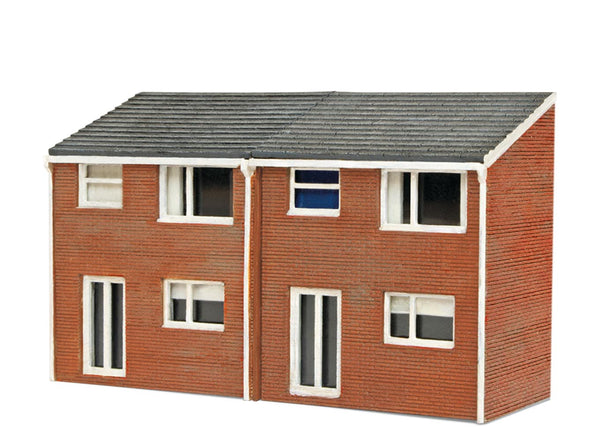
1960s House Back - L/Cut Kit

During the 1960s, British semi-detached houses reflected a period of post-war recovery and growing suburban prosperity. As Britain rebuilt from wartime damage and expanded its suburbs, demand for affordable family homes surged. Semi-detached houses became the ideal solution — cost-effective, spacious, and suited to modern lifestyles. Built mainly from brick or concrete with simple geometric designs, they often featured large windows, central heating, and private gardens. Unlike the ornate Victorian or interwar styles, 1960s semis embraced functionalism and minimal ornamentation, echoing modernist influences. Many were constructed as part of large housing estates on city outskirts, supported by improved road networks and rising car ownership. These homes symbolised optimism, mobility, and the shift toward suburban living, forming a lasting part of Britain’s mid-20th-century architectural identity.

  • Laser cut wood kits with finely rendered detailing
  • Each kit representing a typical 1960s style semi detached block of two houses, front elevation, rear elevation and complete building.
  • Can be joined up to create a longer block, terrace.
  • Front porch can be fitted as an optional extra
  • Scope for further interior decoration (not provided)
  • Complement our earlier releasee of Victorian Houses – kits NB306, NB307, NB308, also in N
  • Additional upsell products available form the ratio range such as:
    • 300 Guttering and Downpipes
    • 307 Chimneys

1960s House Front - L/Cut Kit

During the 1960s, British semi-detached houses reflected a period of post-war recovery and growing suburban prosperity. As Britain rebuilt from wartime damage and expanded its suburbs, demand for affordable family homes surged. Semi-detached houses became the ideal solution — cost-effective, spacious, and suited to modern lifestyles. Built mainly from brick or concrete with simple geometric designs, they often featured large windows, central heating, and private gardens. Unlike the ornate Victorian or interwar styles, 1960s semis embraced functionalism and minimal ornamentation, echoing modernist influences. Many were constructed as part of large housing estates on city outskirts, supported by improved road networks and rising car ownership. These homes symbolised optimism, mobility, and the shift toward suburban living, forming a lasting part of Britain’s mid-20th-century architectural identity.

  • Laser cut wood kits with finely rendered detailing
  • Each kit representing a typical 1960s style semi detached block of two houses, front elevation, rear elevation and complete building.
  • Can be joined up to create a longer block, terrace.
  • Front porch can be fitted as an optional extra
  • Scope for further interior decoration (not provided)
  • Complement our earlier releasee of Victorian Houses – kits NB306, NB307, NB308, also in N
  • Additional upsell products available form the ratio range such as:
    • 300 Guttering and Downpipes
    • 307 Chimneys

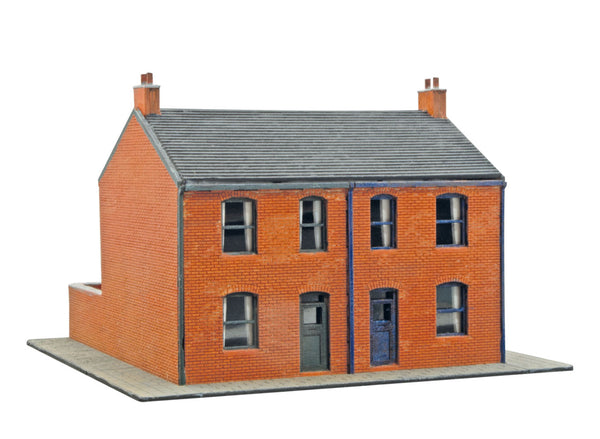
Victorian House Complete, Lasercut Kit

The British Victorian red brick townhouse emerged during Queen Victoria's reign (1837–1901), reflecting the era's industrial and architectural advances. With the advent of mass brick production and rail transport, red bricks became affordable and widely available. Victorian architecture embraced Gothic Revival, Italianate, and Queen Anne styles, characterised by ornate detailing, bay windows, gables, and decorative brickwork. Red brick houses symbolised urban prosperity, particularly in growing industrial cities. Their durability and aesthetic appeal made them iconic in suburbs and working-class areas alike. Today, these houses endure as a hallmark of Victorian design, blending function with the artistic aspirations of the era.

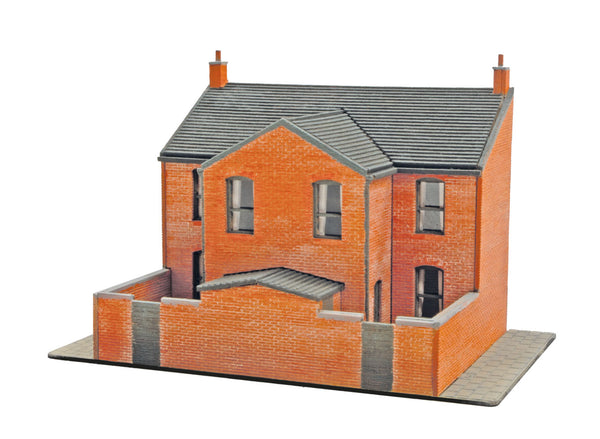
Victorian House Backs, Lasercut Kit

The British Victorian red brick townhouse emerged during Queen Victoria's reign (1837–1901), reflecting the era's industrial and architectural advances. With the advent of mass brick production and rail transport, red bricks became affordable and widely available. Victorian architecture embraced Gothic Revival, Italianate, and Queen Anne styles, characterised by ornate detailing, bay windows, gables, and decorative brickwork. Red brick houses symbolised urban prosperity, particularly in growing industrial cities. Their durability and aesthetic appeal made them iconic in suburbs and working-class areas alike. Today, these houses endure as a hallmark of Victorian design, blending function with the artistic aspirations of the era.

Victorian House Fronts, Lasercut Kit

The British Victorian red brick townhouse emerged during Queen Victoria's reign (1837–1901), reflecting the era's industrial and architectural advances. With the advent of mass brick production and rail transport, red bricks became affordable and widely available. Victorian architecture embraced Gothic Revival, Italianate, and Queen Anne styles, characterised by ornate detailing, bay windows, gables, and decorative brickwork. Red brick houses symbolised urban prosperity, particularly in growing industrial cities. Their durability and aesthetic appeal made them iconic in suburbs and working-class areas alike. Today, these houses endure as a hallmark of Victorian design, blending function with the artistic aspirations of the era.

PAGE

Trade Login

WOULD YOU LIKE TO BECOME A TRADE PARTNER?

PECO - PLEASE SUPPLY TEXT.
An introductory paragraph with criteria listed as bullets points, closing with contact call to action.