


BROWSE PECO PRODUCTS
Browse through our complete product portfolio.
2167 Products Found
Mixed Flower Tufts 6mm x 103
- TUFTS – 100 x Mixed Flowers Self-Adhesive Static Grass Tufts by War World Scenics
- SELF-ADHESIVE – Easy to use, just peel & stick where required
- COLOURS – Available in more than 30 different colours and styles
- LENGTHS – Available in 4mm, 6mm and 10mm lengths
- IDEAL – For representing bushes and wild or long grass on model railway layouts, miniature bases, wargame battleboards and model dioramas
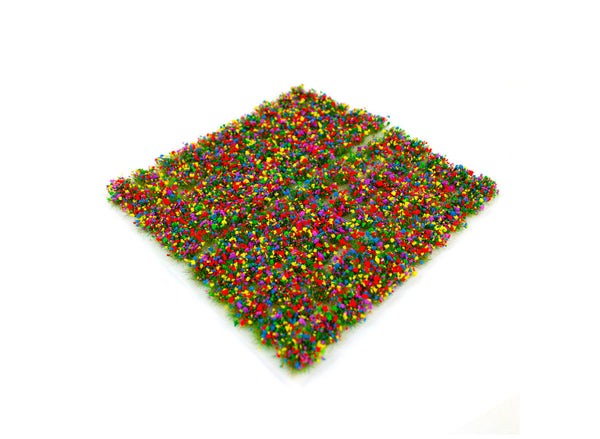
Mixed Flower Tufts 4mm x 103
- TUFTS – 100 x Mixed Flowers Self-Adhesive Static Grass Tufts by War World Scenics
- SELF-ADHESIVE – Easy to use, just peel & stick where required
- COLOURS – Available in more than 30 different colours and styles
- LENGTHS – Available in 4mm, 6mm and 10mm lengths
- IDEAL – For representing bushes and wild or long grass on model railway layouts, miniature bases, wargame battleboards and model dioramas
Pro Grass Layering System (International)
- The definitive Pro Grass Layering System N Gauge starter kit by WWScenics.
- Contains a Pro Grass N-Gauge Micro Applicator, Basing Glue, Layering Spray, D-Baller tool and a selection of static grasses .
- Create realistic model scenery using the Pro Grass Layering System method, pioneered by WWScenics.
- Suitable for Beginners and Experts.
- Supplied in our own custom-made storage box, for secure and tidy storage.

N-Gauge Pro Grass Layering System (UK)
- The definitive Pro Grass Layering System N Gauge starter kit by WWScenics.
- Contains a Pro Grass N-Gauge Micro Applicator, Basing Glue, Layering Spray, D-Baller tool and a selection of static grasses .
- Create realistic model scenery using the Pro Grass Layering System method, pioneered by WWScenics.
- Suitable for Beginners and Experts.
- Supplied in our own custom-made storage box, for secure and tidy storage.
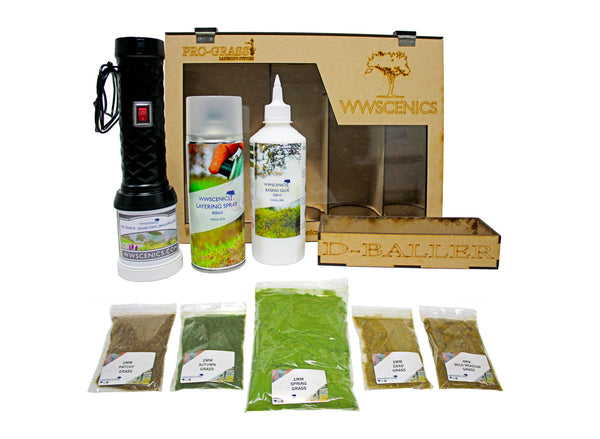
N-Gauge Pro Grass Layering System (International)
- The definitive Pro Grass Layering System N Gauge starter kit by WWScenics.
- Contains a Pro Grass N-Gauge Micro Applicator, Basing Glue, Layering Spray, D-Baller tool and a selection of static grasses .
- Create realistic model scenery using the Pro Grass Layering System method, pioneered by WWScenics.
- Suitable for Beginners and Experts.
- Supplied in our own custom-made storage box, for secure and tidy storage.
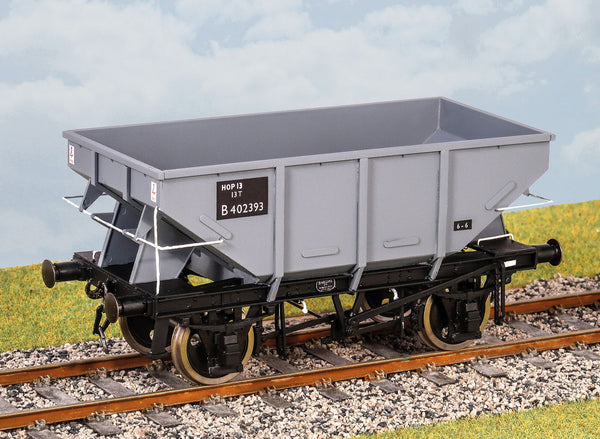
O Gauge BR-LNER Steel Hopper Wagon Kit
The British Railways LNER 13-ton steel hopper wagon was based on an LNER design but produced in the early British Railways era between 1949 and 1953. It marked a step forward from earlier wooden-bodied wagons by using an all-steel, welded construction, which offered improved durability and reduced maintenance needs. The design reflected the LNER’s long-standing experience with mineral wagons, but was adapted for post-war production methods in BR workshops such as those at Shildon, Faverdale, and York.
Over 2,600 of these wagons were built, and they became a common sight in the North Eastern Region. This was partly because many goods yards in the area had coal-drop staithes, making the bottom-discharge hopper design especially efficient for unloading bulk materials. While they were primarily intended for transporting coal, the hoppers proved versatile and were later used to carry stone, sand, and other aggregates.
The 13-ton steel hopper was a reliable and workmanlike vehicle that served across the UK for several decades. Its robust construction meant it could withstand heavy use, and it became a mainstay of freight traffic in the post-war period. Although newer wagon designs eventually replaced them, some examples remained in service into the early 1980s, making them one of the longer-lived mineral wagon types of the mid-20th century.
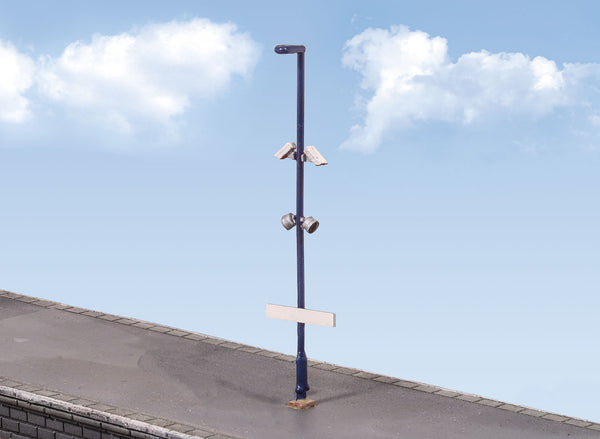
Modern Platform Lamps
These Modern Platform Lamps kits represent the typical kind of lamp standard found, admittedly, not just on platforms, but along any street or thoroughfare. With optional attachments included, such as CCTV cameras, loudspeakers and station signs, these are very versatile kits for modellers. The N scale pack provides parts for 10 lamps.
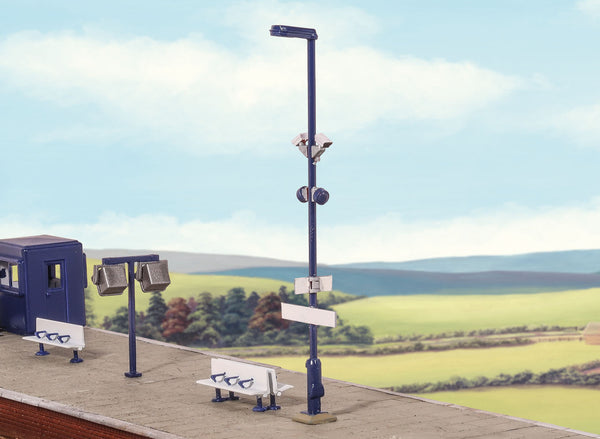
Modern Platform Lamps
These Modern Platform Lamps kits represent the typical kind of lamp standard found, admittedly, not just on platforms, but along any street or thoroughfare. With optional attachments included, such as CCTV cameras, loudspeakers and station signs, these are very versatile kits for modellers in both scales. Produced mainly in plastic, with easy-to-assemble parts and clear instructions provided, the OO/HO scale kits have the added advantage of using brass tubing for the main posts, so give the option to be made operational (additional parts would need to be sourced).
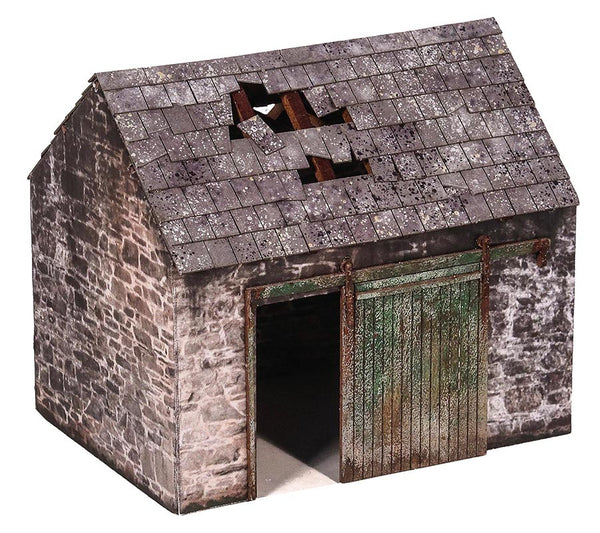
SMS OO Derelict Barn
A versatile small barn/stores kit which can be assembled as a derelict or pristine building with a choice of wall finishes.
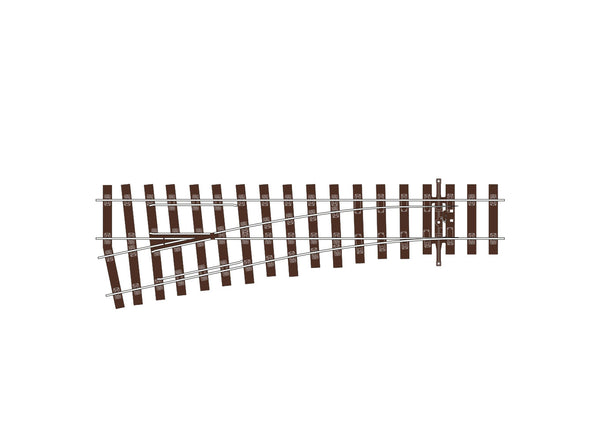
OO Bullhead Small Radius Turnout - Left Hand
The PECO Streamline OO Bullhead track range has shaped up to be a very comprehensive system comprising flexible track, bullhead joiners, buffer stop, large radius, medium radius turnout, a crossing, double & single slips, Y turnouts and now Small Radius Turnouts. There's enough there already for modellers to build a truly authentic steam-to-diesel transition period layout.
- PECO Streamline OO Bullhead Small Radius Turnout, Unifrog
- Shares the same geometry as the existing Streamline Code 100, 75 flat bottom tracks systems
- Compatible with existing Bullhead system
- Uses standard SL-110 Code 75 rail joiner or the SL-114 Bullhead rail joiner
- Length 185mm
- Radius 610mm
- Frog angle 12 degrees
- Unifrog
- High quality nickel silver rail for all rail parts, for optimal electrical conductivity
- An excellent track component where space restrictions prevent standard turnouts being used.
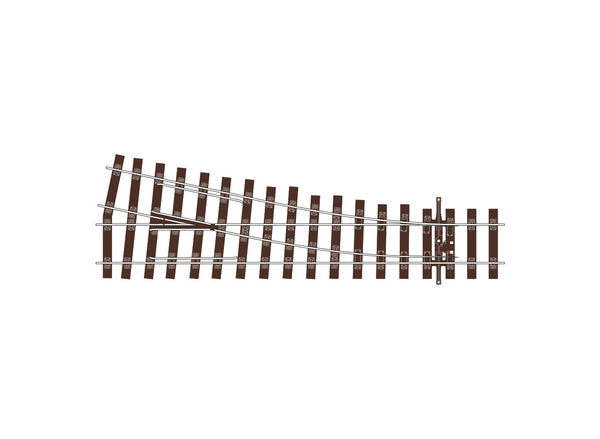
OO Bullhead Small Radius Turnout - Right Hand
The PECO Streamline OO Bullhead track range has shaped up to be a very comprehensive system comprising flexible track, bullhead joiners, buffer stop, large radius, medium radius turnout, a crossing, double & single slips, Y turnouts and now Small Radius Turnouts. There's enough there already for modellers to build a truly authentic steam-to-diesel transition period layout.
- PECO Streamline OO Bullhead Small Radius Turnout, Unifrog
- Shares the same geometry as the existing Streamline Code 100, 75 flat bottom tracks systems
- Compatible with existing Bullhead system
- Uses standard SL-110 Code 75 rail joiner or the SL-114 Bullhead rail joiner
- Length 185mm
- Radius 610mm
- Frog angle 12 degrees
- Unifrog
- High quality nickel silver rail for all rail parts, for optimal electrical conductivity
- An excellent track component where space restrictions prevent standard turnouts being used.
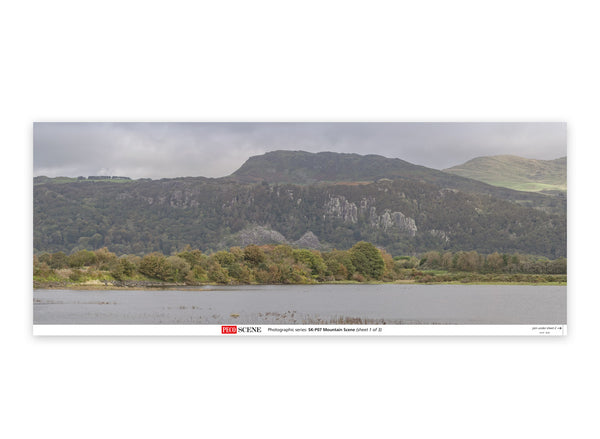
Mountain Range Photographic Backscene (3 Sheets)
Supplied in a square-section tube, the three separate sheets will match perfectly together to form a continuous run of 2400mm (95in), and reaching to a height of 333mm (13in).
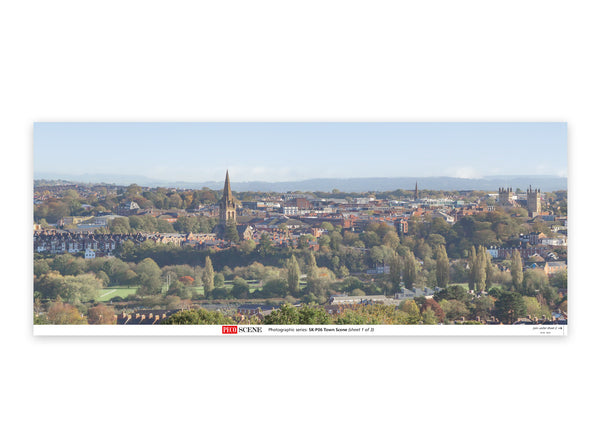
Town Photographic Backscene (3 Sheets)
Supplied in a square-section tube, the three separate sheets will match perfectly together to form a continuous run of 2400mm (95in), and reaching to a height of 333mm (13in).
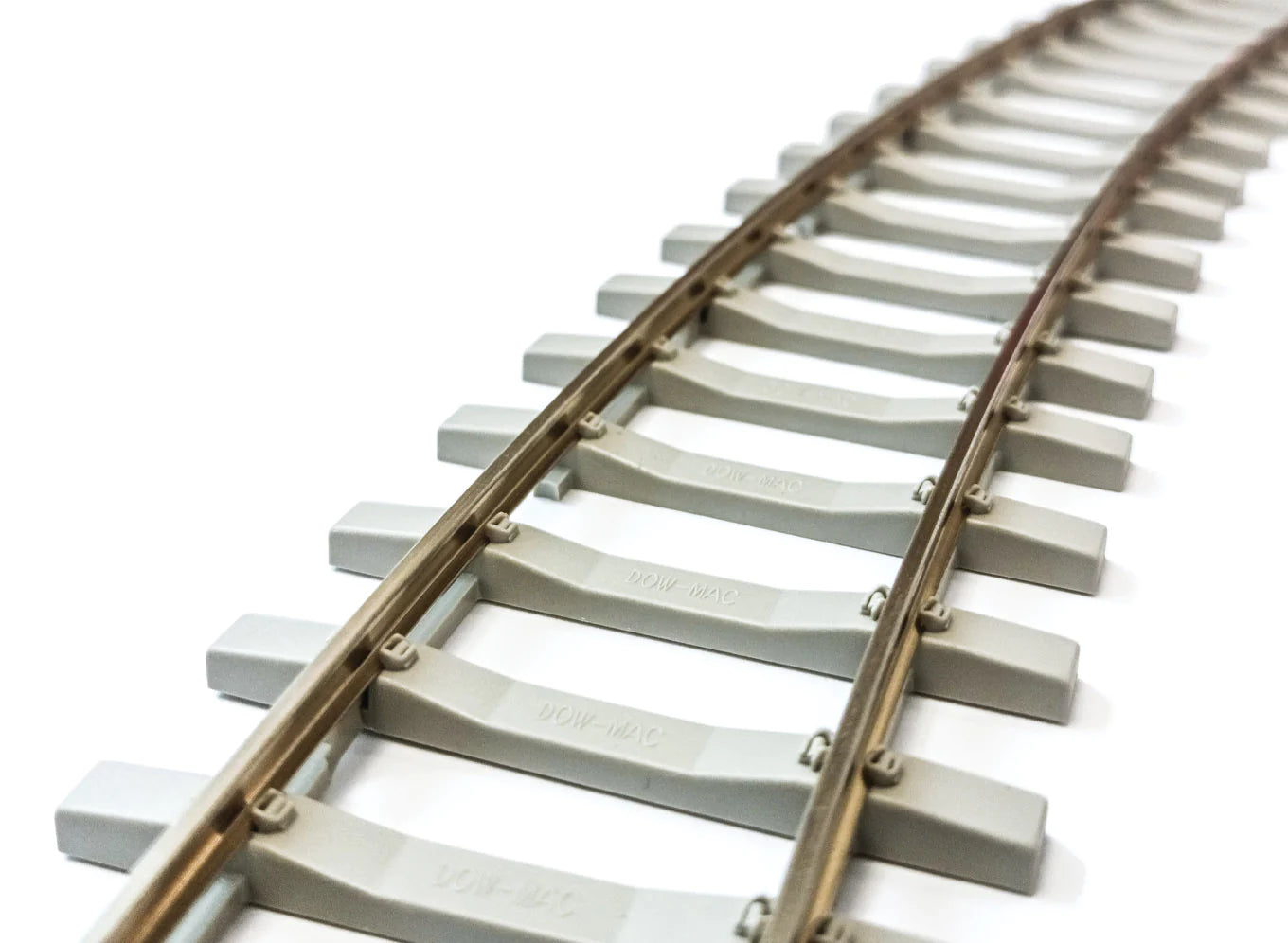
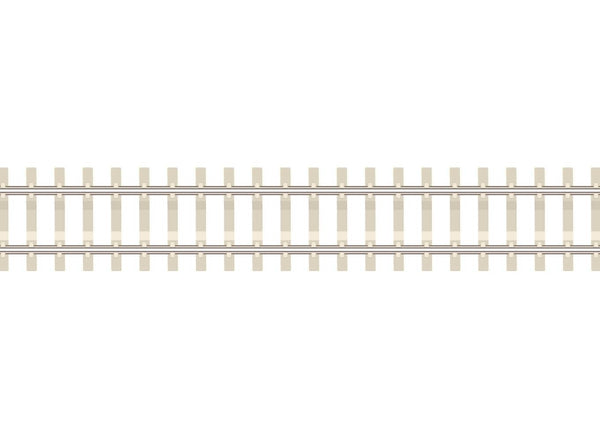
Streamline Flexible Track with Concrete Sleeper
This track models the most common form of concrete sleepering in use in Britain today, with flat bottom rail.
The concrete sleeper detail in SL-303 is vastly improved from the previous SL-302 (now discontinued), with a more prototypical sleeper/tie profile, better representation of the Pandrol-style rail clip and even the manufacturer's name embossed on the surface. Flexible track with nickel silver rail, length 36 inches, 914mm. Supplied in cartons of 25.
N.B Compatible with the existing N scale Code 80 track system, it is also worth reminding that the Code 80 and Code 55 track systems are able to be connected together without the need to compensate for the change in rail height thanks to the clever design of the rail profile and base mouldings of the Code 55 system. The standard SL-310 and SL-311 rail joiners are used for both systems.
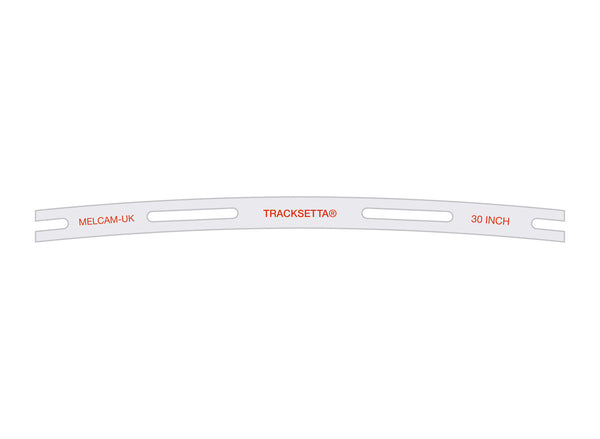
TT:120 Tracksetta Template - 30" Radius
A new set of Tracksetta templates are now available. Essential tools for ensuring the best track laying possible with PECO Streamline flexible track, the addition of TT:120 templates now provides modellers in this 'new' scale the opportunity to ensure kink-free, realistic-looking track. Combining different radii also allow the laying of transition curves and reverse curves to best effect. As with the N/OO-9 and OO/HO scale Tracksetta templates these are made from powder-coated steel.
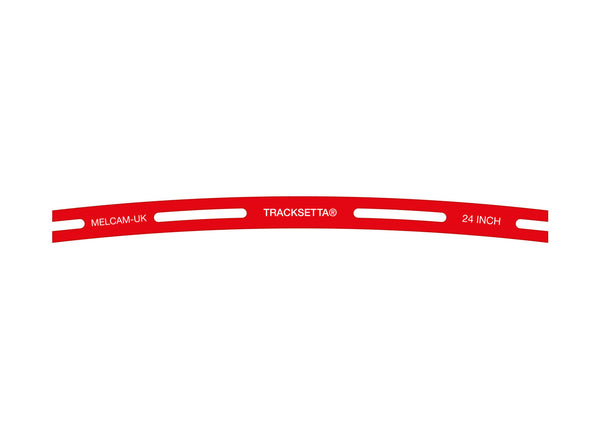
TT:120 Tracksetta Template - 24" Radius
A new set of Tracksetta templates are now available. Essential tools for ensuring the best track laying possible with PECO Streamline flexible track, the addition of TT:120 templates now provides modellers in this 'new' scale the opportunity to ensure kink-free, realistic-looking track. Combining different radii also allow the laying of transition curves and reverse curves to best effect. As with the N/OO-9 and OO/HO scale Tracksetta templates these are made from powder-coated steel.
TT:120 Tracksetta Template - 21" Radius
A new set of Tracksetta templates are now available. Essential tools for ensuring the best track laying possible with PECO Streamline flexible track, the addition of TT:120 templates now provides modellers in this 'new' scale the opportunity to ensure kink-free, realistic-looking track. Combining different radii also allow the laying of transition curves and reverse curves to best effect. As with the N/OO-9 and OO/HO scale Tracksetta templates these are made from powder-coated steel.
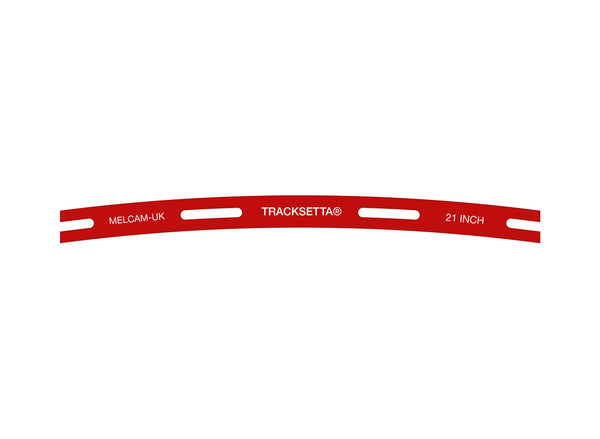
TT:120 Tracksetta Template - 18" Radius
A new set of Tracksetta templates are now available. Essential tools for ensuring the best track laying possible with PECO Streamline flexible track, the addition of TT:120 templates now provides modellers in this 'new' scale the opportunity to ensure kink-free, realistic-looking track. Combining different radii also allow the laying of transition curves and reverse curves to best effect. As with the N/OO-9 and OO/HO scale Tracksetta templates these are made from powder-coated steel.
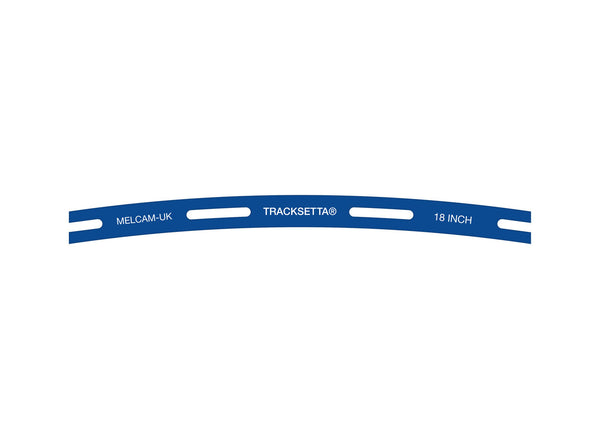
TT:120 Tracksetta Template - 15" Radius
A new set of Tracksetta templates are now available. Essential tools for ensuring the best track laying possible with PECO Streamline flexible track, the addition of TT:120 templates now provides modellers in this 'new' scale the opportunity to ensure kink-free, realistic-looking track. Combining different radii also allow the laying of transition curves and reverse curves to best effect. As with the N/OO-9 and OO/HO scale Tracksetta templates these are made from powder-coated steel.
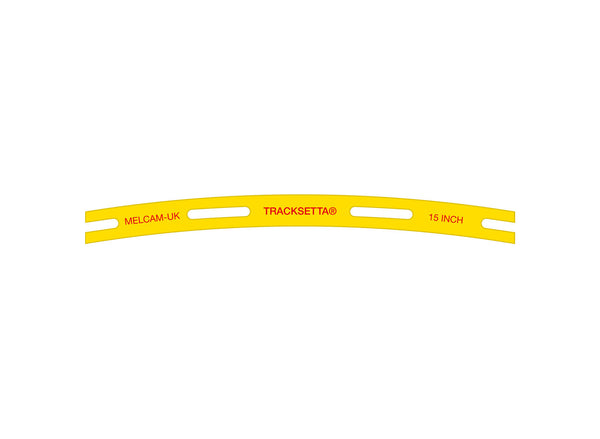
TT:120 Tracksetta Template - 12" Radius
A new set of Tracksetta templates are now available. Essential tools for ensuring the best track laying possible with PECO Streamline flexible track, the addition of TT:120 templates now provides modellers in this 'new' scale the opportunity to ensure kink-free, realistic-looking track. Combining different radii also allow the laying of transition curves and reverse curves to best effect. As with the N/OO-9 and OO/HO scale Tracksetta templates these are made from powder-coated steel.
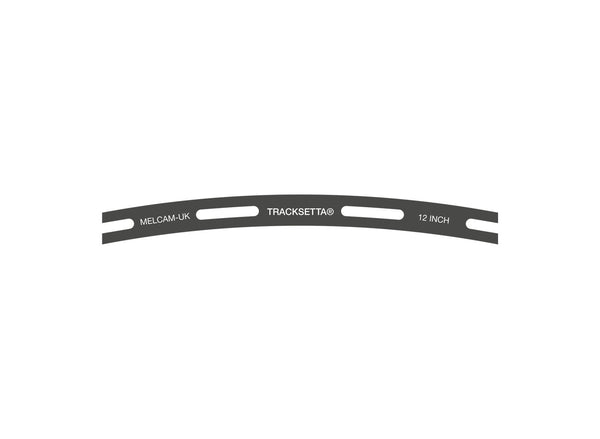
TT:120 Tracksetta Template - 9" Radius
A new set of Tracksetta templates are now available. Essential tools for ensuring the best track laying possible with PECO Streamline flexible track, the addition of TT:120 templates now provides modellers in this 'new' scale the opportunity to ensure kink-free, realistic-looking track. Combining different radii also allow the laying of transition curves and reverse curves to best effect. As with the N/OO-9 and OO/HO scale Tracksetta templates these are made from powder-coated steel.
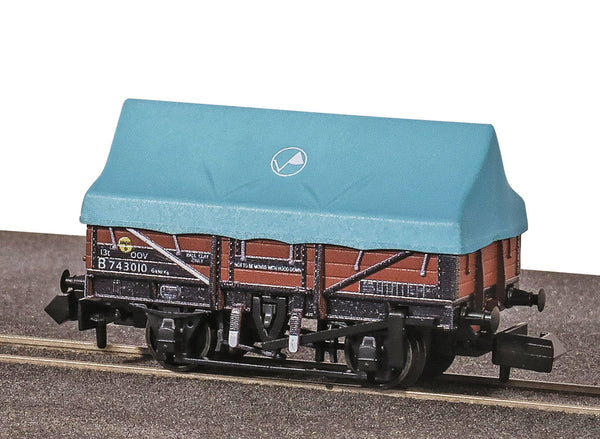
NEW China Clay Hood Wagon, OOV B743010
Railway companies all had a stock of their own vehicles for carrying goods and merchandise around their network, and also onto other companies' routes as and when required. These were integrated into British Railways at Nationalisation; some of them to be once more re liveried under sectorisation as the network was prepared to be returned to private ownership. All PECO wagons feature free running wheels in pin point axles. The ELC coupling, whilst compatible with the standard N gauge couplings, keeps a realistic distance between the vehicles and enables the PL-25 electro magnetic decoupler to be used for remote uncoupling.
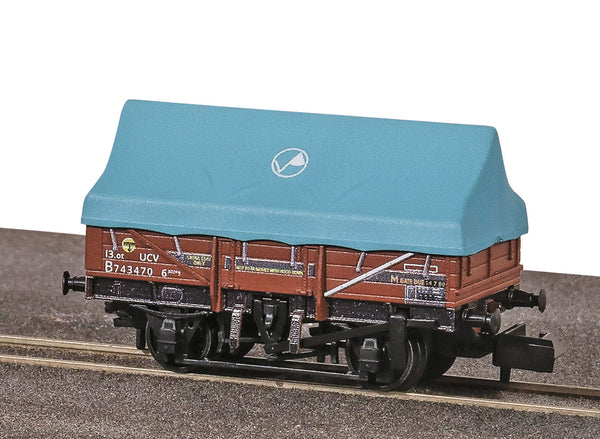
NEW China Clay Hood Wagon, UCV B743470, Bauxite
Railway companies all had a stock of their own vehicles for carrying goods and merchandise around their network, and also onto other companies' routes as and when required. These were integrated into British Railways at Nationalisation; some of them to be once more re liveried under sectorisation as the network was prepared to be returned to private ownership. All PECO wagons feature free running wheels in pin point axles. The ELC coupling, whilst compatible with the standard N gauge couplings, keeps a realistic distance between the vehicles and enables the PL-25 electro magnetic decoupler to be used for remote uncoupling.
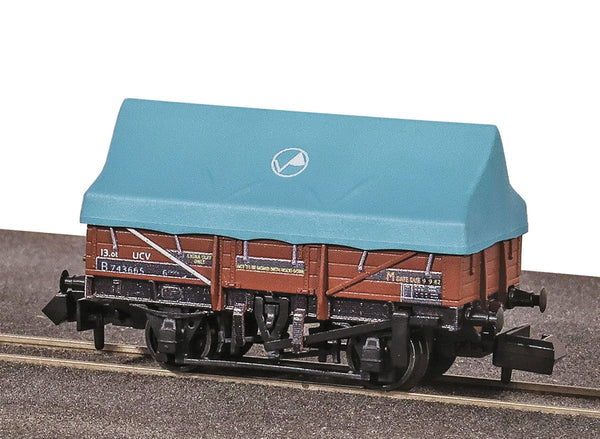
NEW China Clay Hood Wagon, UCV B743665, Bauxite
Railway companies all had a stock of their own vehicles for carrying goods and merchandise around their network, and also onto other companies' routes as and when required. These were integrated into British Railways at Nationalisation; some of them to be once more re liveried under sectorisation as the network was prepared to be returned to private ownership. All PECO wagons feature free running wheels in pin point axles. The ELC coupling, whilst compatible with the standard N gauge couplings, keeps a realistic distance between the vehicles and enables the PL-25 electro magnetic decoupler to be used for remote uncoupling.
OO Bullhead Large Radius Y Turnout
The PECO Streamline OO Bullhead track range has shaped up to be a very comprehensive system comprising flexible track, bullhead joiners, buffer stop, large radius, medium radius turnout, a crossing, double & single slips and now Y turnouts. There's enough there already for modellers to build a truly authentic steam-to-diesel transition period layout.
- PECO Streamline OO Bullhead Large Radius Y Turnout, Unifrog
- Shares the same geometry as the existing Streamline Code 100, 75 flat bottom tracks systems
- Compatible with existing Bullhead system
- Uses standard SL-110 Code 75 rail joiner or the SL-114 Bullhead rail joiner
- Length 220mm, 8.7 inches
- Radius 1829mm, 72 inches
- Frog angle 12 degrees
- Unifrog
- High quality nickel silver rail for all rail parts, for optimal electrical conductivity
- One-piece machined point blade
- Over-centre spring to lock the point blade in place
- An excellent track component where space restrictions prevent standard turnouts being used, such as in a goods yard.
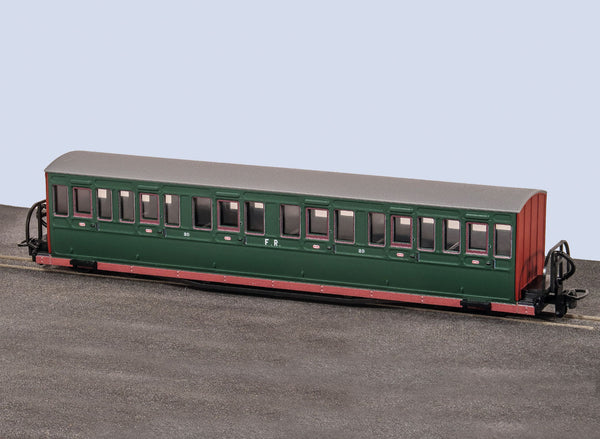
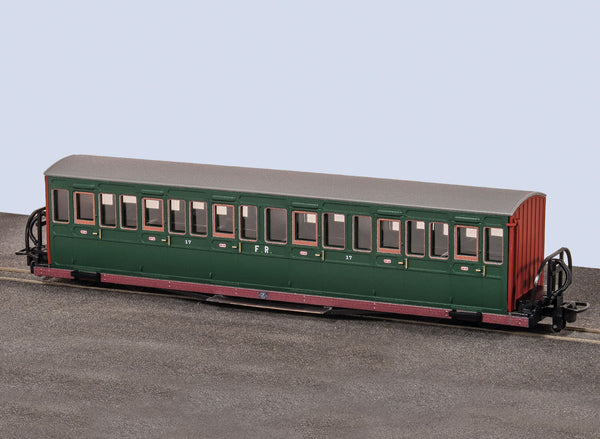
FR Long 'Bowsider' Coach - Colonel Stephens No.20
The Ffestiniog Railway operated two pairs of bogie coaches numbered 17-20 and built by Brown Marshalls & Co and Gloucester Wagon Co. They were known as ‘Bowsiders’ because of the tumblehome shape of their sides. Numbers 17 and 18, built in 1876 are shorter with one 1st class compartment. Numbers 19 and 20, built in 1879 are longer with two 1st class compartments. All four are still in service on the Ffestiniog Railway today.
In the 1920s the elaborate liveries of the Victorian era were replaced with a simple scheme of green with red end panels. It became known as the ‘Colonel Stephens’ livery, after the General Manager of the Ffestiniog Railway from 1925 until his passing in 1931. The colour scheme was used until the end of passenger operations in 1939, sometimes alongside other colours such as yellow, in the mid 1930s.
Green with red ends was applied to carriage No.20 once again from 2005 until 2024, as depicted by GR-623B.
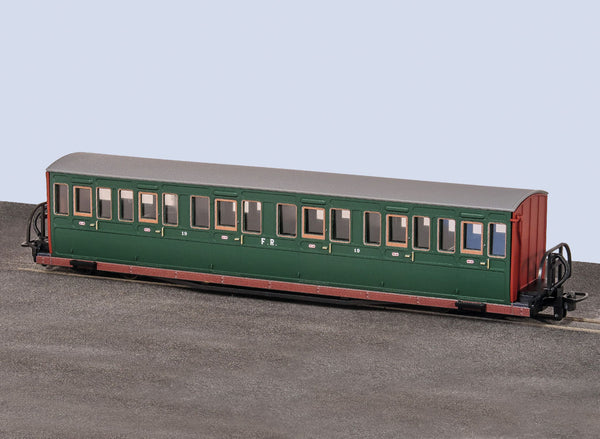
FR Long 'Bowsider' Coach - Colonel Stephens No.19
The Ffestiniog Railway operated two pairs of bogie coaches numbered 17-20 and built by Brown Marshalls & Co and Gloucester Wagon Co. They were known as ‘Bowsiders’ because of the tumblehome shape of their sides. Numbers 17 and 18, built in 1876 are shorter with one 1st class compartment. Numbers 19 and 20, built in 1879 are longer with two 1st class compartments. All four are still in service on the Ffestiniog Railway today.
In the 1920s the elaborate liveries of the Victorian era were replaced with a simple scheme of green with red end panels. It became known as the ‘Colonel Stephens’ livery, after the General Manager of the Ffestiniog Railway from 1925 until his passing in 1931. The colour scheme was used until the end of passenger operations in 1939, sometimes alongside other colours such as yellow, in the mid 1930s.
Green with red ends was applied to carriage No.20 once again from 2005 until 2024, as depicted by GR-623B.
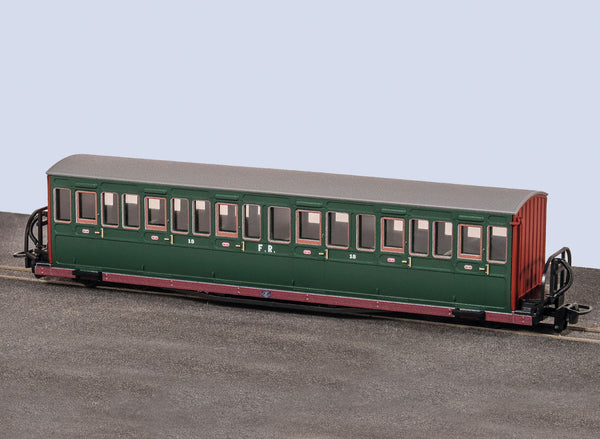
FR Short 'Bowsider' Coach - Colonel Stephens No.18
The Ffestiniog Railway operated two pairs of bogie coaches numbered 17-20 and built by Brown Marshalls & Co and Gloucester Wagon Co. They were known as ‘Bowsiders’ because of the tumblehome shape of their sides. Numbers 17 and 18, built in 1876 are shorter with one 1st class compartment. Numbers 19 and 20, built in 1879 are longer with two 1st class compartments. All four are still in service on the Ffestiniog Railway today.
In the 1920s the elaborate liveries of the Victorian era were replaced with a simple scheme of green with red end panels. It became known as the ‘Colonel Stephens’ livery, after the General Manager of the Ffestiniog Railway from 1925 until his passing in 1931. The colour scheme was used until the end of passenger operations in 1939, sometimes alongside other colours such as yellow, in the mid 1930s.
Green with red ends was applied to carriage No.20 once again from 2005 until 2024, as depicted by GR-623B.
FR Short 'Bowsider' Coach - Colonel Stephens No.17
The Ffestiniog Railway operated two pairs of bogie coaches numbered 17-20 and built by Brown Marshalls & Co and Gloucester Wagon Co. They were known as ‘Bowsiders’ because of the tumblehome shape of their sides. Numbers 17 and 18, built in 1876 are shorter with one 1st class compartment. Numbers 19 and 20, built in 1879 are longer with two 1st class compartments. All four are still in service on the Ffestiniog Railway today.
In the 1920s the elaborate liveries of the Victorian era were replaced with a simple scheme of green with red end panels. It became known as the ‘Colonel Stephens’ livery, after the General Manager of the Ffestiniog Railway from 1925 until his passing in 1931. The colour scheme was used until the end of passenger operations in 1939, sometimes alongside other colours such as yellow, in the mid 1930s.
Green with red ends was applied to carriage No.20 once again from 2005 until 2024, as depicted by GR-623B.
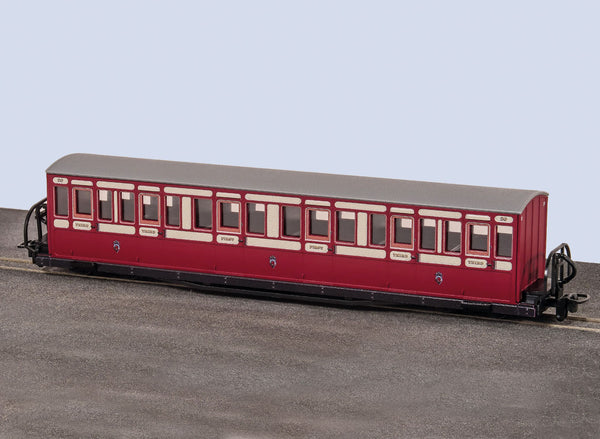
FR Long 'Bowsider' Coach - Red & Cream No.20
The Ffestiniog Railway operated two pairs of bogie coaches numbered 17-20 and built by Brown Marshalls & Co and Gloucester Wagon Co. They were known as ‘Bowsiders’ because of the tumblehome shape of their sides. Numbers 17 and 18, built in 1876 are shorter with one 1st class compartment. Numbers 19 and 20, built in 1879 are longer with two 1st class compartments. All four are still in service on the Ffestiniog Railway today.
The red and cream livery was first applied to a rake of carriages in 1987 for the ‘Mountain Prince’ train service. Carriage 20 was the first Bowsider to appear in the livery.
Carriages 17 and 18 had cream applied to the full upper half of the carriage. 17 had the mouldings reinstated in 1990 as depicted by GR-602A. 18 continued to have cream across the upper half throughout its time in the scheme, as represented by GR-602B. Note the ‘Brown Marshalls & Co. Ltd’ builders plate printed on the ends of the carriage.
All four Bowsiders were repainted into historic liveries in the 2000s, but the red and cream colour scheme is still seen today on the more modern carriages
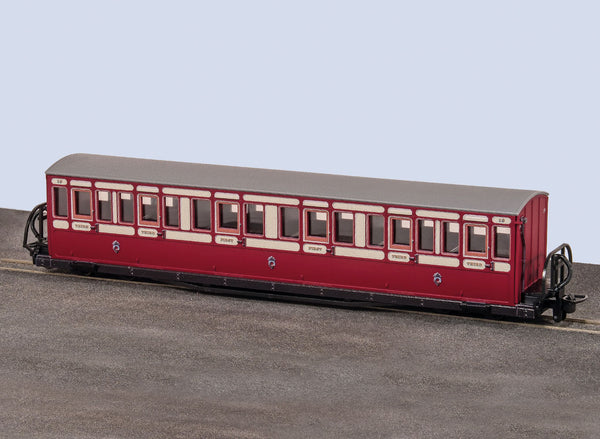
FR Long 'Bowsider' Coach - Red & Cream No.19
The Ffestiniog Railway operated two pairs of bogie coaches numbered 17-20 and built by Brown Marshalls & Co and Gloucester Wagon Co. They were known as ‘Bowsiders’ because of the tumblehome shape of their sides. Numbers 17 and 18, built in 1876 are shorter with one 1st class compartment. Numbers 19 and 20, built in 1879 are longer with two 1st class compartments. All four are still in service on the Ffestiniog Railway today.
The red and cream livery was first applied to a rake of carriages in 1987 for the ‘Mountain Prince’ train service. Carriage 20 was the first Bowsider to appear in the livery.
Carriages 17 and 18 had cream applied to the full upper half of the carriage. 17 had the mouldings reinstated in 1990 as depicted by GR-602A. 18 continued to have cream across the upper half throughout its time in the scheme, as represented by GR-602B. Note the ‘Brown Marshalls & Co. Ltd’ builders plate printed on the ends of the carriage.
All four Bowsiders were repainted into historic liveries in the 2000s, but the red and cream colour scheme is still seen today on the more modern carriages
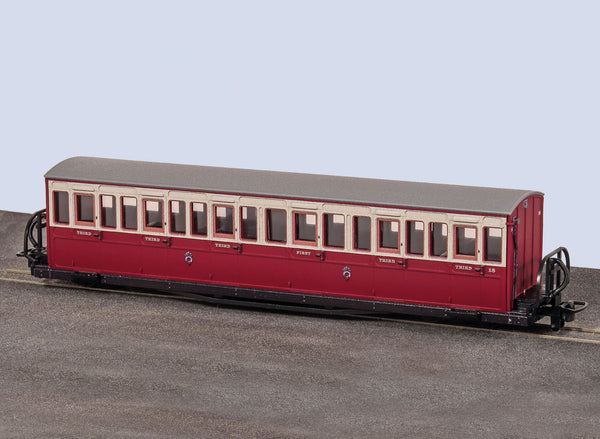
FR Short 'Bowsider' Coach - Red & Cream No.18
The Ffestiniog Railway operated two pairs of bogie coaches numbered 17-20 and built by Brown Marshalls & Co and Gloucester Wagon Co. They were known as ‘Bowsiders’ because of the tumblehome shape of their sides. Numbers 17 and 18, built in 1876 are shorter with one 1st class compartment. Numbers 19 and 20, built in 1879 are longer with two 1st class compartments. All four are still in service on the Ffestiniog Railway today.
The red and cream livery was first applied to a rake of carriages in 1987 for the ‘Mountain Prince’ train service. Carriage 20 was the first Bowsider to appear in the livery.
Carriages 17 and 18 had cream applied to the full upper half of the carriage. 17 had the mouldings reinstated in 1990 as depicted by GR-602A. 18 continued to have cream across the upper half throughout its time in the scheme, as represented by GR-602B. Note the ‘Brown Marshalls & Co. Ltd’ builders plate printed on the ends of the carriage.
All four Bowsiders were repainted into historic liveries in the 2000s, but the red and cream colour scheme is still seen today on the more modern carriages
FR Short 'Bowsider' Coach - Red & Cream No.17
The Ffestiniog Railway operated two pairs of bogie coaches numbered 17-20 and built by Brown Marshalls & Co and Gloucester Wagon Co. They were known as ‘Bowsiders’ because of the tumblehome shape of their sides. Numbers 17 and 18, built in 1876 are shorter with one 1st class compartment. Numbers 19 and 20, built in 1879 are longer with two 1st class compartments. All four are still in service on the Ffestiniog Railway today.
The red and cream livery was first applied to a rake of carriages in 1987 for the ‘Mountain Prince’ train service. Carriage 20 was the first Bowsider to appear in the livery.
Carriages 17 and 18 had cream applied to the full upper half of the carriage. 17 had the mouldings reinstated in 1990 as depicted by GR-602A. 18 continued to have cream across the upper half throughout its time in the scheme, as represented by GR-602B. Note the ‘Brown Marshalls & Co. Ltd’ builders plate printed on the ends of the carriage.
All four Bowsiders were repainted into historic liveries in the 2000s, but the red and cream colour scheme is still seen today on the more modern carriages
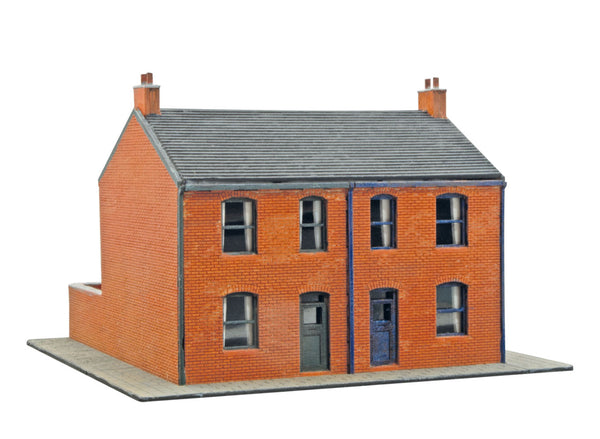
Victorian House Complete, Lasercut Kit
The British Victorian red brick townhouse emerged during Queen Victoria's reign (1837–1901), reflecting the era's industrial and architectural advances. With the advent of mass brick production and rail transport, red bricks became affordable and widely available. Victorian architecture embraced Gothic Revival, Italianate, and Queen Anne styles, characterised by ornate detailing, bay windows, gables, and decorative brickwork. Red brick houses symbolised urban prosperity, particularly in growing industrial cities. Their durability and aesthetic appeal made them iconic in suburbs and working-class areas alike. Today, these houses endure as a hallmark of Victorian design, blending function with the artistic aspirations of the era.
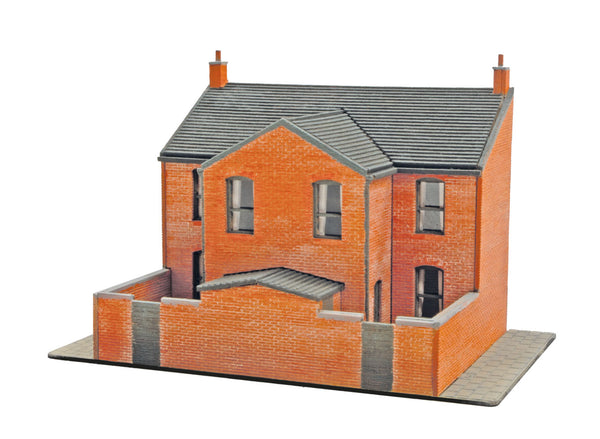
Victorian House Backs, Lasercut Kit
The British Victorian red brick townhouse emerged during Queen Victoria's reign (1837–1901), reflecting the era's industrial and architectural advances. With the advent of mass brick production and rail transport, red bricks became affordable and widely available. Victorian architecture embraced Gothic Revival, Italianate, and Queen Anne styles, characterised by ornate detailing, bay windows, gables, and decorative brickwork. Red brick houses symbolised urban prosperity, particularly in growing industrial cities. Their durability and aesthetic appeal made them iconic in suburbs and working-class areas alike. Today, these houses endure as a hallmark of Victorian design, blending function with the artistic aspirations of the era.
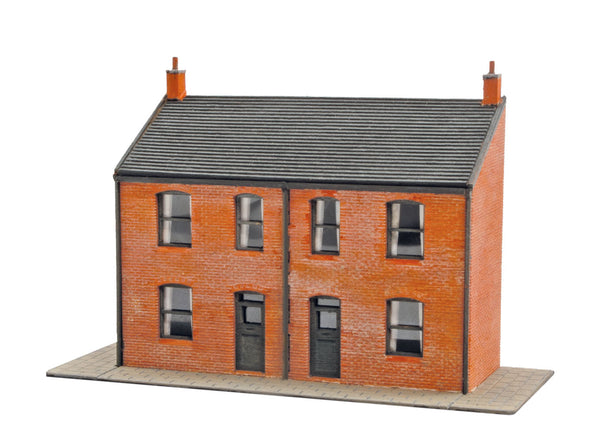
Victorian House Fronts, Lasercut Kit
The British Victorian red brick townhouse emerged during Queen Victoria's reign (1837–1901), reflecting the era's industrial and architectural advances. With the advent of mass brick production and rail transport, red bricks became affordable and widely available. Victorian architecture embraced Gothic Revival, Italianate, and Queen Anne styles, characterised by ornate detailing, bay windows, gables, and decorative brickwork. Red brick houses symbolised urban prosperity, particularly in growing industrial cities. Their durability and aesthetic appeal made them iconic in suburbs and working-class areas alike. Today, these houses endure as a hallmark of Victorian design, blending function with the artistic aspirations of the era.
British Railways Bulk Grain Wagon Kit (LNER)
Around 100 of these vans were built by the LNER between 1921 and 1936 for the transportation of grain, initially from the Port of Hull. In time their use became more widespread, often finding work transporting barley from Lincolnshire to the maltings in Scotland. The remaining wagons were retired in the mid-1970s.
Our new kit really is all-new. Brand new tooling producing some very fine plastic mouldings. In addition to that the kit includes brass bearings, fine scale metal wheels and NEM pockets for the tension lock couplers included. A set of waterslide decals for both the LNER and BR periods are included. Assembly is really straight forward aided by the clear and helpful instructions. The resulting model is one that would make a fine addition to any layout, and from a retailer's point of view there is the added attraction of being able to sell multiple kits given that modellers would likely require a rake of these wagons!
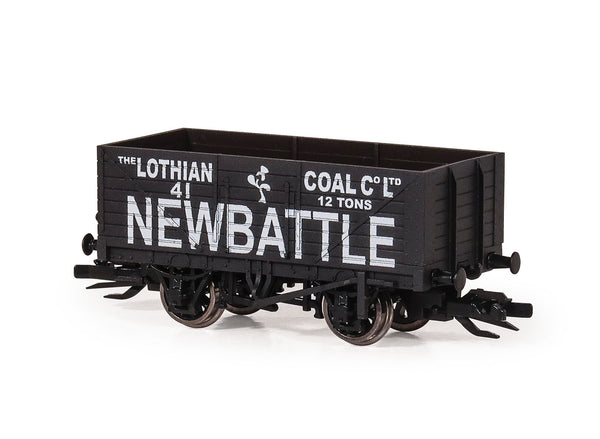
TT:120 7-Plank Open Wagon, Newbattle
- Fine plastic moulding with thinner wagon body walls for accuracy.
- Interior detail as well as a high-level of exterior detail
- Separately-fitted brake lever.
- Brake shoes in line with the wheels
- Ultra-fine printing detail
- Free-running metal-tyred wheels
- Standard (removable) TT:120 coupler compatible with other TT:120 rolling stock on the market
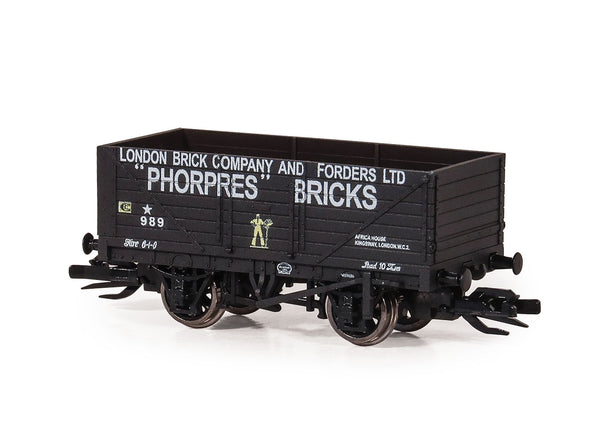
TT:120 7-Plank Open Wagon, Phorpres Bricks
- Fine plastic moulding with thinner wagon body walls for accuracy.
- Interior detail as well as a high-level of exterior detail
- Separately-fitted brake lever.
- Brake shoes in line with the wheels
- Ultra-fine printing detail
- Free-running metal-tyred wheels
- Standard (removable) TT:120 coupler compatible with other TT:120 rolling stock on the market
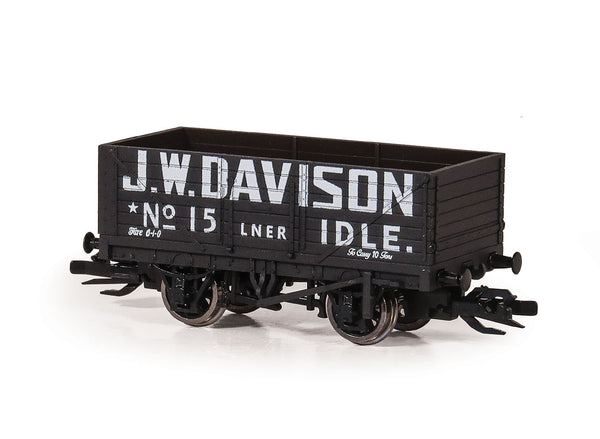
TT:120 7-Plank Open Wagon, J. W. Davison
- Fine plastic moulding with thinner wagon body walls for accuracy.
- Interior detail as well as a high-level of exterior detail
- Separately-fitted brake lever.
- Brake shoes in line with the wheels
- Ultra-fine printing detail
- Free-running metal-tyred wheels
- Standard (removable) TT:120 coupler compatible with other TT:120 rolling stock on the market
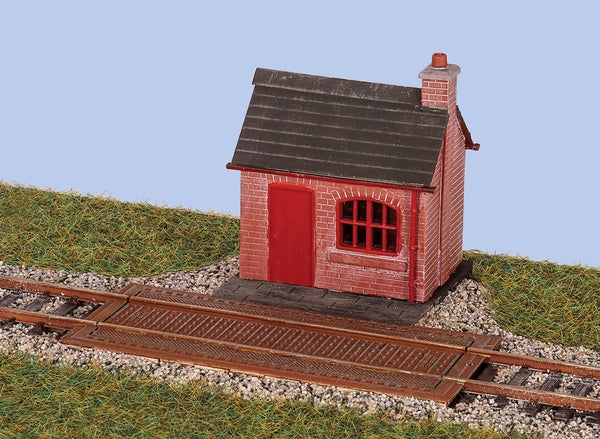
Goods Yard Weighbridge
One of the fundamental aspects of safety on the railway was that wagons should never be overloaded. To do so would risk trains not having sufficient braking capacity to slow and stop safely. To manage loading at many industrial locations, each wagon would pass over a Weighbridge - to check their weight. Each wagon would display its tare weight, which could be deducted from the total weight, to ascertain the net weight of the load - simple mathematics! The new Ratio kit is a great representation of a typical Weighbridge, not dissimilar to the one, once located at Shildon Wagon Works in the North East. Combining a mixture of materials, the plastic parts make up the hut and laser-cut wood parts form the actual weighing scales, which fit in and around a length of ST-201 PECO Setrack track, included in the kit.
Another useful addition to the extensive range of Ratio OO/HO scale railway structure kits.
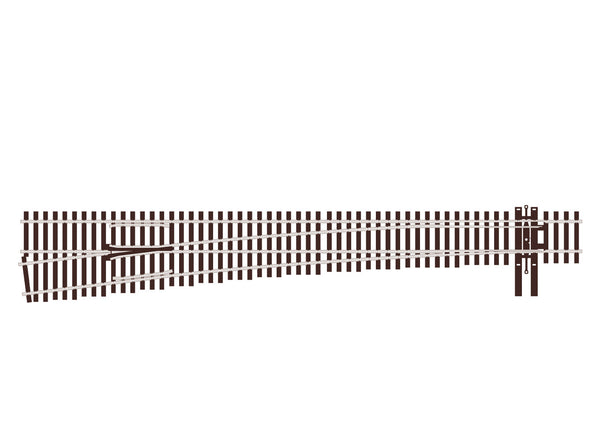
Code 70, No.8, Left Hand Turnout, Unifrog
Whilst our HO Code 83 track is perfect for modelling American mainlines, this new Code 70 track is just right for secondary lines, lightly-used branches, sidings, etc. Indeed, it will be perfect for modelling the early-to-mid 20th century railroading era when lighter rail was more commonly used. Featuring accurate rail spike detail, correctly proportioned ties (sleepers) and nickel silver rail, this new flexible track has been produced to the same high standard that modellers have come to expect from PECO and confirms to the specifications laid down by the NMRA..
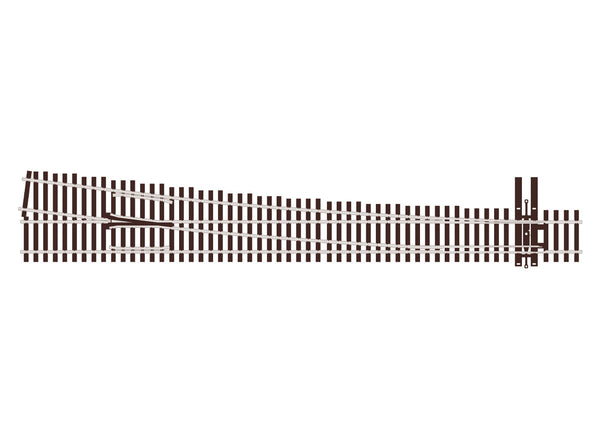
Code 70, No.8, Right Hand Turnout, Unifrog
Whilst our HO Code 83 track is perfect for modelling American mainlines, this new Code 70 track is just right for secondary lines, lightly-used branches, sidings, etc. Indeed, it will be perfect for modelling the early-to-mid 20th century railroading era when lighter rail was more commonly used. Featuring accurate rail spike detail, correctly proportioned ties (sleepers) and nickel silver rail, this new flexible track has been produced to the same high standard that modellers have come to expect from PECO and confirms to the specifications laid down by the NMRA..
GVT Brakevan Laser-cut kit (NG7)
Laser cut wagon kit of a 4-wheel Glyn Valley Tramway brakevan.
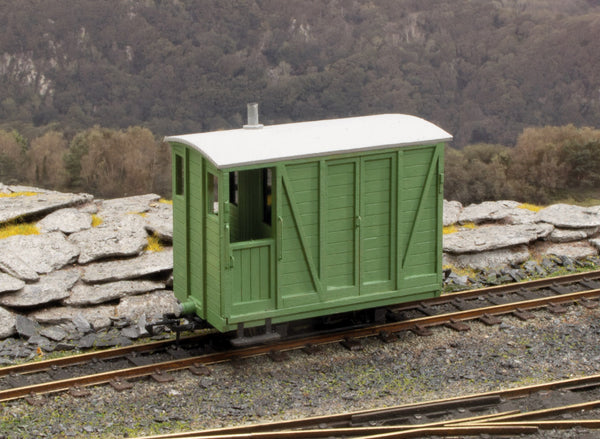
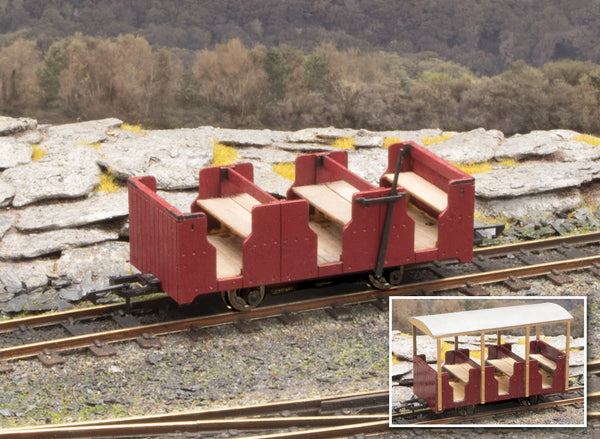
Penrhyn Quarry Workmen's Coach Laser-cut kit (NG7)
Laser cut wagon kit of a 4-wheel narrow Penrhyn Quarry Workmen's Coach, easily adapted for anyone's freelance railway.
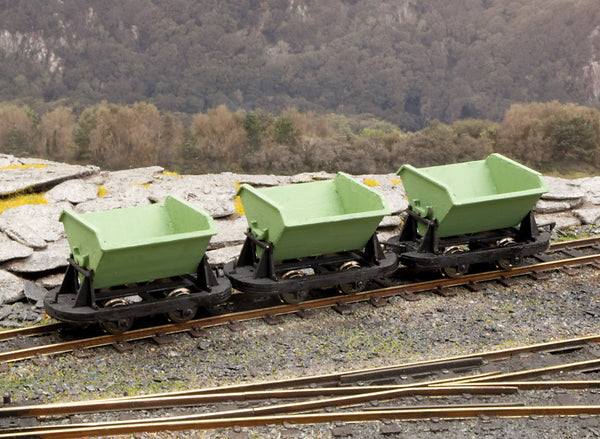
V-Skip Side Tip Wagons (3) Laser-cut kits (NG7)
Laser cut wagon kit of a 4-wheel narrow gauge V-Skip wagons found at many industrial locations.
Tipper body can be left loose to enable it to tip prototypically.
Features metal disk wheels that run freely in brass bearings.
Contains plastic tension-lock couplings and NEM pockets. Options for omitting couplings completely or fitting them integrally to the wagon chassis for prototypical close-coupling.
Pack of 3 wagons.
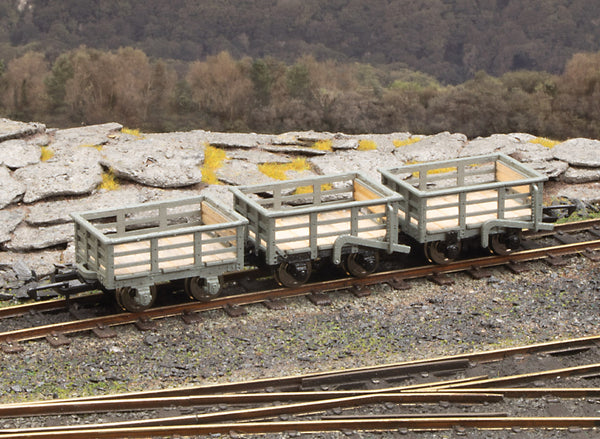
Penrhyn Quarry Railway Slate Wagons (3) Laser-cut kits (NG7)
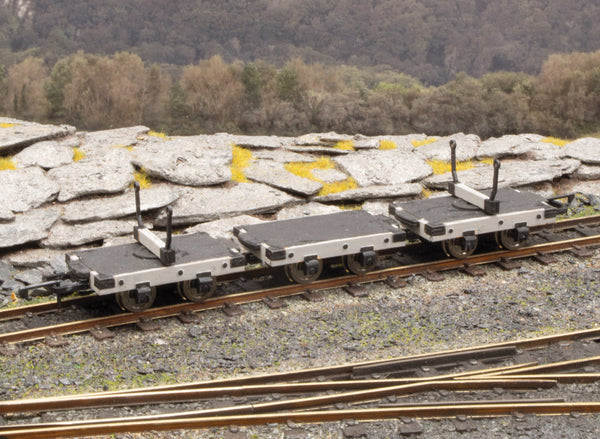
Laser-cut wagon kits of 4-wheel narrow gauge bolster wagons found at many industrial locations.
Penrhyn Quarry Railway Bolster Wagons (3) Laser-cut kits (NG7)
Laser-cut wagon kits of 4-wheel narrow gauge bolster wagons found at many industrial locations.