


BROWSE PECO PRODUCTS
Browse through our complete product portfolio.
1641 Products Found
BR 12ton Pipe Wagon
Introduced in 1949 to an LMS design, 800 of these wagons (diagram 1/460) carried large diameter pipes for the construction industry. Withdrawn in the early 1980s. These finely moulded plastic wagon kits come complete with pin point axle wheels and bearings. Glue and paint will be required, along with appropriate transfers. Additional parts to enable the vehicle to be modelled incorporating modifications made to the prototypes during their working life are included where appropriate.
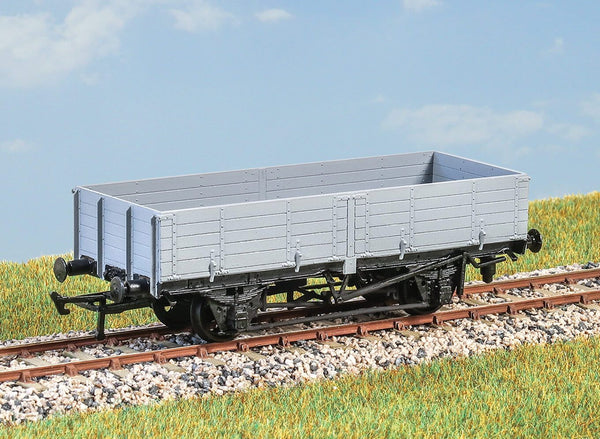
BR 12ton Fruit Van
200 of these vans (diagram 1/230) were built in 1949 for fruit, vegetable and flower traffic. Many survived until the mid 1970s. This van can easily be converted to an LMS (D2112) goods van of 1944. These finely moulded plastic wagon kits come complete with pin point axle wheels and bearings. Glue and paint will be required, along with appropriate transfers. Additional parts to enable the vehicle to be modelled incorporating modifications made to the prototypes during their working life are included where appropriate.
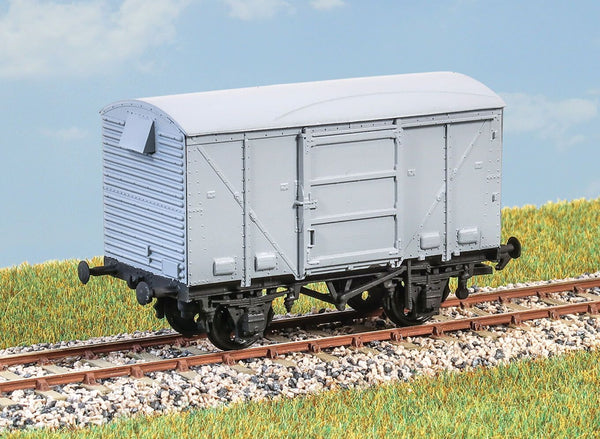
BR 12ton Van
In 1962, 1994 of these vans (diagram 1/217) were built. They have extra wide doors to allow fork lift trucks to handle loading. Some were converted to air brake operation. These finely moulded plastic wagon kits come complete with pin point axle wheels and bearings. Glue and paint will be required, along with appropriate transfers. Additional parts to enable the vehicle to be modelled incorporating modifications made to the prototypes during their working life are included where appropriate.
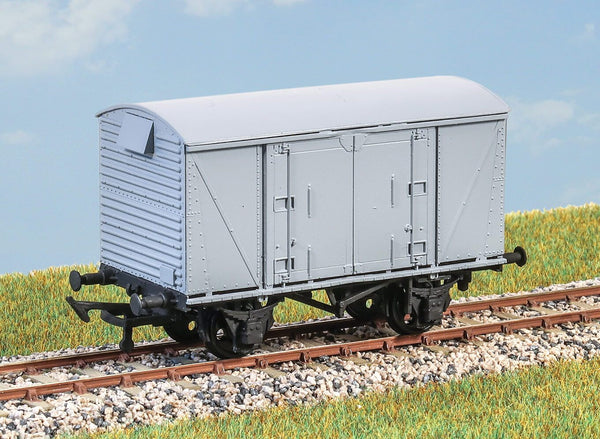
LNER Conflat Container Wagon
With DX Open Container (diagram 104) The standard LNER container wagon from the mid 1930s. In service until 1970. Open containers were widely used until the early 1960s. These finely moulded plastic wagon kits come complete with pin point axle wheels and bearings. Glue and paint will be required, along with appropriate transfers. Additional parts to enable the vehicle to be modelled incorporating modifications made to the prototypes during their working life are included where appropriate.
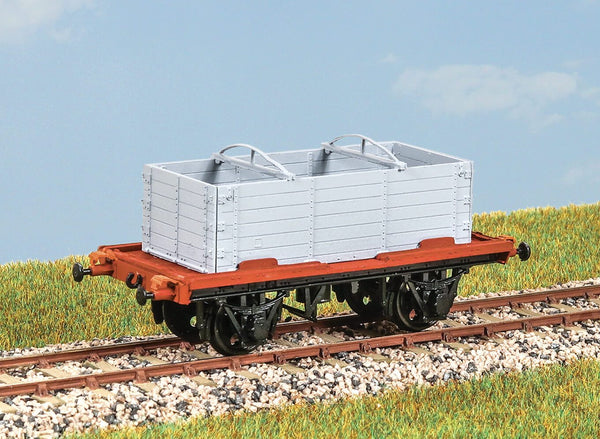
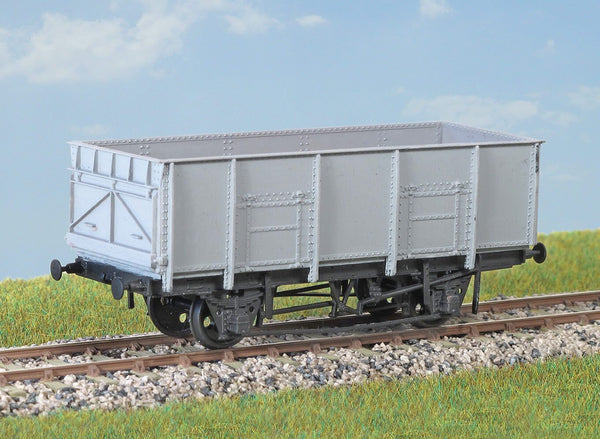
BR 21ton Mineral Wagon
(Rebuilt 1977) This vehicle represents the end of the evolution of the classic British coal wagon. Introduced in 1977, using spare chassis, 947 were built and used chiefly for industrial coal traffic.These finely moulded plastic wagon kits come complete with pin point axle wheels and bearings. Glue and paint will be required, along with appropriate transfers. Additional parts to enable the vehicle to be modelled incorporating modifications made to the prototypes during their working life are included where appropriate.
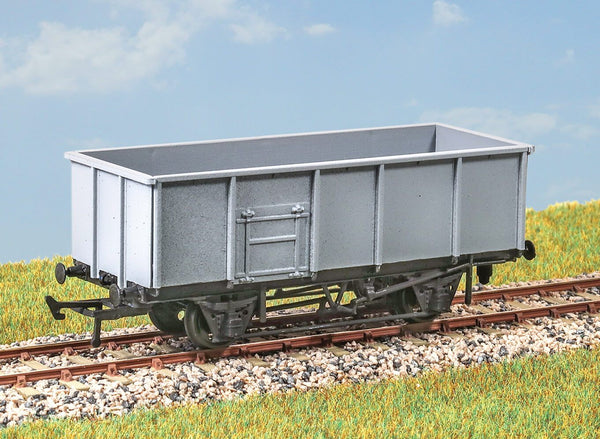
LNER 21ton Loco Coal Wagon
Constructed in the late 1930s, these were a standard design of loco coal wagon (diagram 207). In the 1950s, they were used for general coal traffic and were finally withdrawn in the mid 1960s.
These finely moulded plastic wagon kits come complete with pin point axle wheels and bearings. Glue and paint will be required, along with appropriate transfers. Additional parts to enable the vehicle to be modelled incorporating modifications made to the prototypes during their working life are included where appropriate.
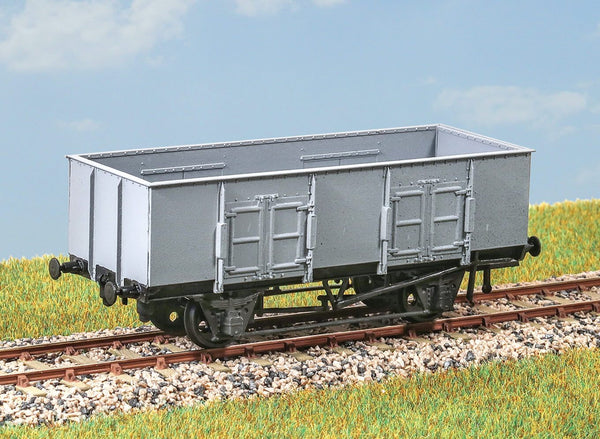
BR Shock Absorbing Wagon
Introduced 1953 - 1956, these vans (diagram 1/209) carried fragile traffics such as biscuits, whisky and china and lasted in service until the late 1970s. These finely moulded plastic wagon kits come complete with pin point axle wheels and bearings. Glue and paint will be required, along with appropriate transfers. Additional parts to enable the vehicle to be modelled incorporating modifications made to the prototypes during their working life are included where appropriate.
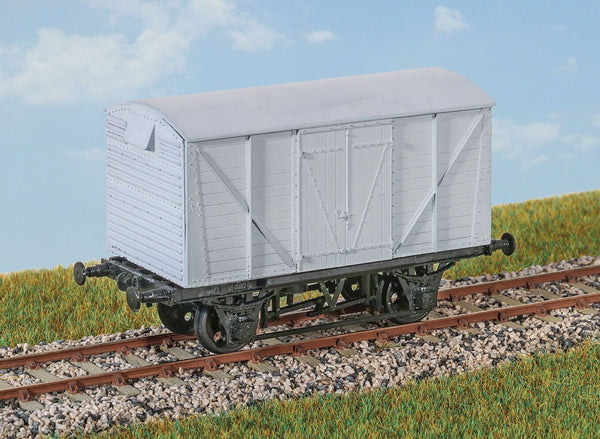
BR Shock Absorbing Open Wagon
Introduced 1955-1958, these wagons (diagram 1/050) carried fragile traffic from earthenware pipes to whisky barrels. Our model features adjustable body and tarpaulin rail. These finely moulded plastic wagon kits come complete with pin point axle wheels and bearings. Glue and paint will be required, along with appropriate transfers. Additional parts to enable the vehicle to be modelled incorporating modifications made to the prototypes during their working life are included where appropriate.
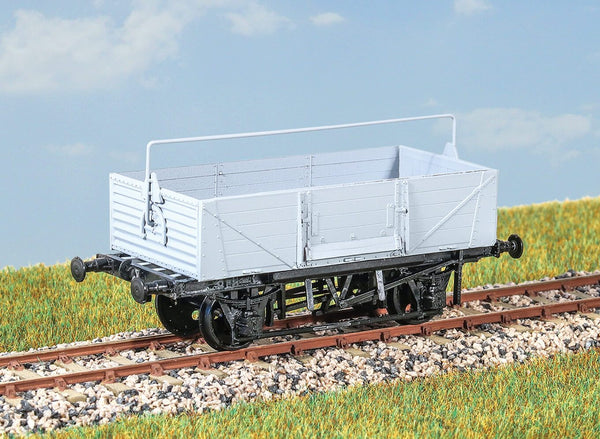
LNER 12ton Van
Introduced in the late 1930s, these wagons (diagram 25) were used for general traffic until the late 1960s. Being equipped with the vacuum brake, they were suitable for express goods services. These finely moulded plastic wagon kits come complete with pin point axle wheels and bearings. Glue and paint will be required, along with appropriate transfers. Additional parts to enable the vehicle to be modelled incorporating modifications made to the prototypes during their working life are included where appropriate.
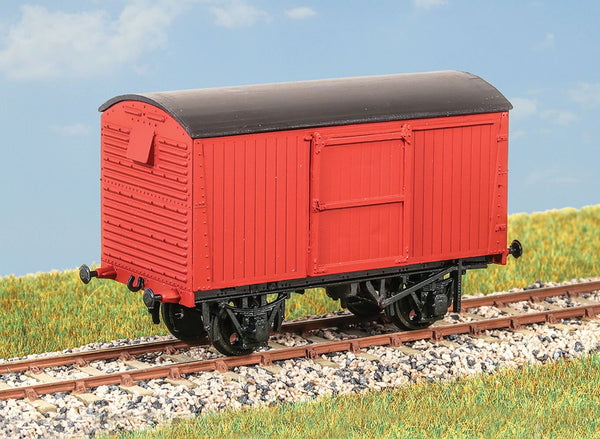
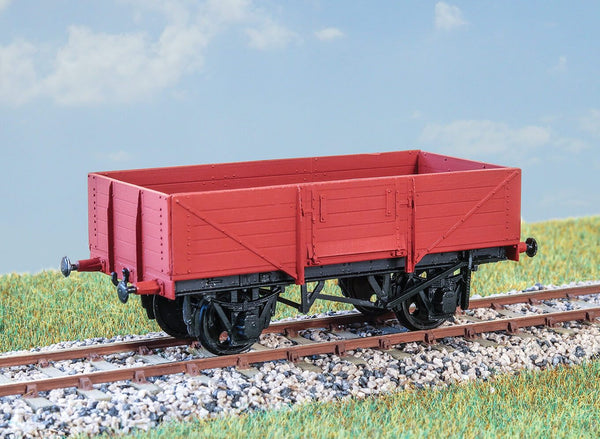
LNER 12ton 5 Plank Open Wagon
Introduced in 1938, these wagons (diagram 1/120) were used for general traffic until the early 1970s. Being equipped with the vacuum brake, they were suitable for express goods services. These finely moulded plastic wagon kits come complete with pin point axle wheels and bearings. Glue and paint will be required, along with appropriate transfers. Additional parts to enable the vehicle to be modelled incorporating modifications made to the prototypes during their working life are included where appropriate.
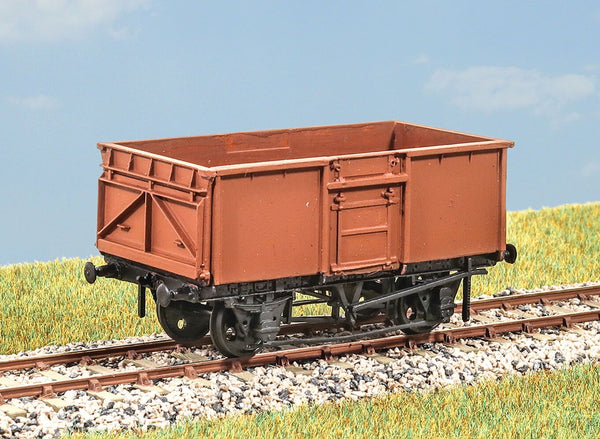
BR 16ton Mineral Wagon
Vacuum fitted, introduced in 1956, these wagons continued to be used throughout the BR period, carrying coal to coal depots and factories as well as scrap (from 1975), aggregate and engineer’s spoil.
These finely moulded plastic wagon kits come complete with pin point axle wheels and bearings. Glue and paint will be required, along with appropriate transfers. Additional parts to enable the vehicle to be modelled incorporating modifications made to the prototypes during their working life are included where appropriate.
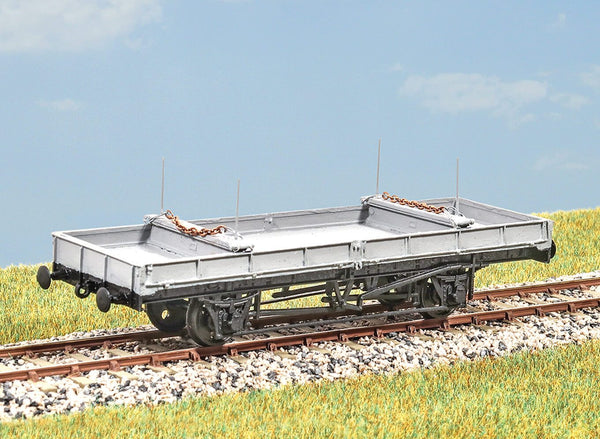
LNER 21ton Twin Bolster Wagon
21 ton Twin Bolster Wagon 1943 (diagram 1/168) These wagons were used to carry short steel sections such as girders, pipes and reinforcing rods. Period 1943 to early 1970s. These finely moulded plastic wagon kits come complete with pin point axle wheels and bearings. Glue and paint will be required, along with appropriate transfers. Additional parts to enable the vehicle to be modelled incorporating modifications made to the prototypes during their working life are included where appropriate.
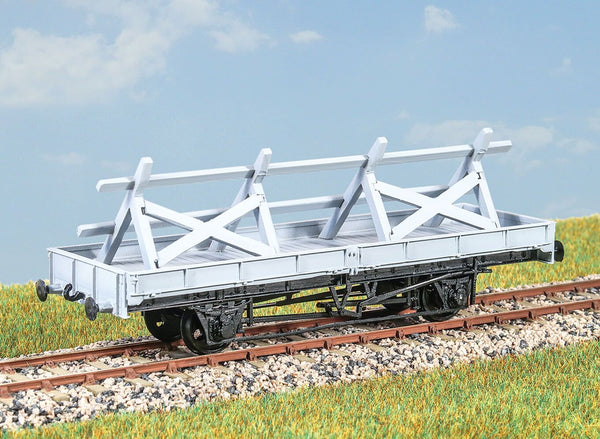
LNER 21ton Trestle Wagon
Converted both before and after nationalisation (diagram 1/217) from standard plate and double bolster wagons to carry steel plates too wide to be loaded flat. Period mid 1940s to early 1970s. These finely moulded plastic wagon kits come complete with pin point axle wheels and bearings. Glue and paint will be required, along with appropriate transfers. Additional parts to enable the vehicle to be modelled incorporating modifications made to the prototypes during their working life are included where appropriate.
LNER 20ton Plate Wagon
Among the first with an all welded body, these wagons (diagram 1/123) were widely used for carrying steel plate and other traffic such as motor cars, farm machinery and large packing cases. Period 1940 to mid 1970s. These finely moulded plastic wagon kits come complete with pin point axle wheels and bearings. Glue and paint will be required, along with appropriate transfers. Additional parts to enable the vehicle to be modelled incorporating modifications made to the prototypes during their working life are included where appropriate.
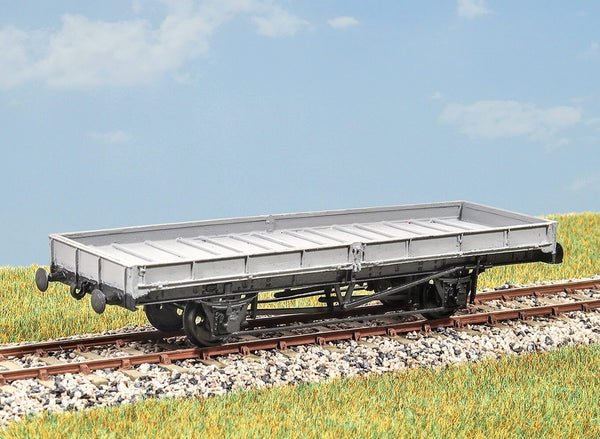
BR 10ton Insulated Meat Van
250 of these vans (diagram 1/251) were built in 1952/53 for carrying chilled meat. In the 1960s many were used as ordinary goods vans before withdrawal in the early 1970s. These finely moulded plastic wagon kits come complete with pin point axle wheels and bearings. Glue and paint will be required, along with appropriate transfers. Additional parts to enable the vehicle to be modelled incorporating modifications made to the prototypes during their working life are included where appropriate.
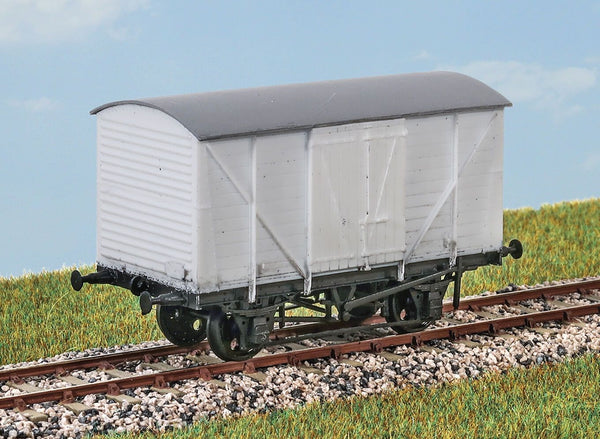
BR 12ton Goods Van Plywood Sides
3500 of these vans (diagram 1/213) were built in the mid 1950s for general goods traffic and lasted into the 1980s. Ventilation scoops are included for the fruit van variation.These finely moulded plastic wagon kits come complete with pin point axle wheels and bearings. Glue and paint will be required, along with appropriate transfers. Additional parts to enable the vehicle to be modelled incorporating modifications made to the prototypes during their working life are included where appropriate.
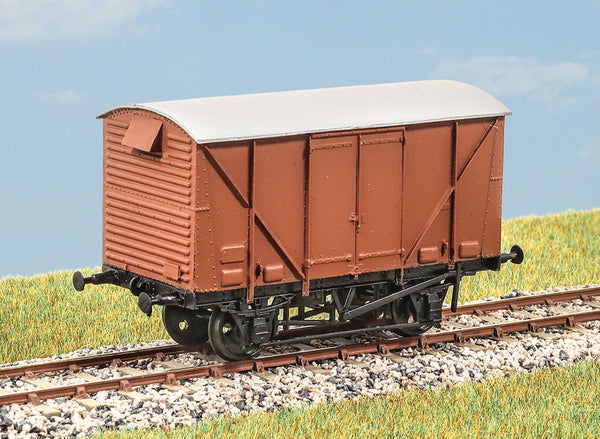
BR (LNER Design) Plywood Goods Van
These wagons (diagram 1/176) were built by the LNER from the end of the Second World War. 3250 were constructed to this diagram. Lasted until the early 1970s. These finely moulded plastic wagon kits come complete with pin point axle wheels and bearings. Glue and paint will be required, along with appropriate transfers. Additional parts to enable the vehicle to be modelled incorporating modifications made to the prototypes during their working life are included where appropriate.
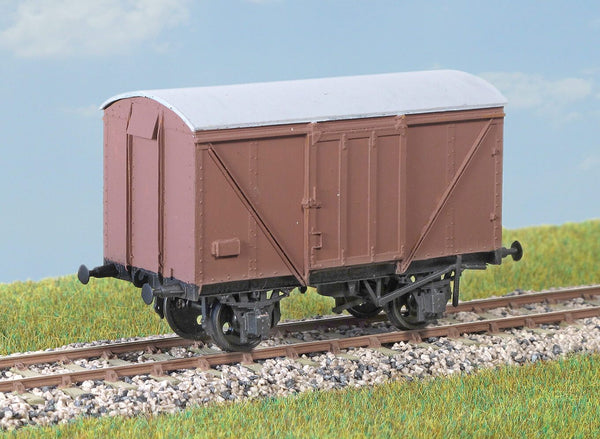
BR 12ton Van Plank Sides
Over 19,000 of these standard vans (diagram 1/208) were built in the 1950s for general goods traffic and lasted into the 1980s. Alternative plywood doors are included. These finely moulded plastic wagon kits come complete with pin point axle wheels and bearings. Glue and paint will be required, along with appropriate transfers . Additional parts to enable the vehicle to be modelled incorporating modifications made to the prototypes during their working life are included where appropriate.
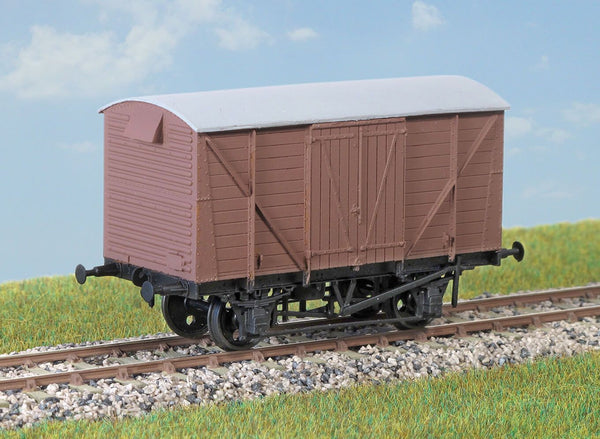
BR 24¬? ton Coal Wagon
Over 2000 of these wagons (diagram 1/115) were built in 1953-1956 to carry coal to power stations and steel works. Withdrawn by 1982. These finely moulded plastic wagon kits come complete with pin point axle wheels and bearings. Glue and paint will be required, along with appropriate transfers. Additional parts to enable the vehicle to be modelled incorporating modifications made to the prototypes during their working life are included where appropriate.
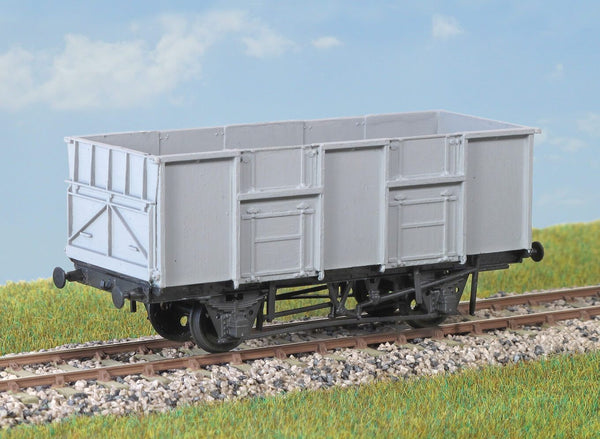
BR 13ton Open Goods Wagon
Over 8000 of these wagons (diagram 1/039, 1/044) were built to an LMS design in the 1950s. Used until the 1980s, some lasted another decade in the Civil Engineer’s fleet. These finely moulded plastic wagon kits come complete with pin point axle wheels and bearings. Glue and paint will be required, along with appropriate transfers. Additional parts to enable the vehicle to be modelled incorporating modifications made to the prototypes during their working life are included where appropriate.
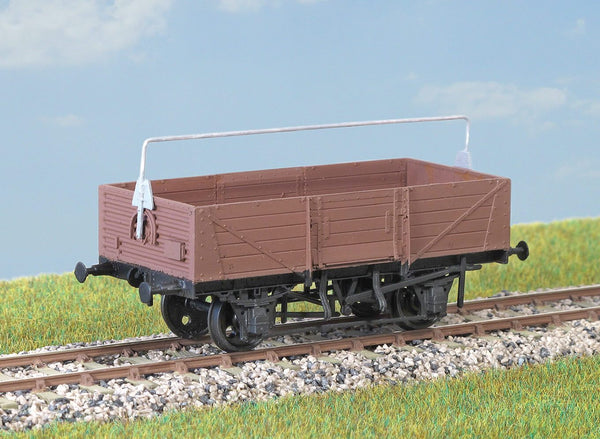
BR 13ton Steel Open Goods Wagon
6500 of these wagons (diagram 1/037, 1/041) were built in the early 1950s, using a post war LNER design. Many survived into the 1980s. These finely moulded plastic wagon kits come complete with pin point axle wheels and bearings. Glue and paint will be required, along with appropriate transfers. Additional parts to enable the vehicle to be modelled incorporating modifications made to the prototypes during their working life are included where appropriate.
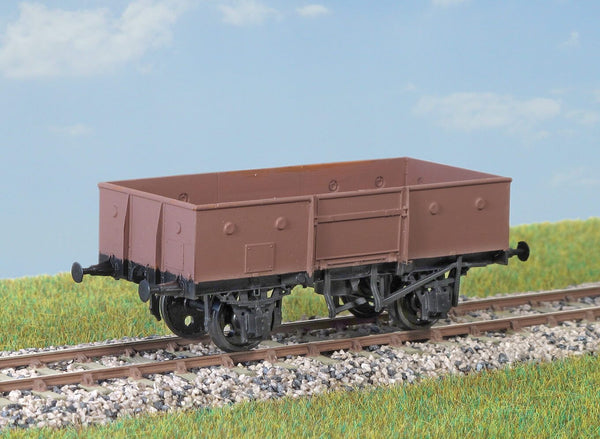
BR 21ton Coal Wagon
1000 of these wagons 21 ton Coal Wagon (diagram 1/110) were built in 1950/51 for BR by the Metro-Cammell company. Many were still in service in the late 1970s. These finely moulded plastic wagon kits come complete with pin point axle wheels and bearings. Glue and paint will be required, along with appropriate transfers. Additional parts to enable the vehicle to be modelled incorporating modifications made to the prototypes during their working life are included where appropriate.
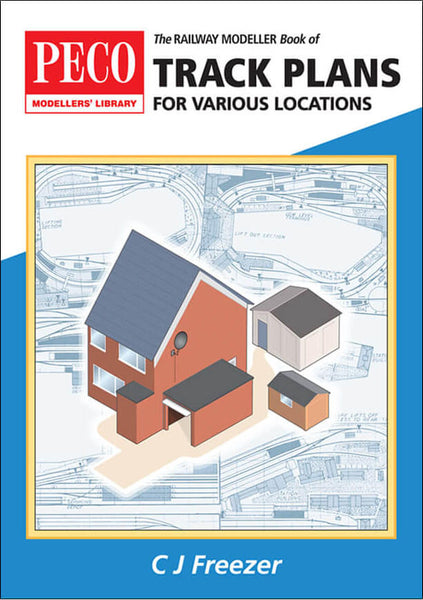
The Railway Modeller Book of Track Plans
A best seller for many years, Cyril Freezers's classic collection of model railway track plans. Over thirty plans are drawn and described, both covering steam era and modern image concepts and important design and location ideas. The plans have dimensions quoted for 00, a grid is superimposed to enable easy conversion to other scales. 36 pages.
All PECO Publications now available as digital downloads on tablets and mobile devices through their respective App Stores. Download on the App Store or get it on Google Play.
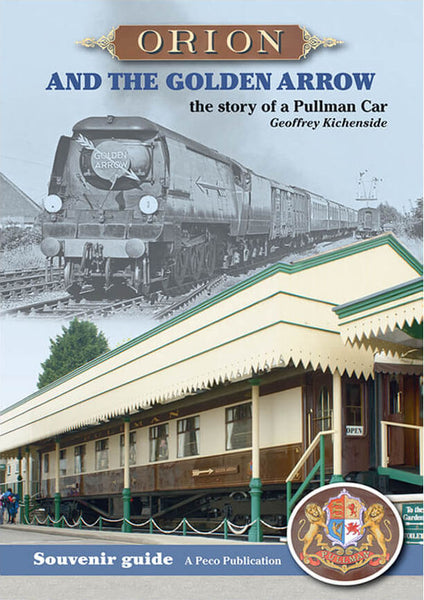
Orion and the Golden Arrow
The history of a Pullman dining car which carried passengers in luxury to the Channel Ports en route for Paris. Today Orion can be seen preserved at Pecorama where it provides the perfect setting for morning coffees and cream teas. Includes some useful drawings for modellers. 35 pages.