


BROWSE PECO PRODUCTS
Browse through our complete product portfolio.
726 Products Found
Wagon Turntable
Wagon Turntables were usually used to turn wagons through 90 degrees to access spur roads into warehouses etc. For narrow gauge models built to either 00 (4mm) or H0 (3.5mm) scale and running on 9mm gauge track, this range depicts the slightly worn out old track of a picturesque old railway. It is compatible with the Peco 009 Setrack rigid track system.
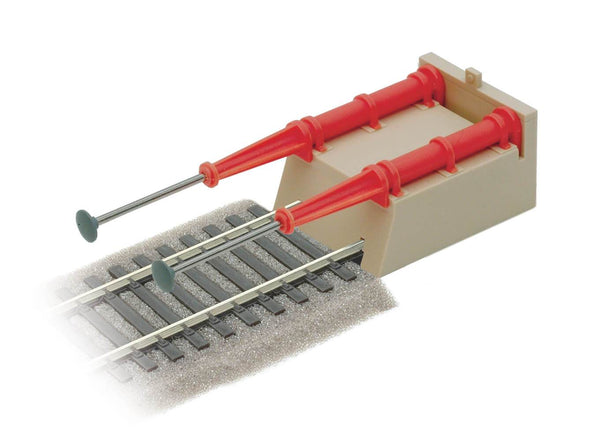
Buffer Stop, Hydraulic
Excellent model of the impressive buffer stops seen at most main line stations. Will give any model railway that authentic 'big city terminus' look.
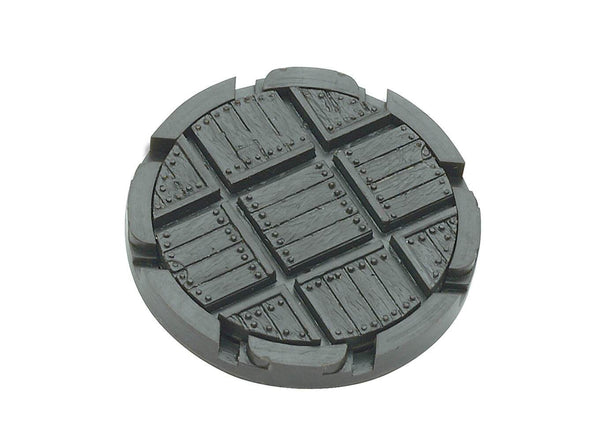
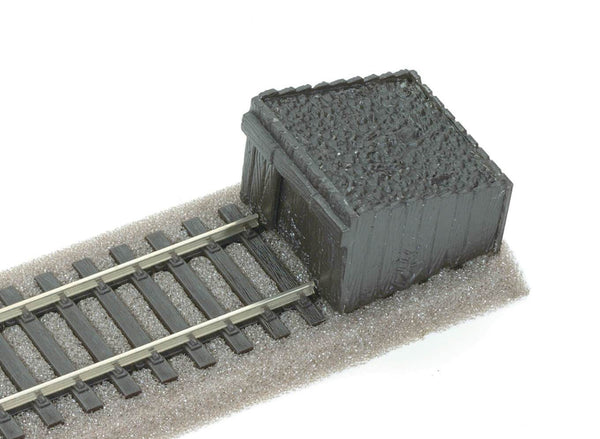
Buffer Stop, Sleeper-built
Realistically simulated woodgrain mouldings with ballast textured surface on top. recessed to accommodate couplings.
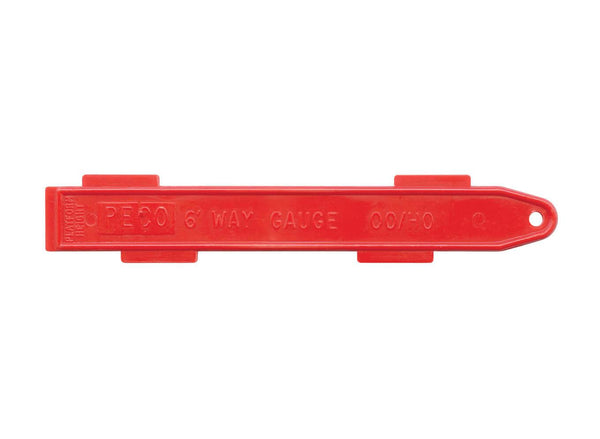
6ft Way Gauge
A small but useful item to ensure the accurate spacing of double tracks in 00/H0 along both straight and curved sections. Also gauges platform height to the recommended 14mm (3ft 6ins in 4mm scale).
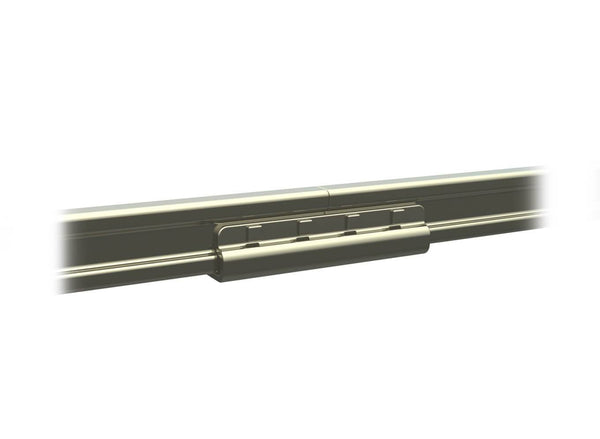
Bullhead OO Gauge Rail Joiners
These authentic looking rail joiners incorporate bolt detail, and complement the fine scale appearance and detail of our 00 Code 75 Bullhead track range.
Bullhead 00 Gauge Streamline Track
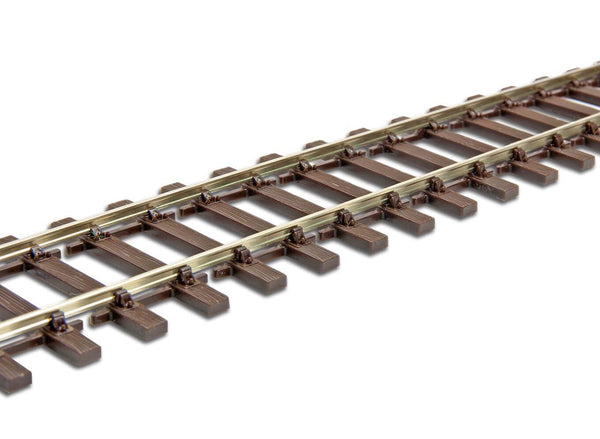
Bullhead track has been in use on the railways since the earliest times, and is still very much in evidence today. This flexible track provides a highly detailed and faithful 00 scale replication of this long standing feature of Britain's railways.
Our SL-114 Bullhead Rail Joiners include bolt detail and therefore complement the fine detail of this track range.
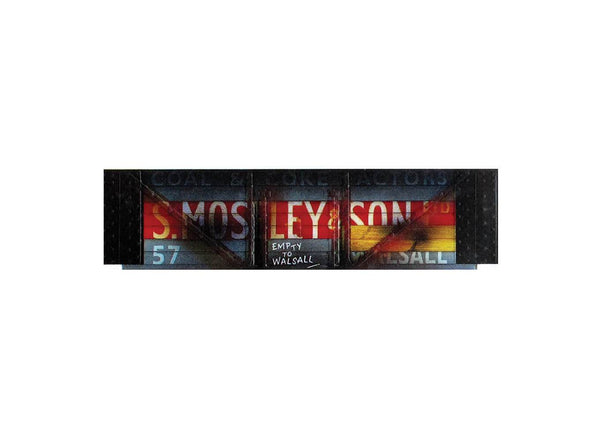
Moseley Coal 7 Plank
00 Card wagon body kits, designed to be used with the R20 Underframe kit. Romford wheels and bearings can be used to complete the model.
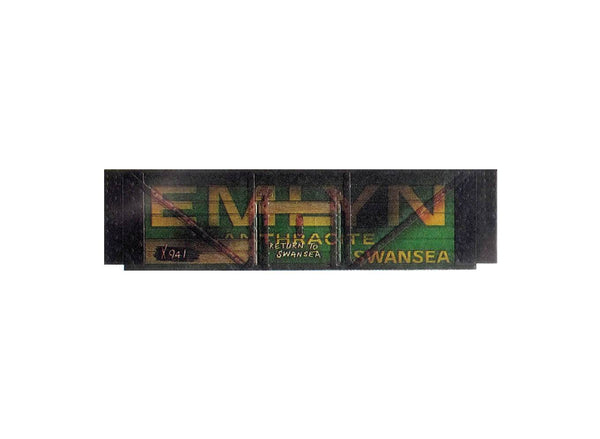
Emlyn Coal 7 Plank
00 Card wagon body kits, designed to be used with the R20 Underframe kit. Romford wheels and bearings can be used to complete the model.
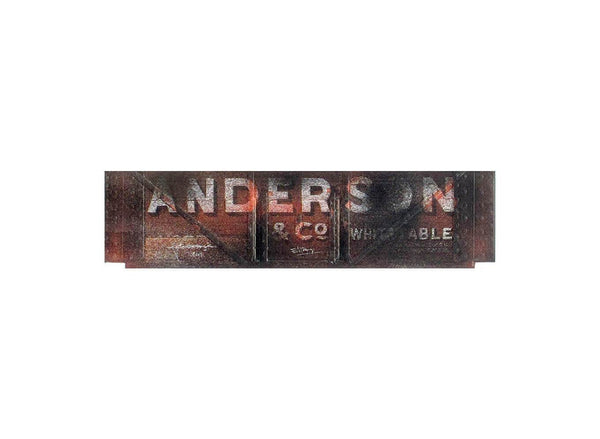
Anderson and Co Coal 7 Plank
00 Card wagon body kits, designed to be used with the R20 Underframe kit. Romford wheels and bearings can be used to complete the model.
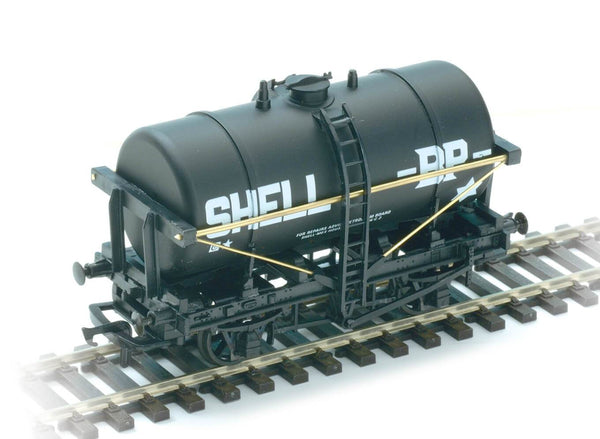
Petrol Tank Wagon Shell/BP
These 10ft Tank Wagon kits include:
‚Ģ Actual working axlebox springs
‚Ģ Sprung metal buffers
‚Ģ Fully painted and lettered body
‚Ģ Pin-point axles and bearings for maximum length trains
‚Ģ Both Peco Simplex and Peco Anita tension lock couplings
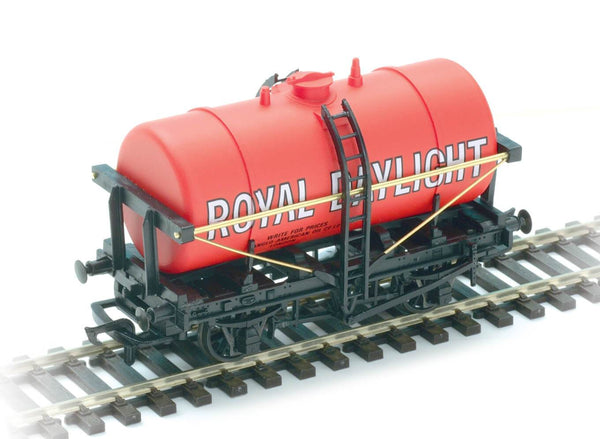
Petrol Tank Wagon Royal Daylight
These 10ft Tank Wagon kits include:
‚Ģ Actual working axlebox springs
‚Ģ Sprung metal buffers
‚Ģ Fully painted and lettered body
‚Ģ Pin-point axles and bearings for maximum length trains
‚Ģ Both Peco Simplex and Peco Anita tension lock couplings
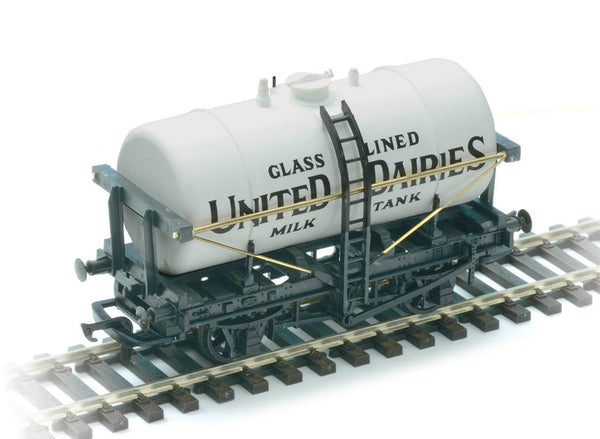
Milk Tank Wagon United Dairies
These 10ft Tank Wagon kits include:
‚Ģ Actual working axlebox springs
‚Ģ Sprung metal buffers
‚Ģ Fully painted and lettered body
‚Ģ Pin-point axles and bearings for maximum length trains
‚Ģ Both Peco Simplex and Peco Anita tension lock couplings
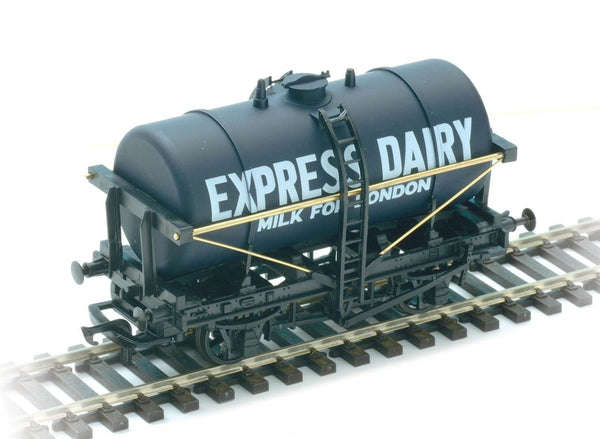
Milk Tank Wagon Express Dairy
These 10ft Tank Wagon kits include:
‚Ģ Actual working axlebox springs
‚Ģ Sprung metal buffers
‚Ģ Fully painted and lettered body
‚Ģ Pin-point axles and bearings for maximum length trains
‚Ģ Both Peco Simplex and Peco Anita tension lock couplings
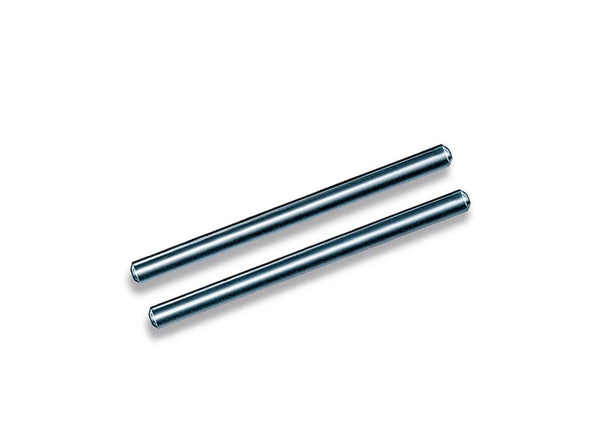
Insulaxles
Specially treated metal axles which provide insulation when used with all metal wheels.
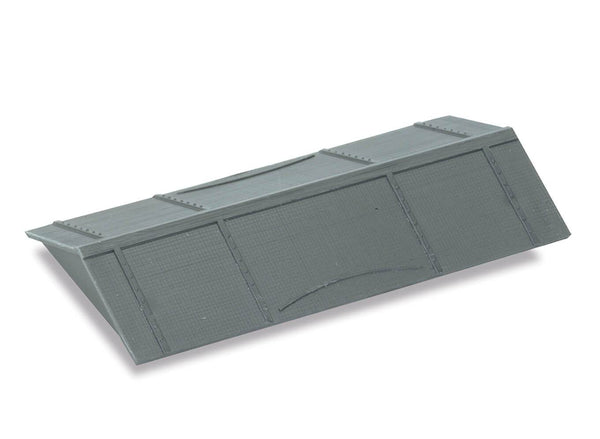
Salt Wagon Roof
Plastic moulding, detail includes rainstrips, strapping etc. to finish off a Peco Wonderful Wagon Salt Wagon or a scratchbuilding project.
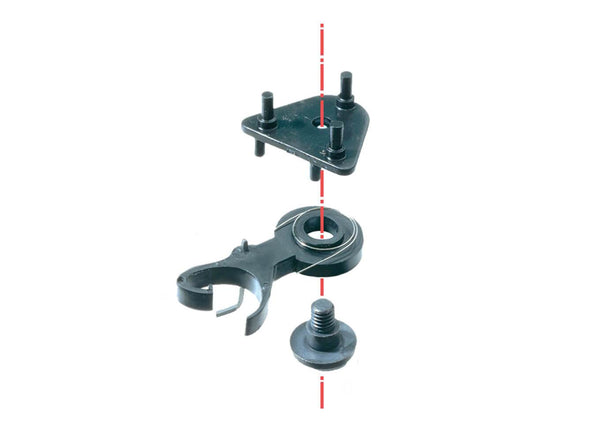
Coupler (Auto) Magni-Simplex
A superb auto coupling designed for magnetic operation using the special uncoupler SL-32
‚Ģ Allows a vehicle to be lifted straight from within a train without derailing adjacent vehicles
‚Ģ Delayed action feature - after uncoupling, a vehicle can be pushed to any position
‚Ģ Supplied complete with spring, screw and adaptor moulding
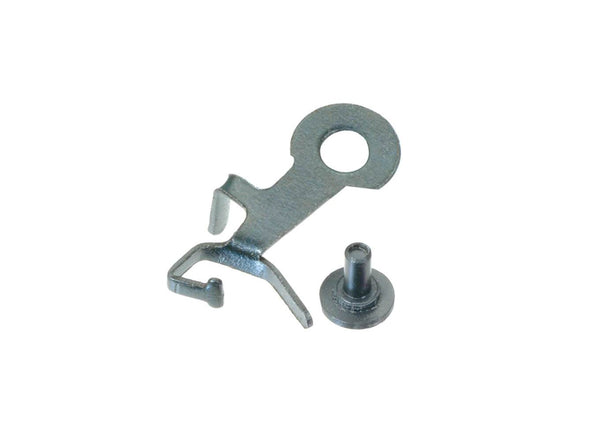
Coupler (Auto) Simplex
The original metal coupling designed for use with the SL30 uncoupler, allows a vehicle to be lifted straight from within a train without derailing adjacent vehicles.
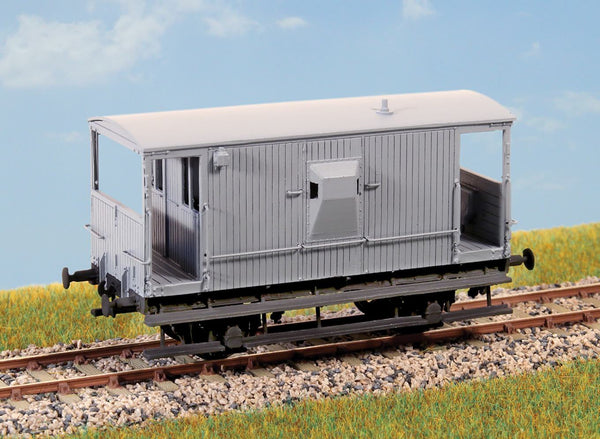
LNER 20ton Brake Van Toad E
900 of these vans were built between 1930 and 1936. Seen all over the former LNER system, they lasted in service into the mid 1960s. These finely moulded plastic wagon kits come complete with pin point axle wheels and bearings. Glue and paint will be required, along with appropriate transfers. Additional parts to enable the vehicle to be modelled incorporating modifications made to the prototypes during their working life are included where appropriate.
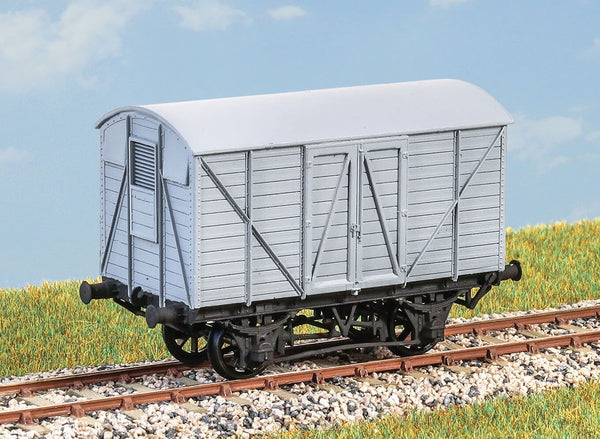
GWR 10ton Banana Van
The GWR introduced a fleet of these vans (diagram Y4) in the early 1920s. These vans could still be seen in service into the 1950s. These finely moulded plastic wagon kits come complete with pin point axle wheels and bearings. Glue and paint will be required, along with appropriate transfers. Additional parts to enable the vehicle to be modelled incorporating modifications made to the prototypes during their working life are included where appropriate.
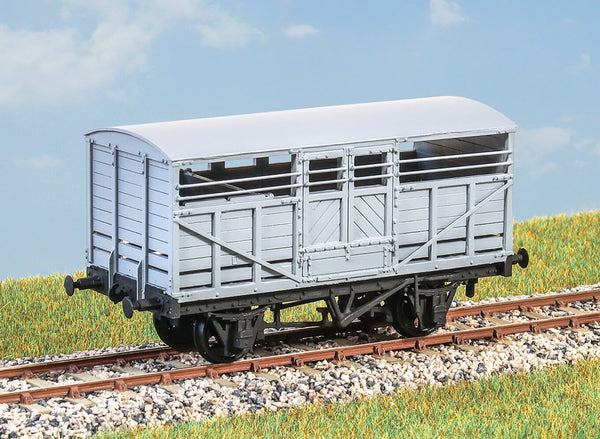
LMS Cattle Wagon
The LMS built 2050 of these wagons (diagram 1661) between 1923 and 1926. They lasted in use until the early 1960s. These finely moulded plastic wagon kits come complete with pin point axle wheels and bearings. Glue and paint will be required, along with appropriate transfers. Additional parts to enable the vehicle to be modelled incorporating modifications made to the prototypes during their working life are included where appropriate.
GWR 10ton Gunpowder Van
These gunpowder vans (diagram Z2) were built between 1913 and 1926 to carry gunpowder and other explosives. Examples lasted until around 1960. These finely moulded plastic wagon kits come complete with pin point axle wheels and bearings. Glue and paint will be required, along with appropriate transfers. Additional parts to enable the vehicle to be modelled incorporating modifications made to the prototypes during their working life are included where appropriate.
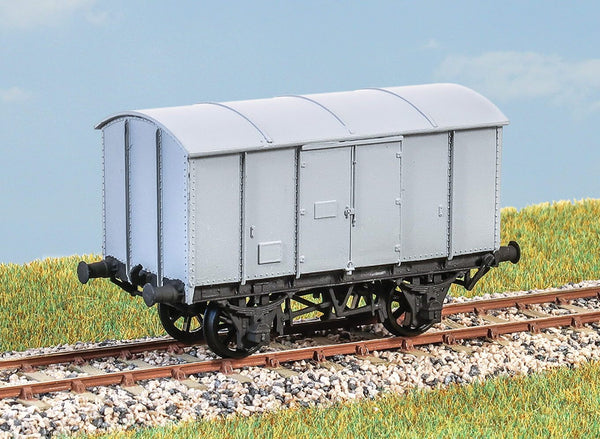
GWR 6ton Insulated Van
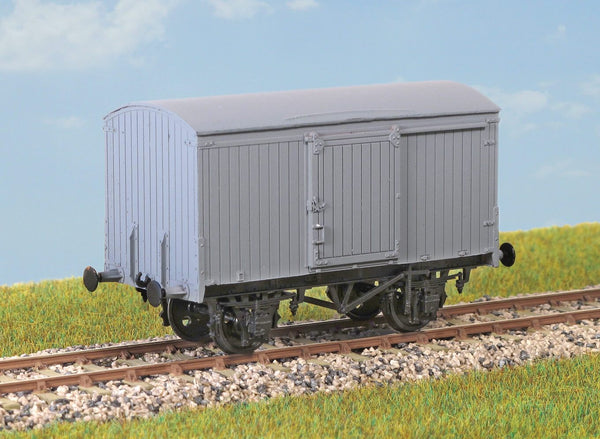
‘Mica B’ X7 These vans were built in 1921 - 1923 to carry fresh or chilled meat. Some vans were converted to TEVANS in the 1930s. Most survived into Nationalisation in 1948 and a few into the early 1960s. These finely moulded plastic wagon kits come complete with pin point axle wheels and bearings. Glue and paint will be required, along with appropriate transfers . Additional parts to enable the vehicle to be modelled incorporating modifications made to the prototypes during their working life are included where appropriate.
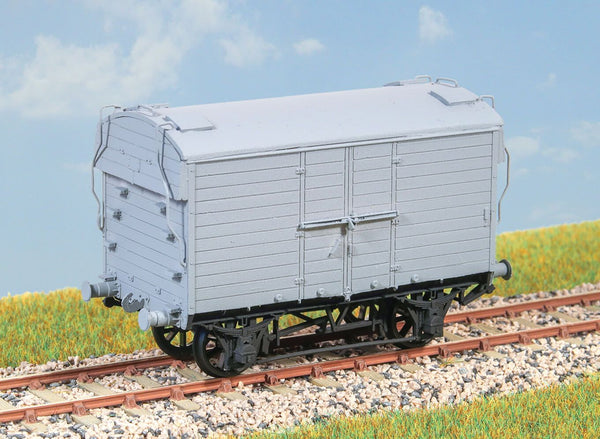
GWR 10ton Goods Van
10 ton Goods Van ‘Mink/Mink A’ V12, V14 and V16 Built between 1907 and 1927. Used for general goods traffic throughout the British railway system. In service until around 1960, later in departmental use. These finely moulded plastic wagon kits come complete with pin point axle wheels and bearings. Glue and paint will be required, along with appropriate transfers. Additional parts to enable the vehicle to be modelled incorporating modifications made to the prototypes during their working life are included where appropriate.
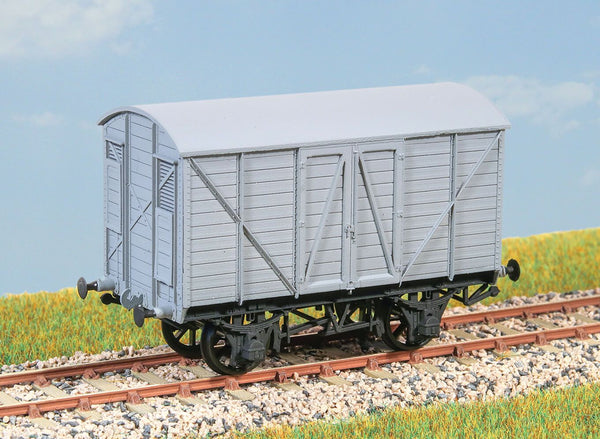
LNER Horse Box Wagon
30 of these horse boxes (diagram 5) were built by the LNER in 1938, mainly to carry racehorses to meetings throughout Britain. Many lasted into the early 1960s. These finely moulded plastic wagon kits come complete with pin point axle wheels and bearings. Glue and paint will be required, along with appropriate transfers. Additional parts to enable the vehicle to be modelled incorporating modifications made to the prototypes during their working life are included where appropriate.
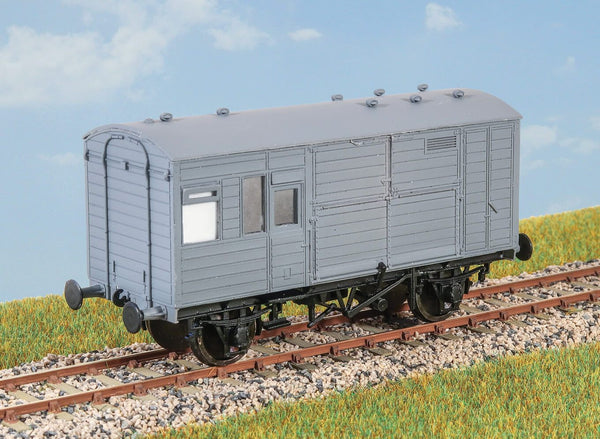
GWR 00 12ton China Clay Wagon
500 of these wagons (diagram O13) were built in 1913. Used for short run traffic in Cornwall and to carry china clay to potteries and paper mills. Final withdrawal took place in the late 1950s. These finely moulded plastic wagon kits come complete with pin point axle wheels and bearings. Glue and paint will be required, along with appropriate transfers. Additional parts to enable the vehicle to be modelled incorporating modifications made to the prototypes during their working life are included where appropriate.
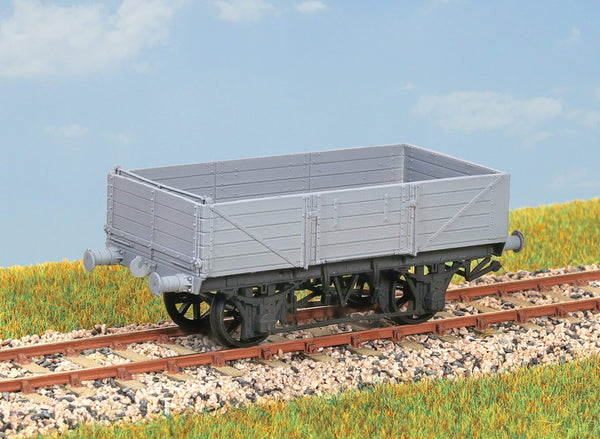
GWR 10ton Open Goods Wagon
(Diagram O11/15) Over 12000 were built between 1909 and 1922. 011 had hand brake only and 015 wagons had the vacuum brake. Examples lasted into the 1950s. These finely moulded plastic wagon kits come complete with pin point axle wheels and bearings. Glue and paint will be required, along with appropriate transfers. Additional parts to enable the vehicle to be modelled incorporating modifications made to the prototypes during their working life are included where appropriate.
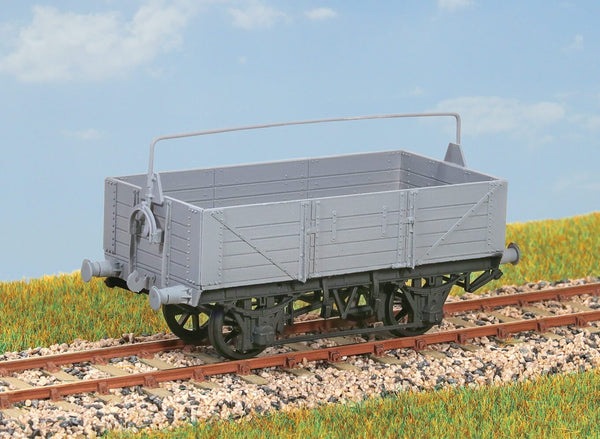
LNER 20ton Hopper Wagon
13,645 of these wagons were built. Features the unique LNER brake gear. Represents the batch of 409 built by Hurst Nelson in 1936. Examples lasted into the 1970s. These finely moulded plastic wagon kits come complete with pin point axle wheels and bearings. Glue and paint will be required, along with appropriate transfers. Additional parts to enable the vehicle to be modelled incorporating modifications made to the prototypes during their working life are included where appropriate.
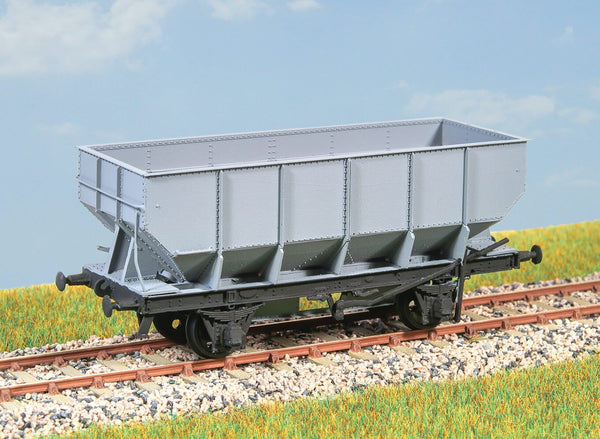
GWR Horse Box Wagon
Diagram N13. 300 of these were built in the 1920s with many lasting into the 1950s and 60s. Seen throughout Britain carrying horses to racecourses and stables, invariably marshalled in passenger or parcel trains. These finely moulded plastic wagon kits come complete with pin point axle wheels and bearings. Glue and paint will be required, along with appropriate transfers. Additional parts to enable the vehicle to be modelled incorporating modifications made to the prototypes during their working life are included where appropriate.
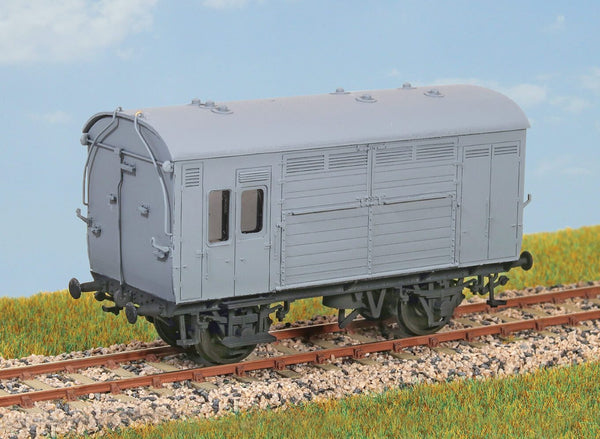
BR 21ton Rebodied Hopper Wagon
21 ton Rebodied Hopper Wagon (Vac. Braked) In the 1970s BR started to put new bodies on hopper wagons built in the 1940s and 1950s. Some ran with vacuum brakes. Examples lasted into the 1990s. These finely moulded plastic wagon kits come complete with pin point axle wheels and bearings. Glue and paint will be required, along with appropriate transfers . Additional parts to enable the vehicle to be modelled incorporating modifications made to the prototypes during their working life are included where appropriate.
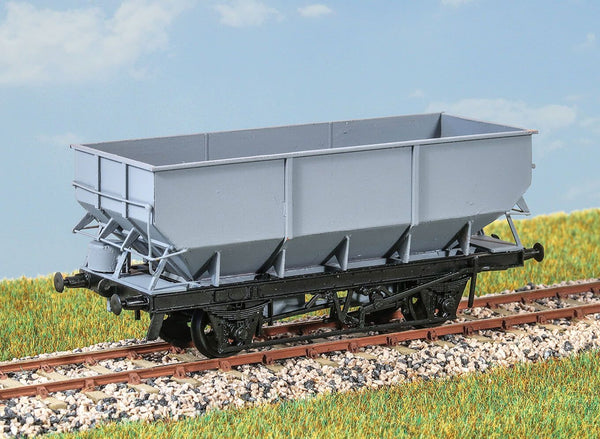
BR 21ton Coal Hopper Wagon
Diagram 1/146. 16,800 were built between 1952 and 1958. They were widely used for coal traffic especially in North East England. Common well into the 1980s. The kit has a choice of roller and oil axleboxes. These finely moulded plastic wagon kits come complete with pin point axle wheels and bearings. Glue and paint will be required, along with appropriate transfers. Additional parts to enable the vehicle to be modelled incorporating modifications made to the prototypes during their working life are included where appropriate.
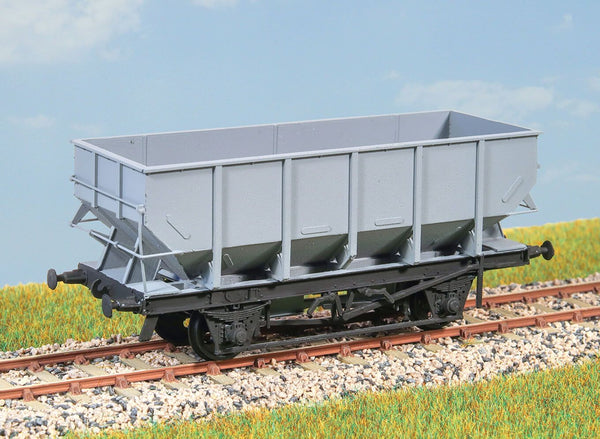
BR Van 'Vanwide' with Air Brake
VEA ex Vanwide (Air Brake and FAT19 Suspension) In the late 1970s several hundred Vanwides were upgraded with air brakes and improved suspension for use in Speedlink trains. Used into the 1990s. These finely moulded plastic wagon kits come complete with pin point axle wheels and bearings. Glue and paint will be required, along with appropriate transfers. Additional parts to enable the vehicle to be modelled incorporating modifications made to the prototypes during their working life are included where appropriate.
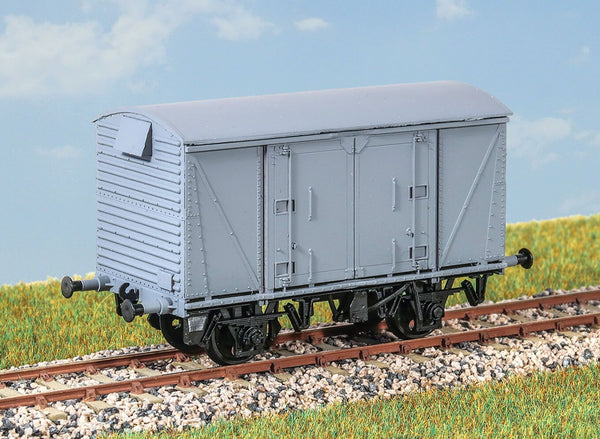
RCH 1923 Design 5 Plank Mineral Wagon
5-plank 12 ton Mineral Wagon (Fixed Ends) RCH 1923 Built in the 1920s to carry roadstone, built to a Charles Robert design with steel sheet floor. Some lasted into the 1960s. These finely moulded plastic wagon kits come complete with pin point axle wheels and bearings. Glue and paint will be required, along with appropriate transfers. Additional parts to enable the vehicle to be modelled incorporating modifications made to the prototypes during their working life are included where appropriate.
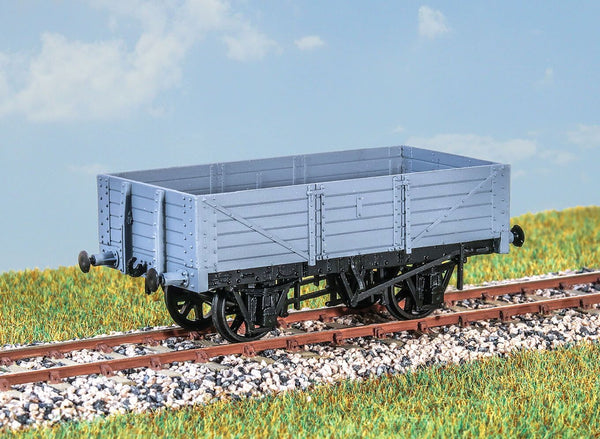
GWR 'Fruit D' Van
This was the final design of the GWR Fruit Van (diagram Y11) of which 50 were built in 1939-1941. More were built by BR in the 1950s and some were in service into the 1970s. These finely moulded plastic wagon kits come complete with pin point axle wheels and bearings. Glue and paint will be required, along with appropriate transfers. Additional parts to enable the vehicle to be modelled incorporating modifications made to the prototypes during their working life are included where appropriate.
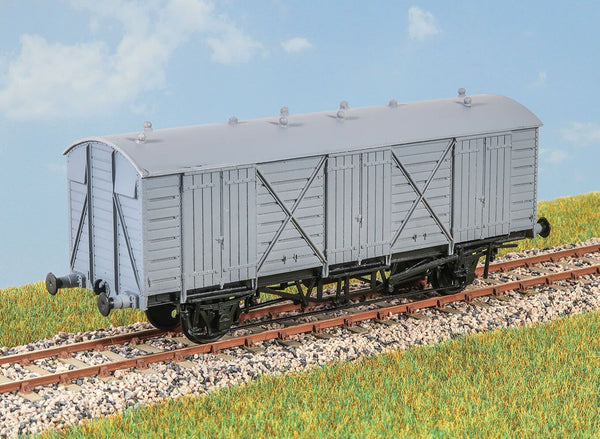
RCH 1923 Design 7 Plank Coal Wagon
7-plank 12 ton Coal Wagon (Fixed Ends) RCH 1923 Thousands of these wagons were built to a standard Railway Clearing House design between the wars, mainly for coal merchants. Latterly in BR stock, they lasted into the early 1960s. These finely moulded plastic wagon kits come complete with pin point axle wheels and bearings. Glue and paint will be required, along with appropriate transfers. Additional parts to enable the vehicle to be modelled incorporating modifications made to the prototypes during their working life are included where appropriate.
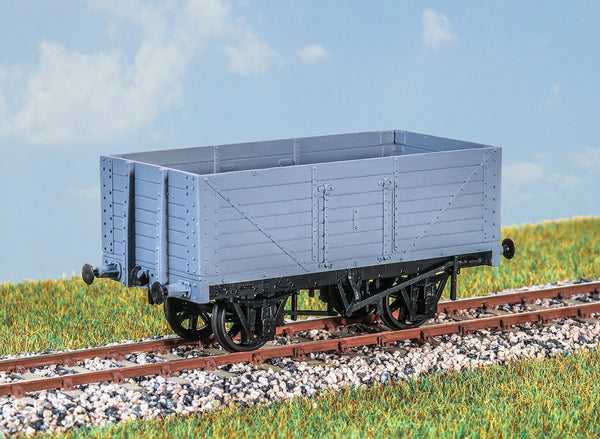
BR Grampus Engineers Wagon
Over 700 of these vacuum braked Grampus (diagram 1/572) were built around 1960 to carry track materials. This kit can also make the air braked Rudd, built from the early 1990s. These finely moulded plastic wagon kits come complete with pin point axle wheels and bearings. Glue and paint will be required, along with appropriate transfers. Additional parts to enable the vehicle to be modelled incorporating modifications made to the prototypes during their working life are included where appropriate.
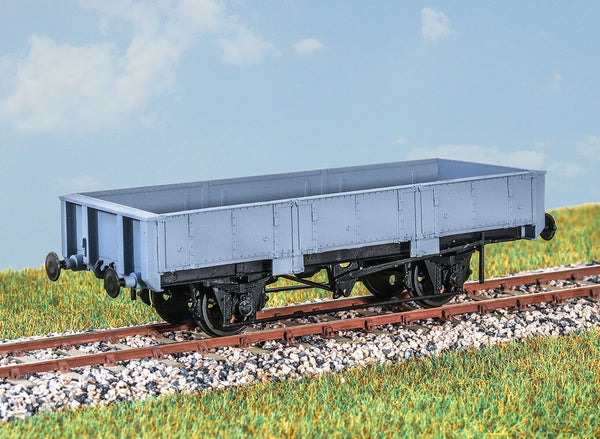
RCH 1923 Design 8 Plank Coal Wagon
8-plank 12 ton Coal Wagon RCH Design 1923 Many thousands of these wagons were built to a standard Railway Clearing House design between the wars, for collieries and coal merchants. Latterly in BR stock, they lasted into the early 1960s. These finely moulded plastic wagon kits come complete with pin point axle wheels and bearings. Glue and paint will be required, along with appropriate transfers. Additional parts to enable the vehicle to be modelled incorporating modifications made to the prototypes during their working life are included where appropriate.
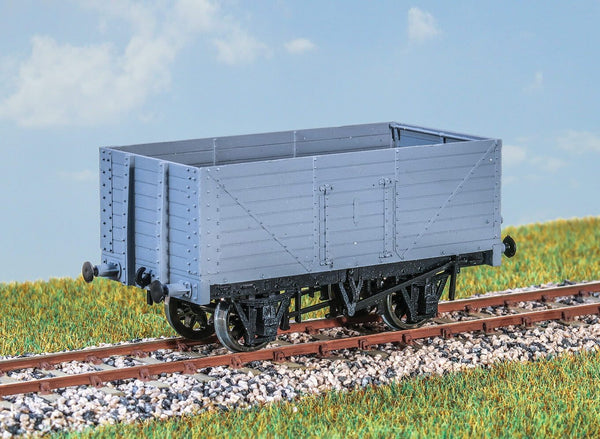
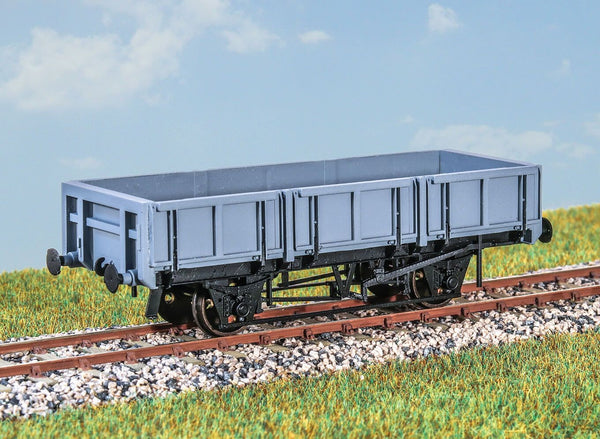
BR Rudd 21ton Ballast Wagon
Built on ex-hopper chassis, these wagons carry mainly waste ballast. Drop side doors are a feature of this design. These finely moulded plastic wagon kits come complete with pin point axle wheels and bearings. Glue and paint will be required, along with appropriate transfers. Additional parts to enable the vehicle to be modelled incorporating modifications made to the prototypes during their working life are included where appropriate.
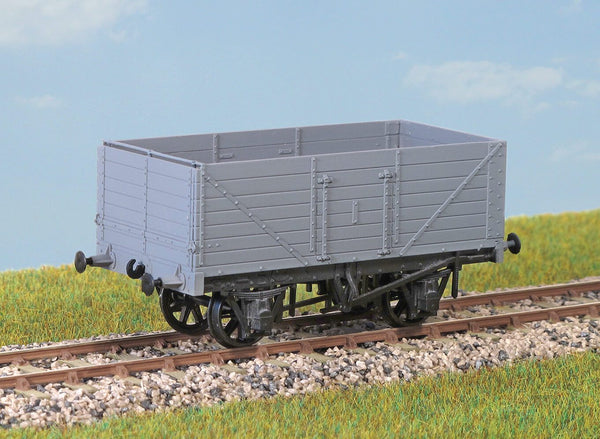
RCH 1923 Design 12ton Coal Wagon
7-plank 12 ton Coal Wagon RCH Design 1923 Many thousands of these wagons were built to a standard Railway Carriage House design between the wars. This type was also used by both the LNER and LMS. Widely used until the early 1960s. These finely moulded plastic wagon kits come complete with pin point axle wheels and bearings. Glue and paint will be required, along with appropriate transfers. Additional parts to enable the vehicle to be modelled incorporating modifications made to the prototypes during their working life are included where appropriate.
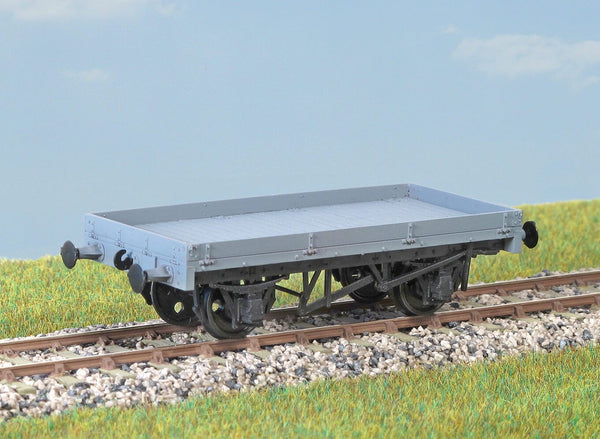
LNER 12ton Low Sided Wagon
Almost 1400 of these wagons (diagram 1/109) were built in the mid to late 1930s, to carry loads such as machinery, packing cases and road vehicles. Examples were in service into the early 1960s. These finely moulded plastic wagon kits come complete with pin point axle wheels and bearings. Glue and paint will be required, along with appropriate transfers. Additional parts to enable the vehicle to be modelled incorporating modifications made to the prototypes during their working life are included where appropriate.
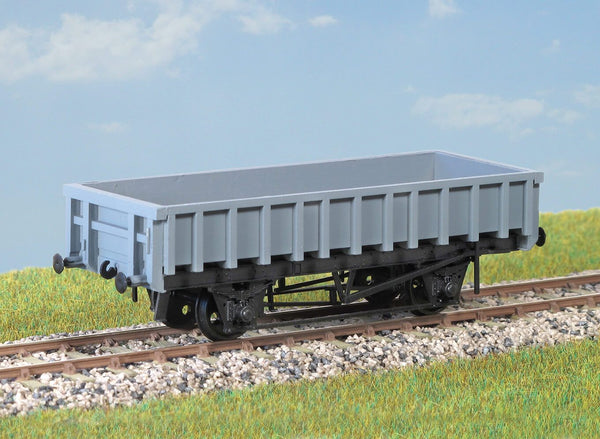
BR 'Clam' 21ton Ballast Wagon
Built 1989-1991 on ex hopper chassis, 400 clam wagons carried mainly waste ballast. These finely moulded plastic wagon kits come complete with pin point axle wheels and bearings. Glue and paint will be required, along with appropriate transfers . Additional parts to enable the vehicle to be modelled incorporating modifications made to the prototypes during their working life are included where appropriate.
BR 12ton Pallet Van
Construction of these vans (diagram 1/211) started in 1952. Their wide doors were designed for loading by fork lift truck. They were withdrawn in the mid 1960s. These finely moulded plastic wagon kits come complete with pin point axle wheels and bearings. Glue and paint will be required, along with appropriate transfers. Additional parts to enable the vehicle to be modelled incorporating modifications made to the prototypes during their working life are included where appropriate.
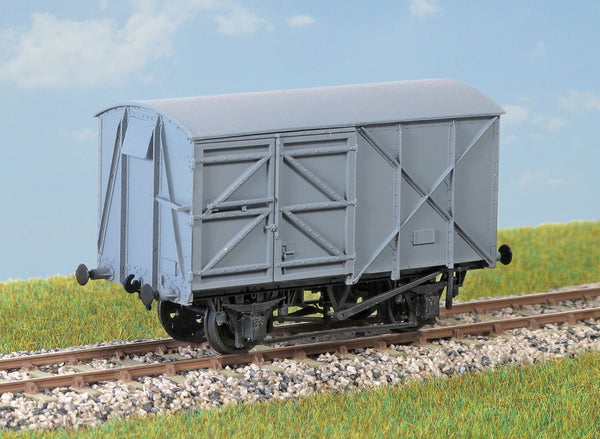
GWR 'Beetle' Prize Cattle Wagon
(Diagram 109) Introduced in the 1920s to carry valuable cattle with their attendants, they were mainly seen on passenger trains until the 1960s. These finely moulded plastic wagon kits come complete with pin point axle wheels and bearings. Glue and paint will be required, along with appropriate transfers. Additional parts to enable the vehicle to be modelled incorporating modifications made to the prototypes during their working life are included where appropriate.
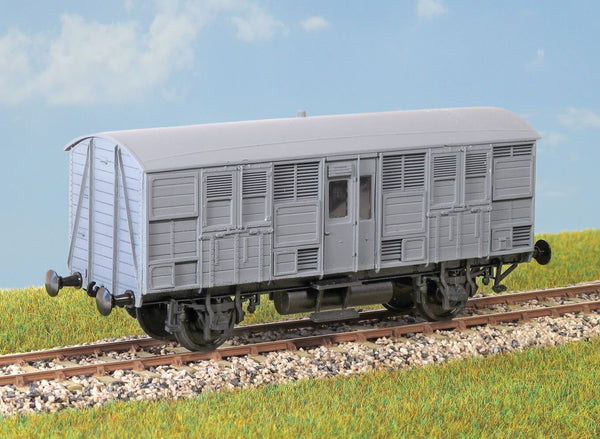
BR 16ton Iron Ore Tippler Wagon
500 of these vans (diagram 1/185) were built in the mid 1930s to carry fruit traffic - comprising soft and hard fruit and flowers - to destinations throughout Britain. These finely moulded plastic wagon kits come complete with pin point axle wheels and bearings. Glue and paint will be required, along with appropriate transfers. Additional parts to enable the vehicle to be modelled incorporating modifications made to the prototypes during their working life are included where appropriate.
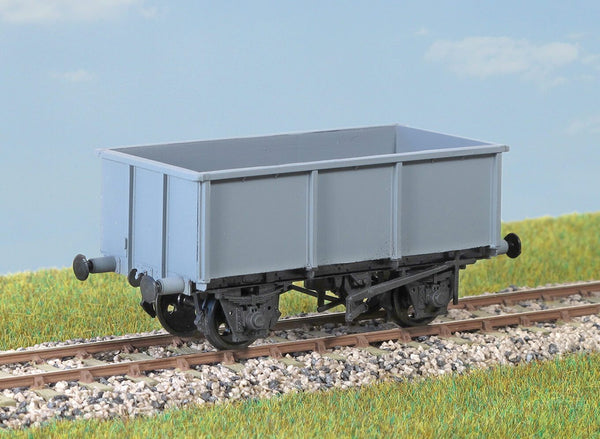
LNER 12ton Fruit Van
500 of these vans (diagram 106) were built in the mid 1930s to carry fruit traffic - comprising soft and hard fruit and flowers - to destinations throughout Britain. These finely moulded plastic wagon kits come complete with pin point axle wheels and bearings. Glue and paint will be required, along with appropriate transfers. Additional parts to enable the vehicle to be modelled incorporating modifications made to the prototypes during their working life are included where appropriate.
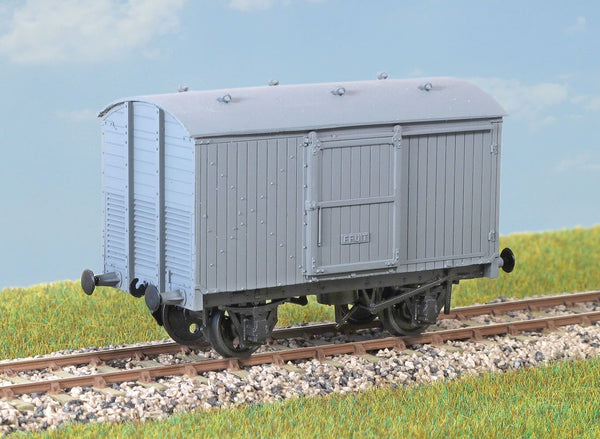
LNER 12ton Goods Van
Over 2000 of these vans (diagram 94) were built in the mid 1930s for general goods traffic. Many lasted into the mid 1960s. These finely moulded plastic wagon kits come complete with pin point axle wheels and bearings. Glue and paint will be required, along with appropriate transfers. Additional parts to enable the vehicle to be modelled incorporating modifications made to the prototypes during their working life are included where appropriate.
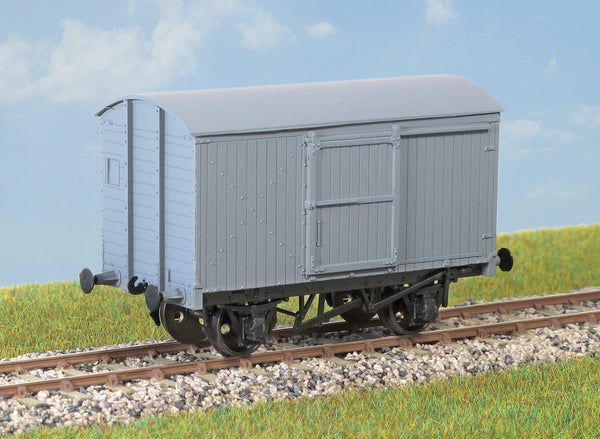
BR Ale Pallet Wagon
The mid 1960s saw a small fleet of these (diagram 1/028) rebuilt from tube wagons to carry beer casks between breweries and distribution depots. Traffic ended in the late 70s but some survived as barrier wagons. These finely moulded plastic wagon kits come complete with pin point axle wheels and bearings. Glue and paint will be required, along with appropriate transfers. Additional parts to enable the vehicle to be modelled incorporating modifications made to the prototypes during their working life are included where appropriate.
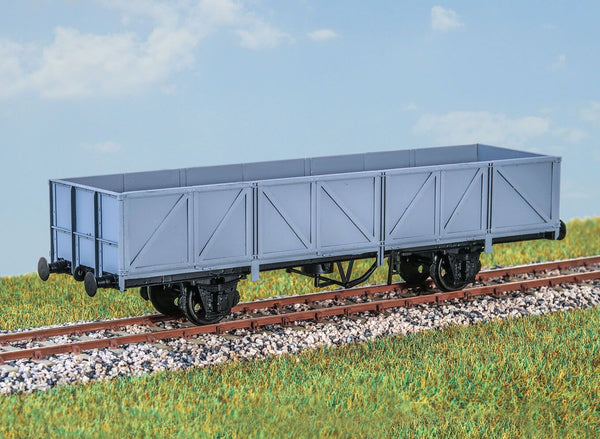
LMS 6ton Fish Wagon
75 of these vans (diagram 2059) were built in 1941 for express fish traffic. They were usually marshalled in fish or passenger trains. Most lasted into the middle 1960s. These finely moulded plastic wagon kits come complete with pin point axle wheels and bearings. Glue and paint will be required, along with appropriate transfers. Additional parts to enable the vehicle to be modelled incorporating modifications made to the prototypes during their working life are included where appropriate.