


BROWSE PECO PRODUCTS
Browse through our complete product portfolio.
504 Products Found
Private Owner Grain Wagon
Built in the 1920s, these vehicles carried grain to distilleries, breweries and flour mills. Examples of these interesting wagons lasted in service until as late as 1970. These finely moulded plastic wagon kits come complete with pin point axle wheels and bearings. Glue and paint will be required, along with appropriate transfers . Additional parts to enable the vehicle to be modelled incorporating modifications made to the prototypes during their working life are included where appropriate.
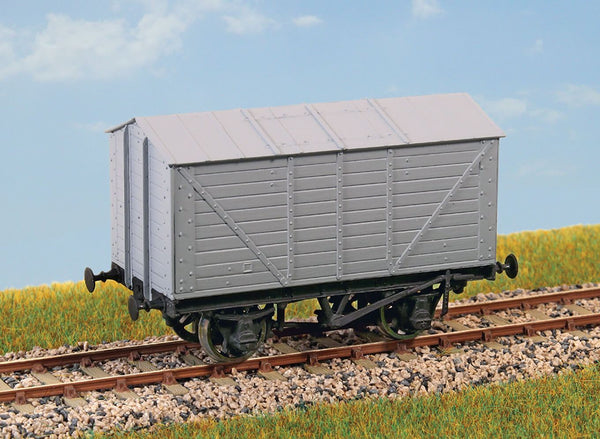
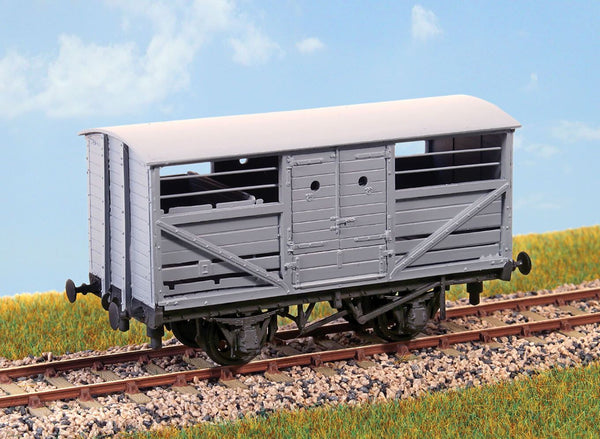
LNER Standard Cattle Truck
For over 100 years the cattle truck was an integral part of the British railway scene. Our model is of the standard LNER cattle truck (diagram 39) introduced in the 1920s and surviving into BR ownership.These finely moulded plastic wagon kits come complete with pin point axle wheels and bearings. Glue and paint will be required, along with appropriate transfers. Additional parts to enable the vehicle to be modelled incorporating modifications made to the prototypes during their working life are included where appropriate.
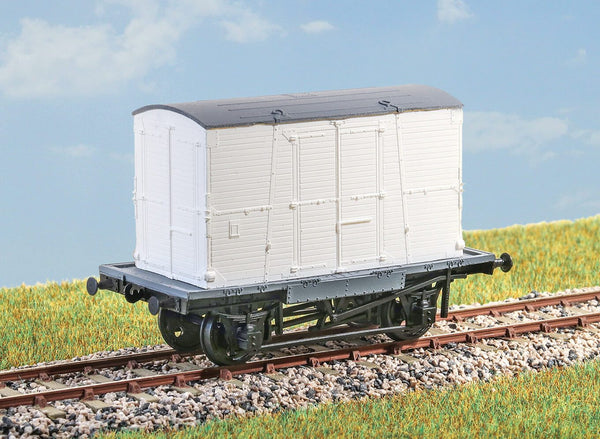
BR Conflat Container Wagon
4500 of these wagons (diagram 1/067) were built in 1955/56 purely to carry containers. The FM carried frozen meat and was widely used in the 1950s and 1960s. These finely moulded plastic wagon kits come complete with pin point axle wheels and bearings. Glue and paint will be required, along with appropriate transfers. Additional parts to enable the vehicle to be modelled incorporating modifications made to the prototypes during their working life are included where appropriate.
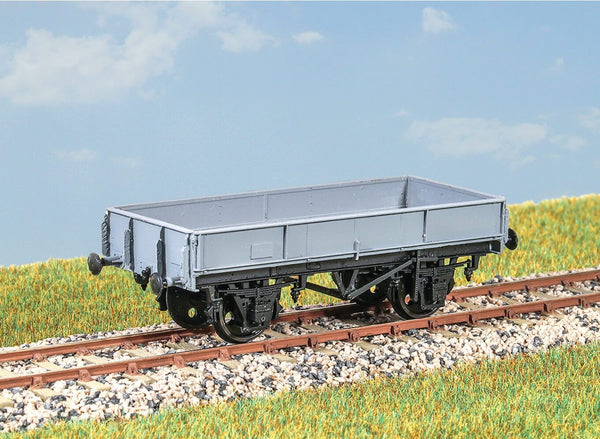
BR 13ton Medium Goods Wagon
(Diagram 1/019) 4000 were built in 1950-55 to carry such loads as farm machinery and containers. In the 60s they had a second lease of life as Civil Engineers’ ballast wagons. Withdrawn in 1970s/80s.
These finely moulded plastic wagon kits come complete with pin point axle wheels and bearings. Glue and paint will be required, along with appropriate transfers. Additional parts to enable the vehicle to be modelled incorporating modifications made to the prototypes during their working life are included where appropriate.
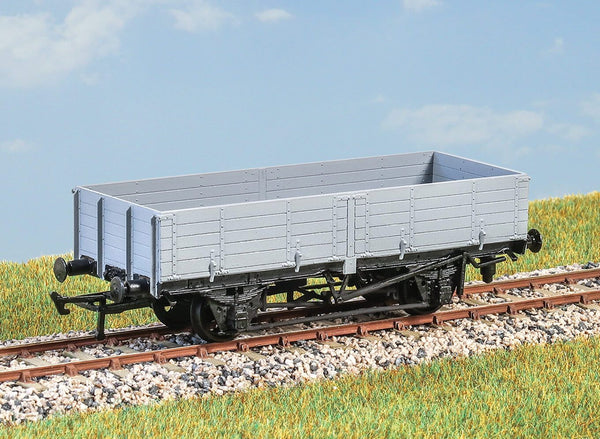
BR 12ton Pipe Wagon
Introduced in 1949 to an LMS design, 800 of these wagons (diagram 1/460) carried large diameter pipes for the construction industry. Withdrawn in the early 1980s. These finely moulded plastic wagon kits come complete with pin point axle wheels and bearings. Glue and paint will be required, along with appropriate transfers. Additional parts to enable the vehicle to be modelled incorporating modifications made to the prototypes during their working life are included where appropriate.
BR 12ton Fruit Van
200 of these vans (diagram 1/230) were built in 1949 for fruit, vegetable and flower traffic. Many survived until the mid 1970s. This van can easily be converted to an LMS (D2112) goods van of 1944. These finely moulded plastic wagon kits come complete with pin point axle wheels and bearings. Glue and paint will be required, along with appropriate transfers. Additional parts to enable the vehicle to be modelled incorporating modifications made to the prototypes during their working life are included where appropriate.
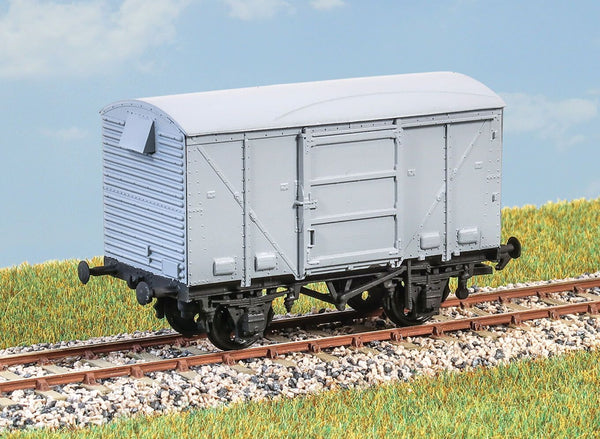
BR 12ton Van
In 1962, 1994 of these vans (diagram 1/217) were built. They have extra wide doors to allow fork lift trucks to handle loading. Some were converted to air brake operation. These finely moulded plastic wagon kits come complete with pin point axle wheels and bearings. Glue and paint will be required, along with appropriate transfers. Additional parts to enable the vehicle to be modelled incorporating modifications made to the prototypes during their working life are included where appropriate.
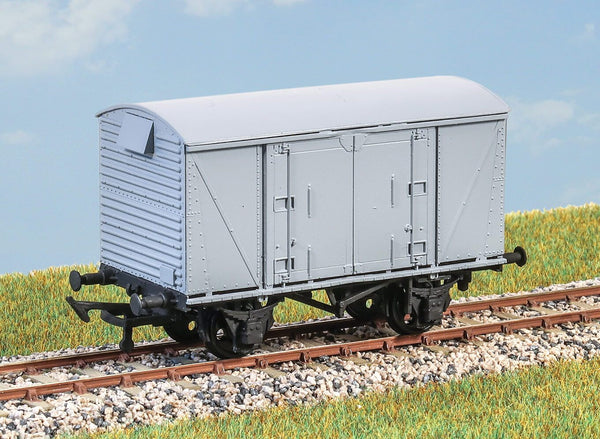
LNER Conflat Container Wagon
With DX Open Container (diagram 104) The standard LNER container wagon from the mid 1930s. In service until 1970. Open containers were widely used until the early 1960s. These finely moulded plastic wagon kits come complete with pin point axle wheels and bearings. Glue and paint will be required, along with appropriate transfers. Additional parts to enable the vehicle to be modelled incorporating modifications made to the prototypes during their working life are included where appropriate.
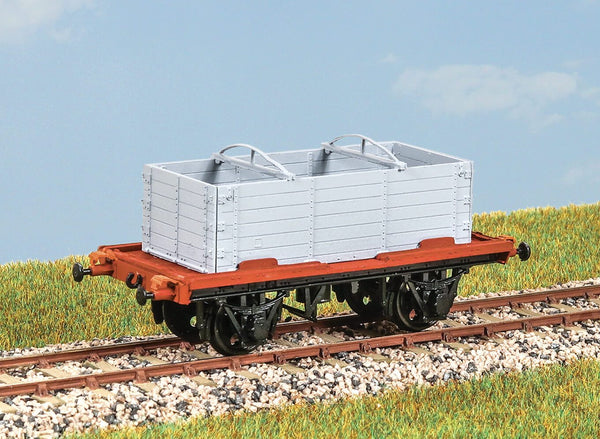
BR 21ton Mineral Wagon
(Rebuilt 1977) This vehicle represents the end of the evolution of the classic British coal wagon. Introduced in 1977, using spare chassis, 947 were built and used chiefly for industrial coal traffic.These finely moulded plastic wagon kits come complete with pin point axle wheels and bearings. Glue and paint will be required, along with appropriate transfers. Additional parts to enable the vehicle to be modelled incorporating modifications made to the prototypes during their working life are included where appropriate.
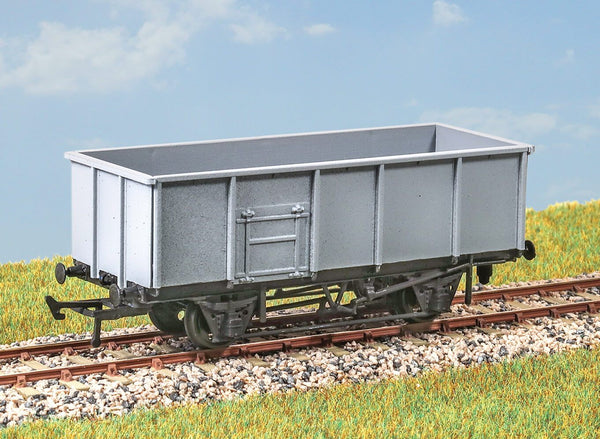
LNER 21ton Loco Coal Wagon
Constructed in the late 1930s, these were a standard design of loco coal wagon (diagram 207). In the 1950s, they were used for general coal traffic and were finally withdrawn in the mid 1960s.
These finely moulded plastic wagon kits come complete with pin point axle wheels and bearings. Glue and paint will be required, along with appropriate transfers. Additional parts to enable the vehicle to be modelled incorporating modifications made to the prototypes during their working life are included where appropriate.
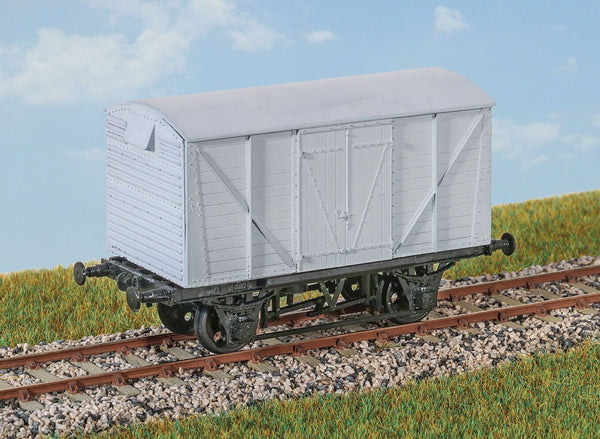
BR Shock Absorbing Wagon
Introduced 1953 - 1956, these vans (diagram 1/209) carried fragile traffics such as biscuits, whisky and china and lasted in service until the late 1970s. These finely moulded plastic wagon kits come complete with pin point axle wheels and bearings. Glue and paint will be required, along with appropriate transfers. Additional parts to enable the vehicle to be modelled incorporating modifications made to the prototypes during their working life are included where appropriate.
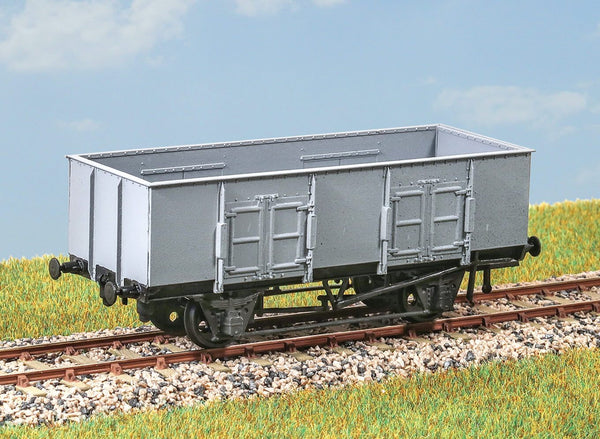
BR Shock Absorbing Open Wagon
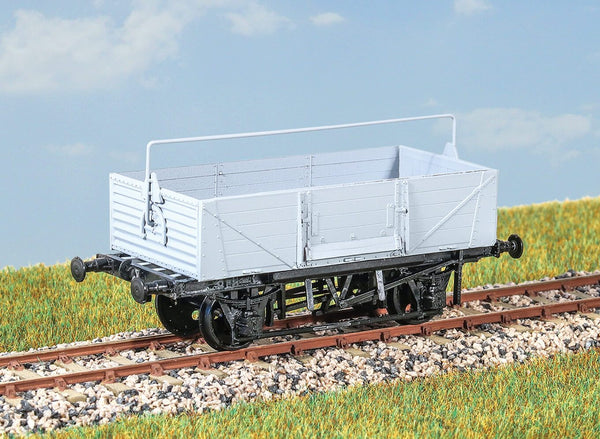
Introduced 1955-1958, these wagons (diagram 1/050) carried fragile traffic from earthenware pipes to whisky barrels. Our model features adjustable body and tarpaulin rail. These finely moulded plastic wagon kits come complete with pin point axle wheels and bearings. Glue and paint will be required, along with appropriate transfers. Additional parts to enable the vehicle to be modelled incorporating modifications made to the prototypes during their working life are included where appropriate.