

DURCHSUCHEN SIE PECO-PRODUKTE
Stöbern Sie durch unser komplettes Produktportfolio.
128 Products Found
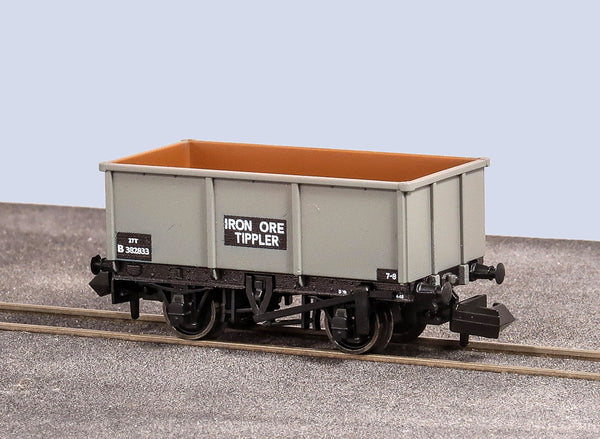
BR Iron Ore Tippler, Civil Engineers "Dutch"
Built in the 1950's these 35t GLW (Gross Laden Weight) wagons served the railways for many years transporting iron ore from British iron ore mines for steel production. As that traffic ended, so the wagons found plenty of other uses especially with the BR Civil Engineers department and many lasted into the 1980's as a result. This bauxite liveried example represents the wagon in its original brake-fitted condition, as opposed to the unbraked grey livery version, although to be fair it would never have been so clean! An ideal weathering project for the modeller! 
Produced from new tooling, fine moulded detail, sharp printing, free running metal-tyred wheels and removable couplers are the key features of our new models. But best of all, they represent excellent value for money when compared to the competition, and all made in the UK.
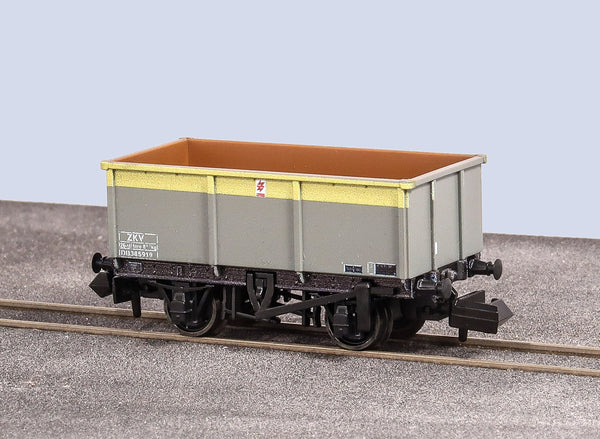
BR Iron Ore Tippler, Fitted, Bauxite
Built in the 1950's these 35t GLW (Gross Laden Weight) wagons served the railways for many years transporting iron ore from British iron ore mines for steel production. As that traffic ended, so the wagons found plenty of other uses especially with the BR Civil Engineers department and many lasted into the 1980's as a result. This bauxite liveried example represents the wagon in its original brake-fitted condition, as opposed to the unbraked grey livery version, although to be fair it would never have been so clean! An ideal weathering project for the modeller! 
Produced from new tooling, fine moulded detail, sharp printing, free running metal-tyred wheels and removable couplers are the key features of our new models. But best of all, they represent excellent value for money when compared to the competition, and all made in the UK.
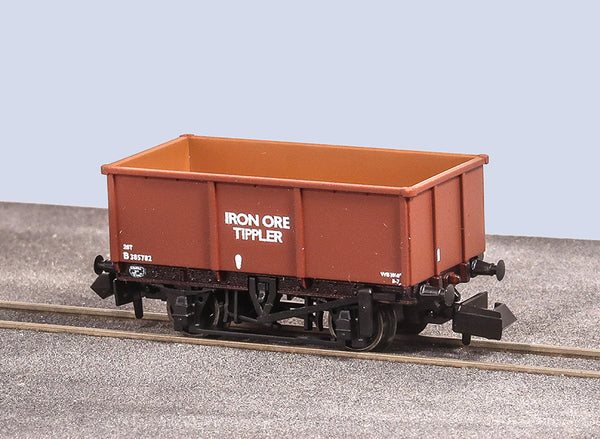
BR Iron Ore Tippler, Unfitted Grey
Built in the 1950's these 35t GLW (Gross Laden Weight) wagons served the railways for many years transporting iron ore from British iron ore mines for steel production. As that traffic ended, so the wagons found plenty of other uses especially with the BR Civil Engineers department and many lasted into the 1980's as a result. This bauxite liveried example represents the wagon in its original brake-fitted condition, as opposed to the unbraked grey livery version, although to be fair it would never have been so clean! An ideal weathering project for the modeller! 
Produced from new tooling, fine moulded detail, sharp printing, free running metal-tyred wheels and removable couplers are the key features of our new models. But best of all, they represent excellent value for money when compared to the competition, and all made in the UK.
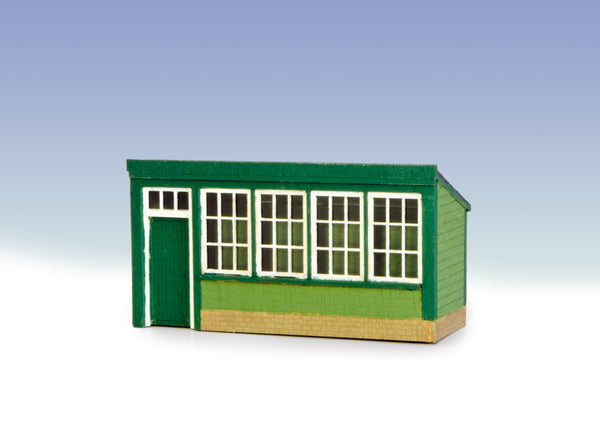
WHL Platform Shelter
The NEW West Highland Line Platform Shelter Laser-Cut Kit
The NEW West Highland laser-cut wood kits, all based on buildings on the existing West Highland Line extension between Fort William and Mallaig in Scotland. In fact Arisaig station was the inspiration for these attractive models, a delightful station on a very scenic and popular route, famous for many reasons but likely to be moist memorable for its role in the Harry Potter films. It is a route that has become a firm favourite with modellers so these kits will certainly be welcomed by many and be the inspiration for a number of new layout builds for sure.
Built by the North British Railway, the West Highland Line travelled through a stunning part of the country and soon became popular with tourists as well as providing an essential link to the outside world from the sparsely populated Highland areas. The station buildings are particularly attractive and our kit of the station at Arisaig personifies that appealing design.
WHL Station Building
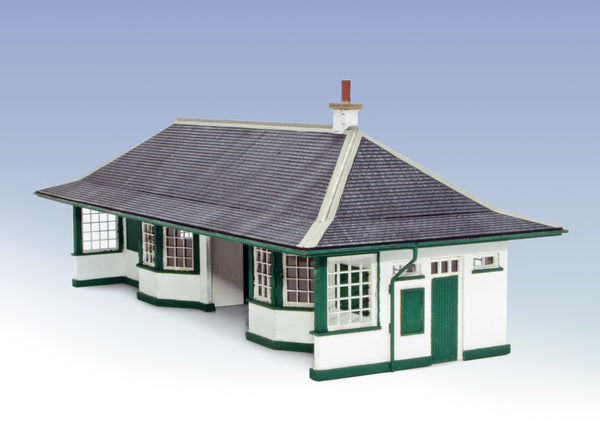
The NEW West Highland Line Station Building Laser-Cut Kit
The NEW West Highland laser-cut wood kits, all based on buildings on the existing West Highland Line extension between Fort William and Mallaig in Scotland. In fact Arisaig station was the inspiration for these attractive models, a delightful station on a very scenic and popular route, famous for many reasons but likely to be moist memorable for its role in the Harry Potter films. It is a route that has become a firm favourite with modellers so these kits will certainly be welcomed by many and be the inspiration for a number of new layout builds for sure.
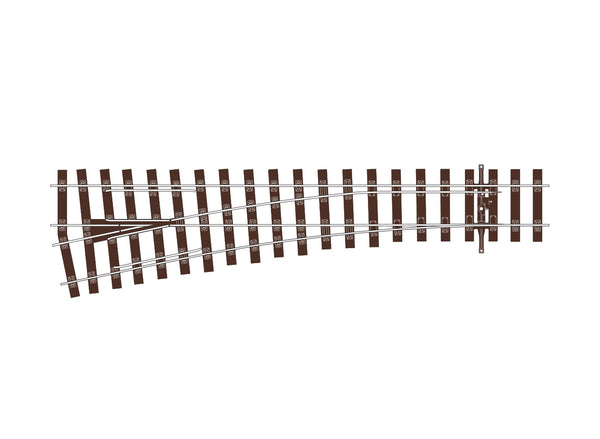
OO Bullhead Medium Radius Turnout - Left Hand
The PECO Streamline OO Bullhead track range has shaped up to be a very comprehensive system comprising flexible track, bullhead joiners, buffer stop, large radius and medium radius turnouts , a crossing and two slips. There's enough there already for modellers to build a truly authentic steam to diesel transition period layout.
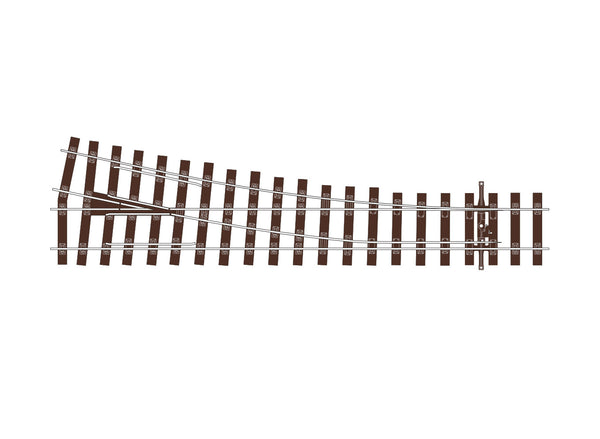
OO Bullhead Medium Radius Turnout - Right Hand
The PECO Streamline OO Bullhead track range has shaped up to be a very comprehensive system comprising flexible track, bullhead joiners, buffer stop, large radius and medium radius turnouts , a crossing and two slips. There's enough there already for modellers to build a truly authentic steam to diesel transition period layout.
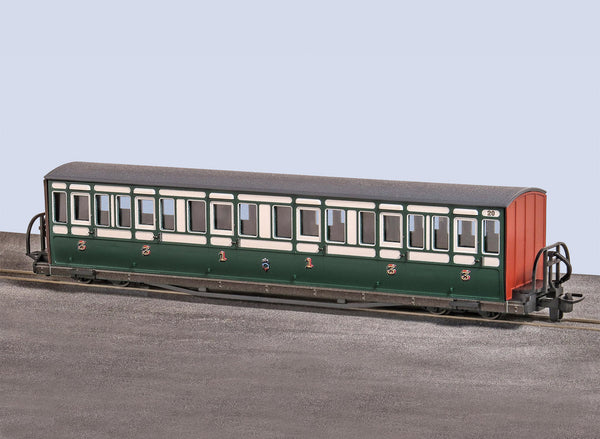
FR Short 'Bowsider' Bogie Coach - Early Preservation - Green 20
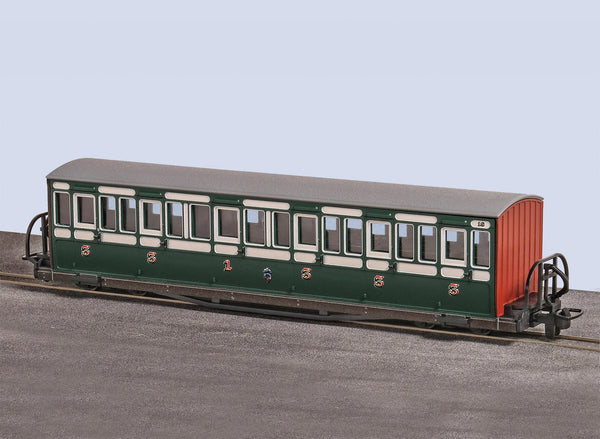
FR Short 'Bowsider' Bogie Coach - Early Preservation - Green 18
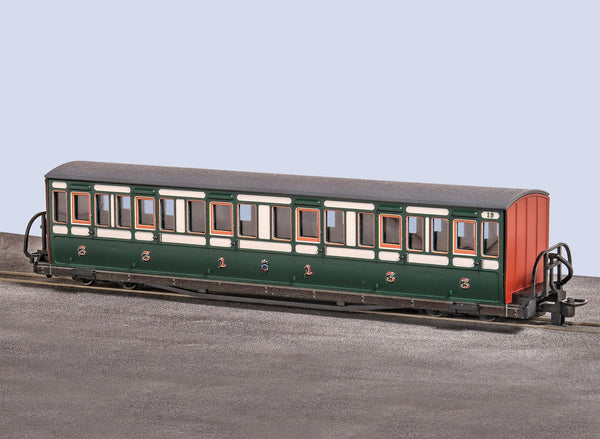
FR Short 'Bowsider' Bogie Coach - Early Preservation - Green 19
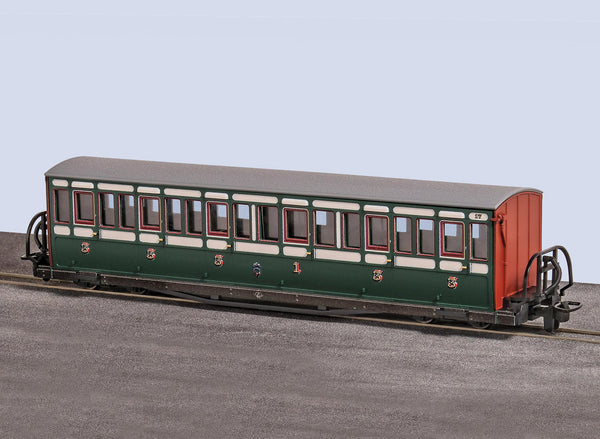
FR Short 'Bowsider' Bogie Coach - Early Preservation - Green 17
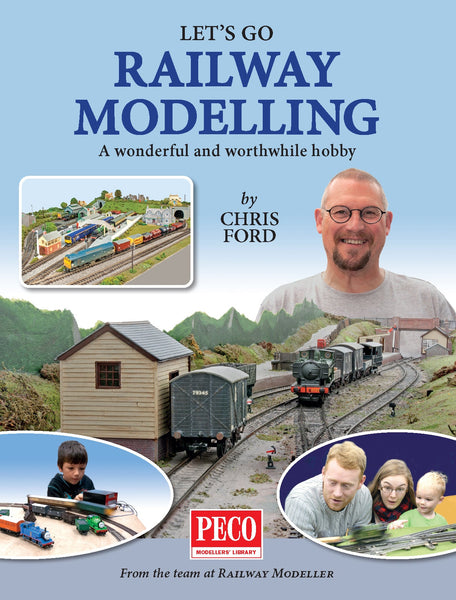
Let's Go Railway Modelling (NEW 2023)
 
Enter the wonderful world of railway modelling and explore this charming and worthwhile hobby, with modelling enthusiast Chris Ford.
Railway modelling is a lifestyle hobby enjoyed by millions of people from all walks of life, including famous stars like Sir Rod Stewart, Jools Holland, Pete Waterman and even Hollywood A-listers such as Tom Hanks. As a mainstream leisure activity, it encompasses a huge array of artistic, creative and technical aptitudes. It is incredibly rewarding and fulfilling, a great way to learn lots of new skills, and can be enjoyed equally at home or by participating in a local club or group. But knowing where to begin and how to navigate one’s way through the myriad of wondrous things the hobby offers can often be overwhelming to both newcomers and experienced modellers alike.
Hence, this brand new publication which takes a candid and sometimes humorous look at the hobby today, guiding the reader through the multitude of options and choices with which he or she is faced. From what size of models to choose? Where to house a layout in the home? What controllers do I use? Where to get more advice? Should I join a club? In fact, all the information one needs to integrate this ever-fascinating hobby into one’s busy life and including examples of many inspirational model railways built by hobbyists of all persuasions.
The author, Chris Ford, is a lifelong enthusiast who has built layouts in various scales and gauges and is a frequent contributor to Railway Modeller.