

DURCHSUCHEN SIE PECO-PRODUKTE
Stöbern Sie durch unser komplettes Produktportfolio.
2175 Products Found
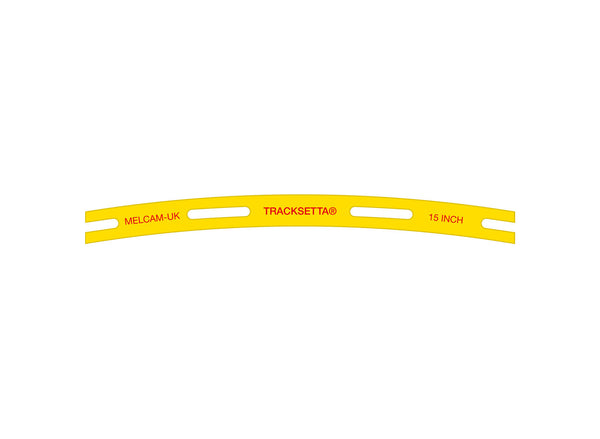
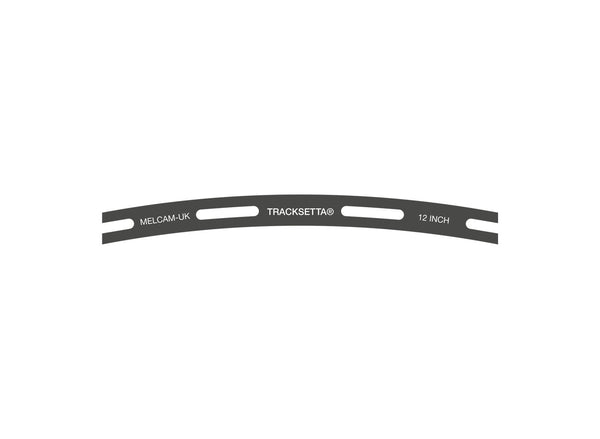
Vorlage 9" Radius
Mit Tracksetta können Sie sicherstellen, dass Ihre Geraden wirklich gerade und Ihre Kurven glatt sind, ohne Knicke oder plötzliche Richtungsänderungen, die Entgleisungen unvermeidlich machen. Diese einfachen, aber effektiven Werkzeuge sind eine lohnende Investition, da eine gut verlegte Strecke für einen zuverlässigen Betrieb unerlässlich ist.
Vorlage 9" Radius
Mit Tracksetta können Sie sicherstellen, dass Ihre Geraden wirklich gerade und Ihre Kurven glatt sind, ohne Knicke oder plötzliche Richtungsänderungen, die Entgleisungen unvermeidlich machen. Diese einfachen, aber effektiven Werkzeuge sind eine lohnende Investition, da eine gut verlegte Strecke für einen zuverlässigen Betrieb unerlässlich ist.
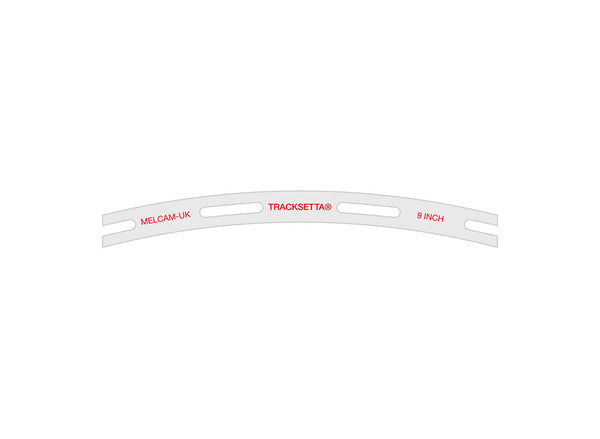
Vorlage 9" Radius
Mit Tracksetta können Sie sicherstellen, dass Ihre Geraden wirklich gerade und Ihre Kurven glatt sind, ohne Knicke oder plötzliche Richtungsänderungen, die Entgleisungen unvermeidlich machen. Diese einfachen, aber effektiven Werkzeuge sind eine lohnende Investition, da eine gut verlegte Strecke für einen zuverlässigen Betrieb unerlässlich ist.
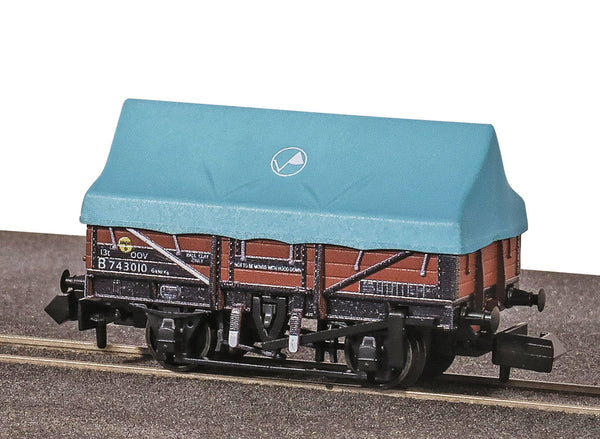
NEW China Clay Hood Wagon, OOV B743010
Alle Eisenbahnunternehmen verfügten über einen eigenen Bestand an Fahrzeugen für den Transport von Gütern und Gütern innerhalb ihres Streckennetzes und bei Bedarf auch auf die Strecken anderer Unternehmen. Diese wurden bei der Verstaatlichung in die British Railways integriert; Einige von ihnen sollten im Zuge der Sektorisierung noch einmal neu gestaltet werden, da das Netzwerk darauf vorbereitet war, wieder in Privatbesitz überzugehen. Alle Peco-Wagen verfügen über freilaufende Räder mit Steckachsen. Die ELC-Kupplung ist zwar mit den Standard-N-Spur-Kupplungen kompatibel, sorgt jedoch für einen realistischen Abstand zwischen den Fahrzeugen und ermöglicht die Verwendung des elektromagnetischen Entkopplers PL-25 zum Fernabkuppeln.
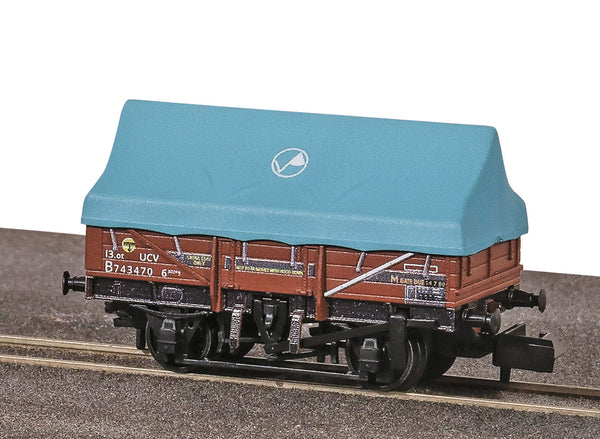
NEW China Clay Hood Wagon, UCV B743470, Bauxite
Alle Eisenbahnunternehmen verfügten über einen eigenen Bestand an Fahrzeugen für den Transport von Gütern und Gütern innerhalb ihres Streckennetzes und bei Bedarf auch auf die Strecken anderer Unternehmen. Diese wurden bei der Verstaatlichung in die British Railways integriert; Einige von ihnen sollten im Zuge der Sektorisierung noch einmal neu gestaltet werden, da das Netzwerk darauf vorbereitet war, wieder in Privatbesitz überzugehen. Alle Peco-Wagen verfügen über freilaufende Räder mit Steckachsen. Die ELC-Kupplung ist zwar mit den Standard-N-Spur-Kupplungen kompatibel, sorgt jedoch für einen realistischen Abstand zwischen den Fahrzeugen und ermöglicht die Verwendung des elektromagnetischen Entkopplers PL-25 zum Fernabkuppeln.
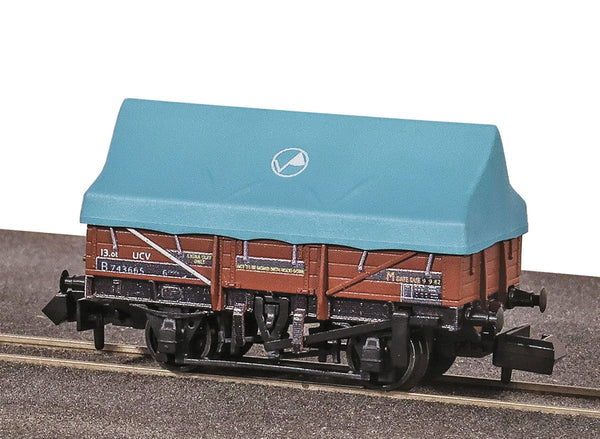
NEW China Clay Hood Wagon, UCV B743665, Bauxite
Alle Eisenbahnunternehmen verfügten über einen eigenen Bestand an Fahrzeugen für den Transport von Gütern und Gütern innerhalb ihres Streckennetzes und bei Bedarf auch auf die Strecken anderer Unternehmen. Diese wurden bei der Verstaatlichung in die British Railways integriert; Einige von ihnen sollten im Zuge der Sektorisierung noch einmal neu gestaltet werden, da das Netzwerk darauf vorbereitet war, wieder in Privatbesitz überzugehen. Alle Peco-Wagen verfügen über freilaufende Räder mit Steckachsen. Die ELC-Kupplung ist zwar mit den Standard-N-Spur-Kupplungen kompatibel, sorgt jedoch für einen realistischen Abstand zwischen den Fahrzeugen und ermöglicht die Verwendung des elektromagnetischen Entkopplers PL-25 zum Fernabkuppeln.
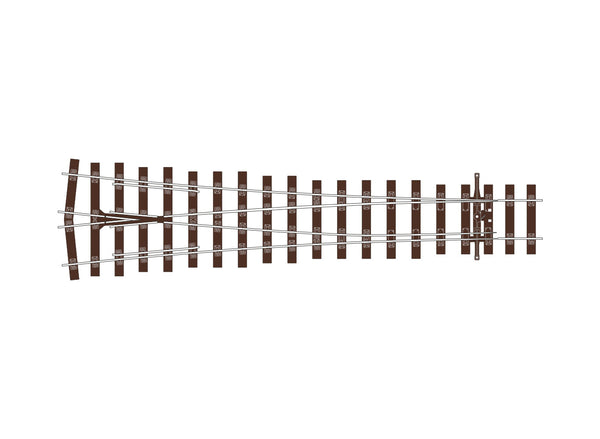
OO Bullhead Large Radius Y Turnout
The PECO Streamline OO Bullhead track range has shaped up to be a very comprehensive system comprising flexible track, bullhead joiners, buffer stop, large radius, medium radius turnout, a crossing, double & single slips and now Y turnouts. There's enough there already for modellers to build a truly authentic steam-to-diesel transition period layout.
- PECO Streamline OO Bullhead Large Radius Y Turnout, Unifrog
- Shares the same geometry as the existing Streamline Code 100, 75 flat bottom tracks systems
- Compatible with existing Bullhead system
- Uses standard SL-110 Code 75 rail joiner or the SL-114 Bullhead rail joiner
- Length 220mm, 8.7 inches
- Radius 1829mm, 72 inches
- Frog angle 12 degrees
- Unifrog
- High quality nickel silver rail for all rail parts, for optimal electrical conductivity
- One-piece machined point blade
- Over-centre spring to lock the point blade in place
- An excellent track component where space restrictions prevent standard turnouts being used, such as in a goods yard.
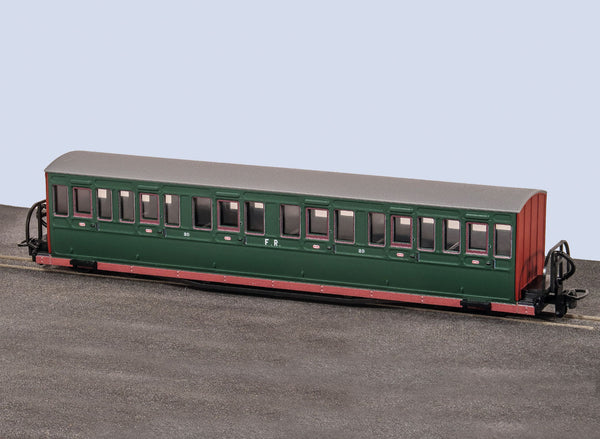
FR Long 'Bowsider' Coach - Colonel Stephens No.20
The Ffestiniog Railway operated two pairs of bogie coaches numbered 17-20 and built by Brown Marshalls & Co and Gloucester Wagon Co. They were known as ‘Bowsiders’ because of the tumblehome shape of their sides. Numbers 17 and 18, built in 1876 are shorter with one 1st class compartment. Numbers 19 and 20, built in 1879 are longer with two 1st class compartments. All four are still in service on the Ffestiniog Railway today.
In the 1920s the elaborate liveries of the Victorian era were replaced with a simple scheme of green with red end panels. It became known as the ‘Colonel Stephens’ livery, after the General Manager of the Ffestiniog Railway from 1925 until his passing in 1931. The colour scheme was used until the end of passenger operations in 1939, sometimes alongside other colours such as yellow, in the mid 1930s.
Green with red ends was applied to carriage No.20 once again from 2005 until 2024, as depicted by GR-623B.
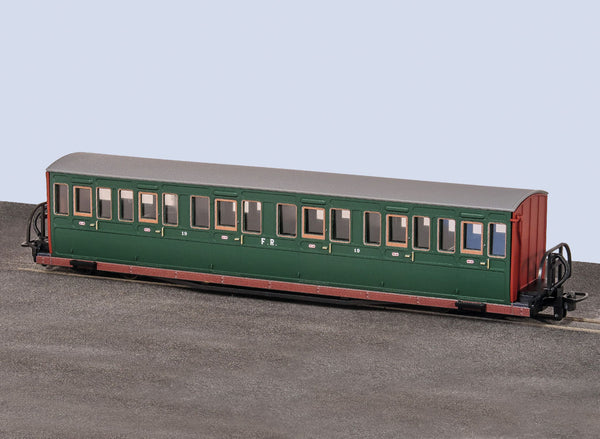
FR Long 'Bowsider' Coach - Colonel Stephens No.19
The Ffestiniog Railway operated two pairs of bogie coaches numbered 17-20 and built by Brown Marshalls & Co and Gloucester Wagon Co. They were known as ‘Bowsiders’ because of the tumblehome shape of their sides. Numbers 17 and 18, built in 1876 are shorter with one 1st class compartment. Numbers 19 and 20, built in 1879 are longer with two 1st class compartments. All four are still in service on the Ffestiniog Railway today.
In the 1920s the elaborate liveries of the Victorian era were replaced with a simple scheme of green with red end panels. It became known as the ‘Colonel Stephens’ livery, after the General Manager of the Ffestiniog Railway from 1925 until his passing in 1931. The colour scheme was used until the end of passenger operations in 1939, sometimes alongside other colours such as yellow, in the mid 1930s.
Green with red ends was applied to carriage No.20 once again from 2005 until 2024, as depicted by GR-623B.
FR Short 'Bowsider' Coach - Colonel Stephens No.18
The Ffestiniog Railway operated two pairs of bogie coaches numbered 17-20 and built by Brown Marshalls & Co and Gloucester Wagon Co. They were known as ‘Bowsiders’ because of the tumblehome shape of their sides. Numbers 17 and 18, built in 1876 are shorter with one 1st class compartment. Numbers 19 and 20, built in 1879 are longer with two 1st class compartments. All four are still in service on the Ffestiniog Railway today.
In the 1920s the elaborate liveries of the Victorian era were replaced with a simple scheme of green with red end panels. It became known as the ‘Colonel Stephens’ livery, after the General Manager of the Ffestiniog Railway from 1925 until his passing in 1931. The colour scheme was used until the end of passenger operations in 1939, sometimes alongside other colours such as yellow, in the mid 1930s.
Green with red ends was applied to carriage No.20 once again from 2005 until 2024, as depicted by GR-623B.
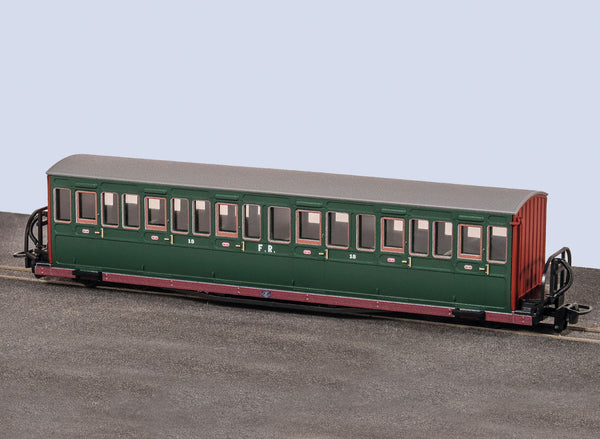
FR Short 'Bowsider' Coach - Colonel Stephens No.17
The Ffestiniog Railway operated two pairs of bogie coaches numbered 17-20 and built by Brown Marshalls & Co and Gloucester Wagon Co. They were known as ‘Bowsiders’ because of the tumblehome shape of their sides. Numbers 17 and 18, built in 1876 are shorter with one 1st class compartment. Numbers 19 and 20, built in 1879 are longer with two 1st class compartments. All four are still in service on the Ffestiniog Railway today.
In the 1920s the elaborate liveries of the Victorian era were replaced with a simple scheme of green with red end panels. It became known as the ‘Colonel Stephens’ livery, after the General Manager of the Ffestiniog Railway from 1925 until his passing in 1931. The colour scheme was used until the end of passenger operations in 1939, sometimes alongside other colours such as yellow, in the mid 1930s.
Green with red ends was applied to carriage No.20 once again from 2005 until 2024, as depicted by GR-623B.
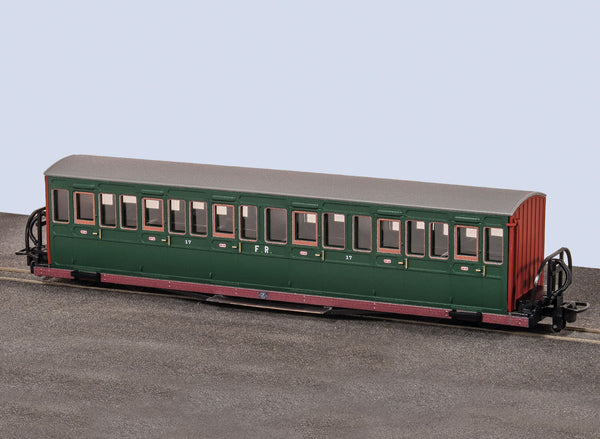
FR Long 'Bowsider' Coach - Red & Cream No.20
The Ffestiniog Railway operated two pairs of bogie coaches numbered 17-20 and built by Brown Marshalls & Co and Gloucester Wagon Co. They were known as ‘Bowsiders’ because of the tumblehome shape of their sides. Numbers 17 and 18, built in 1876 are shorter with one 1st class compartment. Numbers 19 and 20, built in 1879 are longer with two 1st class compartments. All four are still in service on the Ffestiniog Railway today.
The red and cream livery was first applied to a rake of carriages in 1987 for the ‘Mountain Prince’ train service. Carriage 20 was the first Bowsider to appear in the livery.
Carriages 17 and 18 had cream applied to the full upper half of the carriage. 17 had the mouldings reinstated in 1990 as depicted by GR-602A. 18 continued to have cream across the upper half throughout its time in the scheme, as represented by GR-602B. Note the ‘Brown Marshalls & Co. Ltd’ builders plate printed on the ends of the carriage.
All four Bowsiders were repainted into historic liveries in the 2000s, but the red and cream colour scheme is still seen today on the more modern carriages
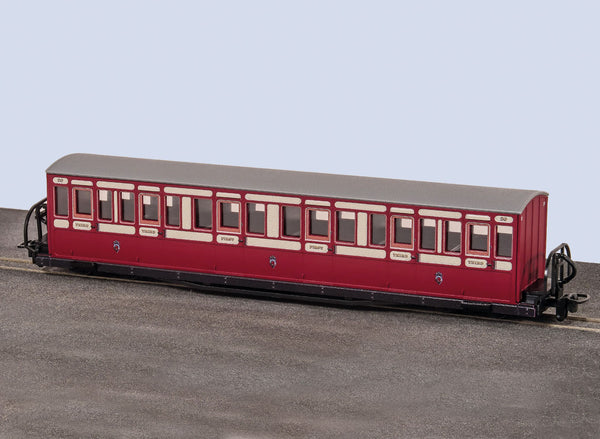
FR Long 'Bowsider' Coach - Red & Cream No.19
The Ffestiniog Railway operated two pairs of bogie coaches numbered 17-20 and built by Brown Marshalls & Co and Gloucester Wagon Co. They were known as ‘Bowsiders’ because of the tumblehome shape of their sides. Numbers 17 and 18, built in 1876 are shorter with one 1st class compartment. Numbers 19 and 20, built in 1879 are longer with two 1st class compartments. All four are still in service on the Ffestiniog Railway today.
The red and cream livery was first applied to a rake of carriages in 1987 for the ‘Mountain Prince’ train service. Carriage 20 was the first Bowsider to appear in the livery.
Carriages 17 and 18 had cream applied to the full upper half of the carriage. 17 had the mouldings reinstated in 1990 as depicted by GR-602A. 18 continued to have cream across the upper half throughout its time in the scheme, as represented by GR-602B. Note the ‘Brown Marshalls & Co. Ltd’ builders plate printed on the ends of the carriage.
All four Bowsiders were repainted into historic liveries in the 2000s, but the red and cream colour scheme is still seen today on the more modern carriages
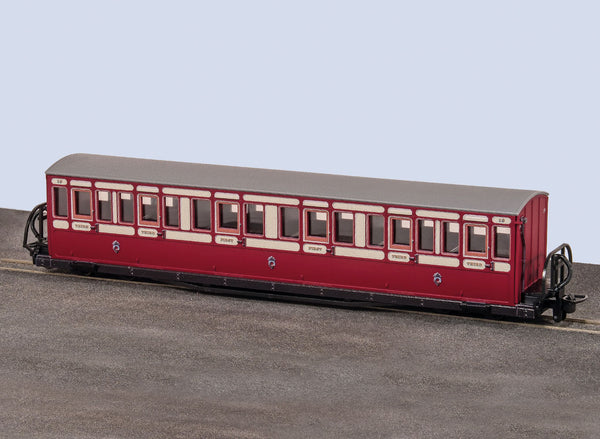
FR Short 'Bowsider' Coach - Red & Cream No.18
The Ffestiniog Railway operated two pairs of bogie coaches numbered 17-20 and built by Brown Marshalls & Co and Gloucester Wagon Co. They were known as ‘Bowsiders’ because of the tumblehome shape of their sides. Numbers 17 and 18, built in 1876 are shorter with one 1st class compartment. Numbers 19 and 20, built in 1879 are longer with two 1st class compartments. All four are still in service on the Ffestiniog Railway today.
The red and cream livery was first applied to a rake of carriages in 1987 for the ‘Mountain Prince’ train service. Carriage 20 was the first Bowsider to appear in the livery.
Carriages 17 and 18 had cream applied to the full upper half of the carriage. 17 had the mouldings reinstated in 1990 as depicted by GR-602A. 18 continued to have cream across the upper half throughout its time in the scheme, as represented by GR-602B. Note the ‘Brown Marshalls & Co. Ltd’ builders plate printed on the ends of the carriage.
All four Bowsiders were repainted into historic liveries in the 2000s, but the red and cream colour scheme is still seen today on the more modern carriages
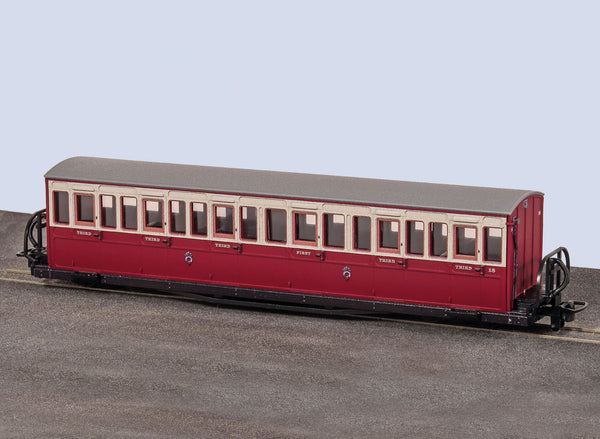
FR Short 'Bowsider' Coach - Red & Cream No.17
The Ffestiniog Railway operated two pairs of bogie coaches numbered 17-20 and built by Brown Marshalls & Co and Gloucester Wagon Co. They were known as ‘Bowsiders’ because of the tumblehome shape of their sides. Numbers 17 and 18, built in 1876 are shorter with one 1st class compartment. Numbers 19 and 20, built in 1879 are longer with two 1st class compartments. All four are still in service on the Ffestiniog Railway today.
The red and cream livery was first applied to a rake of carriages in 1987 for the ‘Mountain Prince’ train service. Carriage 20 was the first Bowsider to appear in the livery.
Carriages 17 and 18 had cream applied to the full upper half of the carriage. 17 had the mouldings reinstated in 1990 as depicted by GR-602A. 18 continued to have cream across the upper half throughout its time in the scheme, as represented by GR-602B. Note the ‘Brown Marshalls & Co. Ltd’ builders plate printed on the ends of the carriage.
All four Bowsiders were repainted into historic liveries in the 2000s, but the red and cream colour scheme is still seen today on the more modern carriages
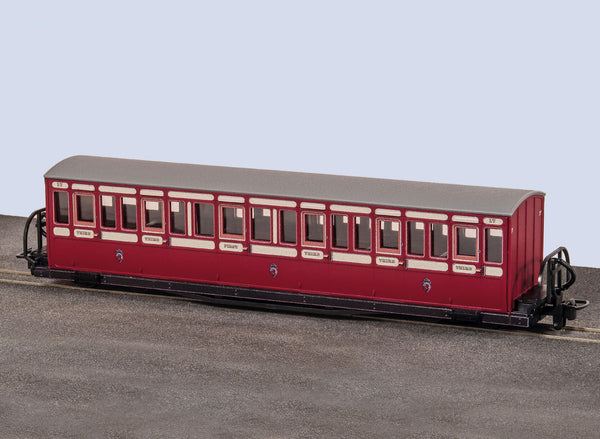
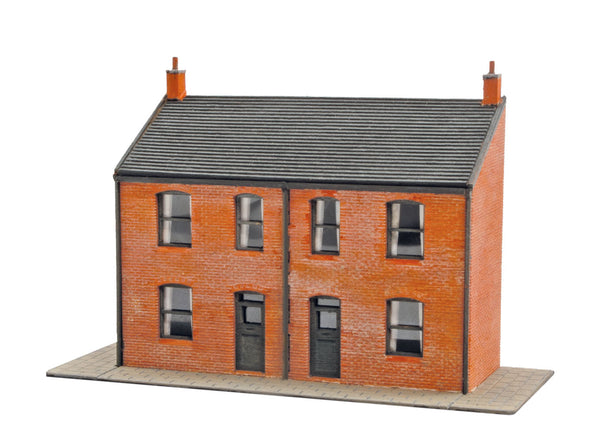
Bahnhofshaus, Ziegeltyp
Mit diesem Bausatz können 2 Bahnhofshäuser mit einstöckigen Anbauten gebaut werden; Der Aufbau ist variabel, zusätzliche Türen und Fenster sind im Lieferumfang enthalten.
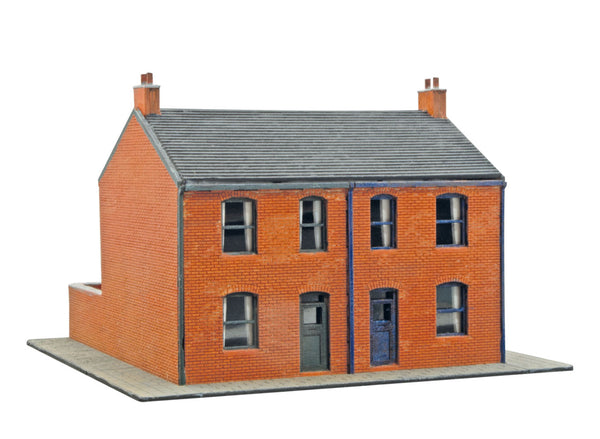
Bahnhofshaus, Ziegeltyp
Mit diesem Bausatz können 2 Bahnhofshäuser mit einstöckigen Anbauten gebaut werden; Der Aufbau ist variabel, zusätzliche Türen und Fenster sind im Lieferumfang enthalten.
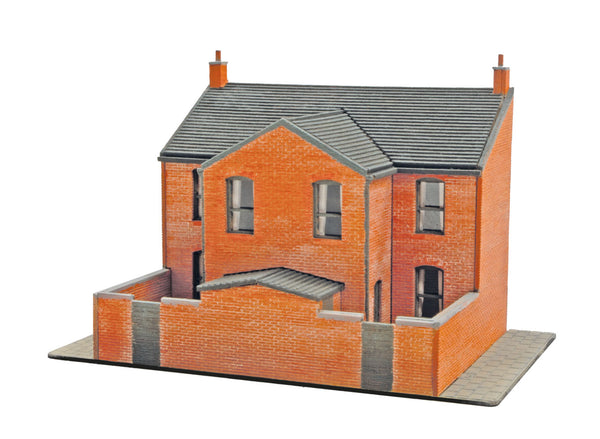
Bahnhofshaus, Ziegeltyp
Mit diesem Bausatz können 2 Bahnhofshäuser mit einstöckigen Anbauten gebaut werden; Der Aufbau ist variabel, zusätzliche Türen und Fenster sind im Lieferumfang enthalten.
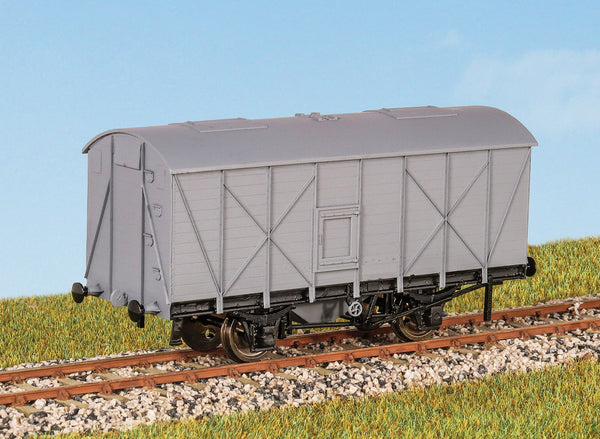
13-Tonnen-Stahlkörpertrichter (LNER) der British Railways
Über 2.600 dieser Waggons wurden zwischen 1949 und 1953 für den Einsatz bei der British Railways gebaut. Sie wurden zum Synonym für die Nordostregion, wo auf dem Güterbahnhof des Bahnhofs üblicherweise Kohleabwurfmulden aufgestellt waren, weshalb ein Trichter mit Bodenentleerung die naheliegendste Variante war benutzen. Obwohl sie für den Transport von Kohle gedacht waren, verbreiteten sie sich im späteren Leben zunehmend im Vereinigten Königreich und wurden für den Transport anderer Materialien wie Stein und Sand verwendet. Die letzten Exemplare blieben bis Anfang der 1980er Jahre im Einsatz.
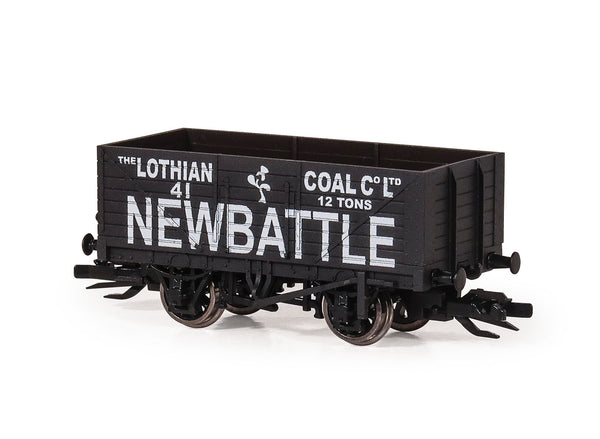
TT:120 7-Plank Open Wagon, Newbattle
- Fine plastic moulding with thinner wagon body walls for accuracy.
- Interior detail as well as a high-level of exterior detail
- Separately-fitted brake lever.
- Brake shoes in line with the wheels
- Ultra-fine printing detail
- Free-running metal-tyred wheels
- Standard (removable) TT:120 coupler compatible with other TT:120 rolling stock on the market
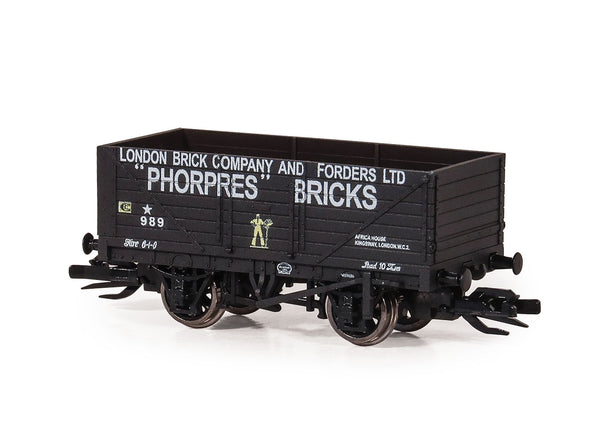
TT:120 7-Plank Open Wagon, Phorpres Bricks
- Fine plastic moulding with thinner wagon body walls for accuracy.
- Interior detail as well as a high-level of exterior detail
- Separately-fitted brake lever.
- Brake shoes in line with the wheels
- Ultra-fine printing detail
- Free-running metal-tyred wheels
- Standard (removable) TT:120 coupler compatible with other TT:120 rolling stock on the market
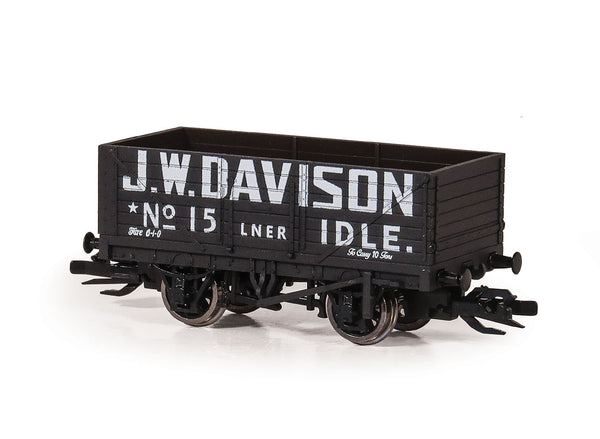
TT:120 7-Plank Open Wagon, J. W. Davison
- Fine plastic moulding with thinner wagon body walls for accuracy.
- Interior detail as well as a high-level of exterior detail
- Separately-fitted brake lever.
- Brake shoes in line with the wheels
- Ultra-fine printing detail
- Free-running metal-tyred wheels
- Standard (removable) TT:120 coupler compatible with other TT:120 rolling stock on the market
Lokomotivwartungsdepot
Der Bausatz besteht aus einer Bekohlungsstufe, einem Wasserturm mit Kran und einem Hebezeug zum Verladen der Kohle. Dieses Modell und der Lokschuppen-Bausatz (Ref. 522) bilden einen guten Ausgangspunkt für jede Anlage, die Dampfmaschinenanlagen benötigt. Die Pecoscene Real Coal-Reihe (PS-330–332) bietet die perfekte Ergänzung, ebenso wie die Pecoscene Ash- und Cinder Scatter-Materialien (PS-320–322). Eine Inspektionsgrube (Peco LK-56/156) war ebenfalls üblich. Wird mit vorgefärbten Teilen geliefert, obwohl Lackierung und/oder Verwitterung für mehr Realismus sorgen können (siehe Pecoscene Weathering Powder PS-362 Coal Dust); Zur Fertigstellung dieses Modells ist Kleber erforderlich. Stellfläche: 140 mm x 80 mm
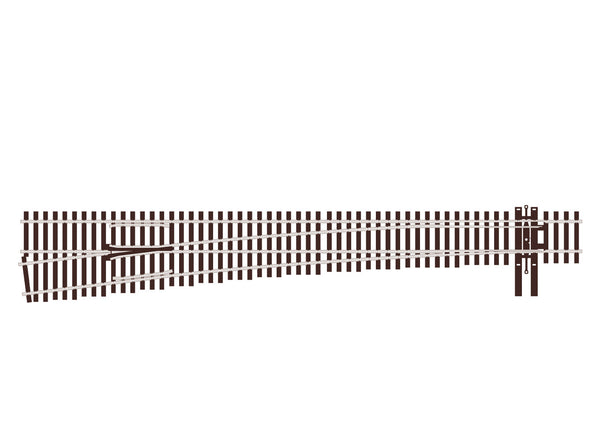
Code 70, Nr.6 Weiche links, Uniofrog
Während sich unser HO-Gleis Code 83 perfekt für die Modellierung amerikanischer Hauptstrecken eignet, ist dieses neue Gleis Code 70 genau das Richtige für Nebenstrecken, wenig genutzte Abzweigungen, Abstellgleise usw. Tatsächlich eignet es sich perfekt für die Modellierung des frühen bis mittleren 20. Jahrhunderts Eisenbahn-Ära, als leichtere Schienen häufiger verwendet wurden. Dieses neue flexible Gleis verfügt über präzise Details der Schienenspitzen, korrekt proportionierte Schwellen (Schwellen) und eine Neusilberschiene. Es wurde nach demselben hohen Standard hergestellt, den Modellbauer von PECO gewohnt sind, und entspricht den von der NMRA festgelegten Spezifikationen.